AspenSnowmass
Rocky Mountains - CO
United States
Colorado four-mountain freeski resort in the Roaring Fork Valley | Known for: Buttermilk X Games, Snowmass park and mileage, Highland Bowl steeps, Aspen Mountain town laps, World Cup and Grand Prix venues | Season: late November to early April | Best for: park riders, contest fans, strong all-mountain skiers, and crews mixing freestyle with steep inbounds terrain
Buttermilk Lights And Ajax Above Town
The Silver Queen Gondola rises from downtown Aspen toward the 11,212-foot Sundeck, putting steep groomers, bumps, glades, and town-facing laps directly above one of Colorado’s most recognizable ski streets. Aspen is not a single-mountain resort in practice. It is a four-part system built from Aspen Mountain, Aspen Highlands, Buttermilk, and Snowmass, each with a different role in the freeski map of Colorado.
Buttermilk gives the resort its global freestyle signal. Snowmass supplies the biggest terrain footprint and the strongest all-day park-to-cruiser rhythm. Aspen Highlands gives expert skiers the Highland Bowl bootpack and a serious inbounds steep-skiing identity. Aspen Mountain, still called Ajax by many skiers, brings race heritage, fall-line pressure, and a direct link between lift laps and town culture. Together, the four mountains make Aspen one of the rare resorts where X Games venues, World Cup-level infrastructure, hike-to steeps, and polished transit all sit in one valley.
Four Mountains With Four Different Skiing Speeds
Aspen Mountain is the sharpest first impression because it rises straight from town and does not soften its personality with beginner terrain. Bell Mountain, Walsh’s, Ruthie’s, and the upper gondola zones reward edge pressure, quick legs, and confidence on chalky steeps. It is the mountain for strong skiers who want sustained pitch without commuting across a huge base village.
Aspen Highlands changes the rhythm. The Loge Peak lift puts skiers below the Highland Bowl climb, where the summit reaches 12,392 feet. Aspen Snowmass lists the hike at around 45 minutes in good conditions, with a snowcat sometimes cutting part of the approach. The reward is a 2,500-foot descent from the Bowl, a 48-degree steepest pitch in Go-Go Gully, and a north-facing amphitheater that can hold powder for days after storms.
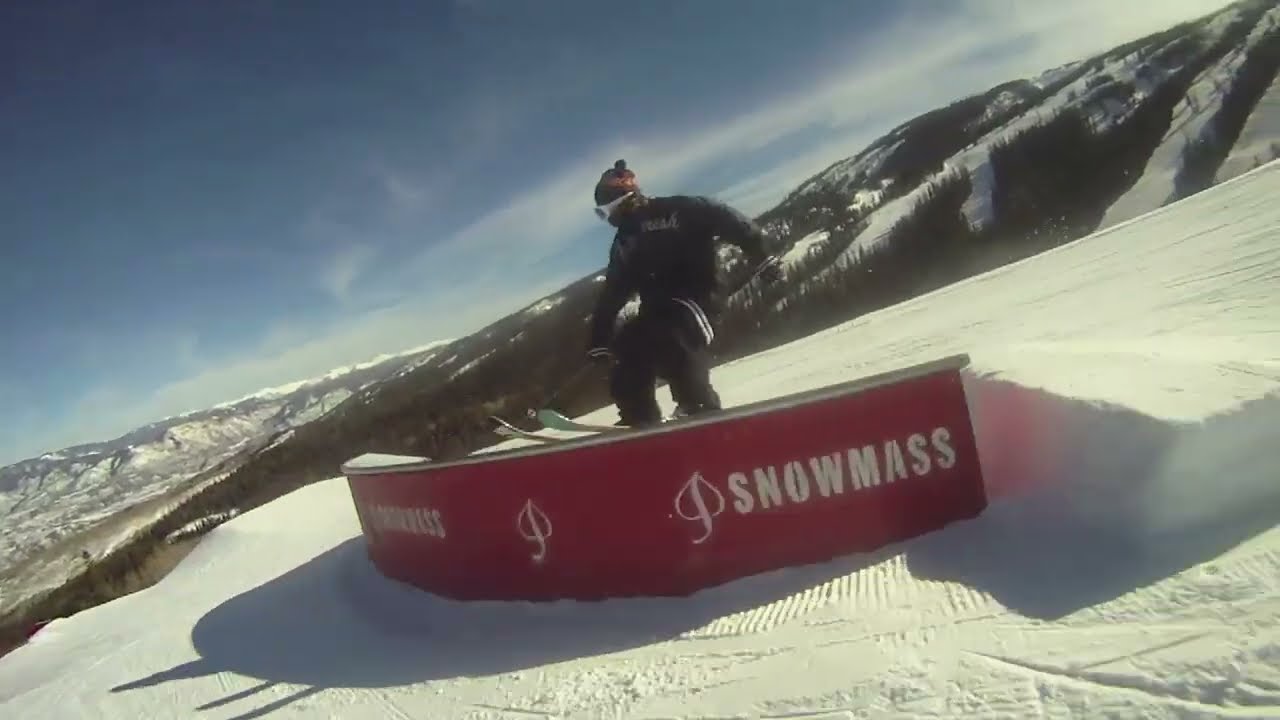
Snowmass works differently again. It is larger than the other three mountains combined, with long lifts, broad groomers, glades, bumps, parks, and enough sector variety to keep mixed crews together without forcing everyone into the same terrain. Buttermilk is the most approachable on a normal day, but its lower mountain also contains the resort’s highest-profile freestyle infrastructure.
Buttermilk X Park And The 22 Foot Pipe Standard
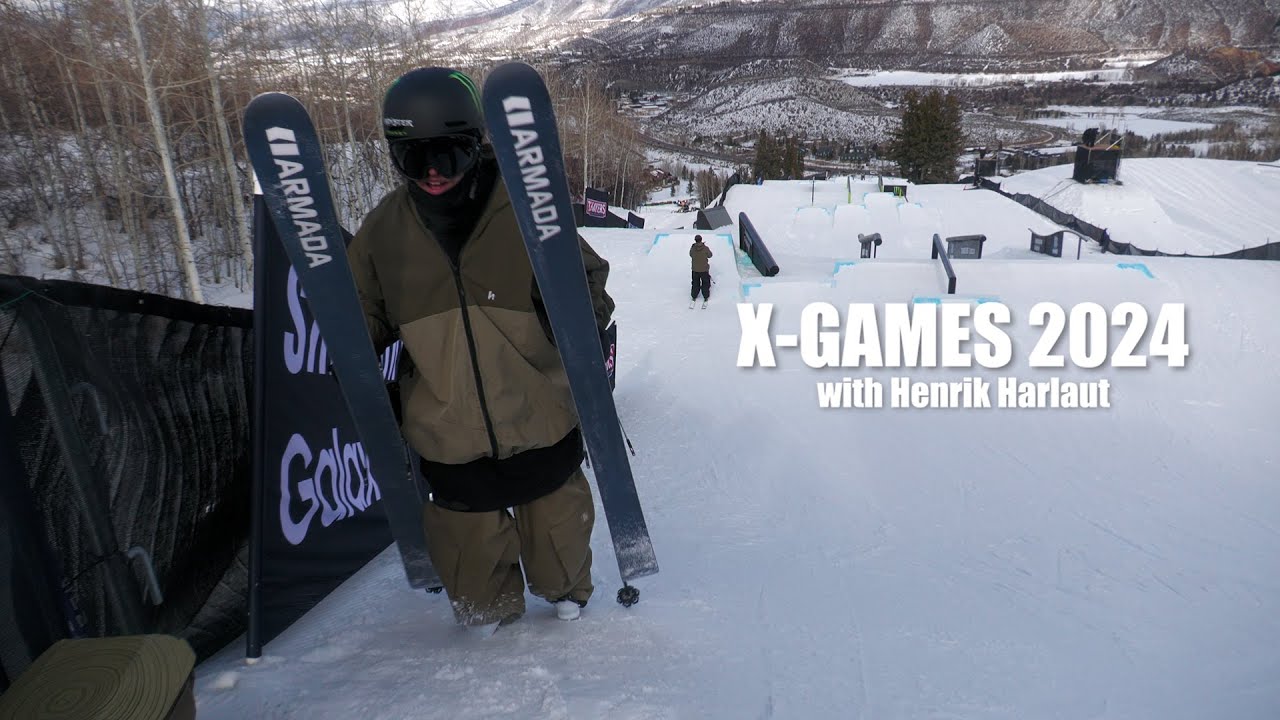
Buttermilk is Aspen’s freestyle stage. The official park page describes Red’s Rover Park with roughly 25 small and medium features, Spruce Park with medium and large creative terrain, and X Park with approximately 25 large features. The same X Park houses the 22-foot Zaugg-cut Superpipe and slopestyle course made famous by Winter X Games.
That build quality matters because Aspen is not only a place where skiers watch contests. It is a place where competition shapes the public park language after the event window. When the X Games course opens back to the public, ambitious riders can read the same speed management, lip shape, rail spacing, and landing transitions that elite athletes used days earlier. A clean Aspen park day can move from smaller West Buttermilk features into Spruce, then toward X Park when the course is available and conditions are right.
Snowmass adds the second freestyle layer. The Toyota U.S. Grand Prix places slopestyle at Snowmass and halfpipe at Buttermilk, which confirms the division of labor: Buttermilk owns the pipe and X Games base spectacle, while Snowmass has enough course space and lift flow to carry high-level slopestyle.
X Games Aspen And The Grand Prix Pipeline
X Games Aspen returned to Aspen Snowmass in 2026 for the 25th consecutive year, marking a quarter-century of the winter event at Buttermilk. That continuity is the reason Aspen still sits near the center of modern freeski visibility. SuperPipe, Slopestyle, Big Air, Knuckle Huck, music, sponsor villages, and athlete media all compress into one late-January window.
The competitive calendar does not stop there. The Toyota U.S. Grand Prix brings FIS Freeski and Snowboard World Cup halfpipe and slopestyle to Aspen Snowmass in January 2026. U.S. Ski and Snowboard lists the halfpipe at Buttermilk and the slopestyle course on Cabin Run at Snowmass, with a 22-foot pipe nearly 550 feet long and 70 feet wide. Those specifications place Aspen inside the Olympic qualification and World Cup pipeline, not only the invitational-event circuit.
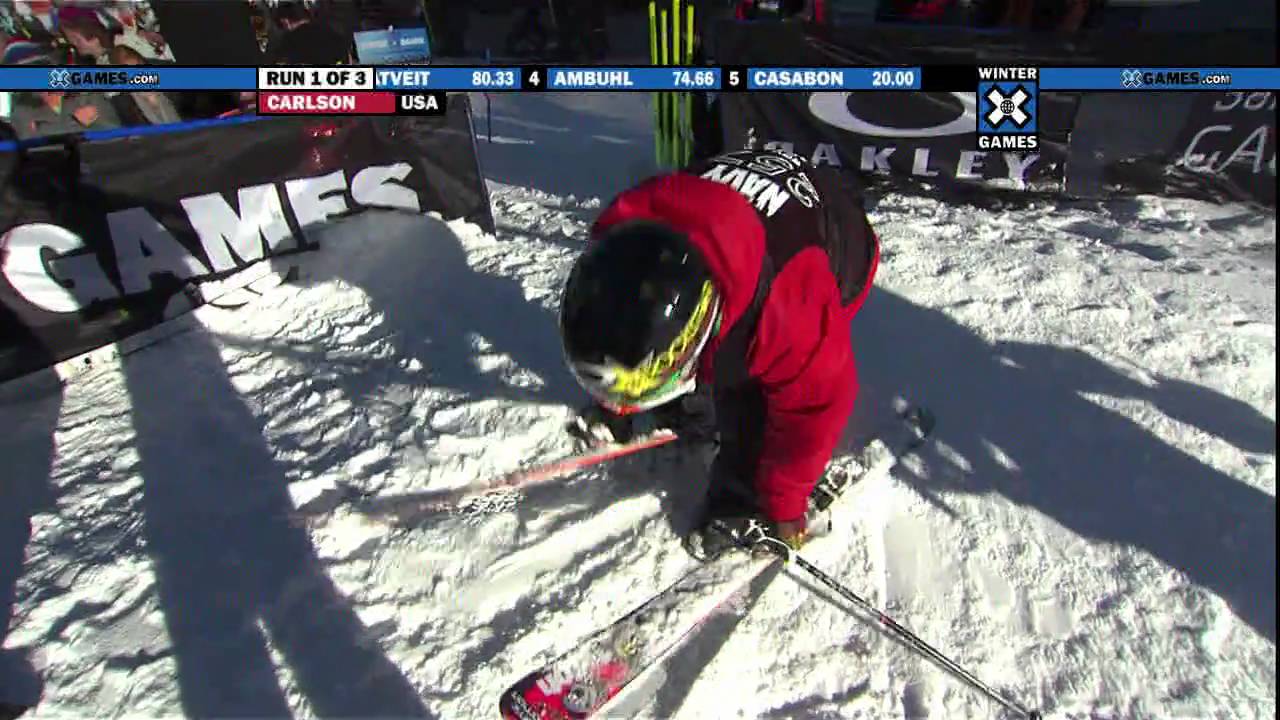
The athlete history is dense. Sammy Carlson won Winter X Games slopestyle at Aspen Snowmass in 2011 before moving deeper into backcountry freestyle and film. Alex Beaulieu-Marchand built part of his contest identity through Aspen results, including the 2019 season that tied his name to slopestyle and big air medals. Olivia Asselin belongs to the newer Aspen story through women’s Knuckle Huck and street-style visibility, where rail technique and transition creativity matter as much as classic course amplitude.
Highland Bowl Patrol Work And Real Inbounds Consequence
Aspen’s freestyle profile can hide how serious its steep skiing is. Highland Bowl is the clearest correction. The hike begins above the Loge Peak zone, climbing toward a 12,392-foot summit before dropping into a wide north-facing bowl. Aspen Snowmass lists an 860-foot elevation gain to reach the summit and a 2,500-foot total descent, which means the skiing is not a quick photo stop. It is a leg-heavy inbounds objective.
The Bowl’s openings depend on conditions, patrol work, avalanche mitigation, wind, and overnight snow. That staged-access culture is part of Aspen’s identity. Strong skiers wait for the rope, climb with skis secured, choose lines according to visibility and stability, and respect the difference between a controlled resort feature and a casual groomer lap. The G-Zones, Filip’s Leap, Go-Go Gully, and lower exits all require a plan before the first turn.
Ajax adds another kind of consequence: not exposure on the same scale, but sustained steep resort skiing with no beginner exit. Snowmass gives long mileage, glades, and ridgeline options. Aspen Highlands gives the bowl and Temerity texture. The complete resort is stronger because these options exist beside the park system rather than separate from it.
Snowmass Flow For Long Days And Mixed Crews
Snowmass is the mountain that makes a full Aspen week feel realistic. Families, park riders, strong skiers, intermediates, and big-mileage skiers can start from the same base and separate into different terrain without abandoning the group. For freeskiers, that means a morning course inspection or park lap does not eliminate the possibility of afternoon groomer speed, glades, or steeper upper-mountain terrain.
The 2025-26 upgrade cycle also matters for Snowmass. Aspen Snowmass announced the Elk Camp Six-Pack replacement and a new Cirque T-Bar, improving capacity and expert-terrain access. For skiers, those lift changes affect flow, not just comfort. Faster access to Elk Camp helps circulate mid-mountain traffic, while the Cirque access supports upper-mountain timing on days when weather, lift status, and snow surface line up.
Snowmass also changes the event geography. During the Grand Prix, spectators access slopestyle viewing by skiing from the Village Express area, while Buttermilk remains the halfpipe and X Games base. That split makes Aspen unusual: the resort does not rely on one competition slope. It can distribute major freestyle infrastructure across two mountains and still connect the experience through buses, passes, and lodging.
Airport Minutes Free Buses And Valley Logistics
Aspen’s access is unusually direct for a mountain resort at this level. Aspen Pitkin County Airport sits three miles from the town of Aspen and six miles from Snowmass Village, which makes fly-in ski days practical when weather cooperates. When flights are disrupted, Eagle County, Grand Junction, and Denver become backup gateways, but they add winter driving and mountain-pass variables.
The valley transit system is a major advantage. RFTA connects Aspen and the Roaring Fork Valley, while Snowmass Village transportation describes year-round service between Snowmass Village and Aspen as free, easy, and convenient. For skiers, that means a car-free week can work. Buttermilk, Highlands, Aspen Mountain, and Snowmass all become part of the same daily decision instead of four parking problems.
On-mountain flow should follow conditions. Start at Snowmass during storms when trees and mid-mountain options matter. Choose Buttermilk for pipe, park, and event energy. Move to Highlands when the Bowl opens and visibility allows line choice. Ski Ajax when town laps, steep groomers, and bumps fit the day. Aspen rewards skiers who treat the valley like a small operating system, not a single trail map.
CAIC Mornings Park Etiquette And Aspen Culture
Aspen sits inside a serious Colorado snow climate, so avalanche awareness belongs in the routine. The Colorado Avalanche Information Center publishes forecasts and mountain weather information for planning beyond controlled terrain. Inside the resort, closures, staged openings, patrol instructions, and Highland Bowl access rules should be treated as part of the skiing, not obstacles to it.
Park etiquette is equally important because Aspen’s features attract a wide ability range. Call drops, inspect takeoffs, understand feature size, keep speed predictable, and clear landings fast. Buttermilk’s own SMART guidance exists for a reason: start small, make a plan, always look, respect, and take it easy. On a busy post-event day, those basics keep a world-class park from turning chaotic.
The culture is polished, expensive, and highly visible, but the skiing still has a craft standard. Local skiers know where chalk lasts on Ajax, when Highland Bowl is worth the climb, how Buttermilk changes after X Games teardown, and when Snowmass gives the most efficient mileage. Visiting freeskiers fit in fastest when they show patience, respect crews, and ski with purpose rather than treating Aspen as only a luxury backdrop.
Why Aspen Still Defines Freeski Progression
Aspen matters because it links the full modern freeski spectrum in one resort system. A skier can watch X Games at Buttermilk, lap a 22-foot pipe environment, ski a World Cup slopestyle venue at Snowmass, hike Highland Bowl, and finish the day on Ajax above town. That combination is rare because each piece has real weight, not just branding.
Monster Energy and Oakley fit naturally into Aspen’s media ecosystem because the resort is one of the sport’s clearest broadcast stages. Sponsor visibility, athlete edits, contest recaps, and global highlight clips all move through Buttermilk in January. The location gives brands and riders the same thing: a yearly test under lights, cameras, judging pressure, and public attention.
The best months depend on intent. January is for events, cold snow, and the X Games atmosphere. February keeps chalk and powder quality strong. March brings longer light, mature parks, and better all-mountain rhythm. Aspen’s defining fact is that none of those windows belong to only one type of skier. The same valley can serve a pipe specialist, a slopestyle rider, a steep skier, and a film crew looking for recognizable winter energy.