Völkl
Germany
German ski manufacturer | Founded in 1923 and based in Straubing, Bavaria | Known for: Mantra, Revolt, Racetiger, Peregrine, Blaze, Rise, V-Werks, Shine, 3D Radius Sidecut, Tailored Titanal Frame, Tailored Carbon Tips and Made in Germany ski construction | Focus: precise, powerful and technically advanced skis for race, carving, all-mountain, freeride, touring and freestyle skiers.
1923 Straubing roots and the German precision story
Völkl is one of the defining ski manufacturers in the world. The brand was founded in 1923 and is based in Straubing, Bavaria, where it still presents itself as the largest and one of the last remaining ski manufacturers in Germany. That continuity matters. Völkl is not a lifestyle label that entered skiing from the outside. It is a ski-building company whose identity is tied to wood cores, steel edges, presses, race rooms, freeride shapes and German engineering discipline.
The brand began from a Bavarian craft tradition and grew into a global ski name. Over the last century, Völkl has moved through almost every major chapter of modern skiing: classic alpine skis, race development, carving skis, freeride platforms, touring constructions and athlete-led freestyle shapes. Its strongest reputation remains precision. A Völkl ski is usually expected to hold an edge, feel calm at speed and reward a skier who drives the ski with intention.
For skipowd.tv, Völkl belongs in the absolute top tier of ski sponsors. It spans World Cup race lanes, Alpine groomers, Freeride World Tour faces, park jumps, street edits and backcountry powder lines. Few brands can sit naturally under both a Racetiger race skier and a Revolt big-mountain freestyler.
Racetiger Peregrine Mantra Blaze Rise and Revolt
Völkl’s current range is organized around clear ski families. Racetiger is the race and high-performance piste line, built for speed, grip, precision and hard-snow control. These skis speak to racers, ex-racers and carving-focused skiers who want power from edge to edge rather than a soft recreational feel.
Peregrine is the modern frontside and all-mountain carving family. It replaces part of the older Deacon identity and targets skiers who want strong piste performance with enough versatility for mixed resort conditions. Peregrine models such as 72, 76, 78, 80, 82 and V-Werks versions give Völkl a deep hard-snow and all-mountain wall.
Mantra is the all-mountain freeride icon. Mantra 84, 88, M7 Mantra, Mantra 102 and Mantra 108 cover different balances of piste power, freeride width and variable-snow stability. Blaze is lighter and more maneuverable, sitting between freeride and freeride-touring. Rise is the dedicated touring family. Revolt is the freestyle and freeski range, with park widths and wider backcountry-freestyle shapes. Shine gives women skiers a frontside and all-mountain collection with Völkl’s technical personality in more accessible constructions.
Mantra power and the Völkl all-mountain feel
The Mantra line is one of the clearest expressions of Völkl DNA. These skis are not designed to feel vague, loose or overly forgiving. They are built for skiers who want a planted platform, strong edge hold and confidence when snow becomes chopped, fast or technical. A Mantra rewards active skiing. It likes pressure, speed and commitment.
The newer Mantra architecture uses Völkl’s Tailored Titanal Frame and Tailored Carbon Tips to adjust stiffness, damping and response by length. That matters because a shorter skier and a taller, more powerful skier should not receive exactly the same metal structure scaled up or down without thought. Völkl’s tailored approach is meant to make each length behave more appropriately for the skier using it.
In real terrain, the Mantra family makes sense for advanced to expert skiers who want one ski for groomers, crud, chalk, windbuff, resort powder and steep mixed conditions. It is not the easiest beginner ski. It is a tool for skiers who want the ski to stay composed when the mountain gets rough.
Revolt and the athlete-built freestyle lane
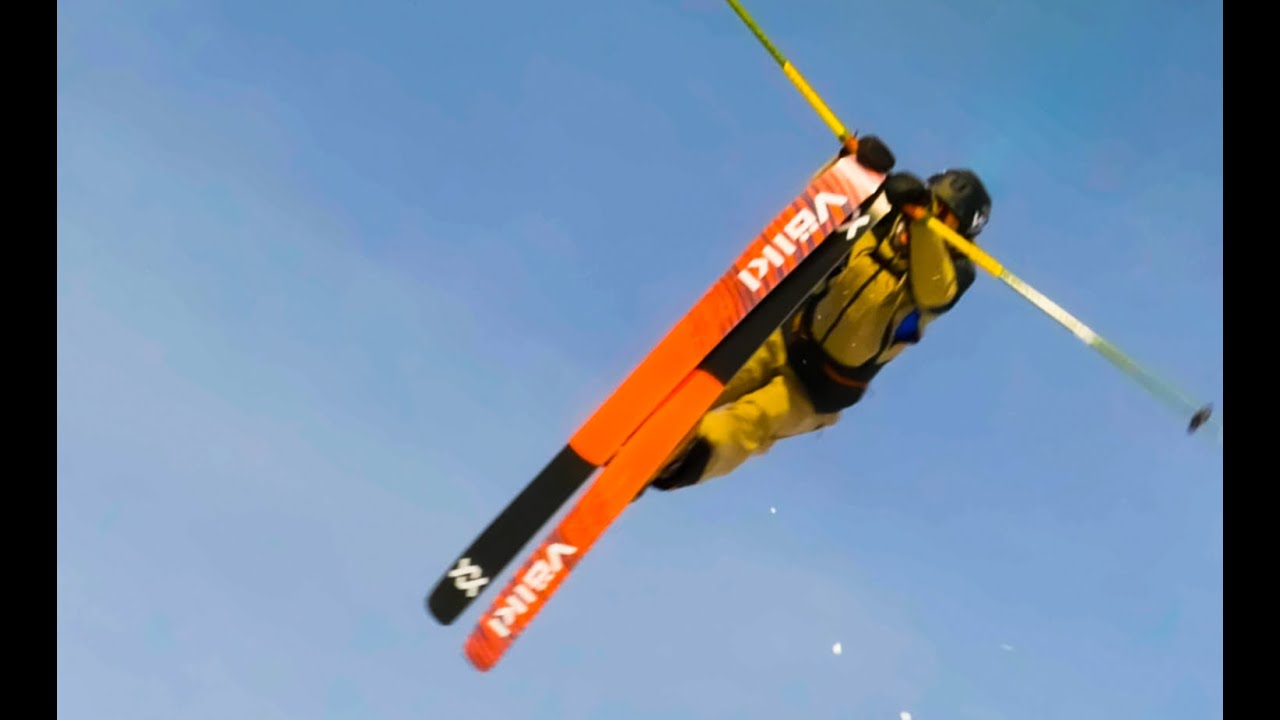
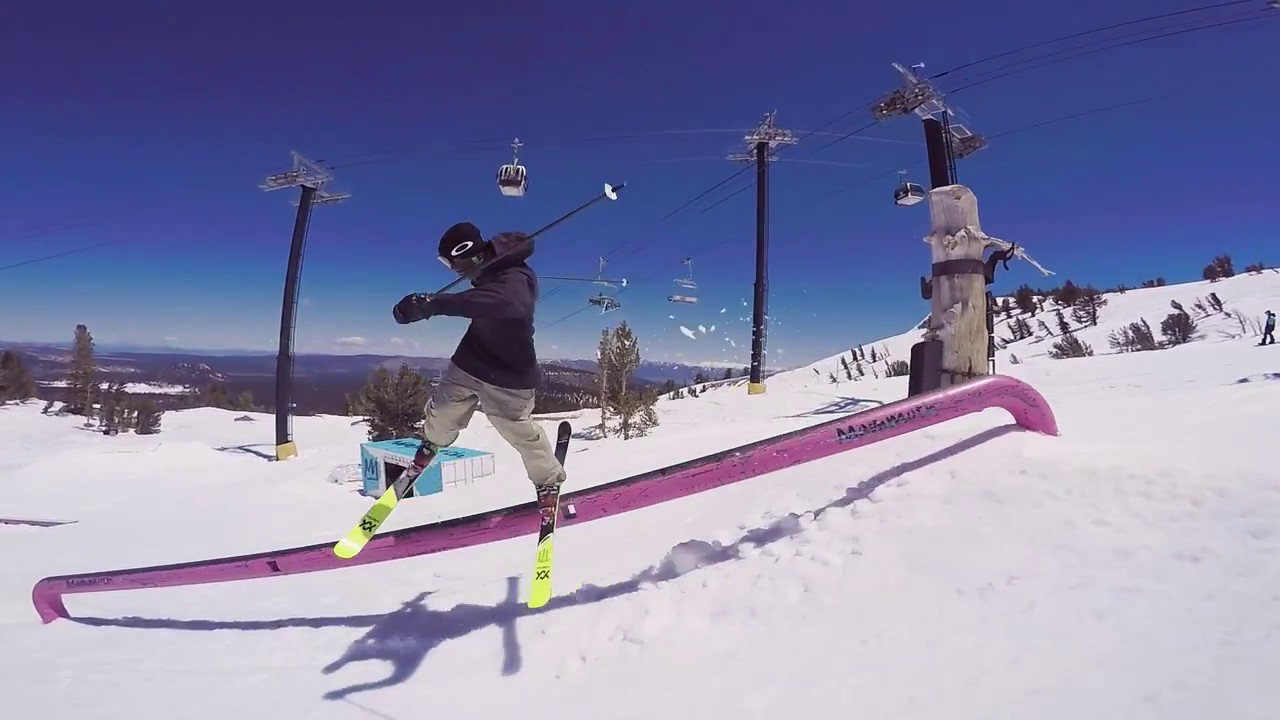
Revolt is Völkl’s modern freestyle identity. Revolt 90, 96 and related park-friendly models cover jumps, rails, urban features and all-mountain freestyle. Wider Revolt models such as Revolt 104, 114 and 121 push into freeride, backcountry tricks and big-mountain creativity. This is where Völkl becomes more playful without losing its traditional stability.
The Revolt story matters because it shows that Völkl is not only a race and carving brand. The Built Together philosophy brought athletes, artists and engineers into the development process, making the skis feel more directly connected to how modern skiers actually ride. A big-mountain freestyle ski needs to land, slash, ski switch, hold speed, float in soft snow and still survive hard impacts. That is a very different brief from a frontside carving ski.
Markus Eder is the most important modern Revolt reference. His freeride, film and competition presence helped make the Revolt 121 a symbol of powerful creative mountain skiing. The Revolt line also connects Völkl to park and street culture through riders who want a ski that can handle tricks without feeling disposable.
Racetiger and Peregrine keep the hard-snow spine alive
Völkl’s hard-snow credibility remains one of its greatest strengths. Racetiger skis are built for race and race-inspired skiing, where edge grip, torsional stiffness, rebound and timing matter. These skis are for riders who want clean arcs, strong acceleration out of the turn and the confidence to ski icy pistes at speed.
Peregrine brings that precision into a more versatile resort package. It is still frontside-focused, but less narrow in purpose than pure race skis. A Peregrine skier may spend most of the day carving groomers, then move into afternoon chop, side pistes or mixed resort snow without wanting a soft intermediate ski.
This hard-snow strength is why Völkl remains especially respected in Europe. On firm Alpine pistes, edge hold is not optional. A ski that feels lively in soft snow but nervous on ice will not earn trust. Völkl built much of its reputation by making skis that bite, track and stay calm when the surface is demanding.
Blaze Rise and the lighter freeride-touring side
Blaze is Völkl’s lighter freeride and all-mountain freeride family. It is more forgiving and maneuverable than Mantra, with a softer, more agile feel for skiers who mix resort laps, sidecountry, soft snow and occasional touring. Blaze models are useful for skiers who want Völkl control without the full metal-charger personality.
Rise is the dedicated touring side. These skis are built for uphill efficiency, transitions and human-powered travel. Völkl’s Smart Skinclip system gives touring skiers more flexibility when attaching and removing skins, which matters during cold transitions or windy ridgelines.
This part of the range shows Völkl adapting to modern skiing. Many skiers no longer separate resort, sidecountry and touring completely. They want skis that can move between lift access and human-powered terrain. Blaze and Rise give Völkl credible answers for that world without abandoning the brand’s precision-first identity.
Tailored Titanal Carbon 3D Radius and 3D.Glass
Völkl’s technology story is deep. Tailored Carbon Tips place carbon fibers along stress lines in the front of the ski to tune shovel response, precision and energy. Tailored Titanal Frame adapts metal placement by ski length, increasing stability and damping where needed while keeping shorter lengths more accessible.
3D Radius Sidecut is another key Völkl idea. It uses three radii in one ski: longer radii in the tip and tail for big turns and higher speed, with a tighter center radius for short turns and lower-speed maneuverability. This is especially useful in all-mountain skiing, where one run may include carved arcs, quick pivots, bumps, steeps and speed checks.
3D.Glass increases edge grip, rebound and power transmission by using folded glass layers in key zones. Titanal constructions add damping, stability and direct power transfer, especially in race and high-energy all-mountain skis. Together, these technologies explain why Völkl skis often feel precise and calm rather than soft or vague.
Straubing production and the modern responsibility layer
Straubing remains central to Völkl’s identity. The brand states that 81% of its 2024 ski production was made in Straubing, Germany, with 19% produced at Elevate’s factory in Kaitai, China. That is an important distinction because Völkl is strongly associated with Made in Germany, but not every ski is necessarily produced in Germany.
Völkl’s sustainability work sits inside the broader Elevate Outdoor Collective roadmap. The company has committed to Science Based Targets initiative work, near-term emission reduction targets and a long-term net-zero direction. The LIFE re-WINTER project is also important because it aims to collect end-of-life skis, boots and bindings, recover materials and prove circular production models for high-performance winter gear.
For ski manufacturing, this matters. Skis are complex products made from wood, metal, plastics, resins, fiberglass, bases and edges. Recycling them is difficult. Völkl’s participation in circularity projects does not make the product impact-free, but it shows the brand is working on one of the hardest problems in ski manufacturing: what happens when a ski reaches the end of its useful life.
Race athletes freeriders and freeski media
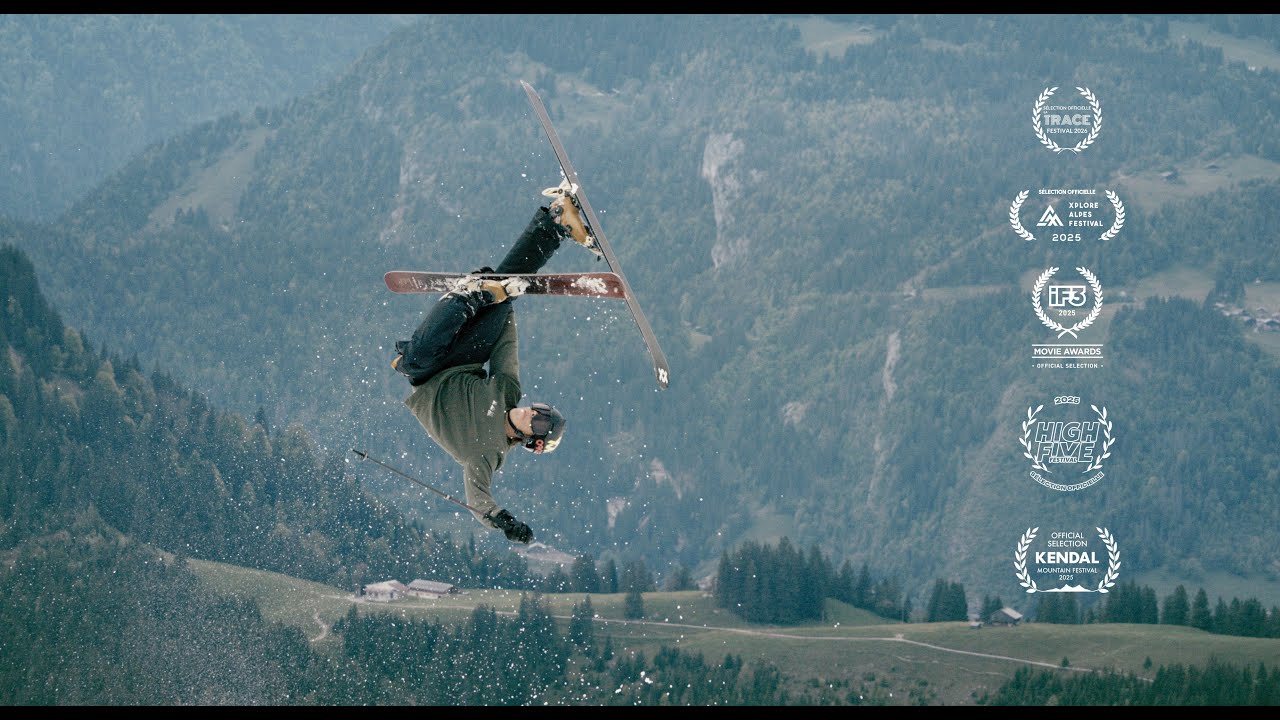
Völkl’s athlete presence stretches across disciplines. In race, the brand has long been tied to high-speed edge performance and technical Alpine skiing. In freeride, Markus Eder gives the brand one of the strongest modern ski-culture references, linking Völkl to Freeride World Tour success, film projects and creative big-mountain skiing.
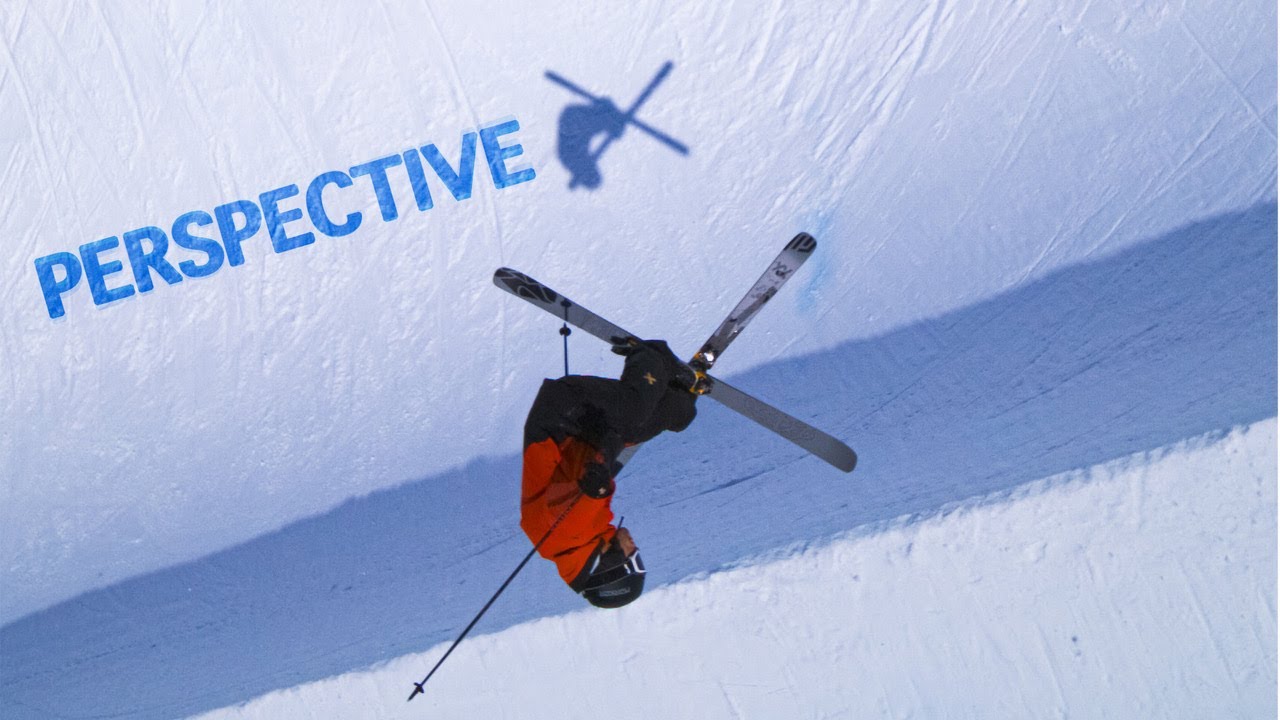
In freestyle and park, Völkl has earned credibility through Revolt riders and competition results. The brand’s skis have appeared under Olympic and X Games-level athletes as well as street and film skiers. That range matters because a ski brand can become trapped in one identity. Völkl has avoided that by keeping race power, all-mountain precision and freestyle creativity alive at the same time.
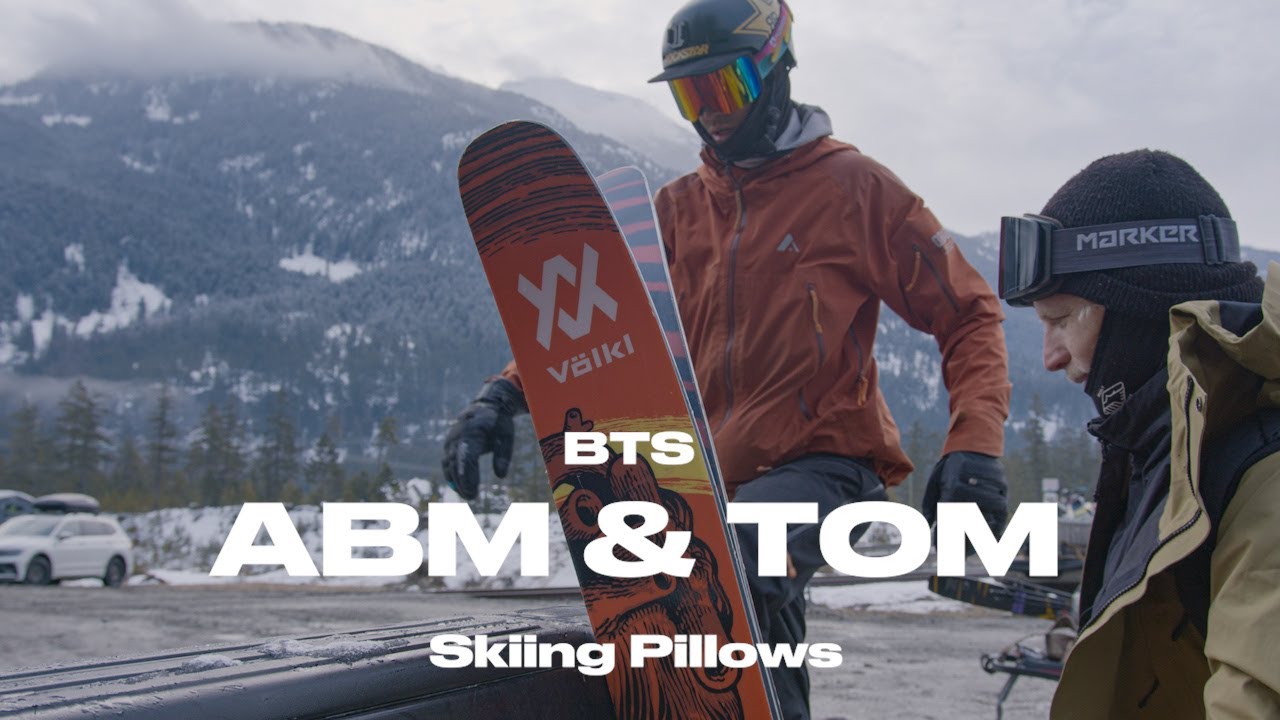
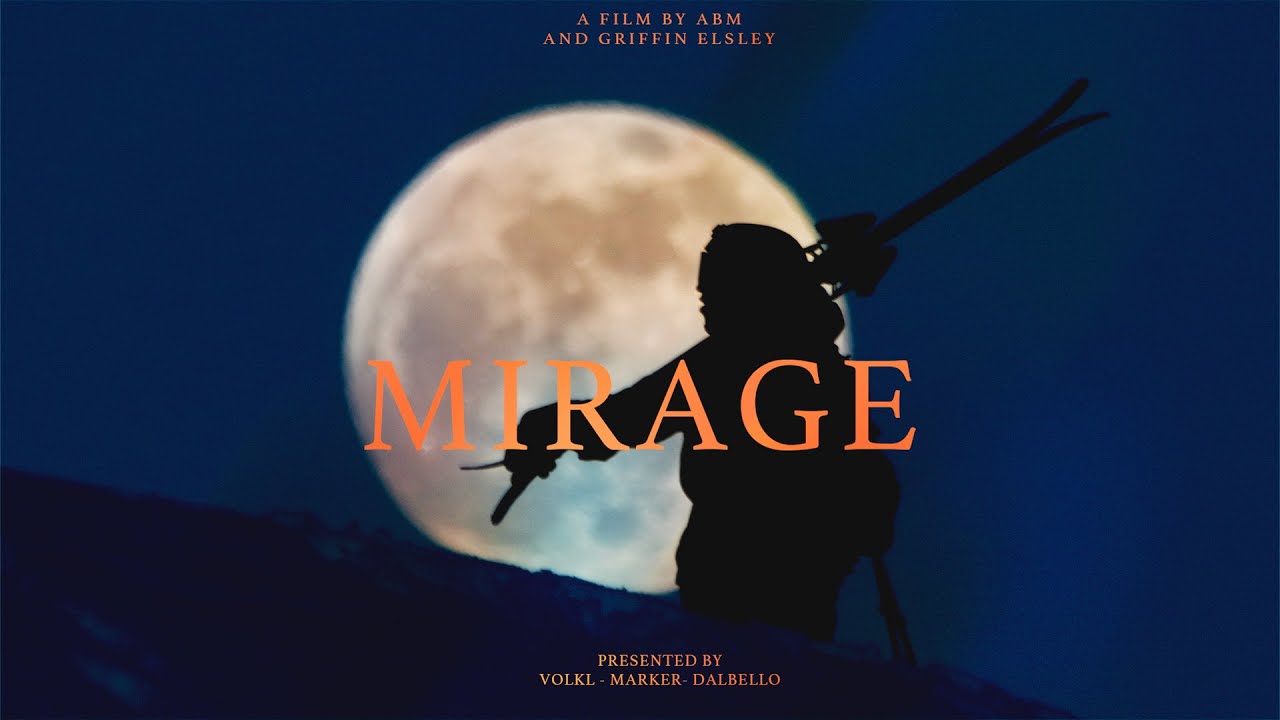
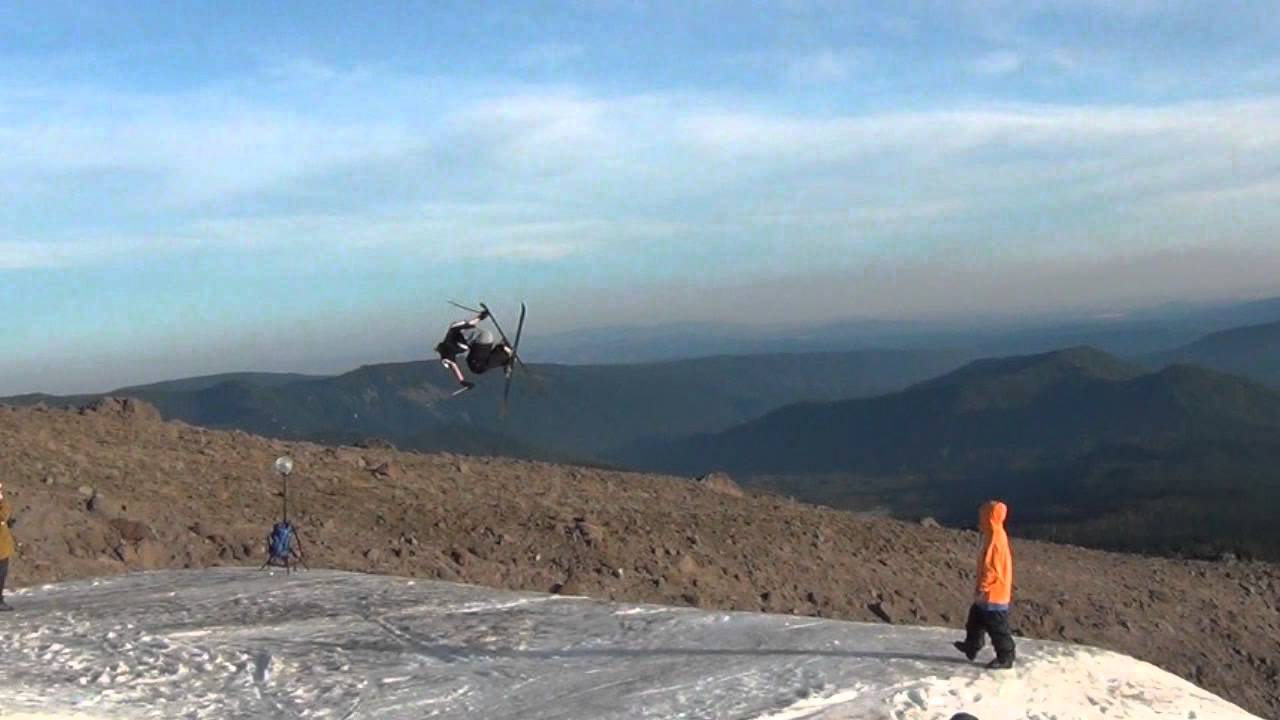
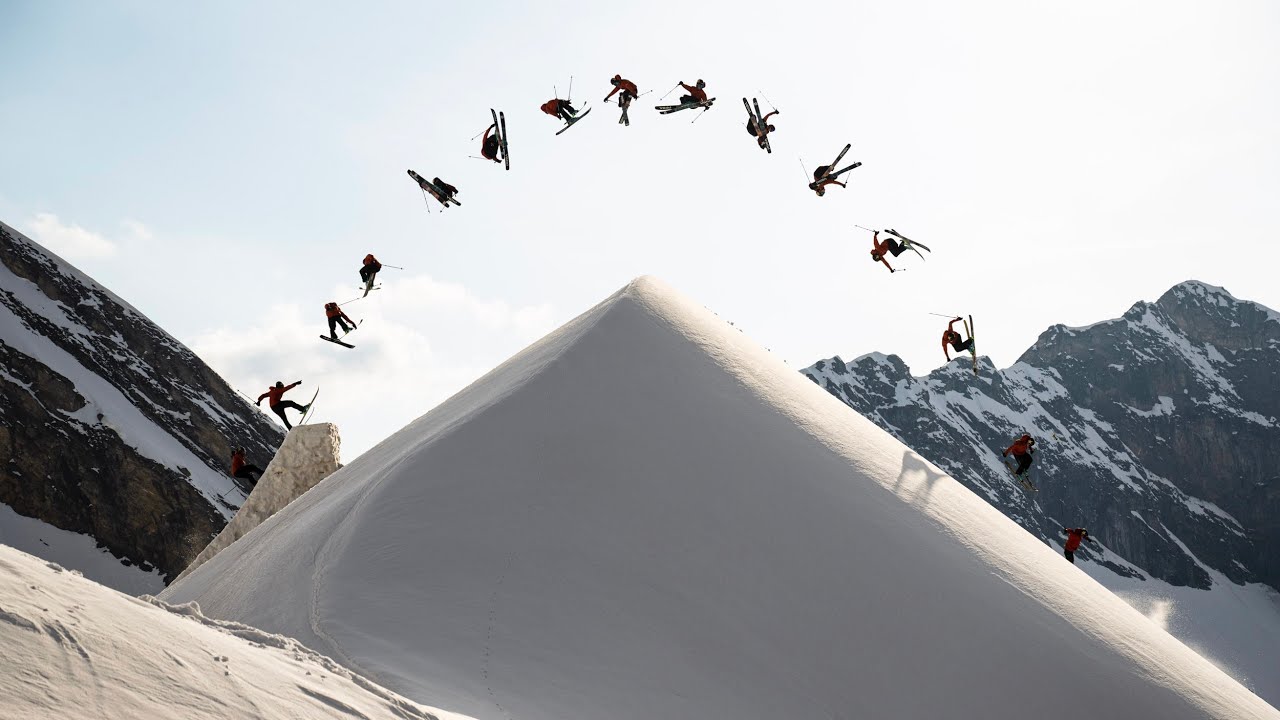
On skipowd.tv, Völkl is linked to videos featuring Alex Beaulieu-Marchand, Tom Ritsch and Whistler / British Columbia / Mammoth / Mt. Hood contexts. That makes the sponsor page especially relevant for freeride, backcountry, park and big-air audiences rather than only piste skiers.
Choosing Racetiger Peregrine Mantra Blaze Rise or Revolt
Choosing Völkl starts with terrain. If you ski mostly groomers and want maximum precision, Racetiger is the strongest direction. It is demanding, powerful and best for skiers who know how to carve properly. Peregrine is better for skiers who still want frontside power but need more versatility and less race-room intensity.
If you want one strong all-mountain ski, choose Mantra. Mantra 84 and 88 make sense for firmer resorts and piste-heavy days. M7 Mantra sits in the true all-mountain middle. Mantra 102 and 108 move toward freeride, soft snow and bigger terrain. If you want something lighter, easier and more playful, Blaze is the better Völkl choice.
If touring is the priority, Rise is the right family. Choose narrower Rise models for long climbs and mixed conditions, and wider options if soft snow matters more. If park, street, switch skiing or backcountry freestyle define your season, choose Revolt. Revolt 90 and 96 suit rails and jumps. Revolt 104, 114 and 121 bring that freestyle language into larger freeride terrain.
Why Völkl deserves a 5 out of 5
Völkl deserves a 5 out of 5 importance rating because it is one of the true pillars of ski manufacturing. It has more than a century of history, a strong Straubing identity, deep race credibility, iconic all-mountain skis, real freeride relevance, a modern freestyle line and a technology language that remains distinct.
The brand is not only old. It is still current. Racetiger, Peregrine, Mantra, Blaze, Rise and Revolt all speak to real skier needs in 2026: carving, all-mountain, freeride, touring and freestyle. The best Völkl skis still carry the same promise: precision first, stability under pressure and a strong connection between skier input and ski response.
On skipowd.tv, Völkl belongs as a core German ski manufacturer and a major global sponsor. Its value is the edge under pressure: the carve on ice, the freeride line through chop, the park landing, the touring transition, the race turn, and the feeling that a ski can be powerful, technical and creative at the same time.