Snowpark Zermatt
Alps
Switzerland
Swiss glacier freestyle venue above Zermatt | Known for: Theodul Glacier winter park, Furggsattel laps at 3250 m, Plateau Rosa summer setup, 1200 m winter line, 300 m summer park, Matterhorn backdrop and year round training culture | Season: October to mid May in winter park format plus July to mid October summer sessions depending on glacier conditions | Best for: park riders, summer camp skiers, rail crews, tutorial filming and athletes needing high altitude repetition
Theodul Glacier Laps At 3250 Meters
Snowpark Zermatt sits on the lower Theodul Glacier in the Matterhorn Ski Paradise, near the Furggsattel glacier lift at 3250 meters. The altitude is the first reason the venue matters. A park this high can open early, hold winter texture deep into spring and give skiers a reliable training surface when many non-glacier parks are still waiting for base depth or already closing for the season.
The park is reached from Zermatt through the Matterhorn Glacier Ride network or via the Furggsattel chair when operations allow. That upload places riders in a true high-alpine environment before the first feature. The Matterhorn, Klein Matterhorn, Testa Grigia and Theodul Glacier are not background decoration only. They define the daily reality: wind, glare, altitude, firm snow, lift holds and fast surface changes all shape the session.
Six Winter Lines And A 1200 Meter Park Spine
The official winter setup gives Snowpark Zermatt its strongest structure. The park is described with six creative lines over 1200 meters, built for different skill levels. The winter highlights include a beginner line with 12 jumps and 12 boxes, a rail garden with eight rails, a slopestyle line with three rails and three jumps, a boardercross piste and a funslope for beginners and advanced skiers. That variety makes the venue more than a single jump lane.
For freeskiers, the important word is progression. A rider can start with simple boxes and low-consequence snow features, move into rail garden attempts, then step toward intermediate or professional slopestyle features when speed, light and confidence match. The 1200 meter length creates real flow. It teaches how to land with direction, manage speed between modules and build a line instead of treating every feature as a disconnected trick.
Plateau Rosa Summer Sessions At 3480 Meters
In summer, the freestyle focus moves higher to Plateau Rosa at around 3480 meters. The official summer park runs between July and mid-October when conditions allow, with a 300 meter course rebuilt regularly. Its feature set is unusually dense for summer skiing: 15 rails, 7 boxes and 10 jumps, including small, medium and large options. The setup also includes a beginner slopestyle lane, medium slopestyle, ProLine, Triple Station, rail garden, transition park with mini-pipe feature and Mini Shred.
Summer changes the skiing. Sessions begin early because the best speed window is usually before midday. Takeoffs may need salt, run-ins can firm overnight, and landings soften once the sun gains strength. A good summer rider does not chase all-day volume. The better strategy is to choose two or three target features, lock speed quickly, film or repeat while the snow is supportive, then leave the glacier before the surface turns too slow or too fragile.
Matterhorn Glacier Paradise And The 3883 Meter Training Ceiling
Zermatt’s summer ski area reaches 3883 meters at Matterhorn Glacier Paradise, with up to 21 kilometers of summer pistes. That gives Snowpark Zermatt a wider training environment than the park footprint alone. Skiers can warm up on glacier pistes, test edges, check wax, then move into the park once the body and equipment feel right. In summer, that sequence is especially important because cold morning snow and high-altitude sun can create a narrow performance window.
The venue is also part of a larger glacier training culture. Zermatt Bergbahnen and Swiss-Ski have agreed on Theodul Glacier training infrastructure through 2034, which reinforces the area’s role as a long-term high-altitude ski base. That agreement is focused on ski racing rather than freestyle, but the signal is relevant. The glacier is managed as a serious training platform, not only a tourist novelty.
Ski Addiction Tutorials And High Altitude Repetition
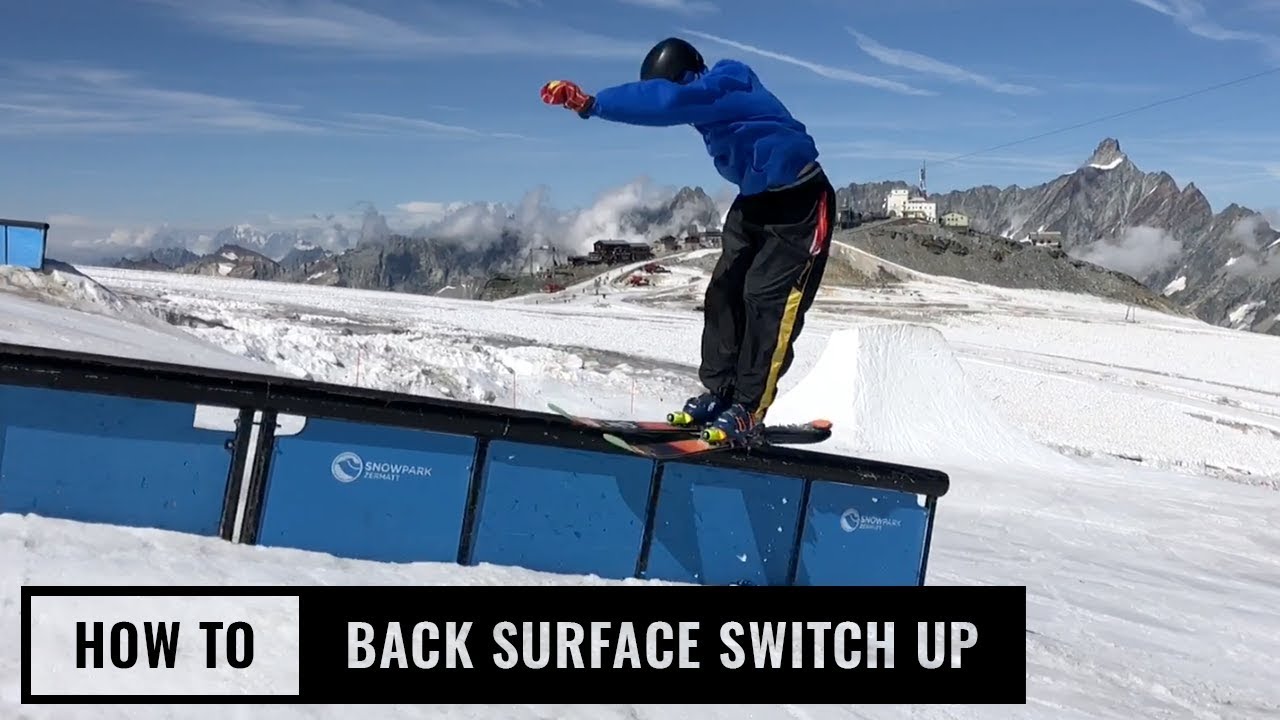
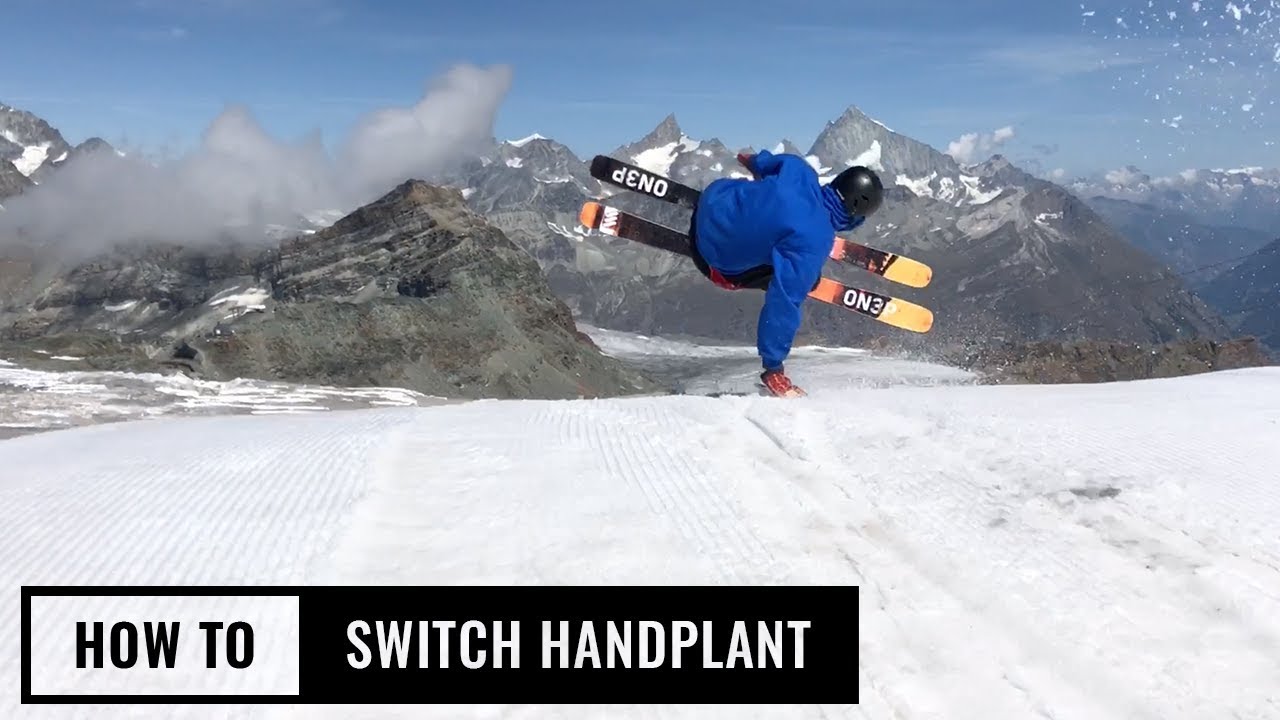
The verified skipowd.tv page already gives the park a clear archive role through Ski Addiction and Magnus Graner. Tutorial clips such as “How To Switch Handplant,” “How To Back Surface Switch Up On Skis” and “How To Jump Swoop Swerve On Skis” place the venue inside a teaching and progression context. That fits the park perfectly. Zermatt is a place where movements can be repeated in a clean lane, filmed from stable angles and broken down feature by feature.
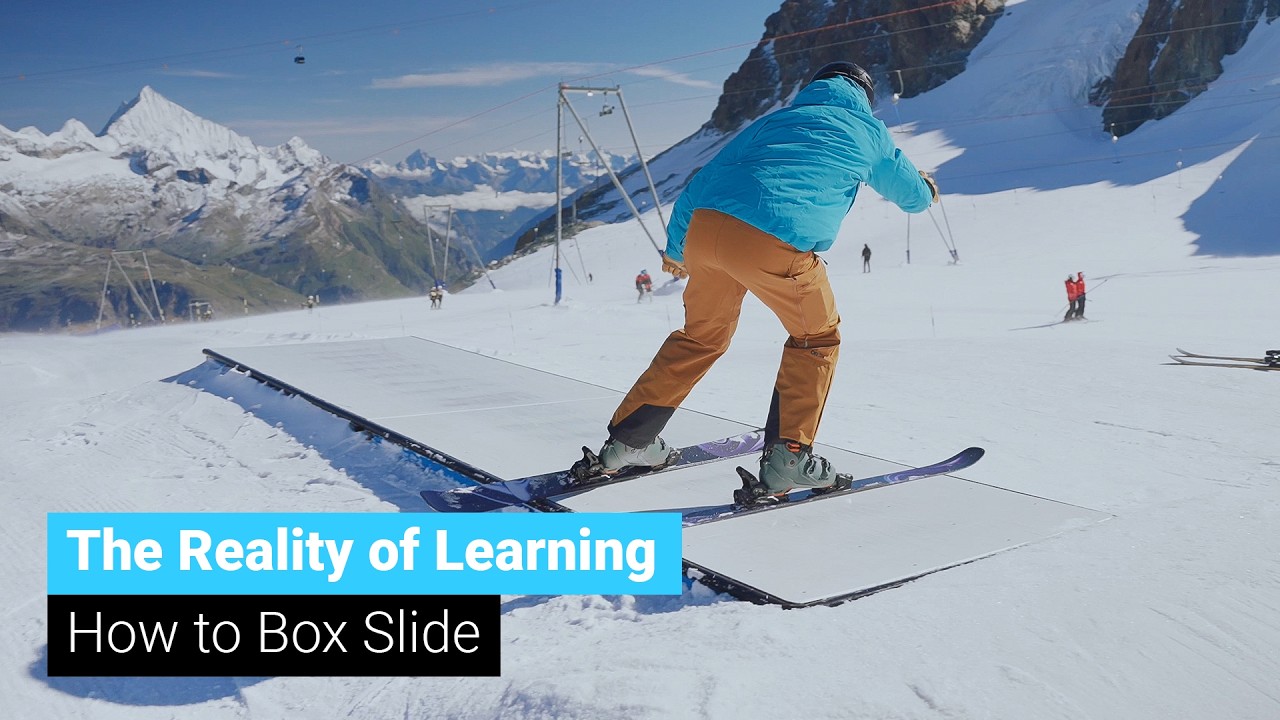
Tutorial content needs more than good scenery. It needs predictable takeoffs, enough feature variety, lift access that keeps riders moving and a park where the same trick can be attempted several times without the setup changing completely. Snowpark Zermatt offers that, especially in the glacier months when athletes and coaches are deliberately using the venue for off-season skill work. The park’s educational value is one of its strongest internal SEO angles.
Max Palm Manon Loschi And The Preseason Clip Layer
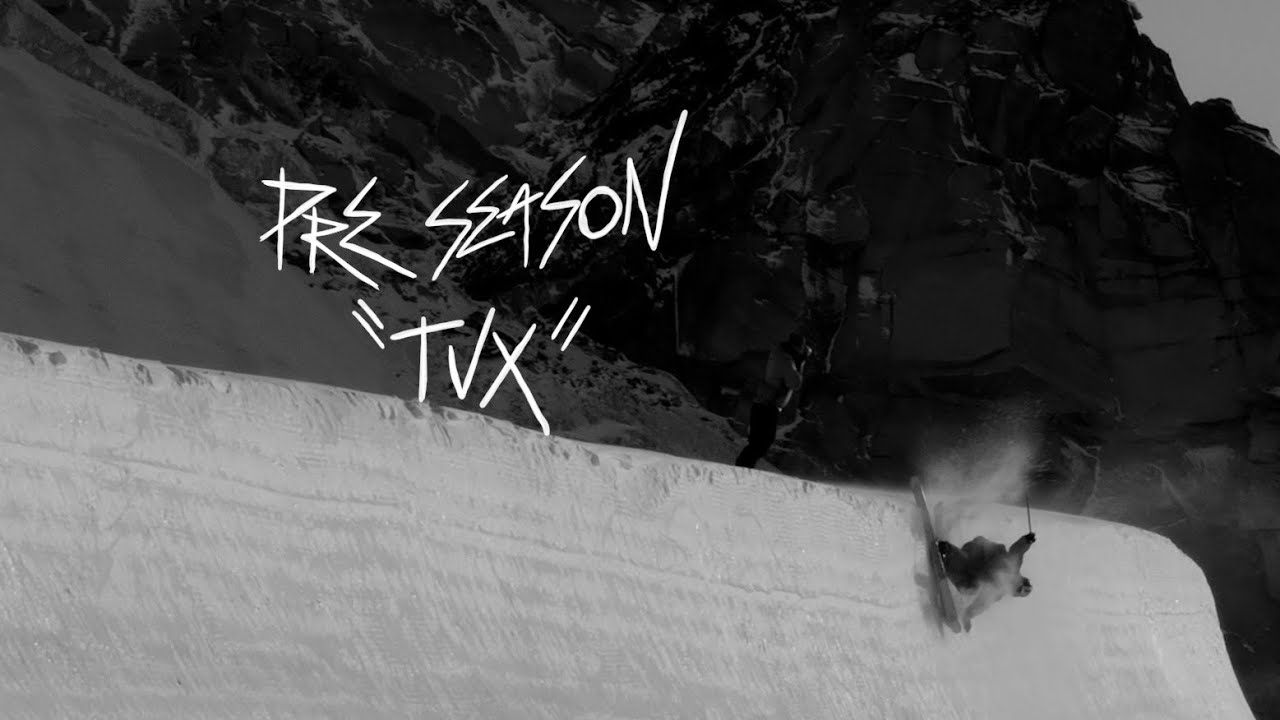
The page also connects Snowpark Zermatt with “pre season TUX ft. Max Palm, Manon Loschi and friends,” linking the venue to Max Palm and Manon Loschi. That clip gives the park a useful athlete layer beyond tutorials. Zermatt is not only for structured coaching. It is also a preseason gathering point where freeriders, park skiers and mixed crews can build early-season clips before the main winter calendar opens.
This role is specific. Snowpark Zermatt is not a stadium contest venue like X Games Aspen, and it is not a giant freestyle campus like Absolut Park. Its value is calendar power. Riders can return to snow early, test tricks, rebuild confidence, and film short pieces when lower parks are closed or not yet shaped. The glacier allows freeskiing to keep momentum across seasons.
Ez Panda Core Shots And The Downdays Media Thread
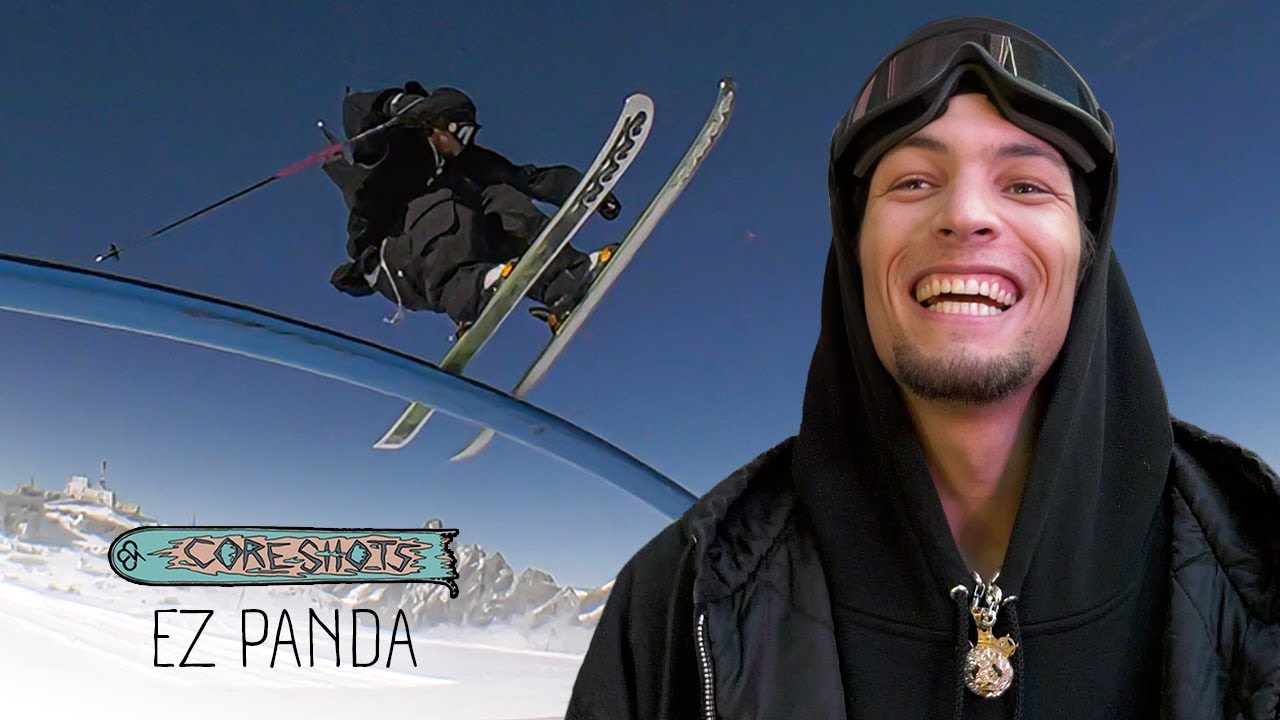
The 2026 clip “EZ Panda | Core Shots” gives the location another modern media signal. That internal listing connects Snowpark Zermatt with Isaac Simhon - Ez panda, Downdays and El Tony Mate. The value here is not only the number of videos. It is the type of footage: park, vlog, personal style and media-brand content all using the same glacier venue.
That makes Snowpark Zermatt a strong archive node for skipowd.tv. Five videos is not massive compared with Whistler Blackcomb or Sunset Park Henrik Harlaut, but it is meaningful for a single park venue. The page can connect tutorials, preseason edits, athlete clips and sponsor-led media in one place, while the wider Zermatt page handles the full resort and glacier destination story.
Car Free Village Logistics And Early Upload Discipline
Zermatt’s car-free structure shapes the day. Most travelers arrive by train, with drivers leaving vehicles in Täsch before taking the shuttle train into the village. For Snowpark Zermatt, the practical base is near the Matterhorn Express side of town, because early upload matters. Glacier park days reward riders who reach the lift system before wind, sun or traffic starts to reduce the useful window.
In winter, a park day can be built around Furggsattel laps and adjacent glacier pistes. In summer, the routine becomes stricter: wake early, check lift status, pack wax and water, ride the best snow before midday, then return to the village for recovery, footage review or dryland training. This is not a park where a relaxed late start always works. The mountain rewards precision, especially during summer operations.
Glacier Weather And Feature Speed
Theodul Glacier weather can change quickly. Wind can close lifts, flat light can make takeoffs hard to read, and high-altitude sun can turn a perfect morning line into a slow afternoon surface. Riders should treat speed as a changing variable, not a fixed number. One inspection lap, one speed lap and one feature-specific plan will usually produce a better session than rushing straight into the largest line.
Altitude is part of the safety equation. At 3250 meters in winter and around 3480 meters in the summer park, fatigue can arrive faster than expected. Hydration, sunscreen, lenses for glare, warm layers and realistic session length all matter. The park may be shaped and public, but the environment is still glaciated, cold, exposed and serious. A clean trick late in the morning is worth more than a sloppy attempt after the snow and legs have gone.
Ropes Crevasses And Swiss Avalanche Awareness
Snowpark Zermatt sits in a managed ski area, but the surrounding glacier terrain must be respected. Rope lines, closures and marked routes exist because crevasses, seracs, wind loading and poor visibility are real hazards outside secured corridors. Riders should never leave the managed park or piste network to scout a landing, shortcut a return or film near glaciated terrain without proper knowledge and guidance.
For any off-piste objective beyond the park, the Swiss avalanche bulletin from SLF should be checked before the day starts. Beacon, shovel, probe, glacier awareness and qualified partners become necessary beyond controlled terrain. Inside the park, etiquette is the main safety system: inspect features, call drops, clear landings, stay out of blind zones and respect reshapes. High-altitude parks only work when everyone protects the line flow.
The Snowpark Zermatt Reason For Freeskiers
Snowpark Zermatt matters because it turns glacier altitude into long-season freestyle progression. The winter park near Furggsattel gives 1200 meters of lines at 3250 meters. The summer park at Plateau Rosa gives 300 meters of dense features at around 3480 meters. Matterhorn Glacier Paradise lifts the wider ski area to 3883 meters. That combination creates a rare European venue where a skier can train in autumn, ride winter lines, return in spring and keep trick work alive through summer.
For skipowd.tv, Snowpark Zermatt deserves a 4/5 venue profile. It has verified internal video presence, official year-round freestyle positioning, strong Zermatt context, tutorial value, athlete links and a high-altitude park identity that few venues can match. It stays below the highest regional tier because it is a specific park rather than a full destination system, but as a freestyle venue it is highly important: Snowpark Zermatt is the Swiss glacier park where rails, jumps, summer sessions and disciplined high-altitude repetition meet under the Matterhorn.