Paul Bergeron
Lac-Beauport, Québec | Former professional street and park skier, filmmaker, and B&E / Inspired Media figure | Public markers: NSF Productions, ESK Media, Salomon Freeski TV, Jib Roadtrip, Stept, Inspired Media, Let It Flow, B&E Invitational, Keynote Skier, BE Inspired, Tempo
Le Relais Rails In The Québec Cold
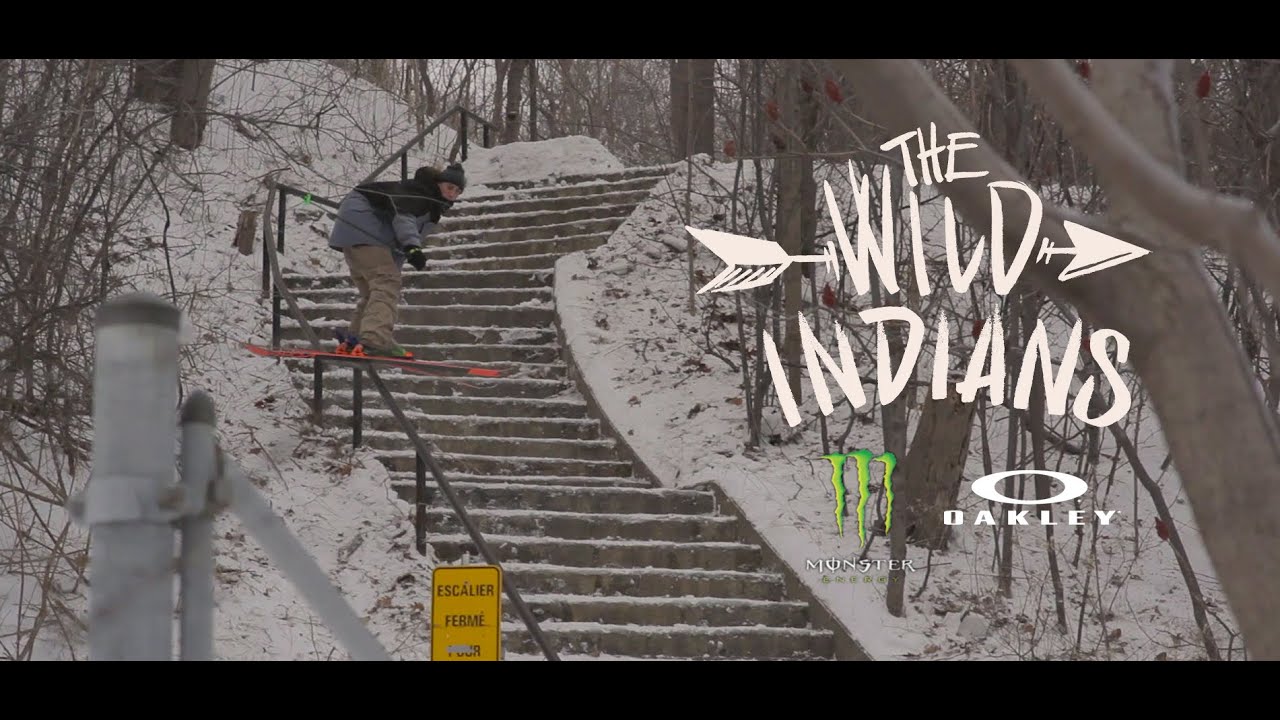
The rail at Le Relais looked harder than the snow around it, its steel edge ringing through the Québec cold before Paul “B-Paul” Bergeron rode away with the loose shoulders of a skier who never wanted the trick to look forced. That was the center of his appeal. Bergeron came from Lac-Beauport, from small-hill laps, icy setups, and a local freestyle scene that valued feel as much as difficulty. His skiing did not need a World Cup bib to travel. It moved through videos, crews, web edits, and the strange way one slow, clever trick can change how young skiers look at a feature.
Lac-Beauport Before The Internet Made Him Wider
Bergeron’s public story begins around Lac-Beauport and Le Relais, a Québec setting that shaped the way he skied rails, small jumps, and street-style features. Newschoolers and The Mayrand Podcast describe him as a Canadian ex-pro skier who grew from a local rider into one of the most respected style skiers of his generation. That rise matters because Québec freestyle skiing had its own grammar: cold nights, short vertical, urban architecture, dense crews, and a culture where skiers could learn from each other every day without needing huge terrain. Bergeron came from that pressure cooker, and his skiing kept its Québec accent even when the projects moved across borders.
NSF, ESK, And The Local Crew Engine
Before the Inspired and B&E era, Bergeron made noise through Québec crews such as NSF Productions and ESK Media. Those projects were crucial because they built a bridge between local skiing and the larger online freeski audience. A skier did not need a federation result to matter in that world. He needed clips that people replayed, tricks that looked different, and enough personality for the footage to carry past the local hill. Bergeron’s early footage gave him exactly that. It showed a skier who understood rails, but also understood pacing: how to make a trick breathe, how to avoid rushing a style moment, and how to let the spot shape the move.
Jib Roadtrip From Halifax To Aspen
Salomon Freeski TV gave Bergeron one of his clearest mainstream web-series chapters with Jib Roadtrip in 2010. The episode placed James “Woodsy” Woods and B-Paul on a two-week North American jib trip from Halifax, Canada, to the X Games in Aspen, Colorado. Along the way, they met skiers including Charles Gagnier, Jenn Crichton, Corey Vanular, Cody Ling, Willie Borm, Matt Walker, Bobby Brown, Kaya Turski, Simon Dumont, and Sammy Carlson. That route says a lot about Bergeron’s position. He could move through the street and park world beside contest stars, film skiers, and Québec originals without changing the identity of his own skiing.
How B-Paul Made Style Look Unhurried
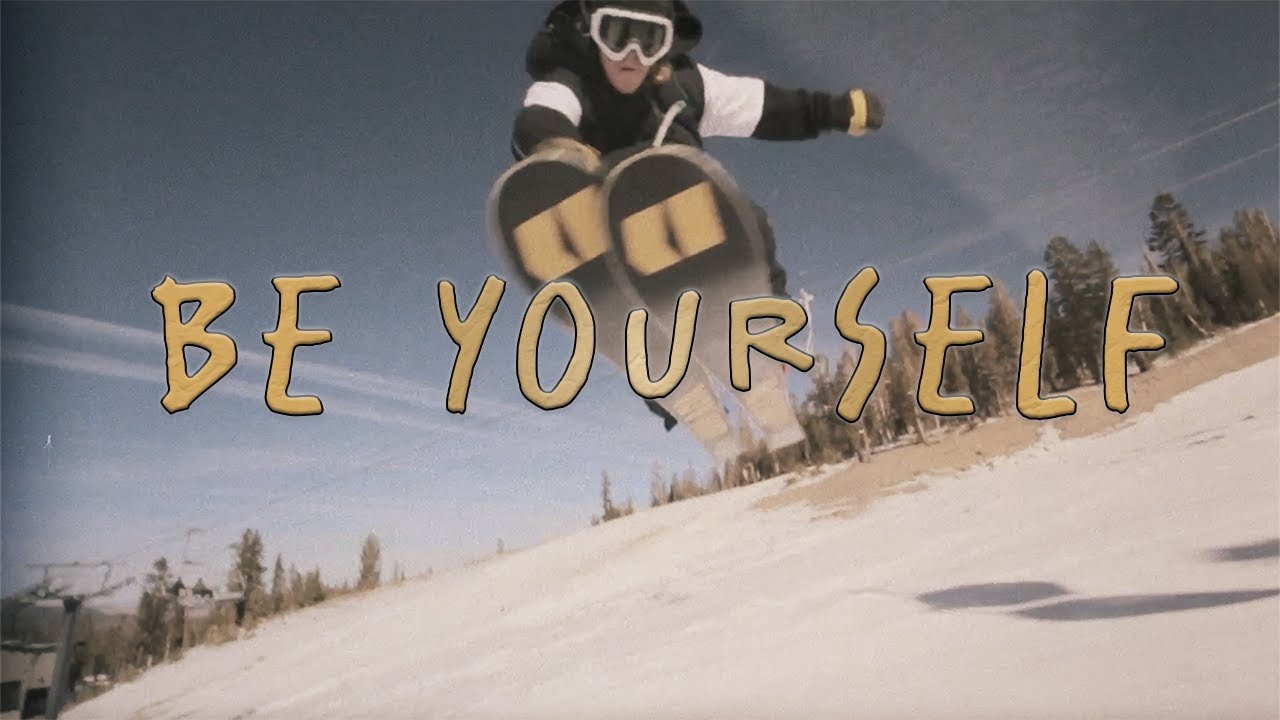
Bergeron’s technical identity belongs to rails, butters, slow rotations, lazy boys, nose and tail pressure, switch direction, handrail timing, small-feature pop, and the kind of trick selection that rewards a second viewing. His skiing was not about stacking the largest spin possible. It was about making movement look chosen. A rail trick could have a pause inside it. A takeoff could feel casual without being careless. A landing could carry a little drift and still be exactly right. That is why he sat naturally beside skiers such as Phil Casabon, Henrik Harlaut, Brady Perron, JF Houle, Will Wesson, and James Woods. They were not identical skiers, but they understood the same language: style first, then difficulty.
Inspired Media And The Demo Tour Years
Inspired Media brought Bergeron into one of freeskiing’s strongest style-focused circles. ESPN described the 2013 Inspired Demo Tour as a road project involving Henrik Harlaut, Phil Casabon, and Paul Bergeron, with edits and episodes planned by Eric Iberg’s company across multiple states. Other coverage placed the crew at local hills such as Elm Creek and Tyrol Basin, where young skiers could see that kind of skiing up close. The rough weather, small features, and local park settings actually helped the point. Inspired was not only about elite terrain. It was about showing that creativity could happen at ordinary hills if the skier had enough imagination.
Let It Flow And The B&E Philosophy
Let It Flow: The B&E Movie, released in 2013, gave that philosophy a full film shape. The project was directed and edited by Phil Casabon and Henrik Harlaut, produced by Inspired Media Concepts, and featured Casabon, Harlaut, Paul Bergeron, and Brady Perron. The film’s own description framed it as eleven months of work built around creative freedom in skiing, filming, editing, and music. Bergeron’s presence inside that cast is important because B&E was not a normal team movie. It was a style manifesto: less about winning a format, more about moving through neighborhoods, states, countries, and continents with tricks that felt personal.
The B&E Invitational At Les Arcs
The B&E Invitational put Bergeron’s style into a contest-adjacent format without stripping away its personality. Newschoolers listed him on the event profile as Paul Bergeron, also known as B-Paul, born April 21, 1991, shredding Le Relais, Québec, with APO, D-Structure Proshop, and iFound as sponsors. Skieur.com later described the event at Arcs 1800 as built for lovers of style, naming Bergeron’s lazy boy alongside Émile Bergeron’s double cork 810, JF Houle’s rodeo tail, and Parker White’s backflips. That contrast is the key. B&E was not a standard slopestyle score chase. It made room for skiers whose best tricks could be slower, stranger, and more individual.
Candide, Tanner, Henrik, Phil
Bergeron’s stated influences help explain the way his skiing developed. The B&E profile lists Candide Thovex, Tanner Hall, Henrik Harlaut, and Phil Casabon as inspirations, alongside family and friends. That combination is precise. Candide brought terrain intelligence and invisible control. Tanner brought style and rebellion. Henrik brought technical creativity with a strong visual identity. Phil brought a Québec-rooted approach to rails, butters, music, and flow. Bergeron did not copy one of them. He absorbed pieces of all four and turned them into a softer, slower, rail-heavy style that felt fully connected to his own background.
Injuries Changed The Shape Of The Career
The Mayrand Podcast summaries describe Bergeron dealing with multiple injuries before transitioning toward filmmaking. A 2011 Skipass forum post quoting his official site captured one of those physical turning points: a blown knee at Mammoth after landing back seat on the bottom jump. Injuries are common in freestyle skiing, but for a style skier they can be especially brutal. The body has to stay loose, patient, and precise. Knees absorb awkward rail landings, flat drops, and failed spins. Bergeron’s later career makes more sense through that lens. The camera did not replace skiing because the skiing lacked value. It became a way to keep shaping the culture when the body could not take the same punishment.
From Skier To Filmmaker
Bergeron’s post-pro identity is strongly tied to filmmaking. Mayrand’s episode notes reference projects such as Keynote Skier, BE Inspired, and Tempo, and ESPN credited Paul Bergeron with Camron Willis as filmer/editor for Émile Bergeron’s X Games Real Ski 2020 entry. That detail matters because it places him behind the lens for a newer Bergeron generation and keeps his style knowledge alive in the edit. A good street-ski filmer has to understand timing, impact, body position, and what makes a clip feel right. Bergeron had learned those things as a skier first. His filmmaking carries that lived fluency.
Québec’s Style Lineage Around Him
Bergeron belongs to a Québec lineage that includes Phil Casabon, JF Houle, Vincent Gagnier, Émile Bergeron, Charles Gagnier, and other skiers who treated rails and jumps as places for expression rather than only measurement. The province’s urban terrain and compact resorts helped create a culture where skiers could make something meaningful out of modest features. Bergeron’s role in that history is not measured by Olympic starts or World Cup medals. It is measured by the way his name appears whenever the conversation turns to style-first skiing, B&E, Inspired, and the Québec scene that fed so many influential video parts.
Bikes After Skiing
The current public record also shows a wider outdoor life after professional freeskiing. Bikepack Adventures featured Bergeron in 2025 as an avid cyclist with a freeskiing background who turned toward biking after a severe accident. The episode focused on a father-and-son ride along the Great Divide Mountain Bike Route, adding another chapter to a career shaped by movement, injury, recovery, and travel. That detail should not erase the ski story. It gives it an honest ending. Bergeron did not simply vanish from public sport culture; he shifted into another endurance-based way of crossing terrain.
The B-Paul Ledger
Paul Bergeron fits skipowd.tv as a 4/5 historical street and style profile. He should not be written as an Olympic, X Games medal, or World Cup résumé athlete. The verified weight sits elsewhere: Lac-Beauport roots, NSF and ESK footage, Salomon Freeski TV, Jib Roadtrip, Stept, Inspired Media, Let It Flow, B&E Invitational, Québec style culture, injuries, filmmaking, and later bikepacking. His page should close on that exact truth: B-Paul helped make slow, clever, Québec street skiing feel important enough to last beyond the clip that first showed it.