Beau-James Wells
Wanaka, New Zealand | Active competition record: 2011-2021 | Known for: Sochi 2014, PyeongChang 2018, Dew Tour silver, Junior World titles, Wells Brothers films | Current focus: filmmaking, park skiing, creative freeski projects
PyeongChang Snow With A Medal One Run Away
The halfpipe at Phoenix Snow Park cut a blue-white trench under Korean winter light. Beau-James Wells dropped into his third Olympic final run needing amplitude, clean doubles and enough composure to make the judges look twice before New Zealand’s medal story closed.
His 91.60 at PyeongChang 2018 put him fourth in men’s freeski halfpipe, one place behind Nico Porteous and just outside the Olympic podium. The result still stands as the sharpest competition moment of his career: a run delivered under flag-bearer pressure, in a final won by David Wise, with Alex Ferreira second and Porteous taking bronze for New Zealand.
Dunedin Birth, Wanaka Snow, Wells Family Gravity
The New Zealand Olympic Team lists Wells as born in Dunedin in 1995, but the skiing story belongs to Wanaka. The mountains around Cardrona and the Southern Lakes gave the Wells brothers a training ground before New Zealand became a regular freeski reference on Olympic broadcasts.
Beau-James grew inside one of skiing’s most visible family systems. Jossi, Byron and Jackson Wells were never background characters; they were part of the pressure, the comparison and the shared language. That family context could have swallowed a younger skier. Instead, Beau-James built a halfpipe identity first, then a film identity that now sits beside the brothers rather than behind them.
Innsbruck Before The Senior Heat
The first Olympic-stage marker came at the Innsbruck 2012 Winter Youth Olympic Games. Wells qualified first in boys’ halfpipe with 82.50, then finished fourth in the final with 85.5. That result gave him an early pattern that would repeat later: high-level finals, clean enough skiing to pressure the podium, and one place short of the medal table.
At that stage, freeski halfpipe was still settling into its Olympic shape. The discipline rewarded amplitude, alley-oops, switch hits, double-cork control and a balance between execution and style. Wells had enough pipe skill to look ready before he had the full senior experience that would arrive two years later in Russia.
Sochi And The First Olympic Final
Sochi 2014 gave Wells two events and two very different results. In slopestyle, he finished 21st in qualification with 66.60 and did not make the final. In halfpipe, he qualified 10th, reached the final, and finished sixth with an 80.00 second run.
That halfpipe final mattered because Beau-James was still a teenager facing skiers already carrying larger international reputations. The Rosa Khutor pipe ran under heavy Olympic pressure, with speed management, wall height and landing strength deciding who survived both the conditions and the judging. Sixth place was not a medal, but it established him as more than the younger Wells brother in the bib.
Valmalenco And The Junior World Double
The same 2014 season produced a second defining result. At Valmalenco, Italy, Wells won the Freeski Halfpipe Junior World Championship, giving New Zealand its first junior world title in the discipline. Snow Sports NZ reported that he had qualified first, then needed to lift his final run with Swiss skier Joel Gisler close behind.
He defended that junior world title in 2015, again in Valmalenco, leaving the junior ranks with back-to-back golds. Those titles should not be treated like senior World Championship medals, but they explain why New Zealand placed real expectation on him. Wells had already shown he could convert pressure into a winning halfpipe run before the Olympic near-miss years arrived.
Dew Tour Silver Against Wise
The strongest non-Olympic contest result came at Dew Tour in December 2015. David Wise won the superpipe, and Beau-James Wells finished second with a run that included three double corks. That detail is important because it places his skiing inside the high-difficulty halfpipe direction of the period.
Three double corks in one run meant he was not surviving on style alone. The run needed rotation control, wall speed, landing precision and enough variety to satisfy judges already accustomed to Wise, Ferreira, Yater-Wallace and other pipe specialists. Wells’ halfpipe skiing had a mellow visual tone, but the trick list underneath was demanding.
The Knee Years And The Fourth-Place Return
Injuries became part of the middle of Wells’ career. HPSNZ described a serious knee injury that forced him to take time off snow, during which he studied personal training and later continued into sport and exercise through Massey University. That break changed the rhythm of his athletic life.
The return made PyeongChang sharper. He came back into the Olympic cycle after injury, qualified fifth in halfpipe, then landed fourth in the final with a third run that nearly entered New Zealand winter-sport folklore. The result was painful because it was so close, but it also showed that the injury years had not taken away his ability to produce a major run when the pipe was loudest.
How Beau-James Made Halfpipe Look Loose
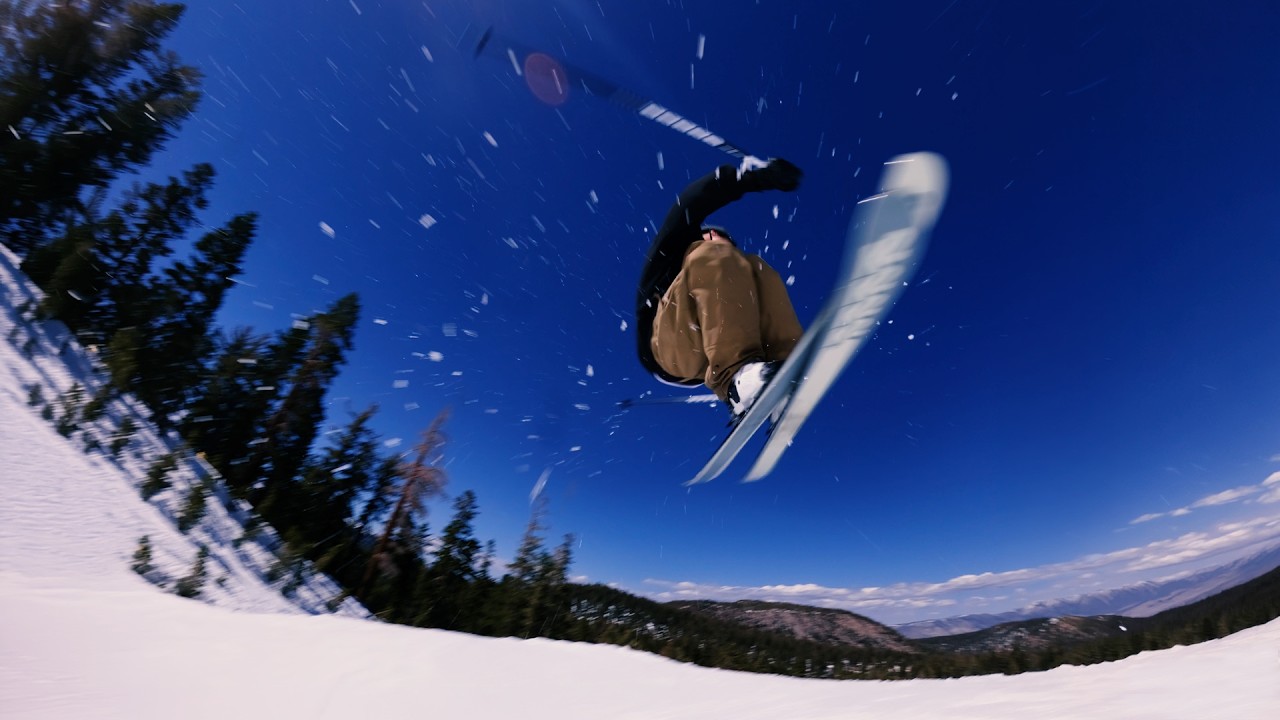
Wells’ halfpipe style was built on a contrast: relaxed posture above a very technical base. He could make amplitude look unforced, then hide the work inside double corks, switch hits, grabs held long enough to read and landings that did not look panicked.
That looseness separated him from skiers whose runs felt assembled feature by feature. In a halfpipe, the wall gives no pause. Every landing becomes the setup for the next hit. Wells’ best skiing carried speed without looking rushed, which is why his later film work made sense. The same eye that made a pipe run flow could later shape a park edit, a slushy backcountry kicker and a Cardrona crew project.
From Atomic Skis To Cardrona Support
Wells’ 2021 Oyuki interview named Monster Energy, Oakley, Atomic, Oyuki and Cardrona as sponsors supporting him through the transition away from competition. That list connects the two halves of his career: the contest skier with Atomic underfoot, and the Wanaka-based filmmaker still tied to Cardrona terrain.
The official FIS profile does not provide a detailed equipment setup, so the page should avoid guessing boot models, binding settings or exact ski lengths. The safe equipment context is broader. His skiing required a halfpipe-ready setup during the Olympic years, then a more versatile park and film approach once he moved into creative projects across New Zealand, Austria, Japan and North America.
Leaving The Bib For The Camera
In August 2021, Wells announced through Oyuki that he was moving away from competitive halfpipe skiing after 11 years and focusing on video parts and projects. The wording matters because it was not a disappearance from skiing. It was a change of job inside the same culture.
That transition placed him behind and in front of the camera. Bracket Creep, released in 2023, was made by Beau-James and Jackson Wells, shot in Wanaka, and listed Beau-James as producer, filmer and editor. Servus! followed from Patscherkofel in Austria, with Kai Mahler, Simo Peltola, Olivia Asselin, Lisa Zimmermann, Ferdinand Dahl, Joona Kangas and Øystein Bråten in the edit.
Cardrona, Nordkette, Birthright
The post-competition catalogue now defines the second act. Underbelly Raw Files showed Beau-James, Jackson Wells and Joona Kangas sessioning a slushy backcountry kicker at Nordkette above Innsbruck. Protection Racket, released in 2024, brought the lens back to Cardrona with Kai Mahler, Wacko Wells, Joona Kangas, Quinn Wolferman, Ferdinand Dahl, Finn Bilous, Elias Syrjä, Tom Greenway, Ben Barclay, Felix Klein, Dane Kirk, Édouard Therriault and Jossi Wells.
Birthright arrived in 2025 as another Wells Brothers project, produced by Beau-James, Jackson, Byron and Jossi. Mountainwatch described it as a film with low-tide spring conditions in New Zealand plus shots in California, Wyoming and Austria. The pattern is clear: Wells is using his Olympic credibility to build films, not to relive the halfpipe tour.
The Wells Brothers Frame Still Expands
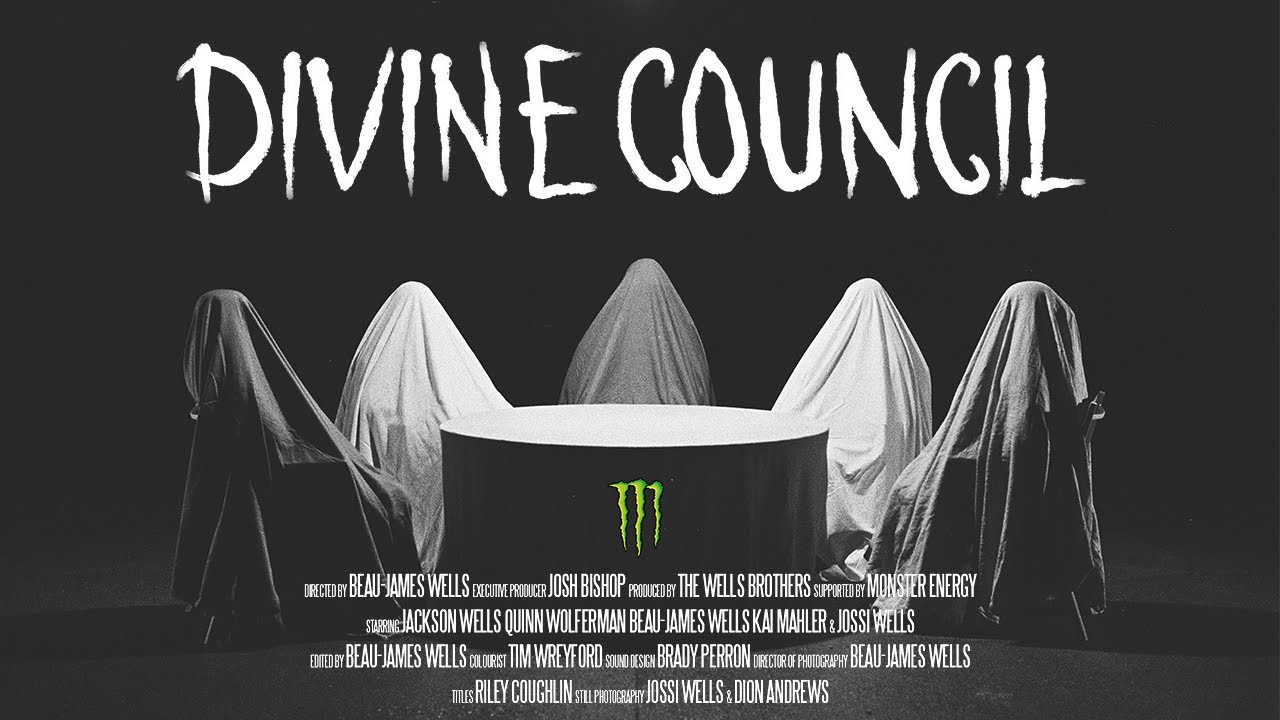
Divine Council, listed on Newschoolers in December 2025, placed Beau-James even more firmly in the author role. The project credits him as director, editor and director of photography, with the Wells Brothers producing and Monster Energy supporting. The cast included Jackson Wells, Quinn Wolferman, Beau-James Wells, Kai Mahler and Jossi Wells.
That current endpoint gives skipowd.tv a clean archive structure: Olympic halfpipe finalist, two-time Junior World Champion, Dew Tour silver medalist, then filmmaker inside the Wells Brothers universe. Future updates should track new films, Cardrona sessions, Wells Brothers releases, and any project where Beau-James is credited not only as a skier but as director, editor or cinematographer.