Austria
Alps
Austria
Alpine ski region across Tirol, Salzburg, Vorarlberg, Styria and Carinthia | Known for: Ski Arlberg freeride, Stubai Zoo, Absolut Park, Kitzsteinhorn, Sölden glaciers, Fieberbrunn FWT, Innsbruck access and long glacier seasons | Season: October to May at many glacier venues, December to April for most resorts | Best for: park riders, freeriders, glacier training crews, contest athletes, road trip skiers and film crews moving between high alpine venues
Arlberg Snow And The Austrian Freeski Spine
Austria’s freeski map starts with altitude, density and lift-linked variety. The country does not rely on one destination to carry its ski identity. Tirol, Salzburg and Vorarlberg form a tight Alpine network where a skier can move from glacier park laps to deep snow routes, from valley towns to international contests, and from early-season training to spring filming without leaving the country. The verified skipowd.tv Austria page already reflects that range through resort discovery, street, park and teaser-trailer video links.
Ski Arlberg gives Austria its classic big terrain reference. The official ski area describes 300 kilometers of slopes, more than 200 kilometers of deep-snow runs and 85 lifts linking St. Anton, St. Christoph, Stuben, Lech, Zürs, Warth and Schröcken. That scale matters because it combines old Alpine ski culture with real freeride options. St. Anton carries steep Tyrolean energy. Lech and Zürs bring high-alpine access and snow reliability. Warth and Schröcken add storm-heavy northern exposure when the right systems arrive.
St Anton Lech And The 200 Kilometer Deep Snow Network
The Arlberg is Austria’s most important freeride school. Marked routes, lift-fed bowls, sidecountry traverses, north-facing powder pockets and long valley returns make it a place where strong resort skiers can learn how quickly managed terrain becomes serious terrain. The Galzig, Valluga, Rendl, Zürs and Warth sectors all create different snow decisions, and that is the point. Freeriding here is not one face. It is a network of aspects, wind patterns and routes that change throughout the day.
For skipowd.tv, the Arlberg gives Austria depth beyond park and glacier culture. A crew can film chalk turns in the morning, wait for visibility on a high route, then drop into a lower tree section before après traffic takes over the valley. It also gives the country a historical weight that park-only regions cannot match. St. Anton helped define modern Alpine ski technique in the early twentieth century, and that heritage still sits under every modern freeski lap.
Stubai Zoo And The November World Cup Start
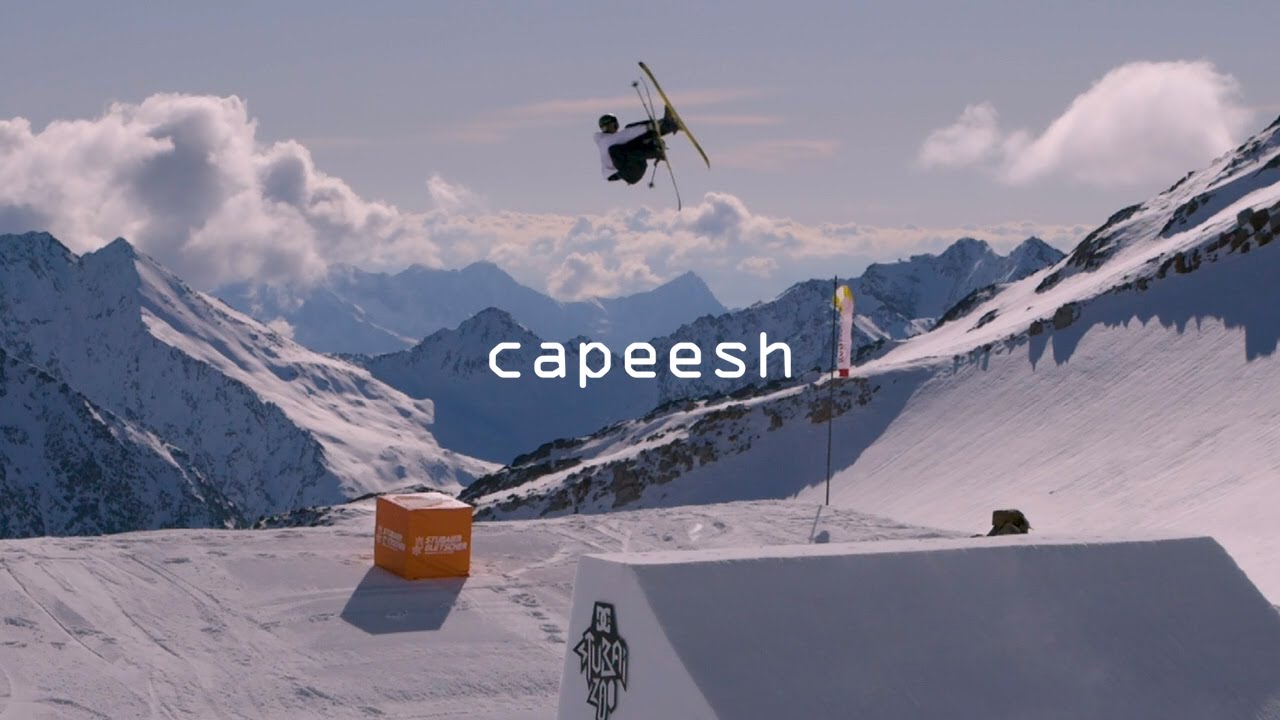
Stubai Zoo gives Austria one of Europe’s clearest early-season park identities. The Stubai Glacier event page lists the FIS Freeski World Cup Stubai from November 19 to 22, 2025, returning to Stubai Zoo for an eighth time. That timing matters. While many resorts are still waiting for full winter depth, Stubai can stage slopestyle features at altitude and give riders a first serious test of the Northern Hemisphere season.
The park’s role is larger than one event week. Stubai sits close to Innsbruck, which means athletes, media crews and national teams can reach glacier training without feeling isolated. The Gaiskarferner and Gamsgarten areas support a seasonal park rhythm: bigger autumn builds when snow and shaping allow, then spring-style public progression lines as the winter deepens. For freeskiers, Stubai is not only a place to ride. It is a calendar marker. When Stubai turns on, the European park season has begun.
Absolut Park And The Flachauwinkl Freestyle Campus
Absolut Park is Austria’s most complete purpose-built freestyle venue. The official park site describes a 1.5 kilometer park, seven sections and around 100 obstacles, maintained daily by a shaping crew. That scale gives Flachauwinkl a different role from a normal resort snowpark. It works like a campus: rail riders, jump skiers, crews, contests and visiting pros can all find a line that fits the day.
The park’s value is repetition with structure. A rider can start in beginner or medium zones, step into rail sections, move toward the Kicker Line, and still keep the session inside one organized environment. That is why Absolut Park has become a reference for European crew skiing. It supports serious filming, but it also remains useful for riders who are not yet ready for World Cup features. The venue’s strongest quality is range: it can host high-level projects without losing its progression ladder.
Kitzsteinhorn And The Salzburg Glacier Engine
Kitzsteinhorn gives Austria a high-altitude bridge between park, freeride and long-season skiing. The skipowd.tv page places the glacier above Zell am See and Kaprun, with the Top of Salzburg at 3029 meters, a multi-zone snowpark program, freeride routes and autumn-to-spring operations. That combination is rare. Many resorts have either park structure or freeride terrain; Kitzsteinhorn has both in a glacier setting.
For skiers, the practical appeal is timing. Early season can bring Glacier Park laps while lower resorts are still building base. Midwinter can bring freeride routes, pipe sessions and storm resets. Spring can extend park mileage when lower venues are soft or closed. The five signposted freeride routes, beacon checkpoints and glacial terrain also make the mountain a useful teaching environment for skiers who want to move beyond the park without jumping straight into unmanaged objectives.
Tyrolean Glaciers From Sölden To Kaunertal
Austria’s glacier network is one of its biggest freeski advantages. Tirol’s five major glacier ski areas are Kaunertal, Pitztal, Sölden, Stubai and Hintertux, with roughly 300 kilometers of slopes across the group. Sölden is the high-profile Ötztal name, built around the BIG3 summits of Gaislachkogl, Tiefenbachkogl and Schwarze Schneid, with two glacier areas and a long season that supports training, filming and early-winter mileage.
Kaunertal and Hintertux add different freestyle roles. Kaunertal has long served as a creative glacier park and opening-week culture venue, while Hintertux remains famous for all-year skiing and summer snow access. Pitztal is more race and high-altitude focused, but it adds another weather option in the same Tyrolean orbit. This glacier density means Austria can stay relevant before and after the classic winter window. A skier can start a season in October, build strength through November, chase powder in January and return to high snow in April or May.
Fieberbrunn Wildseeloder And The Freeride World Tour Face
Saalbach - Hinterglemm - Leogang - Fieberbrunn gives Austria one of its strongest modern freeride and resort-volume combinations. The Fieberbrunn Pro uses Wildseeloder, listed by the Freeride World Tour at 2119 meters, with 583 meters of vertical drop and an average gradient of 48 degrees. The venue has been a classic FWT reference because it is technical without being only huge. Riders must link chutes, cliffs, exposure and snow management rather than simply point down one open face.
The wider Skicircus adds useful contrast. Saalbach and Hinterglemm create high-mileage resort flow, Leogang adds park and jump progression, and Fieberbrunn supplies the freeride arena. That mix is valuable for a regional Austria profile because it shows the country’s range inside one connected domain: groomer speed, family travel, snowpark sessions, FWT terrain and easy valley movement. It is a full Alpine playground rather than a single-discipline venue.
Ischgl Sölden And The High Energy Resort Belt
Ischgl - Samnaun adds cross-border scale and spring energy. The Silvretta Arena links Austria with Samnaun in Switzerland, with high-alpine terrain, a central park around Idalp and long late-season operations. For freeskiers, Ischgl is useful because it converts scale into movement: park laps, chalky high panels, big resort circuits and spring filming can all fit into one day when lifts and weather align.
Sölden brings another kind of intensity. Its glacier road, early World Cup racing identity, high summits and Giggijoch-side park give the Ötztal a training and filming flavor that differs from the Arlberg or Salzburg parks. A skier can use Sölden for hard snow, altitude, pre-season speed checks, jump repetitions and high-mountain scenery. It is not the quietest Austrian resort, but it is one of the most efficient when the goal is to stack footage and mileage above 3000 meters.
Innsbruck Nordkette And City To Snow Geography
Innsbruck gives Austria a city-to-snow advantage that few Alpine countries can match at the same density. Nordkette rises directly above the city, while Stubai, Axamer Lizum, Kühtai, Patscherkofel and other resorts sit within practical reach. That geography changes the ski lifestyle. Riders can study, work or film in an urban environment, then reach high terrain without committing to a remote village week.
For street and park crews, that matters. Innsbruck has universities, rail stations, concrete, city light and winter infrastructure, while the surrounding mountains provide glacier and resort backups. A bad park weather day can become a city scouting day. A cold urban night can become a rail session. A clear morning can become Stubai or Nordkette. Austria’s ski culture is not only old villages and lifts. It is also a living urban mountain system.
Matej Svancer And The Austrian Park And Pipe Signal
Matej Svancer gives modern Austria its strongest freeski athlete marker. His verified skipowd.tv profile connects him with big air, slopestyle, X Games, World Cup wins, the 2024 2025 Park and Pipe Crystal Globe and Olympic bronze in 2026. That career matters because Austria has historically been associated with alpine racing and resort tourism, but Svancer places the country firmly inside contemporary freestyle skiing.
Austria’s athlete pathway now looks broader than it did a decade ago. Stubai and Absolut Park provide event and training infrastructure. Innsbruck gives lifestyle access. Sölden and Kitzsteinhorn provide high-altitude repetition. Fieberbrunn gives freeride credibility. For a young Austrian skier, the country offers more than racing gates. It offers a real park, pipe, big air and freeride map, with enough venues to keep a full season moving.
Skipowd Archive Links From ITS THAT To Resort Discovery
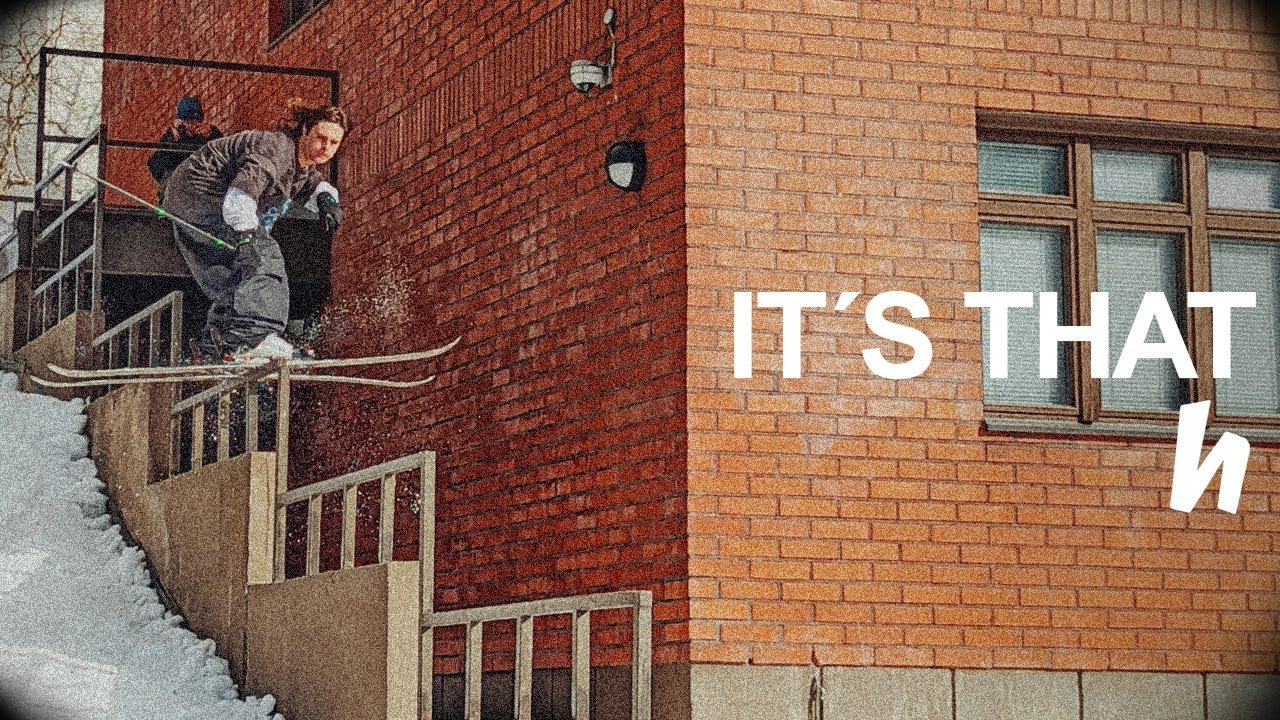
The current skipowd.tv Austria page includes multiple archive directions. “ITS THAT - TRAILER” places Austria beside Bosnia Herzegovina and Finland, with Henrik Harlaut, Bella Bacon, Forster Meeks and Harlaut Apparel Co in the wider crew context. “Beste Skigebiete Österreichs 2025” points toward a broad resort discovery angle, linking Austria to Hochzillertal Hochfügen, Ischgl Samnaun, Kitzsteinhorn, Obertauern, Saalbach Fieberbrunn, Silvretta Montafon, Ski Arlberg, Sölden and Turracher Höhe.
That archive range is useful for SEO because Austria should not be reduced to one image. It is a country of park films, street clips, freeride contests, glacier vlogs, resort guides and brand-driven projects. The internal network is already strong enough to support a high-importance regional page. The key is to write Austria as a system: not just “skiing in the Alps,” but a connected freeski ecosystem with verified pages across venues, athletes and disciplines.
Roads Rail And Fast Alpine Transfers
Austria’s logistics make it especially strong for road trips. Innsbruck is the most useful freeski hub for Tirol and Vorarlberg access, with Stubai, Nordkette, Axamer Lizum, Kühtai, Sölden, Pitztal, Kaunertal and the Arlberg all within realistic travel range depending on the plan. Salzburg is stronger for Absolut Park, Kitzsteinhorn, Obertauern and the Ski amadé network. Munich often works as an international gateway for both western and central Austria.
Rail also matters. Austria’s mountain towns are better connected than many North American ski regions, and that changes crew planning. A group can move with skis between Innsbruck, St. Anton, Zell am See, Salzburg or Ötztal access points without building the whole trip around a rental van. Still, winter roads remain serious. Passes, snow chains, valley traffic, resort parking and storm closures can decide the day. The best Austria itinerary is flexible by valley and weather, not locked to one resort for every condition.
Avalanche Reports And Shared Alpine Discipline
Austria’s freeride appeal comes with real avalanche responsibility. The Tirol, Salzburg, Vorarlberg and other regional services publish bulletins through national and European avalanche-report systems, and skiers moving between valleys should know which bulletin applies to the day’s terrain. Avalanche.report is a practical starting point for many Austrian regions, while local resort and patrol updates should shape the final call.
The basic equipment rule is simple outside controlled pistes: transceiver, shovel, probe, trained partners and conservative terrain choices. Marked ski routes and open gates are not guarantees. Wind slabs, persistent weak layers, spring wet snow, cornices and glacial hazards all appear in Austria depending on elevation and season. Park etiquette is just as important in busy venues. Call drops, clear landings, respect reshapes and avoid filming from blind zones. Austria is dense, and density requires discipline.
October Glaciers March Parks And May Spring Lines
Austria’s season is long because the country has several calendars layered together. October and November belong to glaciers: Stubai, Hintertux, Kaunertal, Kitzsteinhorn and Sölden become the main training and early-season park options. December and January bring resort openings, cold snow, Christmas crowds and storm-dependent freeride windows. February is often the core travel month, with full operations, stronger base depth and high demand.
March is one of the best all-around freeski months. Parks are mature, freeride terrain often has deeper coverage, the light improves and spring events begin to shape the calendar. April and May shift the focus back toward glaciers, high elevation lines and softer landings. Austria’s strength is that a skier does not need one perfect week. The country offers multiple windows: early park training, midwinter powder, late winter contests and spring glacier filming.
The Austria Reason For Freeskiers
Austria deserves a 5/5 regional profile because it contains nearly every European freeski pathway. Ski Arlberg gives the deep-snow heritage. Stubai Zoo gives the World Cup park opener. Absolut Park gives a full freestyle campus. Kitzsteinhorn and Sölden give long glacier seasons. Fieberbrunn gives Freeride World Tour consequence. Innsbruck gives city-to-snow access. Matej Svancer gives the country a modern big air and slopestyle face.
For skipowd.tv, Austria should be framed as a complete Alpine freeski system rather than a standard ski-tourism country page. The region is dense, filmable, logistically efficient and already strongly represented in the internal archive. Its strongest editorial point is range: park, pipe, big air, freeride, glacier training, street texture, resort discovery, avalanche culture and high-altitude spring skiing all sit inside one national ski map.