Faction
Switzerland
Swiss freeski manufacturer | Founded in 2006 in Verbier by a collective of international skiers | Known for: Studio, Dancer, Agent, Prodigy, La Machine, Candide-era influence, This Is Home, The Collective, Verbier testing and one of the strongest freestyle/freeride athlete teams in skiing | Focus: progressive skis for park, street, freeride, touring, powder and all-mountain skiers who want creativity, performance and freedom in the same tool.
Verbier in 2006 and the small rebellion against old alpine rules
Faction is one of the most important modern freeski brands. It is not a legacy race manufacturer that later added wider skis as a side category. It was born inside freeride and freestyle culture. Founded in Verbier, Switzerland in 2006, Faction began as a group of Australian, Canadian, English and American ski bums testing shapes, learning materials and building skis in one of Europe’s biggest freeride playgrounds.
That origin matters because Faction arrived at a moment when skiing was changing quickly. Snowboarding and skate culture had already loosened mountain style, while traditional alpine brands still carried strong race and piste habits. Faction entered with a different language: skis should be fun, playful, durable, progressive and capable of moving from park laps to powder lines without losing personality.
The brand’s full name, The Faction Collective, says a lot. Faction has always presented itself as more than a factory logo. It is a network of skiers, artists, filmmakers, engineers, photographers, athletes and mountain people. That collective identity helped the brand become relevant not only in shops, but also in edits, films, competitions and the visual culture of freeskiing.
Studio Dancer Agent Prodigy and La Machine define the 2026 wall
Faction’s current ski wall is built around five major families. Studio is the premium twin-tip series, co-designed with athletes and built to merge all-mountain speed with freestyle flair. Studio 0, 1, 2, 3 and 4 cover widths from park and pipe through freeride freestyle and powder, giving the brand a high-performance creative platform for skiers who spin, stomp, carve and slash with the same ski identity.
Dancer is the directional all-mountain and freeride series. It uses lightweight poplar wood cores, thin Titanal reinforcement and rocker to balance edge hold, stability and float. Dancer 79, 1, 2, 3 and 4 give Faction a stronger carving and freeride lane for skiers who want more power underfoot than a pure twin-tip freestyle ski. Agent is the free-touring line, built for distance on the way up and real skiing on the way down, with widths from Agent 1 through Agent 4 plus athlete versions such as Agent 3 Sam Anthamatten.
Prodigy remains the cult-favorite progression line. It is the fun, surfy, twin-tip series that many skiers associate with Faction’s park, freestyle and all-mountain roots. Prodigy 1, 2, 3 and 4 step from 88 mm through 116 mm, covering everyday freestyle, wider all-mountain play and soft snow creativity. La Machine is the ultralight free-touring family, using dual carbon layers, soft flex and exaggerated rocker for backcountry skiers who want float, low weight and agile turns in wild terrain.
Prodigy looseness or Dancer power underfoot
Faction’s ride feel depends heavily on the family. Prodigy skis are built around expression. They suit skiers who want to butter, slash, ski switch, hit side features, play in soft snow and keep the mountain loose. Prodigy 1 and 2 work well for park and all-mountain freestyle. Prodigy 3 and 4 push toward freeride and powder while keeping a twin-tip personality.
Dancer speaks a different language. It is more directional, more powerful and more precise. The Titanal layer gives the ski more damping and confidence through chop, groomers and high-speed terrain. A skier who drives the front of the boot, carves hard and wants a calmer platform should look toward Dancer before Prodigy. Dancer 2 and 3 sit in the heart of the all-mountain freeride zone, while Dancer 4 moves closer to bigger soft-snow days.
Studio is the athlete-driven bridge between those worlds. It gives skiers twin-tip creativity with more premium construction and more power. Agent and La Machine move into backcountry. Agent is the stronger downhill-biased touring ski, while La Machine is lighter, surfier and more dedicated to uphill efficiency and powder movement. Faction’s strength is that the lineup does not reduce freeskiing to one shape. It gives different tools for different definitions of fun.
Candide Thovex and the era that made Faction unavoidable
Faction’s cultural rise cannot be separated from Candide Thovex. The Candide era gave the brand a level of freeski visibility that few independent ski companies ever reach. Candide’s skiing was already legendary, but his edits, signature models and impossible terrain choices helped attach Faction to the idea of skiing without limits: cliffs, rooftops, streets, grass, forests, spines, transitions and lines that seemed to ignore normal rules.
The CT line became one of the most recognizable signature ski families of its era, stretching from park widths to freeride and powder shapes. For many skiers, Faction was first discovered through Candide footage, not through a shop wall. That matters because the brand’s identity was built visually: seeing what was possible, then wanting a ski connected to that feeling.
Even after the Candide partnership ended, the effect remained. Faction became associated with freedom, style and a willingness to let athletes shape the brand’s image. The current lineup no longer depends on CT models, but the Candide era still sits inside Faction’s DNA: creative terrain, playful shapes and skiing that looks less like instruction and more like imagination.
Gu Hall Forehand Svancer and the contest-to-film team
Faction’s modern athlete roster is one of the strongest in freeskiing. The official team includes Eileen Gu, Alex Hall, Mac Forehand, Matej Svancer, Antti Ollila, Sam Anthamatten, Vasu Sojitra, Brooklyn Bell, Sarah Hoefflin, Giulia Tanno, Dylan Deschamps, Elisabeth Gerritzen, Andrew Pollard, Elias Syrjä, Kadi Gomis, Cody Cirillo, Tormod Frostad, Sophia Rouches, Blake Wilson, Martin Bender, Yann Rausis, Koga Hoshino, Brynn Johnston and Will Berman.
That roster gives Faction unusual range. Eileen Gu brings Olympic gold, halfpipe, slopestyle, big air and global cultural visibility. Alex Hall brings technical creativity, big air and slopestyle influence. Mac Forehand and Matej Svancer keep the brand connected to high-level park progression. Sam Anthamatten, Elisabeth Gerritzen, Yann Rausis and Martin Bender anchor freeride and alpine terrain. Antti Ollila, Will Berman and others connect Faction to style, film and creative skiing.
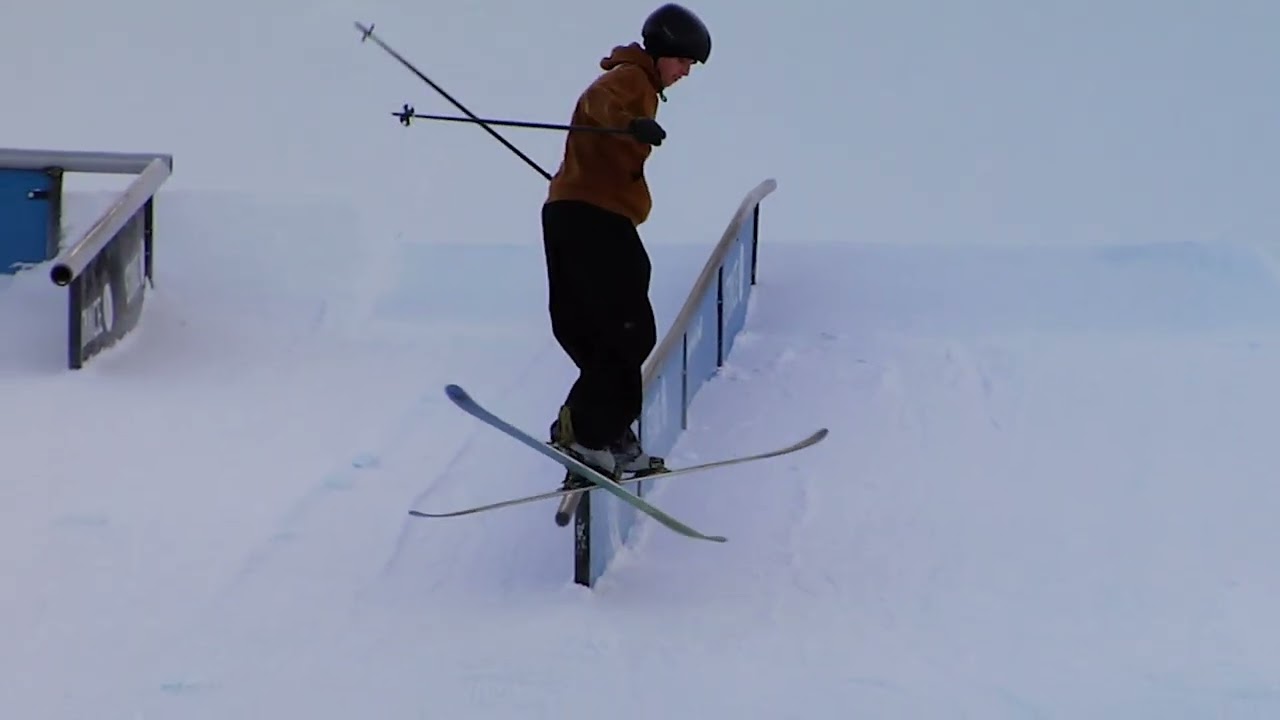
This matters because Faction’s skis are not designed for one narrow discipline. The brand needs athlete feedback from park jumps, street rails, freeride faces, touring lines, competition courses and powder trips. The team gives credibility to each category: Studio for contest and creative freestyle, Dancer for freeride, Agent and La Machine for touring, Prodigy for progression and playful all-mountain skiing.
This Is Home and the brand as a film collective
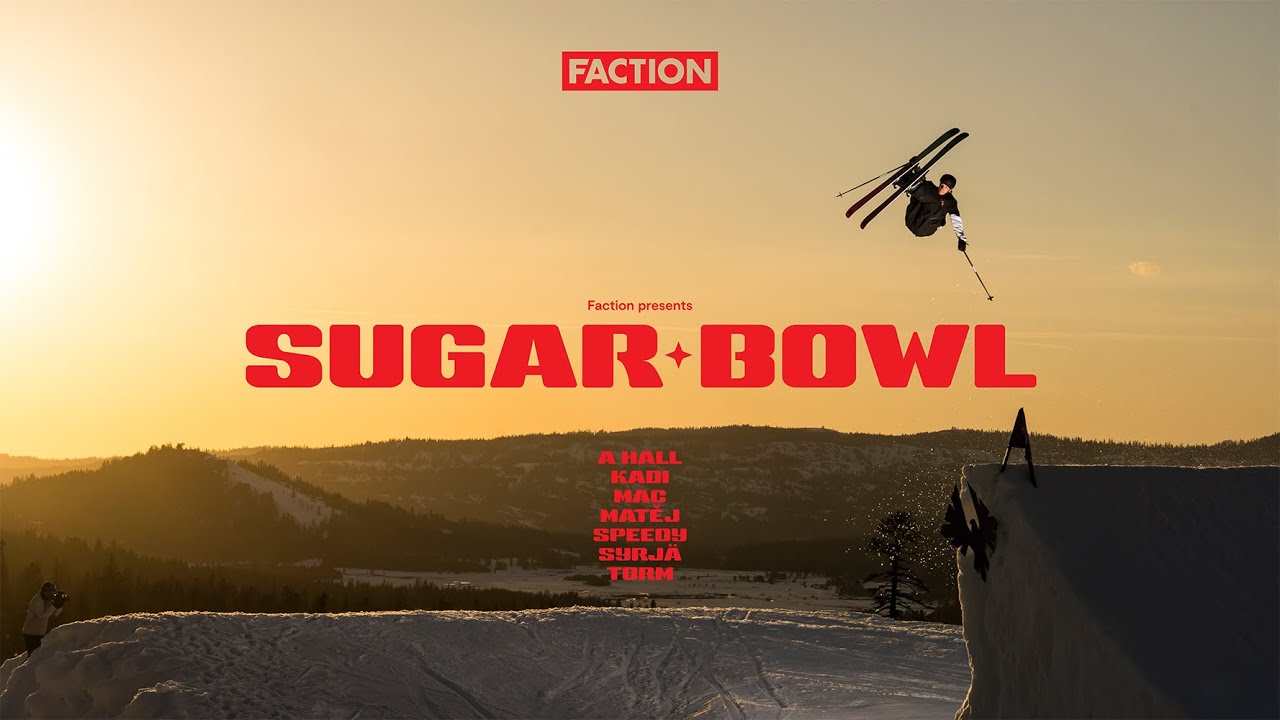
Faction is also important because it built a serious media identity. This Is Home, the brand’s full-length ski film, followed Faction athletes through their home terrain across locations such as Flathead Valley, Jyväskylä, Kuopio, Alta, the Wasatch, Deštné v Orlických Horách, Zermatt, La Clusaz and Verbier. The film featured skiers including Candide Thovex, Alex Hall, Sam Anthamatten, Antti Ollila, Giulia Tanno, Henry Sildaru, Kelly Sildaru and Johnny Collinson.
The film mattered because it showed Faction as a cultural force rather than only a ski maker. It placed home terrain, personal style and athlete identity at the center. Faction’s message was not simply “our skis work.” It was “this is how freeskiing lives.” That is a much stronger brand position in ski video culture.
The Collective and later projects continued the same direction. Faction understood that freeski brands are built through images, not only specifications. A ski’s flex, waist and sidecut matter, but the reason a young skier cares is often the edit: the grab, the switch landing, the street spot, the powder slash, the athlete’s stance, the line that gets replayed again and again.
Verbier testing with European production and FSC wood cores
Faction’s geography starts in Verbier, and the brand still emphasizes that all design, engineering development and material specifications come from there. That is important because Verbier is a serious test environment: steep alpine faces, variable snow, freeride terrain, storm cycles, long traverses, cliffs, chalk, spring corn and resort laps all sit close together.
The brand’s first skis were made in a small factory near Évian in France, with the first production year reportedly producing only 40 pairs. Faction later moved to larger European facilities, and the official current manufacturing page states that production is split between two family-run factories in Poland and the Czech Republic. Materials are sourced across Europe, including bases, sidewalls and topsheets from Austria, wood from Eastern Europe, fiberglass and carbon from Germany, and hybrid cores from Denmark.
Faction also states that all its woods are FSC certified and that it works with factories to reduce waste and improve material use. The brand’s values page adds B Corp certification, annual carbon-footprint calculation and a manufacturing philosophy that treats quality and durability as part of sustainability. This is important for a brand that once faced community criticism around durability. Current Faction needs to win trust through construction, warranty support, transparent production and skis that survive hard use.
Choosing Studio Dancer Agent Prodigy or La Machine
Choosing Faction starts with terrain and stance. If park, pipe, switch skiing, spins and athlete-level freestyle are central, Studio is the premium direction. Studio 0 and 1 suit pipe, park and technical freestyle. Studio 2 and 3 move into all-mountain freestyle and freeride. Studio 4 is for wide twin-tip powder creativity.
If you want a more accessible, playful and surfy all-mountain twin-tip, Prodigy is the easier first stop. Prodigy 1 is the everyday park and progression ski. Prodigy 2 is the classic all-mountain freestyle width. Prodigy 3 is for softer snow and freeride play. Prodigy 4 is the powder-friendly twin-tip for skiers who still want switch landings and creative movement.
If you ski hard, drive your turns and want edge hold plus stability, choose Dancer. Dancer 1 and 2 suit daily all-mountain resort skiing. Dancer 3 is the freeride sweet spot for strong skiers in mixed soft snow. Dancer 4 is the bigger mountain and deeper day choice. If touring matters, Agent is the balanced free-touring line. Choose Agent if you want uphill efficiency without giving up too much downhill authority. Choose La Machine if you want lighter, surfier, more powder-oriented backcountry movement.
Why Faction deserves a 5 out of 5
Faction deserves a 5 out of 5 importance rating because it is one of the central modern freeski brands. It is not as old as Rossignol, Atomic, Blizzard or Dynastar, but age is not the only measure of importance. Faction helped define the post-2000s freeride and freestyle imagination: Verbier roots, athlete-led shapes, Candide-era visibility, full-length films, Olympic-level team riders, touring expansion and a current 2026 lineup that covers nearly every freeski category.
The brand’s role is especially strong for skipowd.tv because Faction lives naturally in video culture. Its skis appear in park edits, big air clips, street lines, freeride films, touring content and athlete profiles. It is a product brand, but also a media brand, a team brand and a style signal. That combination is exactly what modern ski sponsorship looks like.
On skipowd.tv, Faction belongs as a major Swiss freeski manufacturer. Its value is the bridge between product and culture: Studio power, Prodigy play, Dancer stability, Agent touring, La Machine powder escape, and a collective identity that still makes skiing feel creative, fast, rebellious and fun.