Switzerland
Alps
Switzerland
Alpine freeski country from Valais to Graubünden and Central Switzerland | Known for: Verbier Xtreme, Zermatt glacier skiing, Laax freestyle, Saas-Fee autumn camps, Engelberg descents, Andermatt-Gemsstock freeride, and train-linked resort travel | Season: December to April with glacier and spring extensions | Best for: park riders, freeriders, glacier crews, touring groups, and skiers building multi-resort Swiss Alps trips
Klein Matterhorn Altitude And The Swiss Alps Freeski Grid
The Matterhorn Ski Paradise reaches almost 4,000 meters above Zermatt, with 360 kilometers of pistes, 54 lifts, two countries, and skiing marketed 365 days a year. That altitude gives Switzerland a rare opening statement: the country can support winter resort laps, glacier training, spring park sessions, and high-alpine freeride within a compact rail-linked mountain network.
Switzerland works as a freeski region because its strongest resorts do not all serve the same purpose. Zermatt is the glacier and Matterhorn reference. Verbier is the freeride arena tied to the Bec des Rosses. Laax is the freestyle stadium with a pipe and park culture that reaches far beyond Graubünden. Saas-Fee is the autumn training base. Engelberg, Andermatt, Davos, St. Moritz, Crans-Montana, Corvatsch, and the Jungfrau region add steep descents, big lift systems, glacier access, and long Alpine travel routes.
Valais Graubünden And Central Switzerland On One Rail Map
The Swiss freeski map is best read by region. Valais carries Zermatt, Verbier, Saas-Fee, Crans-Montana, Nendaz, and smaller high-altitude valleys. That canton gives the country much of its glacier identity, its biggest freeride spectacle, and several of its most recognizable international resort names. It is also where strong skiers can move from park laps to high alpine terrain without leaving a tight geographic corridor.
Graubünden changes the tone. Laax anchors freestyle, while Davos-Klosters, St. Moritz, Corvatsch, Arosa Lenzerheide, and Disentis broaden the map with parks, high bowls, touring access, and more spread-out resort bases. The terrain feels less concentrated than Valais but often gives better options for skiers who want to chase weather across valleys rather than commit to one famous lift system.
Central Switzerland gives the region its heavy freeride contrast. Engelberg-Titlis drops from a summit station over 3,000 meters down toward the village around 1,000 meters, creating a 2,000-meter descent that burns legs quickly. Andermatt-Sedrun-Disentis adds 180 kilometers of pistes, 33 lifts, peaks up to 3,000 meters, and the Gemsstock sector, where deep snow and 1,500-meter descents make the Gotthard region a serious freeride objective.
Glacier Snow High Valleys And The January To April Rhythm
Swiss snow is shaped by altitude, aspect, and storm direction rather than one national pattern. Zermatt and Saas-Fee lean on glacier elevation and cold upper slopes. Verbier uses the spread of the 4 Vallées and its north-facing high terrain to preserve winter surfaces after storms. Laax depends on the Crap Sogn Gion and Vorab sectors for freestyle continuity, while Engelberg and Andermatt can turn north-side storms into deep, fast descents when the snowpack stabilizes.
January and February are the prime cold-snow months for freeride, chalk, and reliable park speed. March often brings the best balance for filming: longer light, more stable windows, mature park builds, and high-elevation snow that can still ride wintery after storms. April belongs to spring park sessions, glacier laps, and high north-facing faces, but lower resorts can move quickly into corn, wet snow, and freeze-thaw timing.
The country’s advantage is altitude diversity. A skier can choose Laax for shaped features, Verbier for event-week freeride, Zermatt for glacier mileage, Saas-Fee for late or early season training, or Engelberg for long descents when storm cycles favor Central Switzerland. The best Swiss trips are rarely fixed around one village. They are built around the bulletin, the freezing level, lift status, and how far a train ride can move the day.
Laax Superpipe And Saas-Fee Training Windows
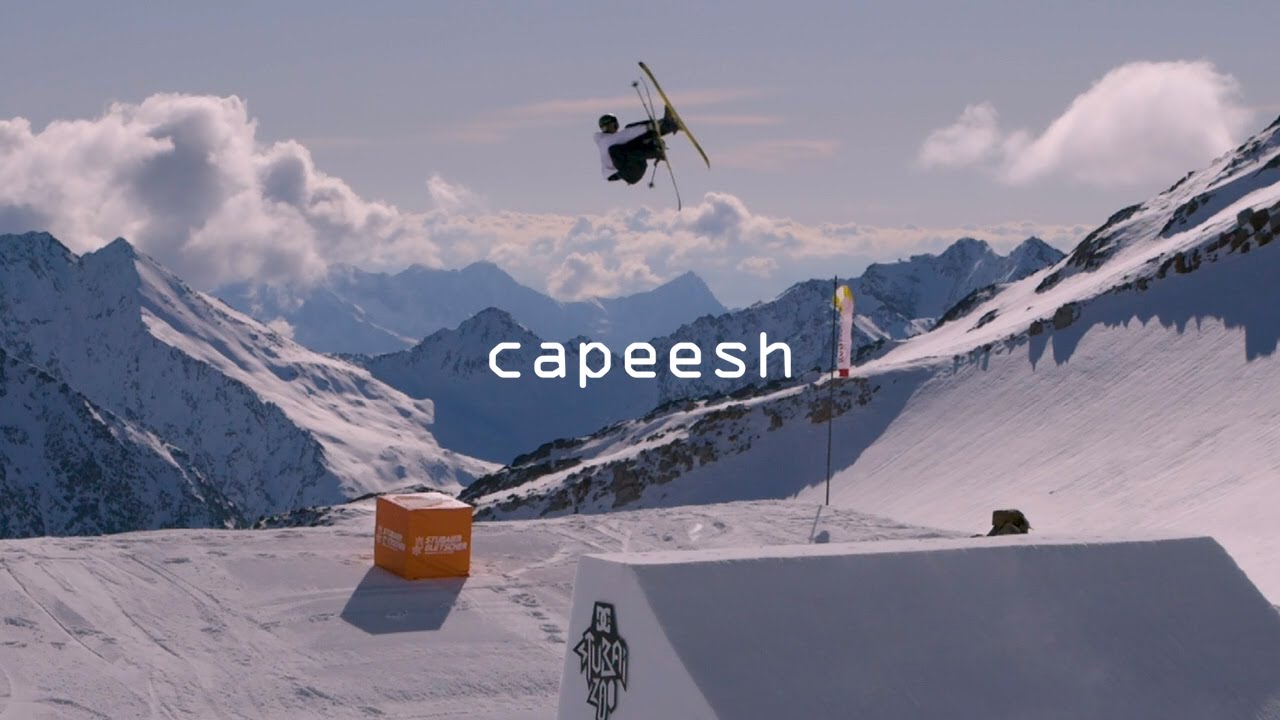
Laax is the country’s strongest freestyle address. The resort promotes five snowparks, the world’s largest halfpipe, and a community built around progression rather than park as a side feature. The NoName snowpark pipe is listed at 200 meters long, 22 meters wide, and 6.9 meters high, which gives pipe skiers and snowboarders a true reference build inside Europe.
The LAAX Open adds event pressure. Its annual January window brings FIS Snowboard and Freeski World Cup energy to Graubünden, with a scale that makes the resort feel like a winter broadcast campus. For freeskiers, the value is not only watching finals. It is the course language around the event: feature scale, transition shape, speed discipline, and the way a public resort absorbs elite freestyle without losing everyday park flow.
Saas-Fee plays a different role. Stomping Grounds Projects takes place every autumn on the Feegletscher, with slopestyle, big air, and halfpipe training sessions for ski and snowboard athletes. The timing is critical. When many Northern Hemisphere resorts are still waiting for winter, Saas-Fee gives national teams and private crews a glacier surface for pre-season repetition.
Bec Des Rosses And The Swiss Freeride Stage
The freeride center of gravity is Verbier. The YETI Xtreme Verbier sends qualified Freeride World Tour riders onto the Bec des Rosses, a steep, rocky, technical face that has shaped the sport’s judging language for decades. Line choice there is not decorative. Riders must manage exposure, sluff, takeoffs, speed, and a finish that comes after the face has already demanded full commitment.
Engelberg gives freeride a more public daily version. The Titlis descent to the valley covers around 2,000 meters of altitude difference, while Jochstock can deliver 1,500 meters in one push. That scale attracts skiers who want long descents without turning every day into a competition venue. Andermatt adds Gemsstock, where the resort describes deep powder, steep slopes, and freeride conditions from November to May when snow and operations align.
Max Palm connects naturally to the Swiss freeride map through Verbier footage on skipowd.tv and his wider Freeride World Tour identity. Switzerland’s freeride value is not limited to Swiss athletes. It is the circuit itself: Valais faces, Graubünden storm windows, Gotthard snow, Titlis descents, and a guide culture that gives strong skiers access to terrain only when the day deserves it.
Zermatt Glacier Miles And The Matterhorn Backdrop
Matterhorn Ski Paradise gives Switzerland its most durable high-altitude resort identity. The area links Zermatt with Breuil-Cervinia, crosses the Swiss-Italian border, and supports skiing and snowboarding year-round. For freeskiers, the important part is not only the postcard view of the Matterhorn. It is the amount of upper-mountain time available when lower Alpine resorts are fighting rain lines or thin coverage.
Zermatt’s park and glacier culture also support progression outside the normal winter calendar. Teams can use the upper mountain for training, while freeriders can read high-alpine terrain around Rothorn, Gornergrat, Klein Matterhorn, and the glacier sectors. The resort’s scale means a skier can build a day around fast piste mileage, park work, scenic glacier laps, or guided off-piste objectives without changing base.
The caution is that Zermatt’s beauty can hide real altitude and glacier complexity. Weather can shut the highest lifts quickly. Wind can change exposed snowfields before the village feels harsh. Off-piste routes near glaciers require local knowledge, rescue gear, and restraint. The destination is polished, but the terrain above it is still high alpine.
Swiss Trains Airport Hubs And Resort Hopping Logic
Switzerland’s logistics are part of the freeski appeal. Geneva is the natural gateway for Valais and Verbier. Zurich works well for Central Switzerland, Engelberg, Andermatt, and Graubünden. Basel can fit some rail itineraries, while Milan becomes relevant for southern Valais or cross-border Zermatt-Cervinia plans. Once inside the country, trains and post buses make multi-resort movement more realistic than in most Alpine regions.
The best itinerary depends on the skier. A park rider can build a Laax and Saas-Fee trip around pipe, jumps, and glacier sessions. A freerider can pair Verbier with Engelberg or Andermatt depending on snow direction. A high-altitude cruiser can anchor in Zermatt, then add Saas-Fee or Verbier. A film crew can move by weather: Graubünden for clear park days, Valais for faces, Central Switzerland when north-side storms arrive.
Costs are real. Switzerland is expensive, and lodging in Zermatt, Verbier, St. Moritz, and Laax can punish loose planning. The smarter approach is to choose a base with transport logic: Chur for parts of Graubünden, Visp or Brig for Valais connections, Lucerne for Engelberg access, or Andermatt when the Gotthard region is the target. Swiss efficiency rewards skiers who plan the route before choosing the hotel.
SLF Bulletins Glaciers And Local Mountain Rules
Swiss terrain demands a serious safety routine. The SLF avalanche bulletin and White Risk are the baseline tools for off-piste decisions, touring plans, and reading danger by region, elevation, and aspect. A bluebird day after a storm is not a green light. It is the moment when slope angle, wind loading, temperature, and group behavior matter most.
Glaciers add another layer in Zermatt, Saas-Fee, Engelberg, and other high zones. Crevasses, snow bridges, rope work, whiteouts, and navigation errors can turn a simple-looking descent into a mountaineering problem. Guides are not a luxury for complex objectives. They are often the difference between skiing good snow and making a poor route decision under pressure.
Park etiquette has its own rules. In Laax and Saas-Fee, inspect features, watch speed, respect closures, and clear landings quickly. In freeride zones, do not follow tracks blindly and do not treat yellow itinerary markers as full backcountry safety. Switzerland gives strong skiers enormous freedom, but that freedom works only when riders respect patrol instructions, lift closures, glacier boundaries, and avalanche bulletins.
The Swiss Formula For Modern Freeskiing
Switzerland matters because it links multiple versions of freeskiing inside one country. A skier can train pipe in Laax, film glacier laps in Saas-Fee, watch the season close on the Bec des Rosses, ski high-altitude mileage in Zermatt, chase Engelberg descents, and move through Andermatt when Gotthard storms stack snow. That range is rare even in the Alps.
The country is strongest for skiers who know their objective. Choose Laax for park and pipe. Choose Saas-Fee for pre-season training. Choose Verbier for freeride history and event energy. Choose Zermatt for altitude, scenery, and glacier continuity. Choose Engelberg for long descents. Choose Andermatt for Gemsstock powder and a quieter Gotthard rhythm. Choose St. Moritz or Corvatsch when the Engadine storm and park calendar line up.
That is the real Swiss advantage: not one mountain, but a dense Alpine system where freestyle, freeride, glacier skiing, public transport, and mountain safety infrastructure all overlap. In a good winter, Switzerland lets a skier follow the forecast across cantons and still stay inside a coherent freeski culture from first train to last lift.