Zermatt
Alps
Switzerland
Swiss Alps resort below the Matterhorn | Known for: 360 km Matterhorn Ski Paradise network, 3883 m glacier access, Zermatt Cervinia link, Snowpark Zermatt, summer skiing, high alpine freeride, and car-free village logistics | Season: winter plus glacier skiing and summer park windows | Best for: glacier training, park progression, long piste mileage, guided freeride, and cross-border Alpine trips
Klein Matterhorn Altitude And The Matterhorn Ski Paradise
The Matterhorn Glacier Paradise reaches 3883 meters above Zermatt, placing skiers on Klein Matterhorn among glaciers, high ridges, and the Swiss-Italian border zone. That altitude is the core of Matterhorn Ski Paradise. The connected ski area links Zermatt with Cervinia and Valtournenche, spans two countries, and is promoted through 360 kilometers of pistes and 54 lifts. Zermatt is not only a famous Alpine village with a Matterhorn view. For freeskiers, it is a high-altitude operating system where winter piste mileage, glacier park sessions, summer training, guided off-piste, ski touring, and cross-border laps can all start from the same car-free base.
Rothorn Gornergrat Schwarzsee And Glacier Sectors
Zermatt’s terrain is easier to understand by sector than by a single trail count. Rothorn and Sunnegga give long scenic descents and access toward Tufternkumme. Gornergrat brings the railway side of the mountain, with high viewpoints and rolling piste terrain. Schwarzsee and Hirli sit closer to the Matterhorn shoulder, while Trockener Steg, Furggsattel, Plateau Rosa, Testa Grigia, and Klein Matterhorn define the glacier zone. That spread creates days with very different moods. A skier can cruise high-speed groomers, cross into Cervinia, lap glacier park features, or work with a guide on off-piste objectives. The scale is large enough that weather, wind, lift status, and visibility should shape the plan before any trail preference does.
Theodul Glacier And Snowpark Zermatt Over Three Hundred Days
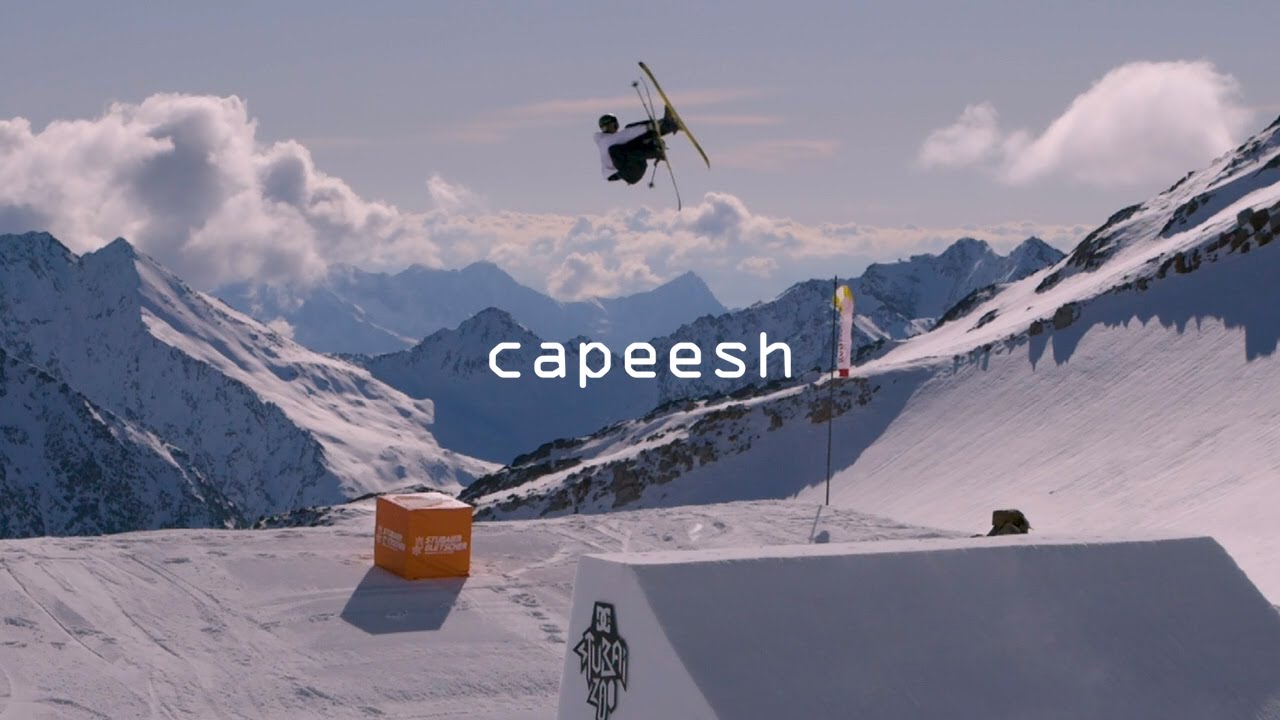
Snowpark Zermatt is the resort’s clearest freestyle asset. In winter, the park sits on the lower Theodul Glacier near the Furggsattel glacier lift at about 3250 meters, with access from Zermatt through Matterhorn Glacier Ride I or the Furggsattel chairlift. The official winter setup describes six creative lines over 1200 meters, with beginner features, slopestyle rails and jumps, a boardercross piste, a rail garden, and the Matterhorn Cross fun slope. That gives the park real progression range rather than one isolated rail lane. Its importance grows because Zermatt’s glacier setting supports freestyle skiing and snowboarding for more than 300 days a year, extending the park calendar far beyond normal winter resort timing.
Plateau Rosa Summer Lines And Preseason Training
Summer skiing changes Zermatt’s role in the freeski calendar. The official summer ski area offers up to 21 kilometers of pistes at 3883 meters, with the Zermatt Summer Snow Park moving higher to around 3480 meters on Plateau Rosa between July and mid-October. The summer setup includes a weekly rebuilt 300 meter course, 15 rails, 7 boxes, and 10 jumps across small, medium, and large options. That matters for athletes and film crews because the Northern Hemisphere summer usually removes snow access from most public resorts. In Zermatt, national teams, private crews, park skiers, and snowboarders can keep touching snow before autumn camps in places such as Saas-Fee or other glacier venues start carrying the preseason rhythm.
Yellow Routes Freeride And Glacier Consequences
Zermatt’s freeride value is real, but it needs careful language. The terrain above the village is high alpine, glaciated, windy, and complex. The official Matterhorn Ski Paradise material points skiers toward freeride safety, avalanche information, ski-touring rules, guides, and emergency contacts rather than presenting off-piste as casual terrain. That is the right tone for a skipowd.tv profile. Rothorn, Gornergrat, Hohtälli, Stockhorn, Schwarztor-style glacier routes, and the spaces between prepared pistes can all be part of the Zermatt freeride conversation when conditions and guidance align. The same altitude that preserves snow also increases exposure. Crevasses, whiteout navigation, wind slab, hard snow, and long exits can turn a beautiful line into a mountaineering problem.
Matterhorn Alpine Crossing And The Cervinia Link
The cross-border link is one of Zermatt’s most distinctive modern advantages. Matterhorn Alpine Crossing connects the Swiss side with Testa Grigia and Breuil-Cervinia, allowing riders to move between Swiss and Italian terrain through high cableway infrastructure. For skiers, the practical effect is range. A day can begin in Zermatt, move through Trockener Steg and Klein Matterhorn, cross toward Plateau Rosa, continue into Cervinia, then return before weather or lift closures cut the link. That requires discipline. Wind on the upper lifts can close connections quickly, and missing the last return lift can turn a ski day into a long transport problem. When the system works, however, Zermatt becomes more than a single resort. It becomes an Alpine border crossing on skis.
Car Free Village And Täsch Arrival Discipline
Zermatt’s logistics are part of the mountain experience. The village is car-free, and private vehicles are only allowed as far as Täsch. From there, visitors continue by train, taxi, or authorized transport into Zermatt. The official arrival information makes that rule clear, and it changes how a ski trip is planned. Guests should think in terms of rail timing, luggage, lift access, lodging location, and how easily they can reach Sunnegga, Gornergrat, or the Matterhorn Express base in the morning. That setup adds friction for rushed road trippers, but it also gives Zermatt a rare village atmosphere. Once inside, the movement pattern becomes electric taxis, walking, ski buses, lifts, trains, and cableways rather than private cars circulating around a base lot.
Swiss Freestyle Context From Laax To Verbier
Zermatt sits inside a dense Swiss freeski network. Switzerland gives skiers multiple identities within short travel distances: Zermatt for glacier mileage and Matterhorn terrain, Laax for park and pipe scale, Saas-Fee for glacier training, and Verbier for freeride event history around the Bec des Rosses. Zermatt’s role in that map is altitude and continuity. It does not need to copy Laax’s freestyle stadium model or Verbier’s Freeride World Tour stage. Its power comes from being open high, long, and often, with park features, glacier laps, guide terrain, summer snow, and a visual identity that every ski audience recognizes immediately.
Snowmaking Climate Pressure And High Altitude Strategy
Zermatt’s altitude gives it a major advantage, but the resort still operates in a climate where glaciers are changing and snow reliability is under pressure across the Alps. High lifts, glacier infrastructure, snowmaking, piste preparation, and cross-border cableways are part of the modern strategy. For skiers, that creates a polished experience with unusually long seasonal reach. It also demands awareness. Summer skiing depends on glacier health and morning timing. Freeride depends on snowpack stability, not scenery. Park features depend on shaping, cold nights, and maintenance. The best Zermatt trips are built around conditions rather than assumptions. The resort can look permanent from the village, but the mountain environment above Trockener Steg and Klein Matterhorn is dynamic every day.
SLF Bulletins Guides And High Alpine Etiquette
Zermatt rewards skill, but it does not forgive careless planning. Off-piste and ski-touring decisions should start with the snow report, avalanche bulletin, weather forecast, lift status, and local guide advice. The SLF avalanche bulletin is the baseline reference for Swiss avalanche conditions, while Zermatt’s own tourism and mountain pages point skiers toward mountain guides for complex routes. Park etiquette is equally concrete. Inspect features before hitting them, choose the right line, clear landings, and respect closures during shaping. On pistes, speed control matters because Zermatt combines tourists, racers, park riders, guided groups, and high-mileage skiers inside one large network. The mountain is huge, but conflicts still happen in narrow connectors and return routes.
The Zermatt Formula For Freeskiers
Zermatt earns a 5 level profile because it combines scale, altitude, season length, freestyle infrastructure, cross-border terrain, and global recognition in one resort system. The key facts are strong: 360 kilometers of pistes, 54 lifts, two countries, Matterhorn Glacier Paradise at 3883 meters, winter snowpark lines on the Theodul Glacier, summer snowpark access on Plateau Rosa, car-free village logistics, guided freeride potential, ski touring, heliskiing options, and direct connection to Cervinia. It should not be reduced to a postcard view. For freeskiers, Zermatt is a high-altitude tool: train park when most resorts are closed, ski long groomers when weather is stable, cross into Italy when lifts allow, hire a guide for glacier terrain, and keep the Matterhorn in the background without forgetting the mountain rules in front of you.