Ferdinand Dahl
Oppegård / Oslo, Norway | Born: July 17, 1998 | Active: 2015-present public ski career | Known for: X Games slopestyle medals, Olympic finals, Capeesh Fashion House, Jib League, rail-heavy creative park skiing | Current: creative projects, Jib League, Capeesh, Vishnu, Monster Energy, Phaenom
Aspen Steel Before The Score Sheet
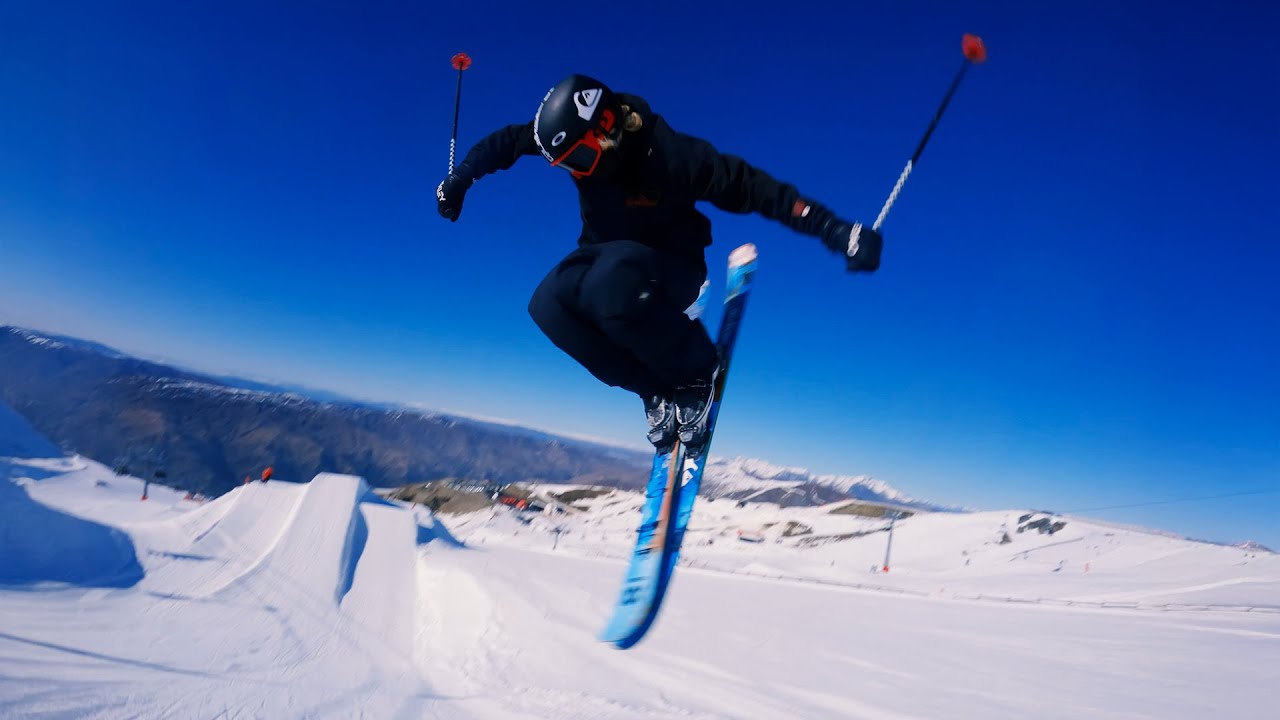
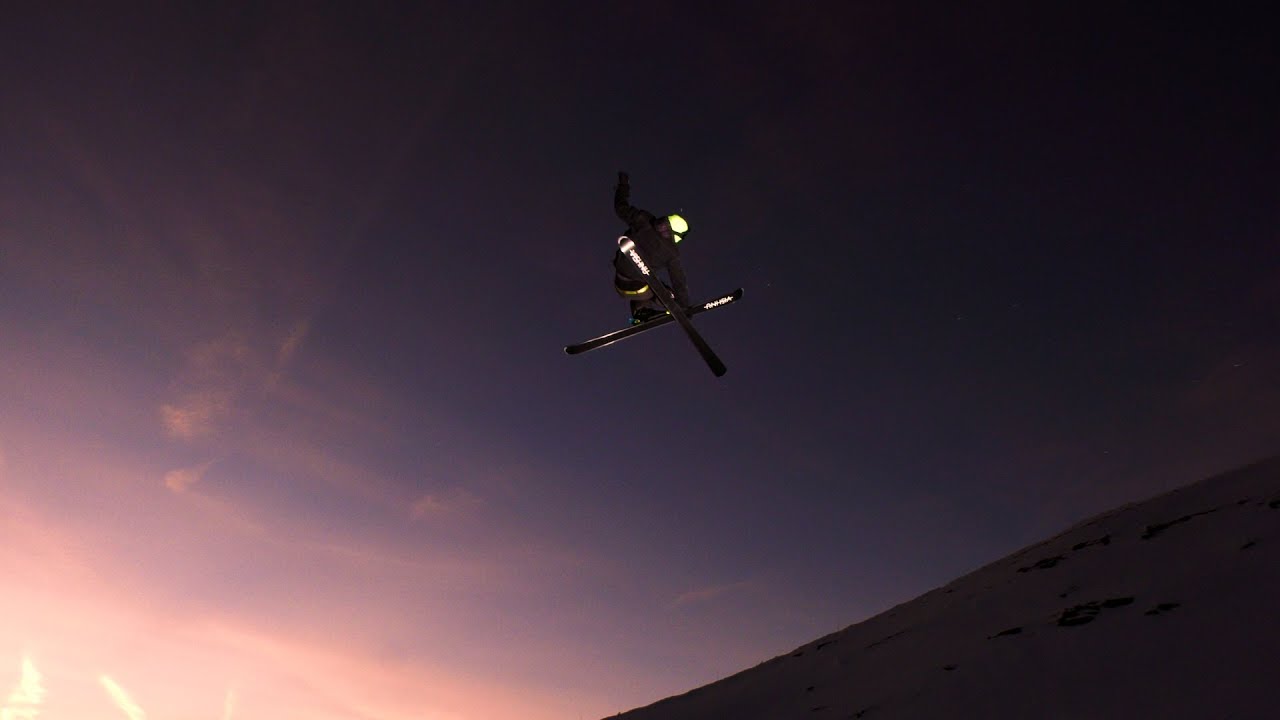
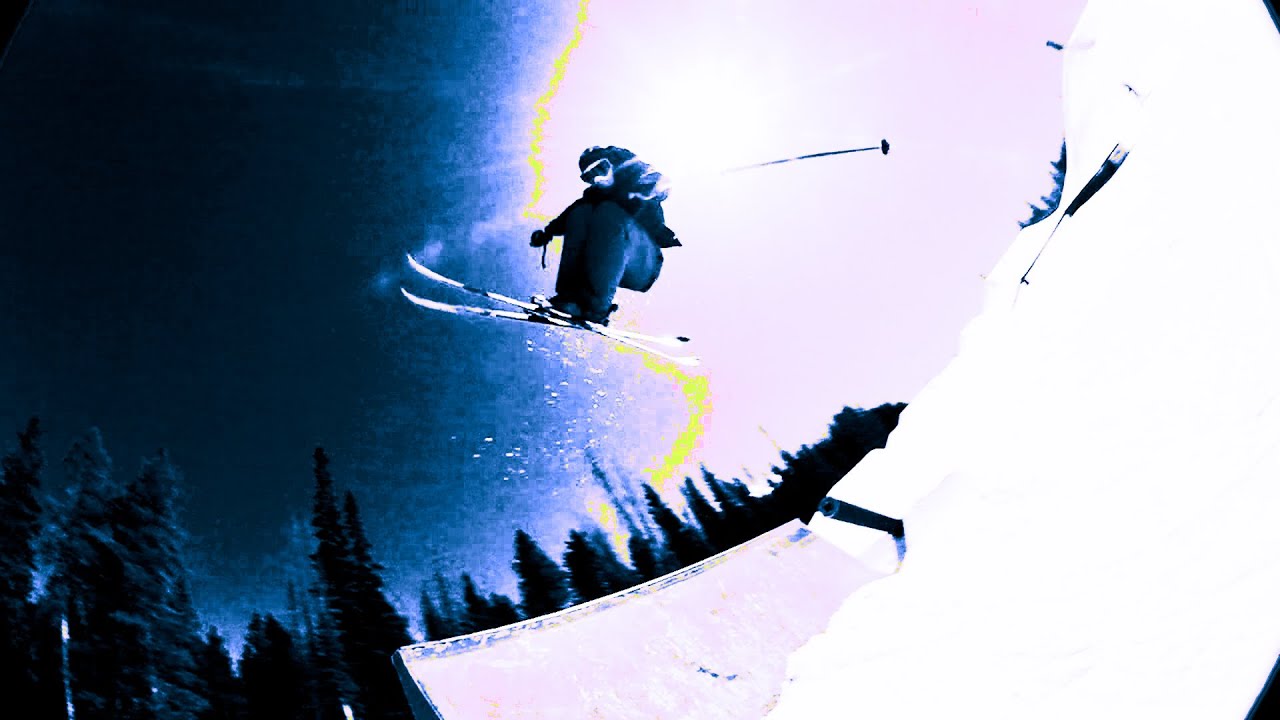
The Buttermilk rails looked cold under January light, each takeoff brushed by wind and camera lenses before the jump line opened. Ferdinand Dahl came through the top section with shoulders low, skis quiet, and the timing of someone reading metal like a skate spot rather than a scoring zone.
That language became his clearest public signature. Dahl’s official X Games profile lists one silver medal and two bronze medals, all in ski slopestyle. The medals came at Aspen in 2019, 2021 and 2023, but the bigger story is how he carried a rail-first Norwegian style into an era increasingly ruled by jump math, triple-cork pressure and exact grab policing.
Oppegård, Tryvann And The Ingierkollen Record
Dahl grew up in Oppegård, near Oslo, and Monster Energy’s athlete bio connects his early skiing to Oslo Winterpark. On skipowd.tv, the most precise internal terrain link is Skimore Oslo, the Tryvann-area hill where Oslo skiers can repeat park laps close to the city. That setting helps explain the compact-feature creativity in his skiing: rails, side hits, short landings, night-session repetition and body position built through volume.
The official identity is clean. His FIS code 2532349 lists Norway, club Ingierkollen Rustad, birth year 1998 and inactive competitive status. Team Norway lists his federation as Norges Skiforbund, discipline freeski, birthdate July 17, 1998, and club Ingierkollen Rustad. Olympedia gives the fuller name Ferdinand Kjellberg Dahl and birth in Oslo.
That combination matters for search identity because his public life now spreads across more than one lane. He is a former Norwegian national-team freeskier, an Olympic finalist, an X Games medalist, a Capeesh founder, a Jib League co-creator and a skier whose recent clips live closer to street, park media and alternative events than to classic World Cup start lists.
Myrkdalen To Silvaplana: The World Cup Surge
The first senior podium marker came at Myrkdalen-Voss on March 24, 2017, where Dahl finished third in FIS World Cup big air behind Christian Nummedal and Birk Ruud. Less than nine months later, on December 23, 2017, he placed second in World Cup slopestyle at Font Romeu, behind Oscar Wester and ahead of Øystein Bråten.
The 2017-18 season then accelerated. On January 13, 2018, Dahl placed second in Snowmass World Cup slopestyle behind Andri Ragettli and ahead of Bråten. On March 3, 2018, he finished third at the Silvaplana World Cup slopestyle, behind Alex Hall and Ragettli. The final 2017-18 slopestyle standings put Ragettli first with 420 points, Dahl second with 277, and Oscar Wester third with 272.
The next winter kept him in that neighborhood. On November 23, 2018, at Stubai Zoo, Henrik Harlaut won the World Cup slopestyle, Mac Forehand took second, and Dahl finished third. The podium is useful context: Harlaut represented the elder style icon, Forehand the new American technical wave, and Dahl the Norwegian who could turn a rail section into the emotional center of a run.
PyeongChang And The First Olympic Final
Dahl’s Olympics.com profile records two Olympic Games participations, beginning at PyeongChang 2018. In the men’s ski slopestyle final on February 18, 2018, he finished eighth with 76.40 points. Øystein Bråten won with 95.00, Nick Goepper took silver with 93.60, and Alex Beaulieu-Marchand earned bronze with 92.40.
The eighth place should not be flattened into a missed podium. Dahl finished inside a final that also included James Woods, Teal Harle, Evan McEachran, Andri Ragettli, Elias Ambühl, Jonas Hunziker, Oscar Wester and Gus Kenworthy. The field was dense enough that a small grab issue or rail hesitation could shift an athlete by several places.
Contemporary run notes from the final described a rail-heavy opening, wallie work, left lip 270 movement, switch 360 hip control, a right triple cork 1620, a switch double cork 1440 blunt and a switch double cork 1440 safety. Those details show the exact era Dahl was skiing through: creative rails were still valuable, but jump-line rotation difficulty had already become brutal.
Aspen Bronze, Aspen Silver, Aspen Bronze Again
Dahl’s X Games record gives the page its strongest medal density. At X Games Aspen 2019, he won men’s ski slopestyle bronze with 80.33, behind Alex Hall’s 95.66 and Alex Beaulieu-Marchand’s 92.66. Henrik Harlaut finished fourth with 78.33, which placed Dahl directly between two of the strongest style references in modern contest skiing.
On February 1, 2021, he took X Games Aspen slopestyle silver behind Nick Goepper and ahead of Evan McEachran. That medal carried a different weight from the 2019 bronze because Dahl was no longer a surprise. The field knew the rails would be sharp, the jump line would be measured, and his style would score only if the full run held together.
The third X Games slopestyle medal came at Aspen 2023. Colby Stevenson won gold, Mac Forehand took silver, and Dahl earned bronze ahead of Andri Ragettli, Birk Ruud, Fabian Bösch, Alex Hall, Evan McEachran, Max Moffatt and Jesper Tjäder. Three Aspen slopestyle podiums across five winters made him one of Norway’s most visible X Games freeskiers of his generation.
Beijing, Stubai And The Last National-Team Phase
The second Olympic cycle was rougher. At Beijing 2022, Dahl finished 16th in men’s slopestyle qualification with 67.61 and 19th in big air qualification. Those numbers do not erase the PyeongChang final, but they show where the contest track was heading: more specialization, more rotation load, and a narrowing margin between a clean run and a run that never reaches finals.
The FIS record around that period still contains sharp results. On November 20, 2021, at the Stubai World Cup slopestyle, Birk Ruud won with 87.60, Max Moffatt took second with 86.26, and Dahl finished third with 86.06. On March 20, 2021, at Aspen World Cup slopestyle, he finished eighth with 75.63. On March 26, 2022, at Silvaplana, he finished 26th with 69.75.
FIS lists his later World Cup result at Stubai on November 19, 2022, where he placed 49th with 35.90. That is the competitive fade line. After years of national-team starts, Olympic pressure and World Cup travel, the public story moved toward projects where his skiing, taste and event-building mattered more than FIS cup points.
How Ferdi Made Rails The Main Course
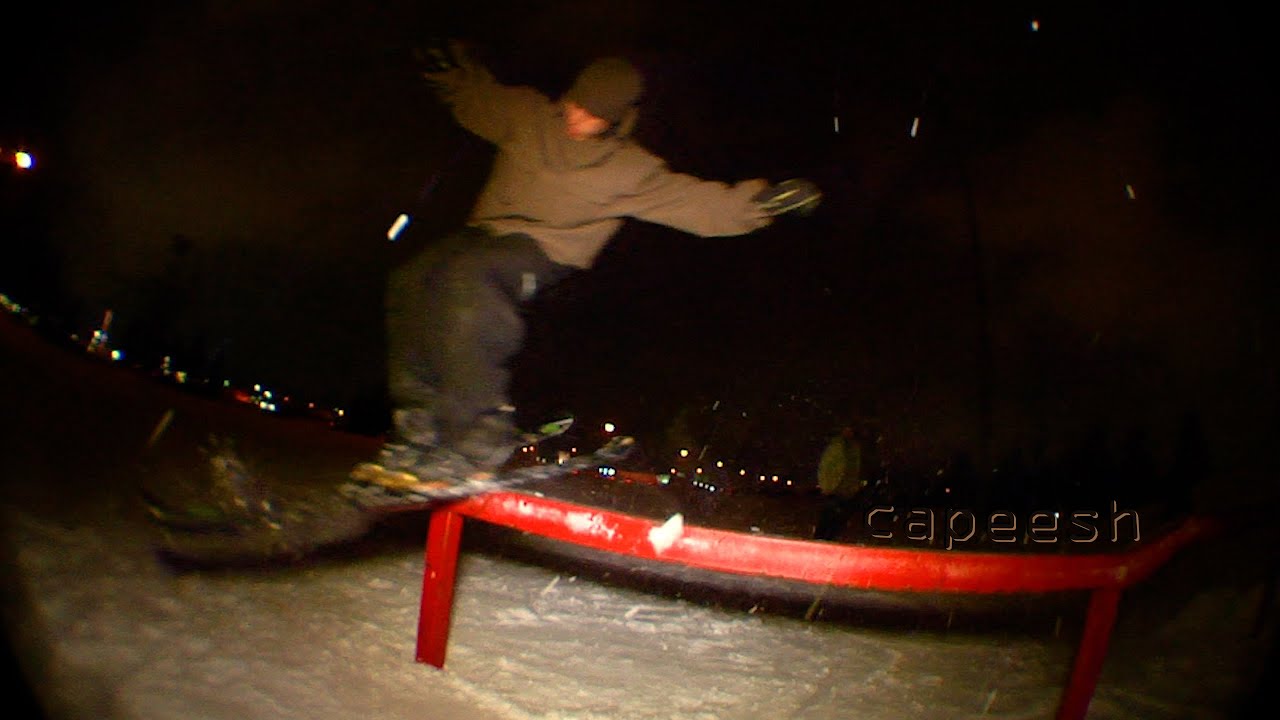
Dahl’s technical legacy is not a single signature spin. It is the way he arranged a full run around rails. His skiing used front swaps, pretzels, continuing rotations, disaster entries, switch landings, blunt-style grabs, bio shapes, right triple cork 1620s, switch double cork 1440s and controlled jump exits without making the rail section feel like a waiting room before the jumps.
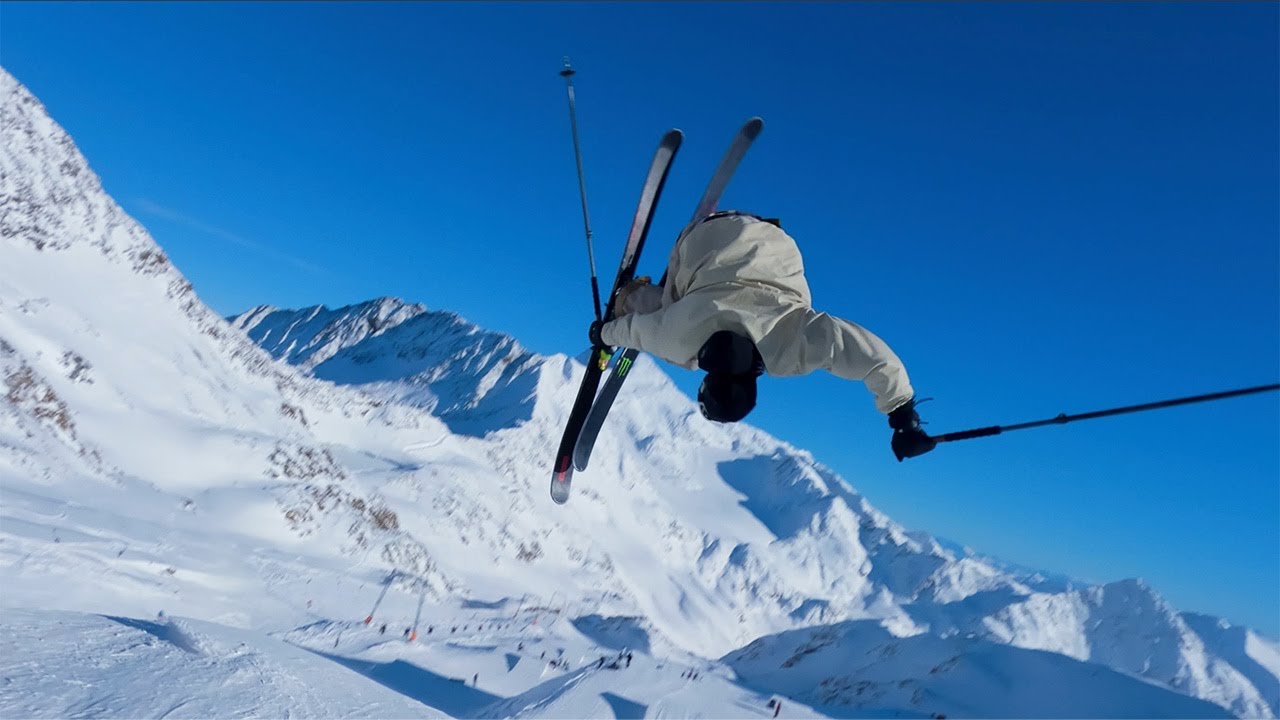
FIS described his March 2019 Mammoth World Cup second-place run with an alley-oop right bio 900 off the quarter kicker, a left bio 900 off the whale-tail jump and a pair of switch double corks through the final kickers. That vocabulary sits between skate-influenced body movement and modern contest requirements. The tricks were difficult, but the posture made them read as style decisions.
Compared with Andri Ragettli, Mac Forehand and Alex Hall, Dahl’s difference was less about maximum numerical escalation and more about shape. He often made the top of the course feel personal: low shoulders, fast decisions, rail pressure that looked intentional, and movement that suggested he had watched skate footage as closely as competition replays.
Capeesh Began With Sewing And Became A Signal
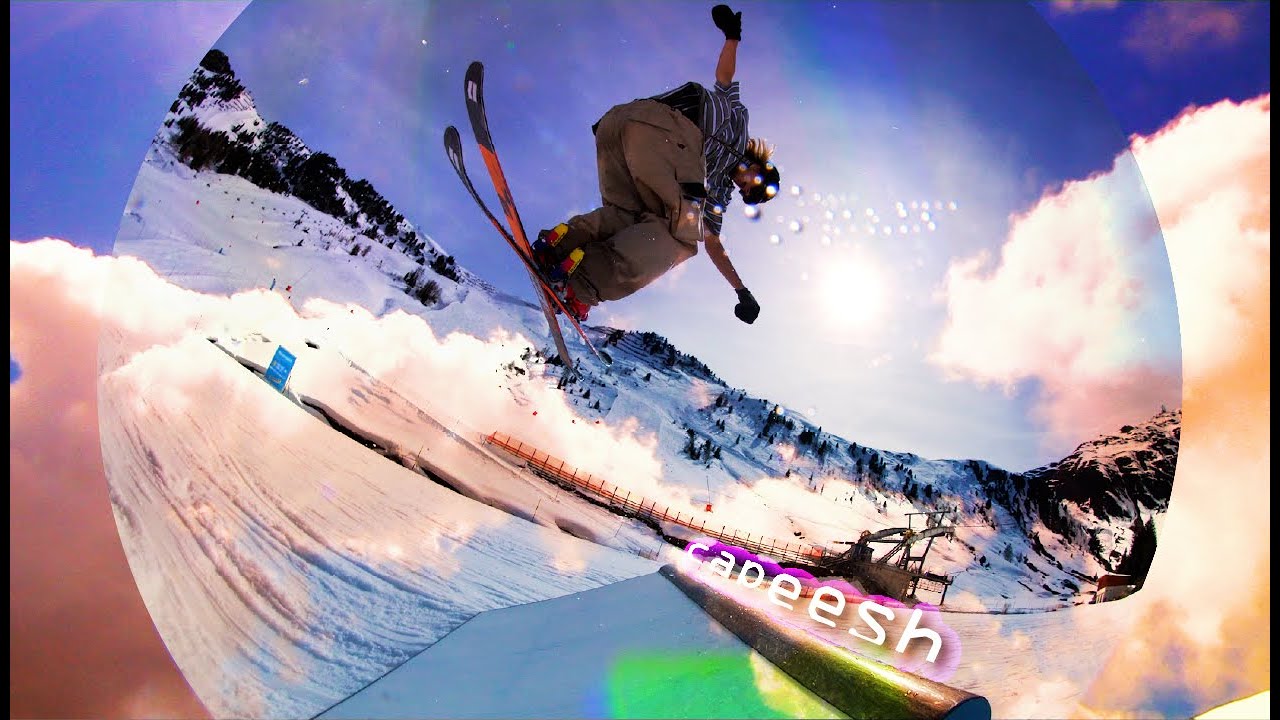
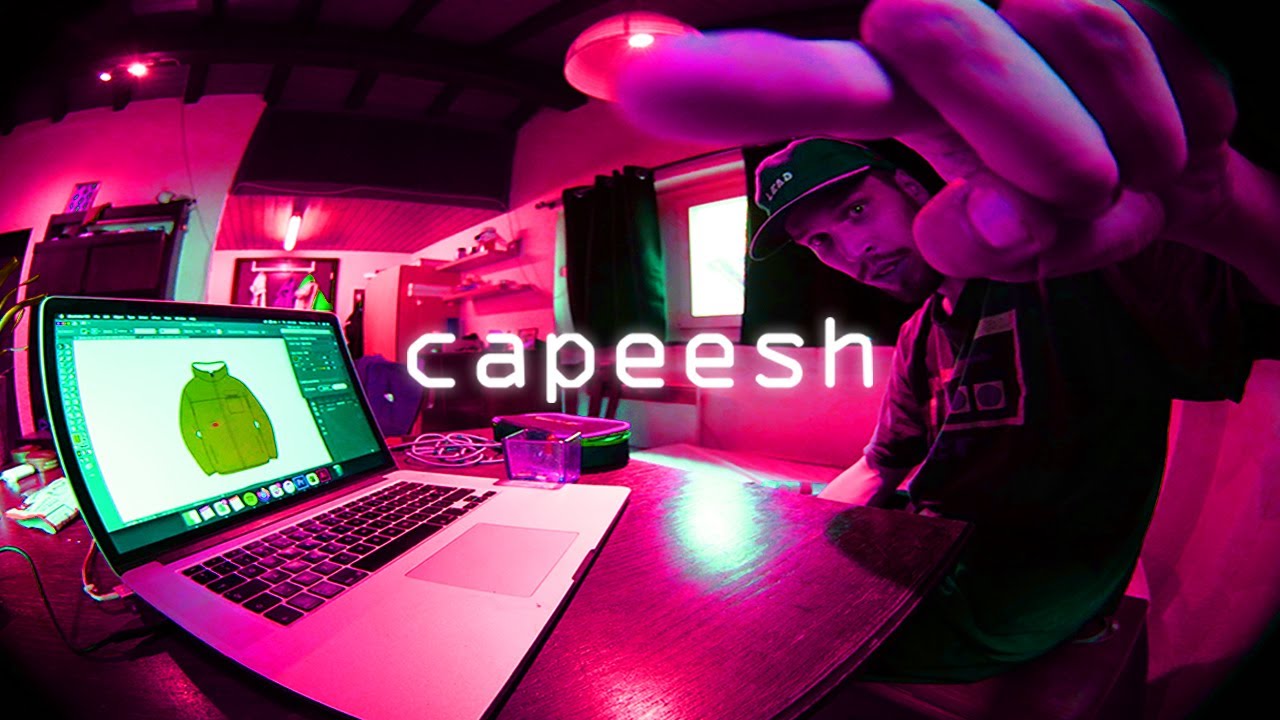
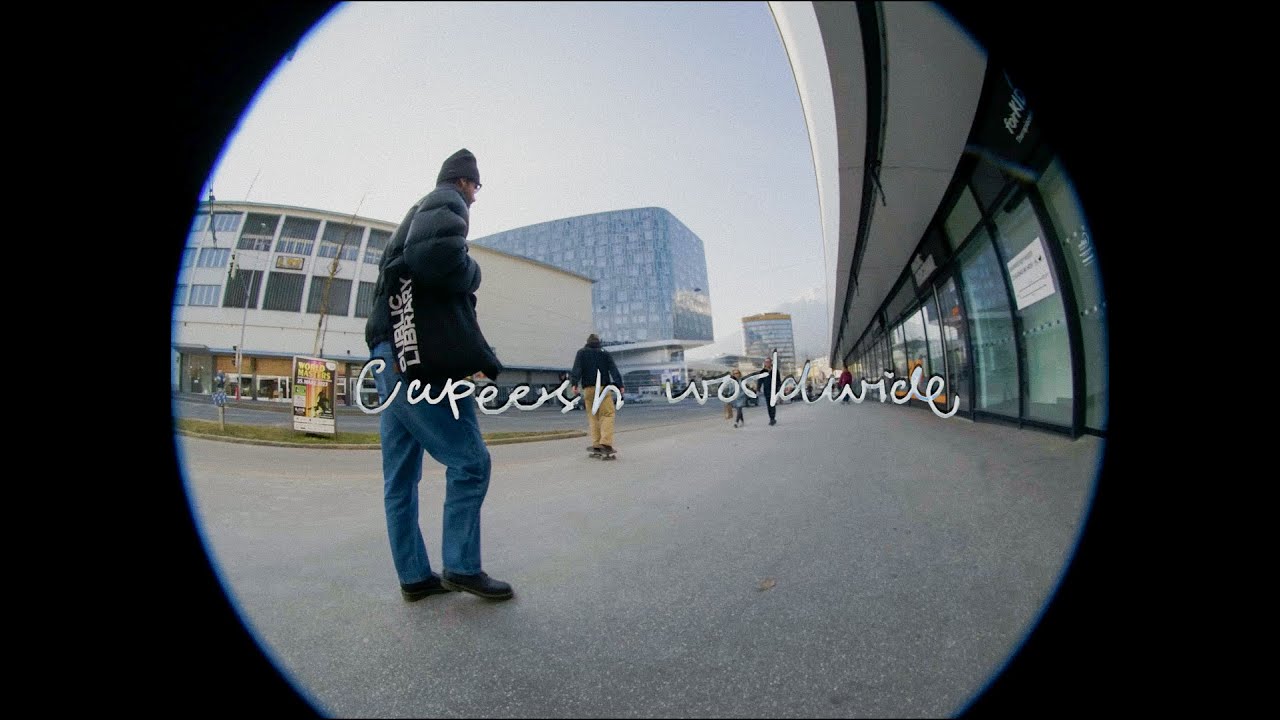
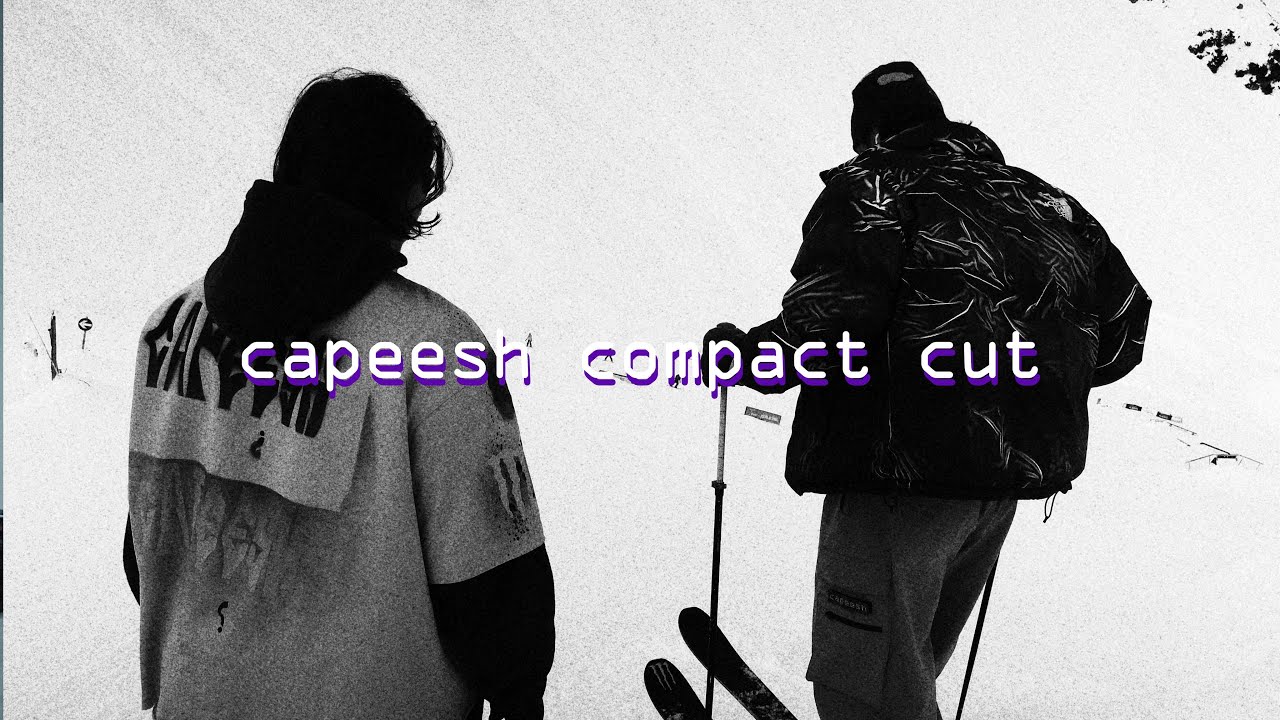
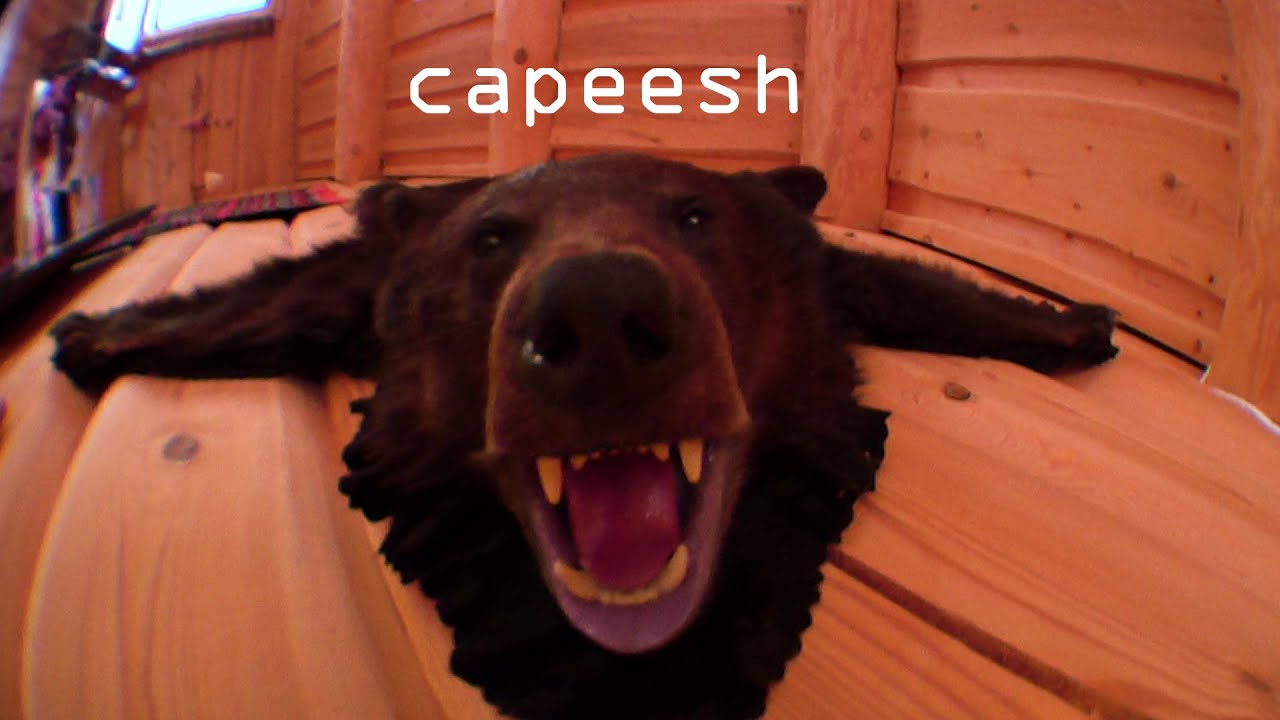
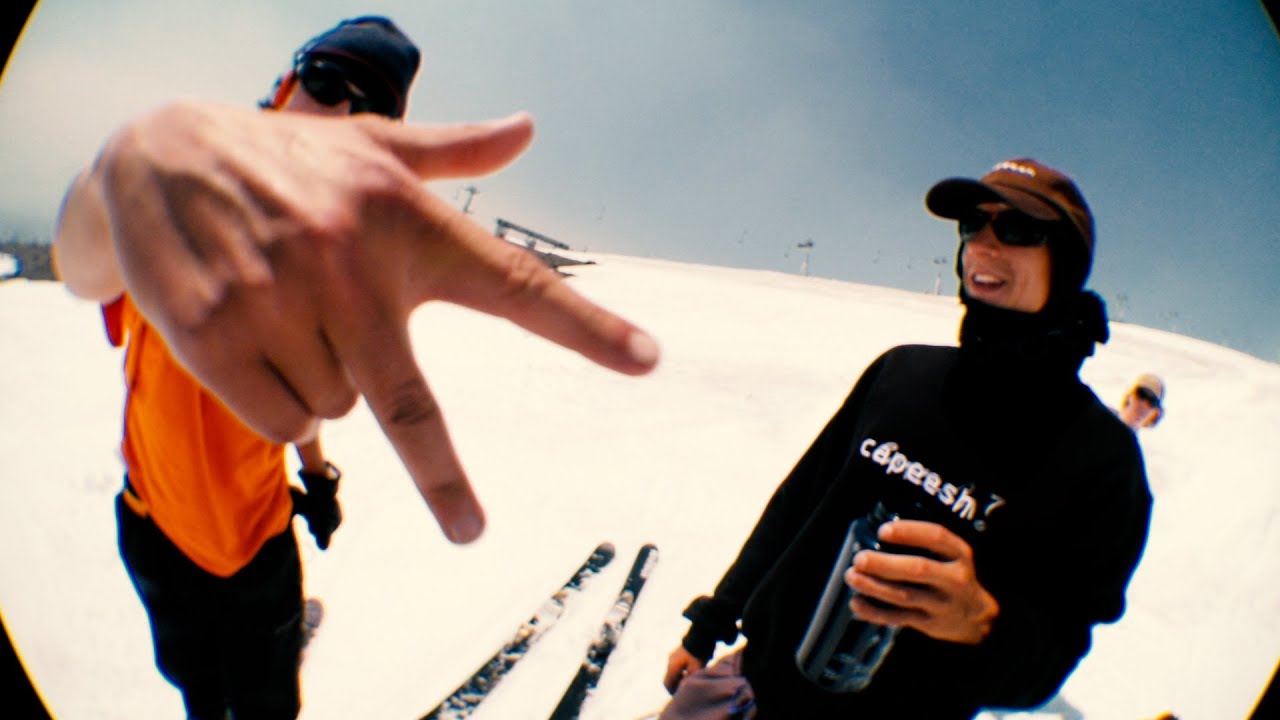
The pandemic years changed the center of gravity. Monster Energy says Dahl picked up sewing as a hobby and expanded Capeesh Supply with teammate Quinn Wolferman. Skipowd’s Capeesh Fashion House page records the brand as founded in 2020 by Ferdinand “Ferdi” Dahl and two childhood friends, with baggy pants, woven belts, patches, oversized silhouettes and park-street styling at its core.
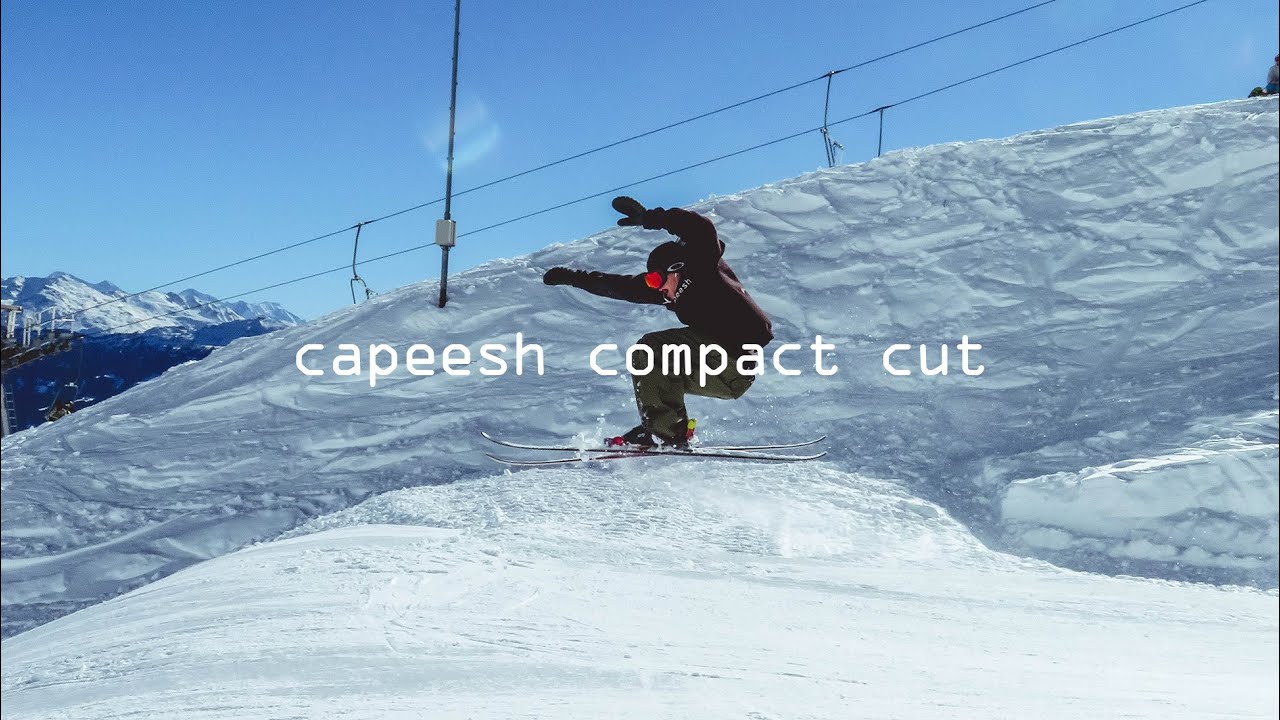
Capeesh works in Dahl’s biography because it is not a random sponsor line. It translates his skiing into clothing: loose pants that move in grabs, belts that become visible in rail clips, patches that make a kit feel personal, and outerwear that belongs in night parks, street missions and crew edits. The product is part of the visual grammar, not decoration after the trick.
The brand also gave Dahl a post-contest role that stayed inside the ski scene. Instead of moving from medals to distant ambassador work, he built a visible object language for younger skiers: Capeesh pants in SLVSH games, belts in Jib League clips, and wide silhouettes in edits with Daniel Bacher, Edouard Therriault, Olivia Asselin, Joona Kangas, Tormod Frostad and Jackson Wells.
Jib League Rewrote The Contest Room
Jib League is the clearest proof that Dahl’s influence outgrew his own bib number. Downdays records the event as founded by James Woods, Ferdinand Dahl and Øystein Bråten in 2023, built as an alternative to mainstream events where creativity, ability and awareness matter as much as spin counts.
The first public language around Jib League was deliberately anti-formal. It looked like a jam session, not a conventional FIS contest. It rewarded rails, feature awareness, improvisation, crew energy and tricks that can be hard to score in a normal slopestyle frame. For Dahl, the format made sense because it scaled up something he had already been doing inside contest runs: making the rail section the place where identity appears.
Season 2 and Season 3 strengthened the map through Nordkette, Myrkdalen, Sugar Bowl and Austrian stops. The participant pool around the project has included skiers such as Matěj Švancer, Tormod Frostad, Mikkel Brusletto Kaupang, Kai Mahler, Beau-James Wells, Rell Harwood, Edouard Therriault, Olivia Asselin and Joona Kangas. That list shows the point: Jib League is not a retirement hobby. It is a platform for the skiers now shaping park culture.
Vishnu, Phaenom And The Post-Competition Kit
After the national-team phase, the support structure shifted toward brands that fit the creative chapter. Newschoolers described Dahl in 2024 as signed with Vishnu and focusing on Capeesh and Jib League. Phaenom calls him an Olympian with nine World Cup podiums, a Capeesh Supply force and a Jib League co-founder.
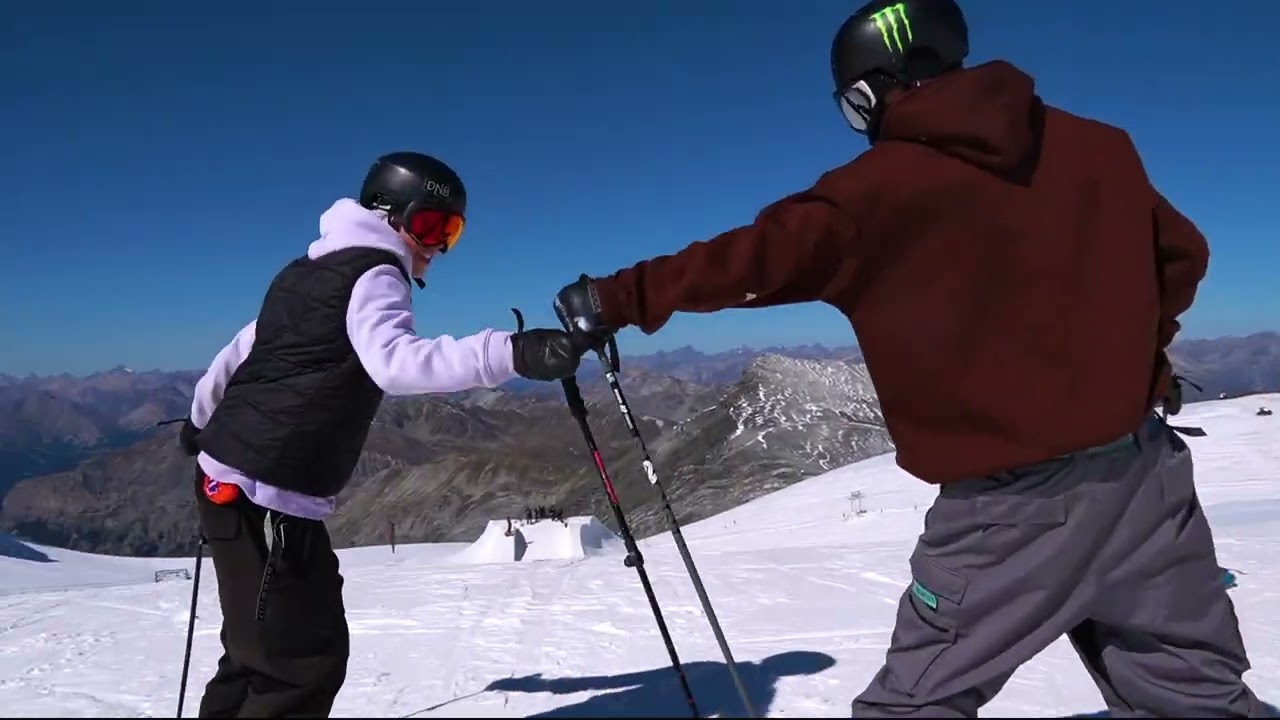
Monster Energy remains part of the public record, connecting him to Oppegård, Oslo Winterpark, the 2017-18 World Cup surge and the 2019 X Games bronze. The brand description also captures the technical split in his skiing: comfortable regular and switch, strong on rails, but not limited to jibbing because his aerial game carried World Cup and X Games podium weight.
Vishnu fits the rail-heavy identity, Phaenom fits the modern freestyle boot conversation, Monster fits the contest-to-media bridge, and Capeesh is the self-built layer. The current setup is not a single team page. It is an ecosystem: equipment, apparel, events, edits, battles and a skier who turned his taste into infrastructure.
CATPISS, SLVSH And The Current Video Map
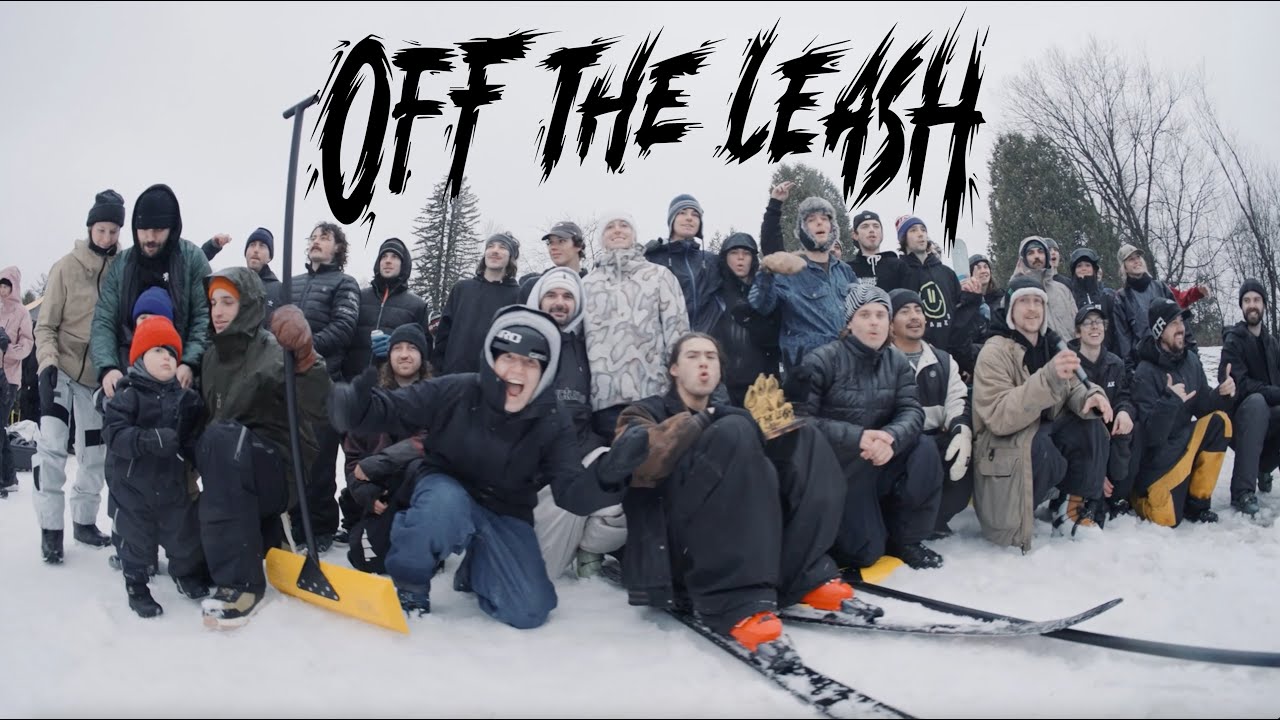
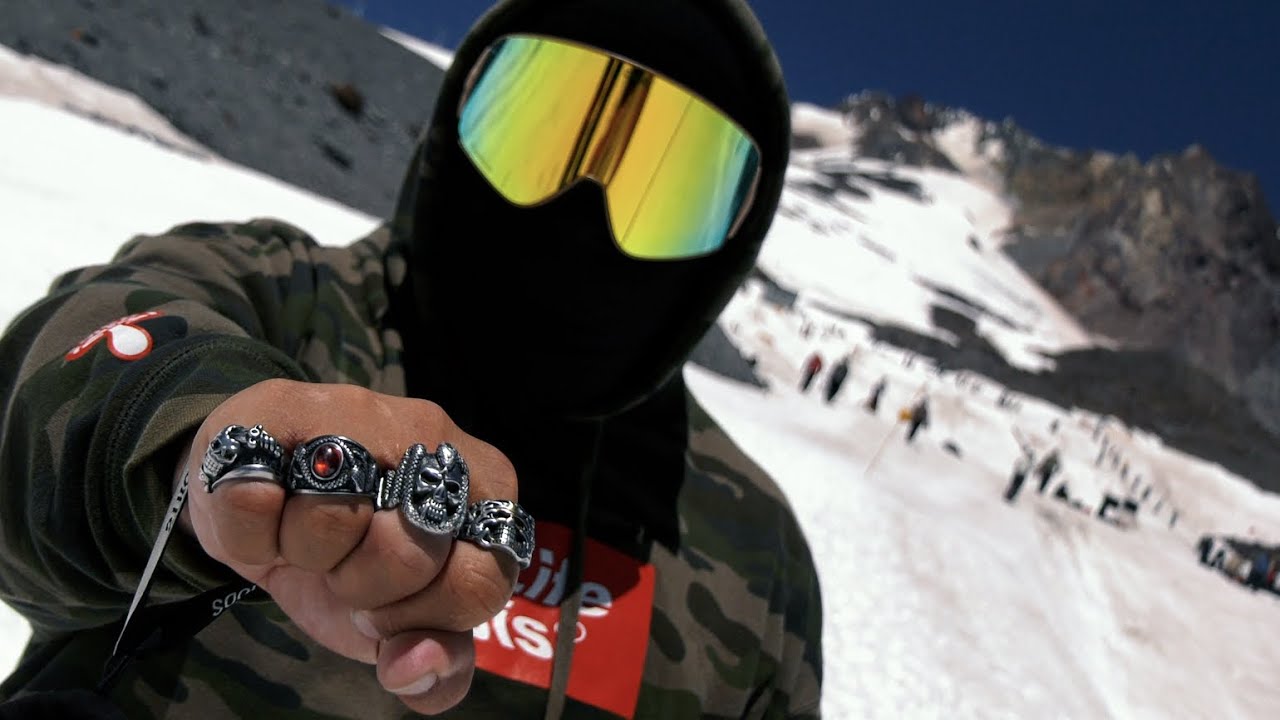
The video record keeps the second career visible. Skipowd lists Ferdinand Dahl - Off The Leash Video Edition from November 3, 2024, back2stay from Mt. Hood on August 8, 2025, CATPISS from December 1, 2025, ccc #3 from Muttereralm on February 23, 2026 and multiple Grandvalira SLVSH games at Sunset Park Henrik Harlaut.
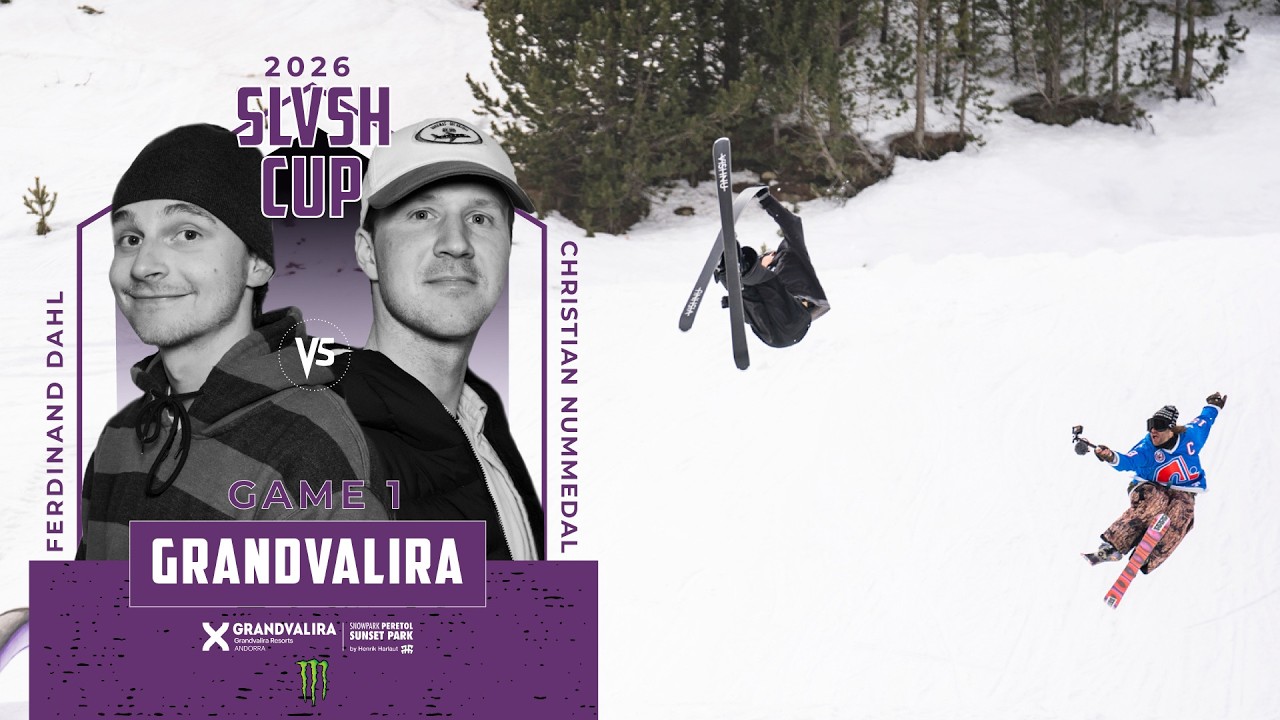
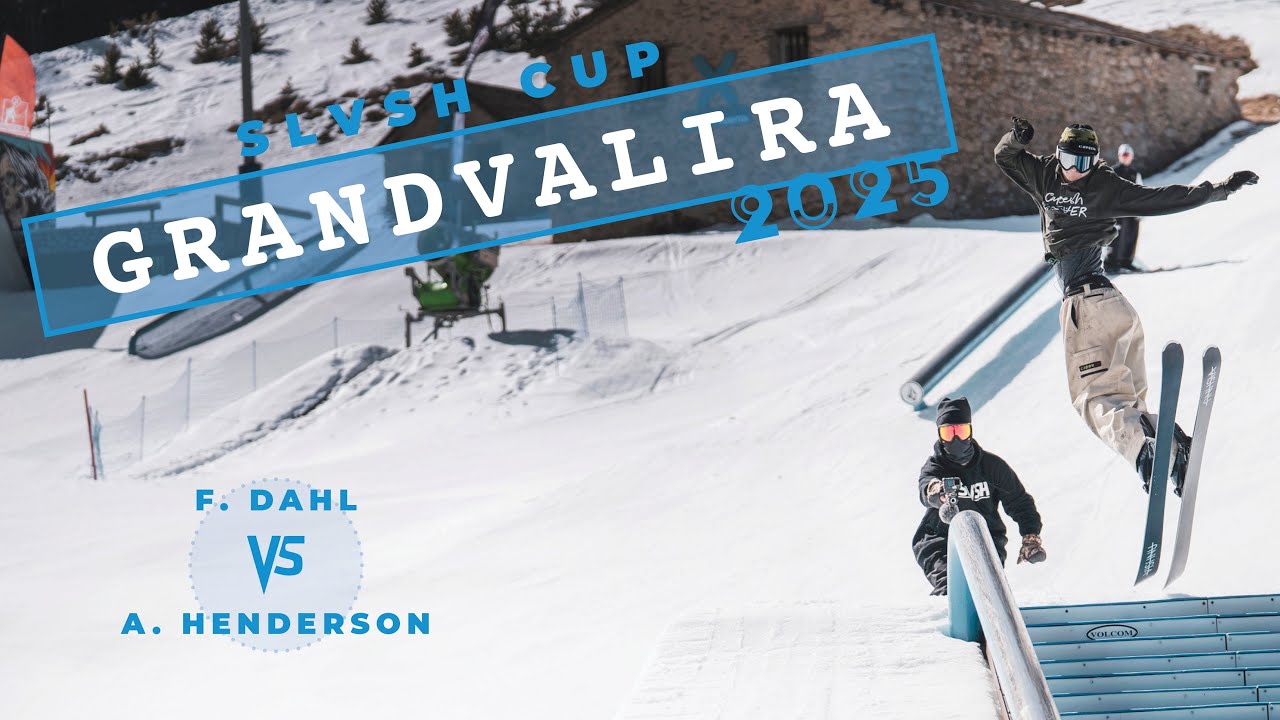
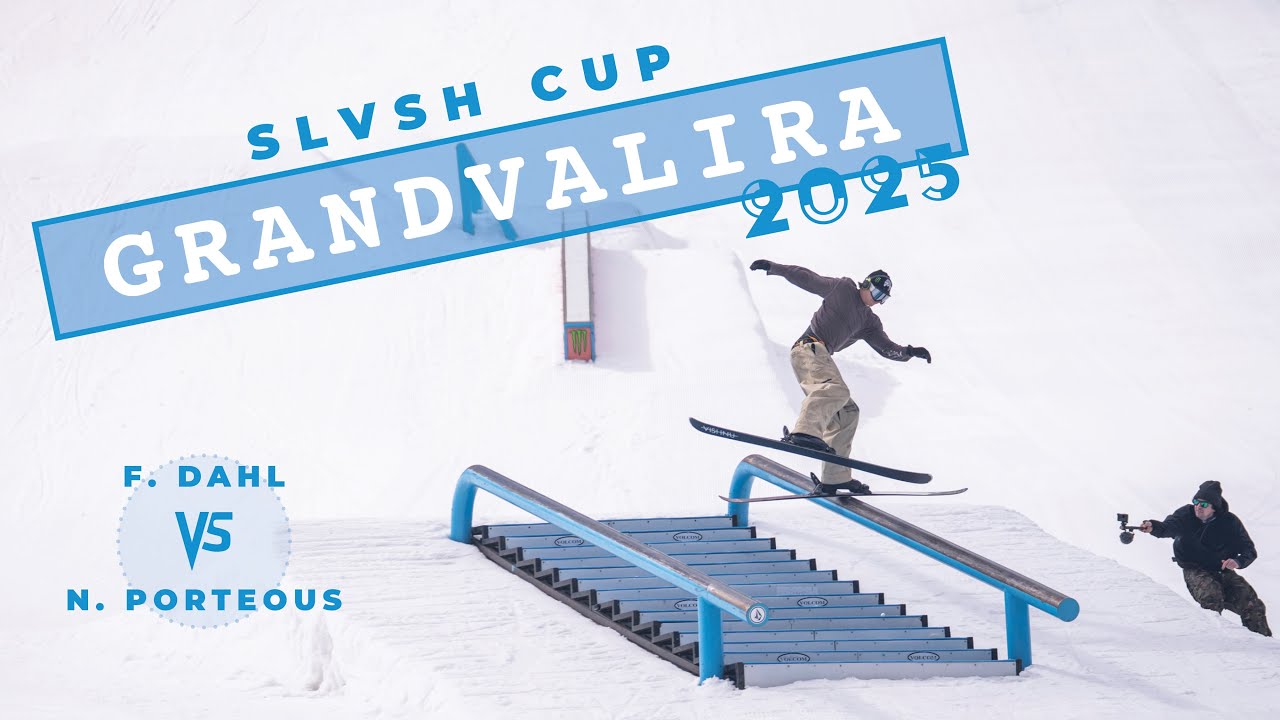
The SLVSH thread is useful because it keeps Dahl in head-to-head trick language. At Grandvalira 2025, he appeared against Nico Porteous and Alec Henderson. At Grandvalira 2026, skipowd lists a Game 1 matchup against Christian Nummedal. Those battles connect him back to the same Norwegian contest generation that shaped his World Cup years, but inside a format where trick calling and pressure are the product.
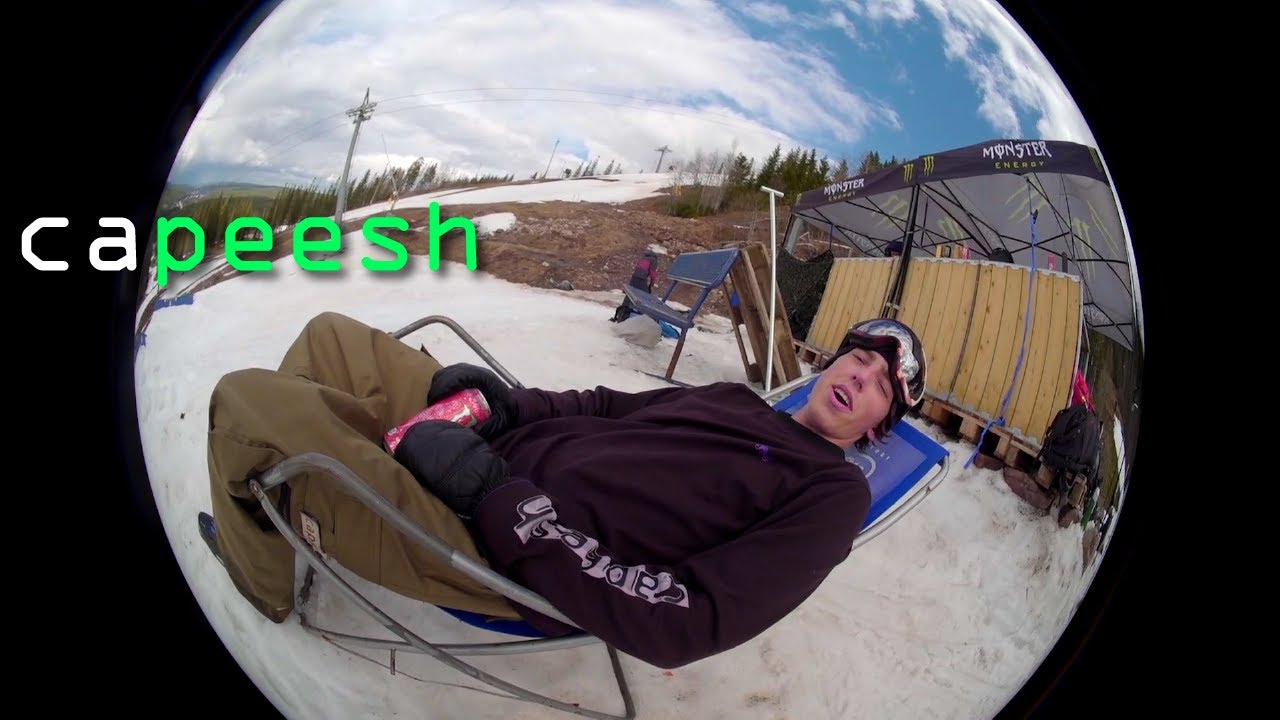
CATPISS adds the Capeesh team-movie layer. The listed crew includes Daniel Bacher, Edouard Therriault, Hugo Burvall, Jackson Tito Jenkins, Jackson Wells, Joona Kangas, Kai Mahler, Matěj Švancer, Tormod Frostad, Trym Sunde Andreassen and Dahl. That is the culture map around him now: not one medal podium, but a web of skiers, brands and events using footage as the main record.
The Line He Left Open
Dahl’s competitive archive is already strong enough on its own: FIS code 2532349, two Olympic appearances, eighth at PyeongChang 2018, X Games Aspen bronze in 2019, silver in 2021, bronze in 2023, nine World Cup podiums and second overall in the World Cup slopestyle standings in both 2018 and 2019.
The reason his profile sits higher than a pure contest résumé is what came after. Capeesh gave clothing a rider-led visual language. Jib League gave creative park skiing a different contest room. SLVSH and the Capeesh video archive kept him visible without asking the FIS calendar for permission.
The current factual endpoint is specific: Dahl is no longer active in the FIS sense, but the ski culture around him is active in every other way. His line now runs through Capeesh edits, Jib League formats, SLVSH battles, Monster-supported media, Phaenom product identity and the younger riders who learned that rails can carry a career as much as medals can.