Stanley
United States
American insulated drinkware and food gear brand | Founded 1913 by inventor William Stanley Jr. | Known for: Classic Vacuum Bottle, Quencher, IceFlow, leakproof bottles, food jars, coolers and Built For Life durability | Focus: keeping skiers warm, hydrated and organized through resort days, road trips, parking lot meals, filming missions and cold mountain travel.
1913 steel vacuum invention and the thermos that followed skiers outside
Stanley 1913 is not a ski manufacturer, outerwear label, crew or film studio. It is an insulated drinkware and food gear brand whose connection to skiing is practical rather than technical underfoot. The brand began in 1913 when William Stanley Jr. combined vacuum insulation with steel construction, creating the all steel vacuum bottle that became the foundation of the Stanley identity.
That invention matters to skiers because winter days are built around temperature management. A skier may spend hours in a freezing parking lot, ride cold lifts, wait for a film window, skin before sunrise, drive through storms or stand beside a rail feature while a crew resets the shot. In those moments, a hot coffee, soup, tea or bottle that does not crack in the cold becomes more than a lifestyle object. It becomes support gear.
Stanley’s ski relevance is therefore quiet but real. The brand does not shape the turn like a ski, binding or boot. It shapes the day around the skiing. It sits in the truck, hut, patrol room, guide pack, snowmobile tunnel, film van or tailgate. For skipowd.tv, that makes Stanley a strong support sponsor: not snow hardgoods, but mountain utility with more than a century of outdoor history.
Classic Bottle Quencher IceFlow and the modern Stanley shelf
Stanley’s current lineup covers several different winter use cases. The Classic Vacuum Bottle remains the core heritage product, built for hot drinks, long days and rough handling. It is the most natural ski town Stanley object: durable, simple, recognizable and useful when the day starts cold. The cup lid and high capacity formats make it ideal for parking lot coffee, hut tea, guide breaks or family resort lunches.
The Quencher line belongs more to modern daily hydration culture. It is not the most technical ski pack bottle, but it works well for road trips, lodge days, après drives, gym sessions before skiing and everyday hydration around winter travel. IceFlow products sit closer to active use, with flip straw and bottle designs that fit skiers who want cold water, electrolyte mixes or quick sips between sessions.
Food jars, lunch containers, coolers, jugs and camp cookware broaden the brand beyond drinks. That is important for skiing because food is part of a full day outside. A warm soup in a food jar can change a cold child’s resort day. A cooler can hold snacks for a crew driving to a storm. A large jug can support spring slush laps, race training or park sessions where hydration matters as much as warmth.
Hot coffee at dawn and cold water for spring laps
Stanley performs best in skiing when the day lasts longer than expected. Resort skiers can leave a Classic Bottle in the car or lodge bag and return to a hot drink after several lift rides. Park skiers can keep water or coffee near the rope tow without relying on expensive mid mountain stops. Freeriders and filmers can carry compact bottles for ridge waits, snowmobile approaches or cold staging zones where small comforts matter.
Backcountry users have a more specific decision to make. A full steel thermos is heavier than a minimalist bottle, so touring skiers should balance warmth against pack weight. For short tours, hut approaches, snowmobile access or cold photography days, Stanley makes sense. For fast alpine objectives, lighter systems may be better. The brand’s value is not ultralight performance. It is durability, insulation and reliability.
Spring skiing flips the problem. Instead of keeping drinks hot, skiers need cold water through slush laps, glacier sessions, parking lot tailgates and sunny park days. Stanley’s cold retention products fit that side of the season. One brand can serve January coffee and May ice water, which explains why it appears naturally in mountain vehicles and travel kits.
Grassroots utility instead of a pro ski team
Stanley does not build ski credibility through a freeride team, World Cup podiums or ski movie athlete roster. Its credibility comes from use. Skiers recognize the products because they show up in ordinary winter places: patrol shacks, guide benches, crew vans, wax rooms, tailgates, family cars, touring packs and lodge tables. That kind of presence is less glamorous than a signature ski, but it can be more universal.
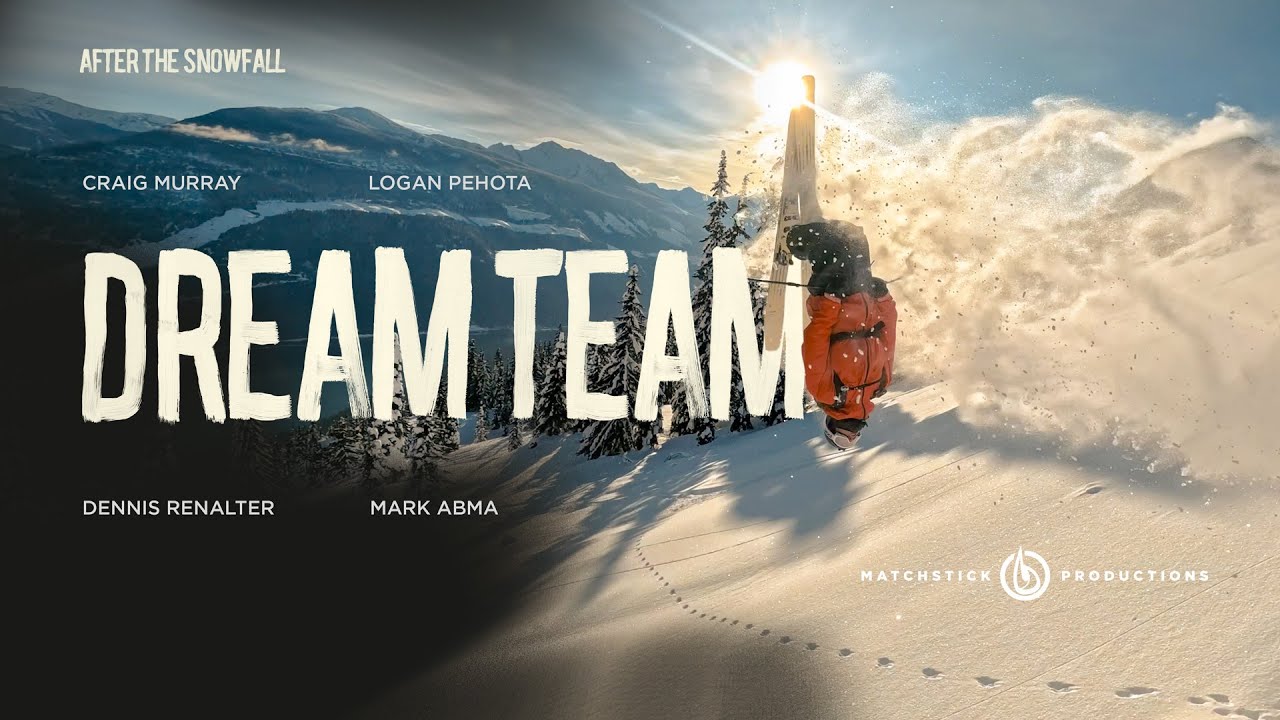
On skipowd.tv, Stanley is connected to ski media through sponsor visibility rather than athlete ownership of a discipline. The page links the brand to a freeride video featuring names such as Craig Murray, Dennis Ranalter, Logan Pehota and Mark Abma, alongside partners such as Matchstick Productions, CMH Heli-Skiing and The North Face. That placement makes sense. Stanley is part of the support layer around big mountain travel and ski storytelling.
The brand’s reputation also changed in recent years as Stanley moved from a workwear and outdoor classic into a mainstream lifestyle object. The Quencher made Stanley more visible to a new audience, but the ski connection still rests on the older promise: reusable steel gear that keeps temperature stable and survives rough handling.
From job sites to ski towns and mountain parking lots
Stanley’s geography is not tied to one ski resort. Its story is American industrial and outdoor culture first, then ski town adoption later. The same bottle that made sense on job sites, fishing trips, campsites and long drives also made sense in winter. Skiers are hard on accessories. They drop bottles in parking lots, knock them against boot bags, leave them in freezing cars and stuff them into wet packs.
That is why the brand migrated naturally into mountain use. In the Rockies, a Classic Bottle can live in a truck during storm chasing. In British Columbia, it can ride in a film van or heli lodge mudroom. In the Alps, it can support cold road transfers and long family resort days. In Japan, it can be part of a powder road trip between towns. Stanley’s appeal is not one famous terrain zone. It is the universal need for hot, cold and durable.
For ski culture, the strongest setting may be the parking lot. Before the lift opens, after the last run, between kids’ lessons, outside a rail jam or beside a snowmobile trailer, Stanley products fit the practical rhythm of winter. They are not the center of the story, but they often make the story easier to live.
Stainless steel vacuum insulation and the Built For Life argument
Stanley’s construction story is straightforward: stainless steel bodies, double wall vacuum insulation, reusable formats, replaceable or cleanable lid systems and durable finishes. The brand’s best products are designed around long service life rather than seasonal novelty. That matters in skiing because mountain accessories are often exposed to cold, impacts, temperature swings and repeated transport.
The Built For Life philosophy is also the brand’s main sustainability argument. A reusable bottle or food jar that lasts for years can reduce disposable cups, plastic bottles and single use packaging during ski trips. That is most meaningful when the product is actually used repeatedly and maintained properly. A Stanley bottle forgotten in a cupboard does nothing. A Stanley bottle that replaces daily lodge cups or gas station bottles across many winters has a clearer value.
Safety and product selection should still be handled carefully. Stanley issued a recall through the U.S. Consumer Product Safety Commission for specific Switchback and Trigger Action travel mugs because of a lid detachment burn hazard. That does not apply to every Stanley product, but it is a reminder that users should check exact models, recalls, lids and intended use, especially when carrying hot liquids in moving vehicles, packs or crowded ski environments.
Choosing a Stanley for resort days touring or road trips
Choosing Stanley starts with the day. For resort skiing and tailgates, a Classic Vacuum Bottle is the most obvious choice. Larger capacities make sense for families, coaches, film crews and anyone sharing coffee, tea or hot chocolate. Smaller bottles work better for solo skiers who want warmth without carrying too much weight.
For pack use, choose slimmer bottles and truly leakproof lids. A bottle that works on a desk may not work in a ski pack surrounded by gloves, goggles, skins and electronics. Touring skiers should think carefully about weight, lid security and whether they really need a full hot drink system. For sidecountry, snowmobile access or cold photo days, the weight penalty is easier to justify.
For spring skiing, Quencher and IceFlow style products are better aligned with hydration, road trips and lodge use. Food jars are best for families, coaches, film crews and long resort days where a warm meal saves time and money. The best Stanley setup is not the trendiest cup. It is the bottle or jar that matches the skier’s actual routine.
Why Stanley belongs in the ski support kit
Stanley matters to skiing because winter is not only the run. It is the drive, the wait, the lunch break, the cold hands around a cup, the filmer standing still, the guide checking weather, the parent trying to keep kids warm and the crew eating from the tailgate before one more lap. Stanley fits those moments with durable objects that do not need much explanation.
The 4 out of 5 importance rating fits because Stanley is historic, globally recognized, highly useful in mountain life and verified inside the skipowd.tv sponsor ecosystem. It should not be rated like a 5 out of 5 ski manufacturer, binding company or film studio because its ski influence is indirect. It does not define ski design, athlete progression or the cinematic language of the sport.
On skipowd.tv, Stanley 1913 belongs as an insulated drinkware and food gear sponsor. Its value is practical: keep coffee hot, water cold, soup ready, crews fed and winter days smoother. For skiers who measure a good season in early alarms, snowy roads, full packs and long parking lot conversations, Stanley is one of those quiet pieces of gear that makes the mountain day feel more complete.