Hokkaidō
Japan
Japan
Japanese powder region on the northern island | Known for: Niseko storms, Rusutsu tree skiing, Furano inland cold smoke, Kiroro snowfall, Mount Yotei touring, Sapporo Olympic heritage and the global Japow image | Season: December to early May depending on resort and elevation | Best for: powder skiers, tree riders, ski tourers, park crews, travel filmmakers and resort based freeriders chasing repeat storm cycles
Sea Of Japan Storms And The Island That Rewrote Powder Travel
Japan gives skiing many identities, but Hokkaido gives it the modern powder myth. The island sits between the Sea of Japan, the Pacific Ocean and the Sea of Okhotsk, with cold winter air moving across water before unloading over volcanic mountains, birch forests and low-elevation resort terrain. Powder Snow Hokkaido, operated by the Hokkaido Ski Promotion Council, frames the island around its winter snowfall and resort network, and that is the right starting point. Hokkaido is not one resort with a famous lift. It is a snow system.
The ski map spreads from the international Niseko corridor to Rusutsu, Kiroro, Sapporo Teine, Furano, Tomamu, Kamui, Asahidake and smaller local hills. That variety matters because each area answers a different storm question. Niseko gives gates, night skiing and international logistics. Rusutsu gives protected tree pods across three peaks. Furano gives colder inland snow and long groomed fall lines. Kiroro catches heavy western storms near Otaru. Sapporo turns powder skiing into a city day. Hokkaido became a global reference because it makes deep snow repeatable, accessible and culturally distinct.
Niseko Annupuri And The Four Resort Powder Machine
Niseko is Hokkaido’s headline name because it combines terrain, infrastructure, English-language access and storm frequency better than any other island hub. The mountain group wraps around the Annupuri massif through Grand Hirafu, Hanazono, Niseko Village and Annupuri, with Mount Yotei rising across the valley as the visual anchor. The skiing is not especially high by global alpine standards, but the snow falls often, the trees give visibility during storms, and the gate system lets experienced riders step outward when conditions allow.
The practical rhythm is simple. On heavy mornings, skiers start in lower trees and sheltered gullies. When visibility improves, the upper gates, bowls and sidecountry shoulders become the draw. Night skiing adds another layer, especially around Hirafu, where storm snow can reset under floodlights while other destinations are already closed. The risk is crowd pressure. Niseko is no longer a secret, so the best skiers read the storm, move early, avoid obvious first tracks obsession and save energy for windows when patrol opens terrain after wind and avalanche checks.
Rusutsu Trees Kiroro Refills And The Western Storm Corridor
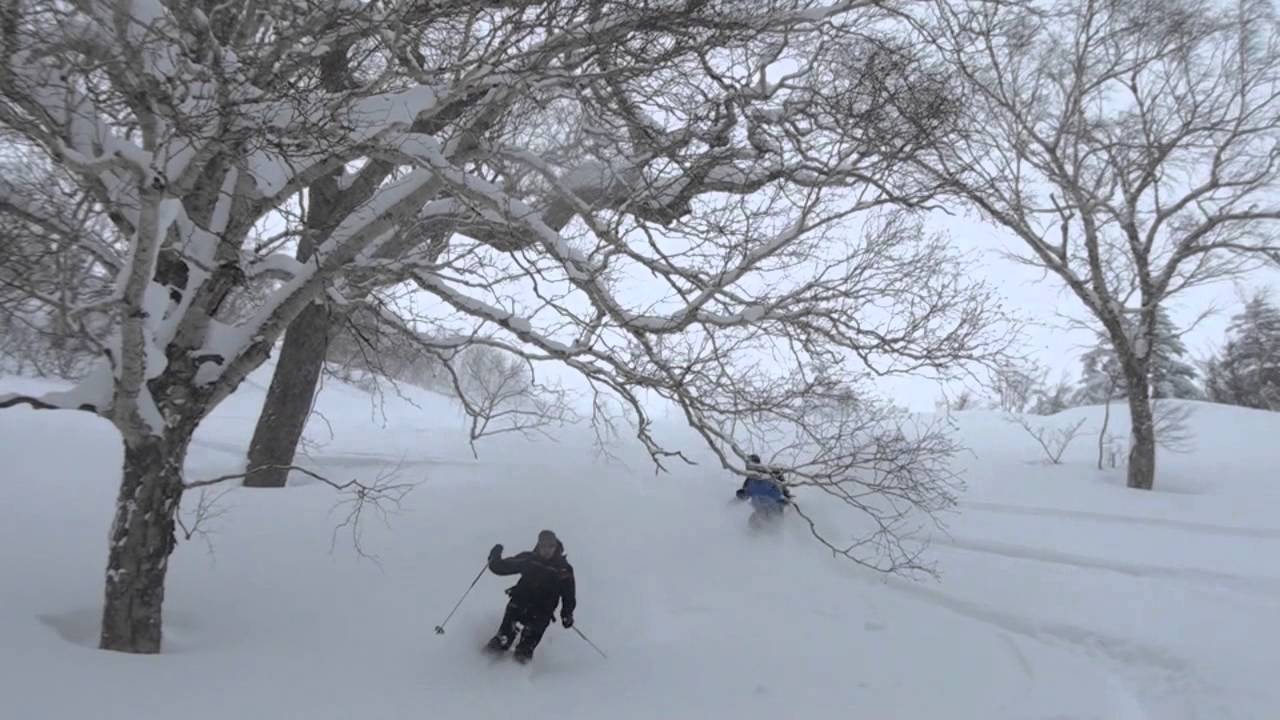
Rusutsu sits close enough to Niseko to share storms, but it skis with a different personality. The resort describes three peaks, 37 runs, four gondolas and 14 lifts, with West Mountain, East Mountain and Mount Isola spreading skiers across a broad snow surface. The strongest freeski appeal is the tree skiing. Gladed lines, natural banks, pillows, rollers and side hits create a playful storm-day environment where visibility stays better than on exposed ridges.
Kiroro adds another western Hokkaido powder option, closer to Otaru and Sapporo. Its reputation is built around frequent snow and a resort layout that suits families on piste while giving powder-focused skiers access to soft terrain, gullies and tree areas when conditions are right. Together, Rusutsu and Kiroro are essential because they prevent a Hokkaido trip from becoming only a Niseko story. They give skiers room to move with weather, crowds and wind direction, which is often the difference between a good Japan trip and a great one.
Furano And The 200 Kilometer Powder Belt
Furano ski resort changes the texture of Hokkaido. Instead of the wetter western corridor, it sits inland in central Hokkaido, where colder air can preserve lighter snow between storm cycles. The official Furano resort page describes two connected zones, Furano and Kitanomine, with 28 trails and terrain that includes ungroomed powder runs and steep cruisers used for FIS World Cup racing in the past. That mix gives Furano a more directional, mountain-town feel than the international Niseko basin.
The wider Hokkaido Powder Belt stretches around 200 kilometers through central Hokkaido, linking areas such as Furano, Tomamu and the Daisetsuzan region. This is the place for skiers who want colder snow, quieter lift lines and more weather-based travel decisions. A storm that feels tracked quickly near Niseko may still leave preserved pockets inland. A high-pressure window can turn Furano groomers into fast carving terrain while touring groups look toward Tokachi or Asahidake for bigger volcanic objectives.
Mount Yotei Shiribetsu And The Volcano Touring Layer
Hokkaido’s ski-touring identity is inseparable from its volcanoes. Mount Yotei dominates the Niseko skyline as a nearly perfect cone, drawing experienced touring groups when stability, weather and timing align. The mountain is not a resort lap. It requires skins, navigation, avalanche awareness, cold management and enough humility to turn around when wind, visibility or snow structure says no. The payoff is visual as much as technical: crater rim, open flanks, long fall lines and views back toward the resort terrain that made the region famous.
Mount Shiribetsu adds a more compact but highly relevant touring reference near the Rusutsu area. Its profile on skipowd.tv is already tied to Stomp It travel content, which fits the way many modern skiers experience Hokkaido: resort powder first, then a guided or educated step toward human-powered terrain. That sequence is important. Hokkaido makes touring look approachable because the snow is inviting and the mountains are visually clean, but the same deep snow can hide terrain traps, glide cracks, buried creek beds and complex wind slabs.
Hanazono Parks Sapporo Nights And Freestyle Between Storms
Hokkaido is not only a powder destination. Its freestyle culture works best between storm cycles, in night sessions and on natural features created by deep snow. Hanazono has become the clearest resort-park reference in the Niseko area, with progressive zones, rails, jumps and evening laps that fit the international rider base. Rusutsu and Tomamu also support freestyle through shaped features, banks, waves and jump lines that can be rebuilt as the snowpack grows.
For natural freestyle, the whole island becomes the park when conditions line up. Birch glades produce pillows and wind lips. Roadside snowbanks create low-consequence airs. Resort cat tracks feed side hits that change shape after every storm. That is why Hokkaido appears so often in modern ski edits. It lets riders land tricks in soft snow without needing massive alpine exposure. The best footage rarely comes from one giant feature. It comes from a sequence: slash, pop, tree gap, pillow, switch powder landing, then ramen and an onsen before the next storm.
Sapporo Teine And The Olympic Edge Of A Snow City
Sapporo gives Hokkaido a rare urban-ski dimension. A major city can function as a powder base, food destination and access hub for nearby hills. Sapporo Teine is the most important historical name because its Highland zone hosted slalom and giant slalom competitions during the 1972 Sapporo Olympic Games. Japan Travel lists the resort with a highest point of 1023 meters, 9 lifts, 1 gondola and 15 courses, while the official Teine mountain page keeps the Olympic story visible in the resort identity.
For freeskiers, the city matters beyond Olympic memory. Sapporo allows a flexible storm plan: ski Teine or Kokusai when travel west is slow, push toward Kiroro when the forecast favors that side, or use the city as a reset between Niseko and the Powder Belt. That structure also supports street and park culture. Deep urban snow, night lighting, compact local hills and a huge food scene make Sapporo a different kind of ski base from a purpose-built resort village.
Odile Jorigné Stomp It And The Skipowd Japow Archive
Hokkaido already has a strong presence inside the skipowd.tv archive. Odile Jorigné connects the island to early ski touring travel films through Hokkaïdo Japon 2013 and HOKKAÏDO 2014 1. Those clips place the region in an exploration lane, before the current wave of heavily packaged Japow travel content. They matter because they show Hokkaido as movement through snow, not just a resort product.
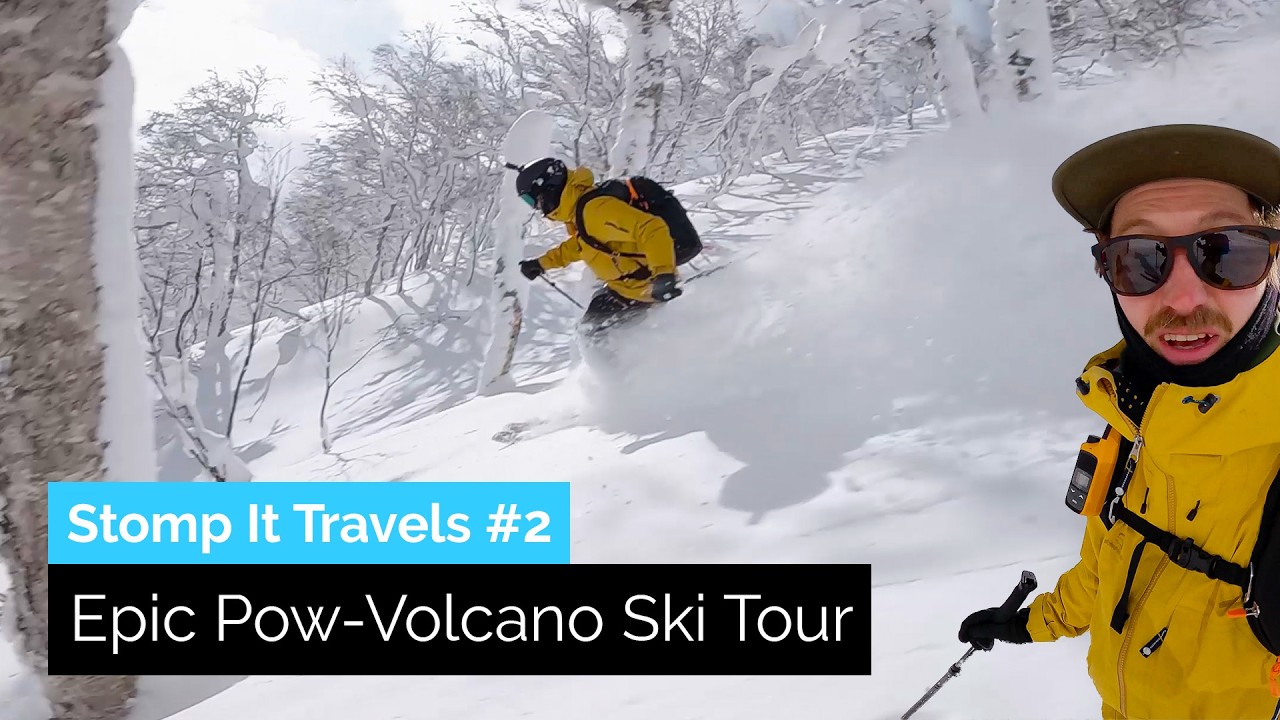
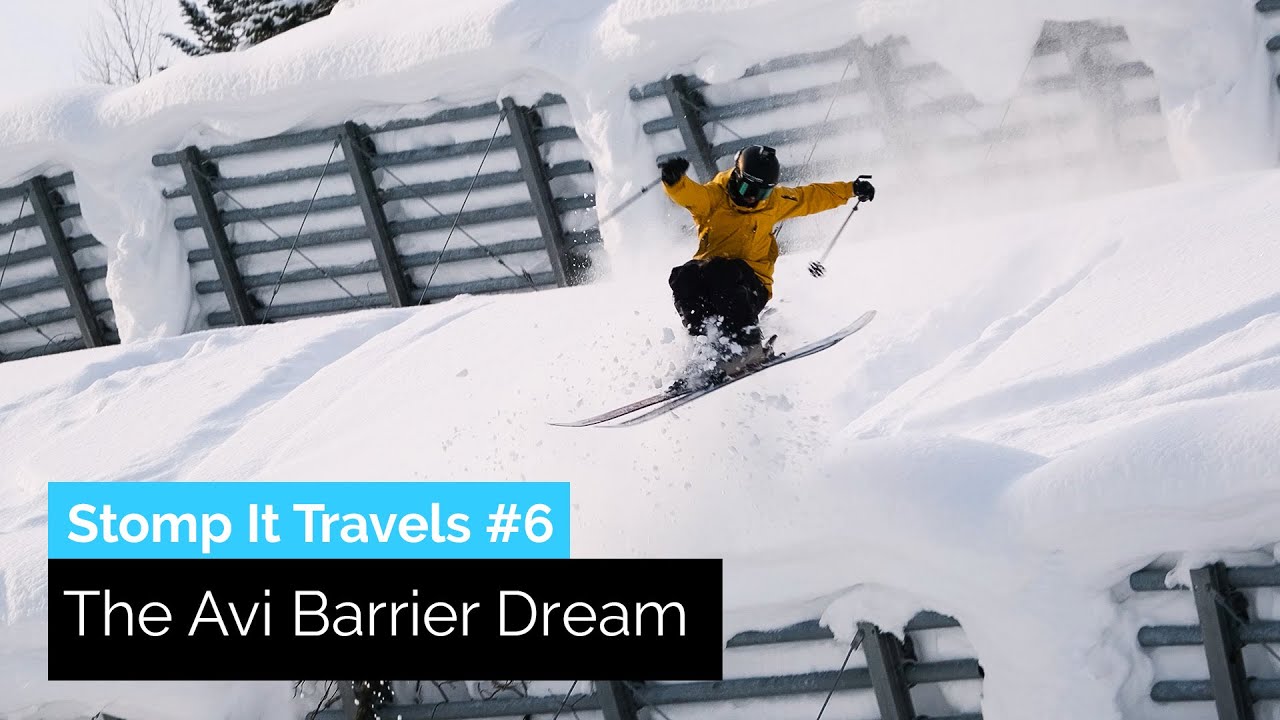
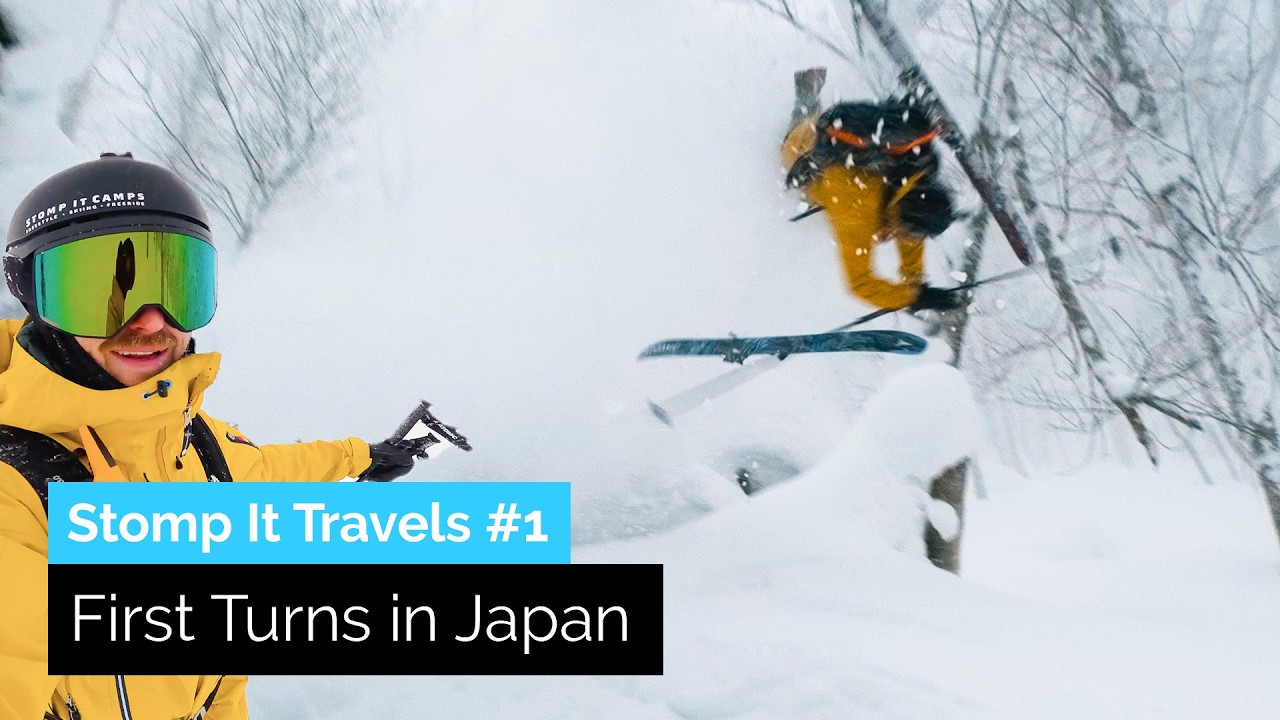
Stomp It Tutorials brings the modern travel education layer, with Hokkaido clips around first turns in Japan, Mount Yotei, Mount Shiribetsu, Furano and avalanche barrier skiing. Micah Evangelista and K2 add a freeride-film angle through Year Later, where Hokkaido sits beside British Columbia, Japan, Mt Baker and other snow-driven locations. That internal archive confirms the region’s range: powder travel, ski touring, freeride, park energy and educational progression all live under the Hokkaido name.
Gates Ropes And Deep Snow Discipline
Hokkaido’s snow can make risk feel soft, which is exactly why discipline matters. The Niseko Rules exist because the area has a serious avalanche and backcountry history. The rules require riders to use gates, avoid ducking ropes, respect closures, stay out of off-limits areas and carry appropriate equipment when entering backcountry terrain. That framework is one of Hokkaido’s strengths. It gives freedom a structure instead of pretending sidecountry is the same as groomed skiing.
The hazards are not abstract. Deep tree snow can create tree wells and suffocation risk. Creek beds can stay hidden under soft coverage. Wind can build slabs near ridges and gates. Cornices can grow quickly after storms. Resort visitors should travel with beacon, shovel and probe when leaving controlled terrain, ski with a visible partner, regroup in safe islands and hire local guides when stepping beyond familiar boundaries. The correct Hokkaido mindset is playful but not casual.
January Refills And March Filming Windows
For maximum powder consistency, January into early February remains the classic Hokkaido target. Storm frequency is high, temperatures stay cold, and lower-elevation forests can refill day after day. The tradeoff is visibility. Many of the best midwinter days are not bluebird postcards; they are storm laps in trees, soft landings in flat light and quick decisions around lift openings. That suits skiers who care more about snow quality than summit photos.
Late February and March bring a different rhythm. The snowpack is deeper, weather windows open more often, and inland areas can preserve winter surfaces while the western corridor starts to see heavier snow between cold pulses. This is the better period for filming, touring and mixed itineraries. A strong plan might use Niseko and Rusutsu for early storms, Furano for inland cold, Sapporo for city resets and a guided Yotei or Shiribetsu day only when stability lines up. April and early May can still work at selected resorts, but the identity shifts toward spring surfaces and higher objectives.
The Hokkaido Reason For Freeskiers
Hokkaido matters because it turns powder skiing into a repeatable learning environment. A skier can arrive as a resort freerider, learn tree rhythm in Niseko or Rusutsu, build confidence in deep landings, take park laps under lights, then step toward guided touring on Yotei, Shiribetsu or the Powder Belt. Few regions connect those stages so naturally. The island is not defined by one peak, one athlete or one event. It is defined by how often the snow gives skiers another chance.
For skipowd.tv, Hokkaido deserves a 5/5 regional profile because it is both a global powder reference and a deep archive location. It links resort skiing, Japow travel, ski touring, natural freestyle, Olympic history, city access and film culture. The most important editorial point is precision: Hokkaido is not just Niseko, not just deep snow, and not just a travel cliché. It is a full winter system where weather, terrain, etiquette and culture decide every good turn.