Revelstoke BC
Rocky Mountains - BC
Canada
British Columbia big-mountain resort town in the Selkirk Mountains | Known for: North America’s longest lift-served vertical, 10.5 meters of annual snow, North Bowl, The Last Spike, Rogers Pass touring, and deep film culture | Season: December to April | Best for: advanced freeriders, storm skiers, park-to-powder crews, and backcountry-minded riders with avalanche discipline
Mount Mackenzie And The Vertical That Defines Revy
Mount Mackenzie rises above the Columbia River valley with Revelstoke Mountain Resort dropping 1,713 meters from its high terrain to the village base. That continuous fall line is the number that built the modern Revy myth: the longest lift-served vertical descent in North America, backed by Selkirk storm cycles, old-growth trees, alpine bowls, and a town where winter still feels like the main language.
Revelstoke Mountain Resort lists 3,121 skiable acres, 75 runs, 10.5 meters of annual average snowfall, four bowls, and the 15.2-kilometer Last Spike as its longest run. Inside British Columbia, that puts Revelstoke in a different category from polished all-round resorts. Whistler-Blackcomb wins on scale and global event visibility, but Revelstoke wins on the feeling of sustained gravity: one mountain, one big vertical line, and enough snow to keep strong skiers busy for a full week.
Stoke Chair Bowls And The Selkirk Snow Engine
The mountain’s core rhythm starts with the Revelation Gondola, then moves higher through the Stoke Chair, Ripper Chair, and Stellar Chair. The official elevations tell the story: the village sits at 512 meters, Stoke Chair reaches 2,225 meters, and the Sub Peak rises to 2,340 meters when conditions allow access. That elevation spread lets skiers adjust by temperature, storm intensity, and visibility rather than committing to one fixed snow surface.
The four named bowls are South Bowl, North Bowl, Separate Reality, and Greely Bowl. Each one rides differently depending on wind direction and patrol openings. North Bowl gives the resort its most obvious freeride identity, while Greely and Separate Reality can deliver the kind of drifted, technical snow that rewards patient line choice. The best Revy days rarely come from charging blindly. They come from reading ribs, gullies, entrances, and exits before the snow starts moving under your skis.
January and February bring the most reliable cold snow for powder skiing, tree laps, and natural landings. March adds longer light and better filming windows, especially after storms clear over Mount Begbie and the Columbia River. April can still deliver winter snow up high, but lower-mountain laps often shift toward soft surfaces, spring turns, and park sessions under the Stoke Chair.
Main Park And Gnome Zone Under The Stoke Chair
Revelstoke’s reputation is freeride-first, but the park program is not an afterthought. The Main Terrain Park sits under the Stoke Chair and is described by the resort as a progressive park with medium-to-large jumps, rails, and boxes. Beside it, Gnome Zone carries small-to-medium jumps, rails, and boxes, giving less experienced riders a way to build speed control and feature confidence before stepping into the larger line.
That placement matters. Park riders are not isolated at the bottom of the hill. They can move from powder laps into feature repetition without abandoning the higher-mountain flow. A skier can open with tree skiing off Ripper, read snow quality higher on Stoke, then finish with rails or jumps when legs are tired and light turns flat. In that sense, Revelstoke’s park is less a destination park and more a useful progression tool inside a bigger mountain day.
The annual King and Queen of the Park event pushes that identity further. Its customized slopestyle course uses hand-shaped jumps, rails, and unique features, with judged runs in the terrain park and spectator viewing from the lift. That format fits Revelstoke because creativity matters more than polished stadium repetition. The best riders can bring powder instincts into park choices: speed, flow, transitions, and feature selection.
North Bowl IFSA And The Freeride Competition Thread
The Revelstoke IFSA Qualifier 4 gives the resort a clear competitive freeride marker. The event is staged in North Bowl, with adult athletes earning points toward Freeride World Tour qualification and global seeding. That is not the same as a full FWT stop, but it proves the mountain has venue terrain with line choice, exposure, judging options, and enough operational structure to run a serious freeride contest.
North Bowl works because it is readable from multiple angles. Riders can choose cleaner directional lines, steeper technical zones, or features that invite small airs and faster exits. The terrain is not Alaska-scale, and it is not the Ozone face at Kicking Horse, but it carries enough pitch and consequence to separate confident freeriders from strong resort skiers who only know speed on groomers.
For public skiers, the event also signals where the mountain’s freeride language lives. A Revy day is not only about finding untouched snow. It is about linking decisions: which entrance, which pocket, which wind lip, which traverse, which exit, and how much speed to keep before the trees tighten. North Bowl makes those choices visible.
Sammy Carlson And The Revy Film Vocabulary
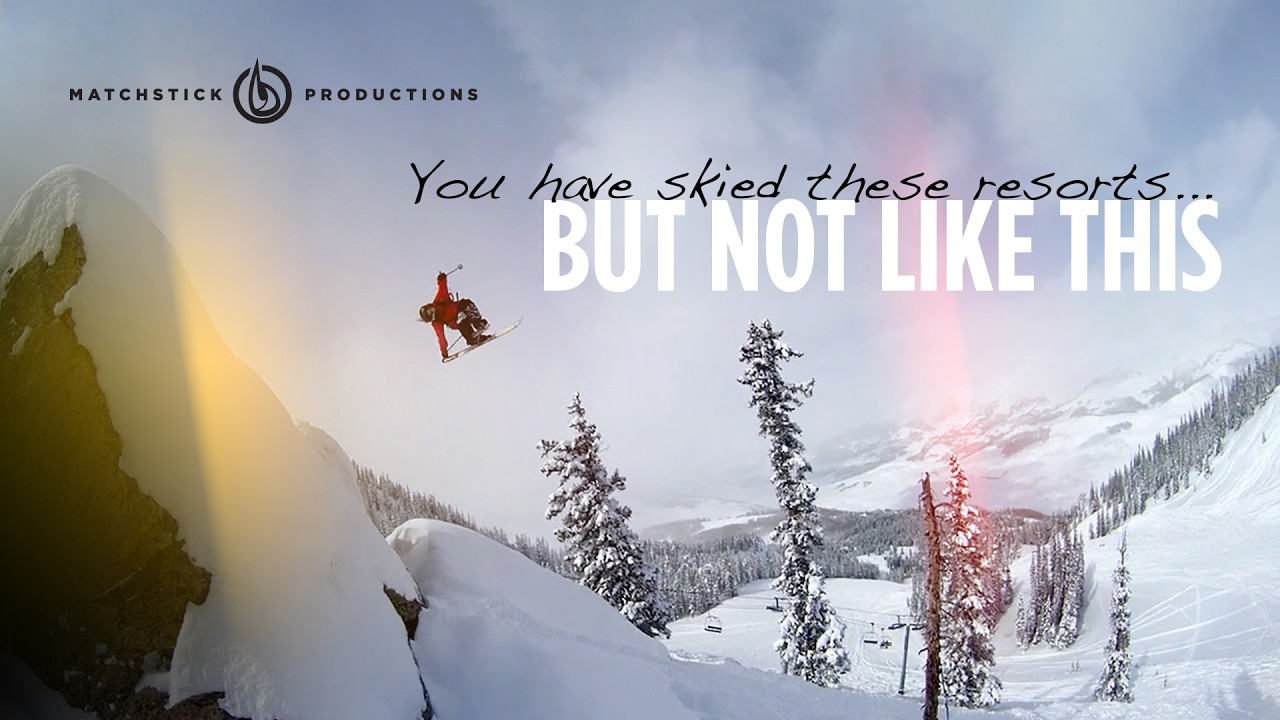
Revelstoke’s modern ski image is inseparable from film culture. Sammy Carlson is one of the strongest references because his move from X Games slopestyle into backcountry freestyle is tied directly to Revelstoke and British Columbia. The terrain around town gives him what his skiing needs: pillows, wind lips, steep trees, sled-access pockets, storm refills, and enough natural features to make technical tricks feel earned rather than forced.
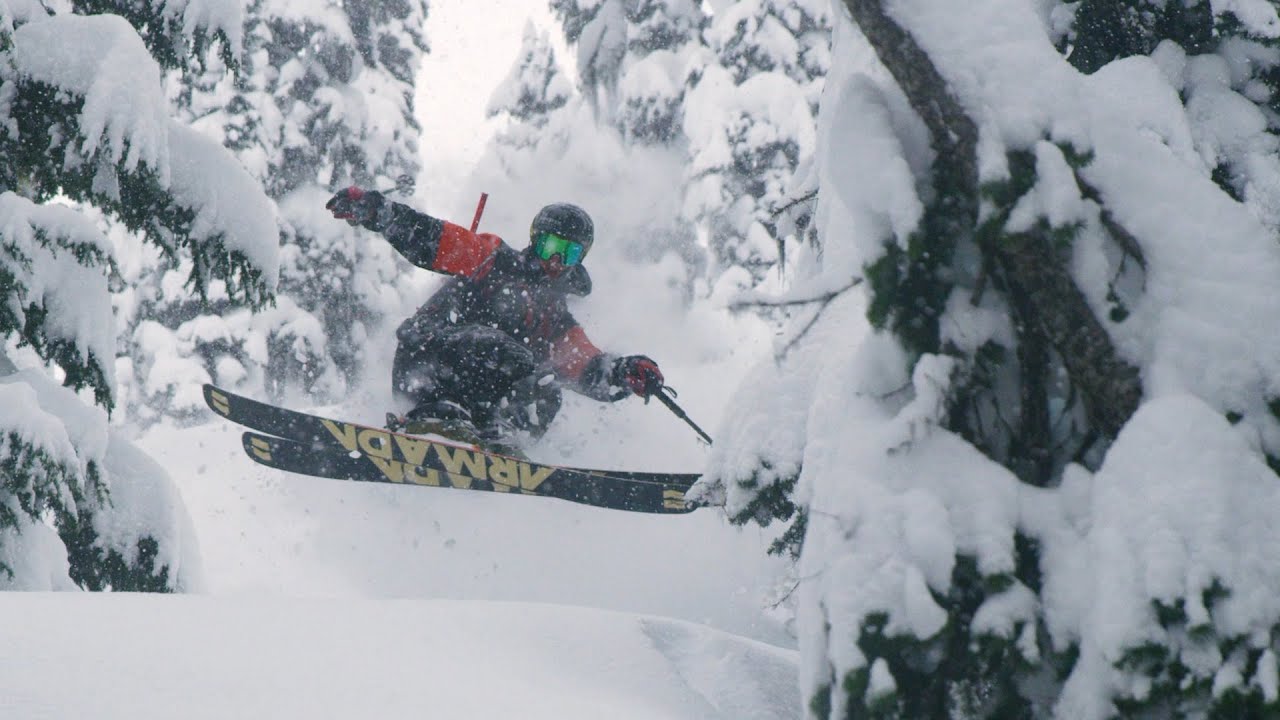
Teton Gravity Research helped formalize that transition through The Sammy C Project, which used Revelstoke Mountain Resort and British Columbia terrain as part of the map between contest skiing and full backcountry film work. Armada fits the same Revy language because Carlson’s Whitewalker-era skiing depends on powder platforms, soft landings, and a surf-style approach to natural features.
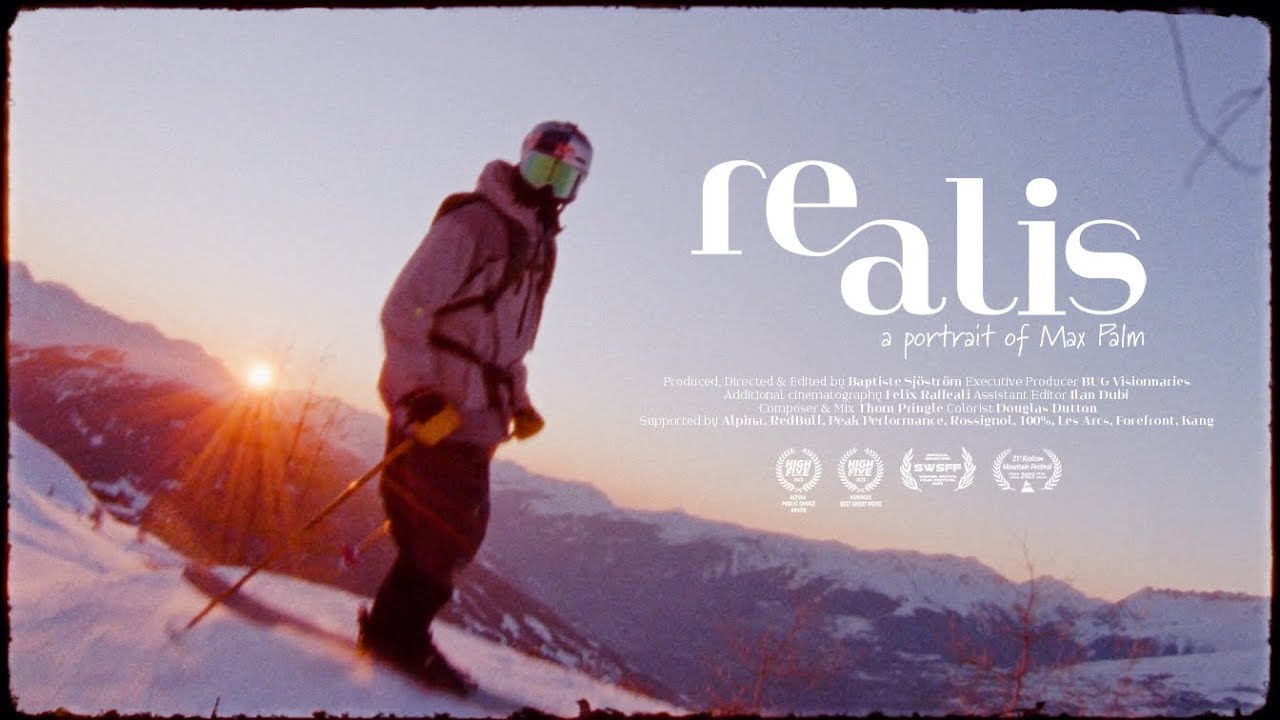
Max Palm adds a different angle through the Revelstoke-linked REALIS portrait on skipowd.tv. Palm’s freeride identity comes from competition pressure and European alpine faces, but Revelstoke gives that style a softer, deeper, more playful canvas. That is why the town works for skiers from different backgrounds. Park riders find natural takeoffs. Freeriders find bowls and chutes. Film crews find weather, texture, and a mountain that still looks wild from the lens.
Kelowna Access And A Mountain Day With No Shortcuts
Most visitors arrive through Kelowna International Airport, with the resort describing Kelowna as roughly a 2.5-hour drive from Revelstoke. Calgary is farther east, about four and a half hours by road, and brings the extra variable of crossing Rogers Pass. The Trans-Canada Highway is part of the destination’s reality. Storms, avalanche control, closures, and winter driving conditions can reshape arrival days, departure days, and powder plans.
Once in town, the resort shuttle runs between downtown Revelstoke and the mountain, which helps visitors stay in town without turning every morning into a parking decision. The base area at Camozzi Road gives easy access to the gondola, while downtown holds the older railway-town energy: coffee, tune shops, bars, small hotels, and a community that still feels more winter-working than resort-polished.
On snow, flow depends on the day’s weather. In storm cycles, Ripper trees and protected lower lines often deliver more useful skiing than exposed bowls. When the ceiling lifts, Stoke and Sub Peak terrain become the objective. On clear days, the top-to-bottom descent forces real leg management. The Last Spike is famous because it is long, but the more important lesson is pacing. Revy rewards skiers who can ski hard without burning the whole day in one lap.
Rogers Pass Permits And Avalanche Discipline
Revelstoke is surrounded by serious backcountry, and that changes the safety conversation. Tourism Revelstoke describes local touring as demanding, with complex terrain, changing snowpack, and days that often involve at least 800 meters of elevation gain. That is the correct tone. The terrain is not a casual side mission just because the town is close and the snow looks soft from the road.
Rogers Pass in Glacier National Park averages 14 meters of snow a year and uses a Winter Permit System because the pass is also home to a major mobile avalanche control program. Permits are not paperwork for paperwork’s sake. They keep skiers out of artillery zones, railway-protection paths, and closed terrain during control operations.
Daily decisions should start with Avalanche Canada, then move through local guide knowledge, group ability, weather, wind, and the terrain actually above you. Beacon, shovel, probe, partner rescue practice, and conservative route selection are baseline requirements for touring. Inside the resort, respect rope lines, North Bowl closures, park closures, and patrol instructions. Revelstoke gives access to huge terrain, but the margin is never automatic.
Why Revy Stays On The Freeski Map
Revelstoke matters because it turns big terrain into a daily system. Some destinations have one famous face. Some have one great park. Some have one deep storm cycle a season. Revy combines vertical, snowfall, bowls, glades, park features, IFSA competition terrain, backcountry access, and a town culture that understands why skiers are there before the lifts open.
The best trip is not built around doing everything. Choose midwinter for powder, storm trees, pillows, and the strongest chance of repeated resets. Choose March for clearer filming windows, better alpine visibility, and a park that has had time to mature. Add Rogers Pass only if the group has the training, permits, partners, and patience to treat it seriously.
That combination keeps Revelstoke relevant even as bigger resorts chase more infrastructure. The mountain does not need a massive village or a global championship every weekend to hold attention. Its strongest fact is still the one skiers feel in their legs: a 1,713-meter descent from Selkirk snow to the Columbia River valley, with another storm waiting somewhere above Mount Mackenzie.