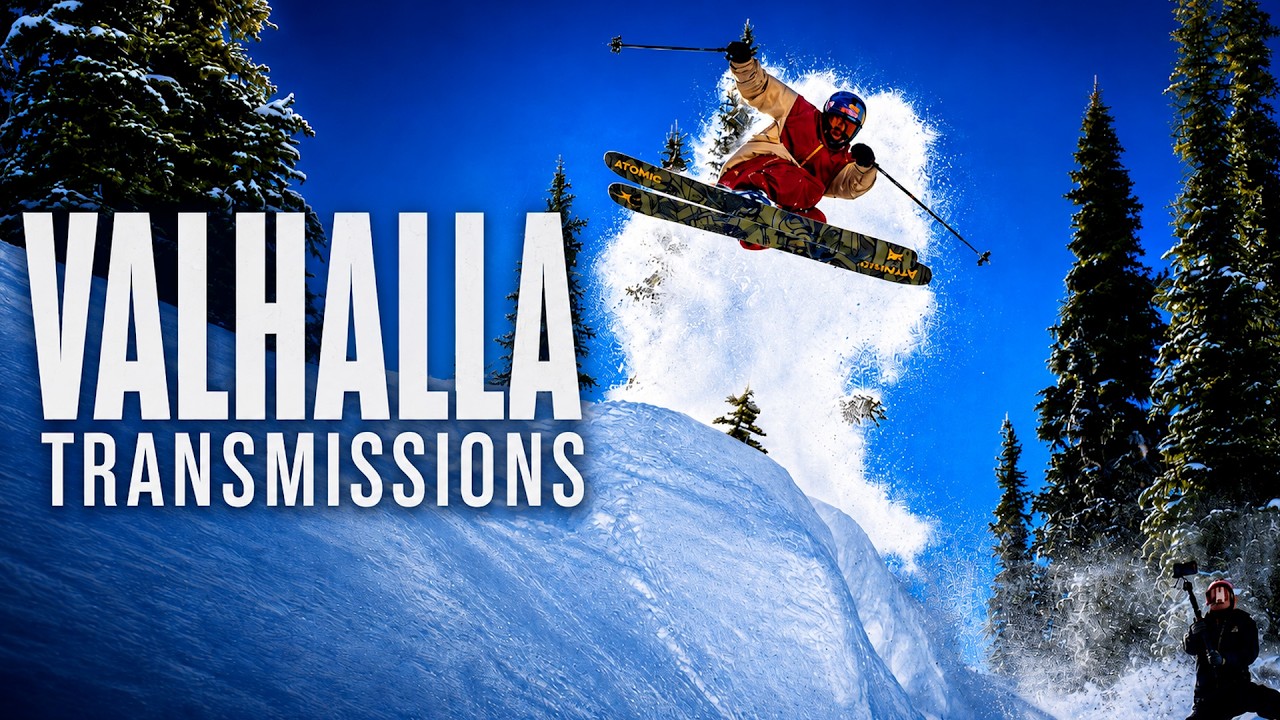
Baldface Valhalla
Canada
British Columbia cat skiing operator | Built from Baldface and the former Valhalla Powdercats tenure | Known for: 21500 acres, expert snowcat day trips, chutes, cliffs, bowls and deep Selkirk powder | Focus: guided big mountain riding for advanced skiers and snowboarders based near Nelson.
From Valhalla Powdercats to the Baldface frontier
Baldface Valhalla is best understood as a guided cat skiing operator rather than a ski brand, crew or film studio. It sits inside the Baldface world, but it is not the same experience as the classic lodge trip. The Valhalla program grew from the former Valhalla Powdercats tenure, which Baldface acquired before the Covid period before beginning operations as Baldface Valhalla in fall 2021. That history gives the name a useful double identity: the credibility of Baldface, paired with a separate mountain zone built for a different rhythm.
The result is a day-trip powder operation with a more stripped-down feel than the lodge. There is no need to frame it as a luxury resort product. Baldface Valhalla is about snowcats, guide teams, steep terrain, early check-in, backcountry movement and returning from the field at the end of the day. For skipowd.tv, that makes it a strong profile because it connects directly to the type of skiing that drives video culture: deep turns, big-mountain features, tree lanes, cliff options, fall-line speed and raw powder footage.
21500 acres across the Valhalla Range
The headline number is 21500 acres of terrain in the Valhalla Range. Baldface describes the zone as high alpine terrain with consistent fall-line descents, chutes, cliffs, exposed lines, bowls and tree riding. The highest accessed peak is listed at 8000 feet, with runs varying from 1200 to 3000 vertical feet. Average daily vertical is published at 13000 to 18000 feet, which tells skiers what kind of day this is: not a casual scenic tour, but a repeated powder-lap machine when weather, group speed and conditions cooperate.
That scale also changes the terrain conversation. A cat operation is not about one named lift or one patrol-opened bowl. It depends on guide choice, snow stability, road access, storm history and the ability to move a group through terrain without wasting the day. Baldface Valhalla’s strongest public identity is big-mountain snowcat access with enough variety to mix trees, alpine openings and featured descents. The phrase “Valhalla” can sound mythic, but here it is attached to a practical terrain promise: lots of ground, steep options and a format built around full-day guided riding.
Expert terrain with no groomed safety net
Baldface Valhalla is explicit about ability level. The official language targets advanced and expert shredders, and the FAQ goes further by saying skiers and snowboarders should be experts. That distinction matters. This is not a place to learn powder, test basic tree skiing for the first time or rely on groomers as a reset. The operation states that it does not groom runs, that guests should be prepared for trees, and that they may be asked to sit out if they cannot keep up with the group.
For freeskiers, the appeal is obvious. Good skiers want terrain that does not feel flattened into a resort product. They want rollovers, rhythm, speed checks, natural features, pillows, tight exits and options that reward strong technique. But the same elements that make Baldface Valhalla attractive also raise the entry bar. A skier needs powder legs, directional control, confidence in variable snow and the judgment to follow a guide’s line choice. In video terms, the place looks like freedom. In operational terms, it requires discipline.
Guides snowcats and the daily powder engine
The snowcat format defines the whole experience. Each cat can accommodate 12 guests, and Baldface states that groups ride with a certified lead guide and a certified second guide. The FAQ lists guide credentials through ACMG or CSGA, along with Wilderness First Responder and Canadian Avalanche Association qualifications. Guests also carry a radio, probe, shovel and avalanche transceiver as part of the safety equipment package.
The day starts early. The published schedule has check-in at the Passmore base, a shuttle to the staging area, safety training for first-day guests and a first descent later in the morning. Once the group is moving, the program is shaped by snow, guide calls and group efficiency. That is why the ability requirement matters so much. A strong group can keep the cat rhythm tight and stack runs; a slower group loses time between transitions. Baldface Valhalla is not selling chairlift freedom. It is selling guided backcountry flow, where the whole group affects the quality of the day.
Nelson access and the West Kootenay powder map
Baldface Valhalla belongs to the West Kootenay side of British Columbia, with Nelson functioning as the main trip base for many guests. Baldface’s travel page describes Nelson as the access town and points visitors toward winter driving from Spokane, Kelowna, Cranbrook, Calgary and Vancouver, with the usual caution that mountain drive times depend on weather. This is important for planning because the operation is not a fly-in resort bubble. It is tied to real winter roads, airport choices, shuttle logistics and the wider Kootenay travel rhythm.
The surrounding ski map adds context. Baldface’s own FAQ recommends Whitewater ski resort and Red Mountain as local areas worth skiing while in the region. That makes sense for a trip build: resort days can help guests warm up, adjust to the snowpack and fill weather windows around the cat program. For skipowd.tv, this regional link is valuable because Baldface Valhalla is not an isolated dot. It sits inside a dense Kootenay powder culture where resorts, backcountry access and snowcat operations reinforce one another.
No lodge just terrain food safety and return
The main difference between Baldface Lodge and Baldface Valhalla is the overnight model. The classic Baldface Lodge experience is built around a remote backcountry lodge, while Valhalla is currently presented as a same-day in-and-out cat-shredding experience. Guests stay elsewhere, check in early, ride for the day and return after the final run. That makes Valhalla feel more direct, but also less cushioned. The product is terrain, guiding, transportation into the tenure, food in the field and the cat day itself.
That structure can be an advantage for the right skier. A day-trip model can make it easier to combine Valhalla with Nelson lodging, local resort days or a broader British Columbia itinerary. It also keeps the identity clean: no spa narrative, no extended lodge mythology, no need to dress the terrain in luxury language. The value sits in snow quality, guide decisions and access to a large backcountry zone. The skier should arrive prepared with outerwear, helmet, goggles, boots, powder-specific skis or board, fitness and realistic expectations about weather.
Choosing Baldface Valhalla over the lodge
Choosing Baldface Valhalla makes the most sense for strong skiers and snowboarders who want a terrain-first experience, especially if they are already comfortable with advanced off-piste movement. The terrain language points toward chutes, cliffs, trees, bowls and exposed lines. The format points toward repeated guided snowcat laps rather than resort convenience. The best guest is not simply someone who likes powder. It is someone who can ski powder all day without slowing the group, follow instructions, manage variable conditions and still make good choices when the terrain gets exciting.
The classic lodge product may be a better fit for guests who want the full remote hospitality experience. Valhalla is stronger for riders who are drawn to the rawer day-trip model and want a different flavor of Baldface terrain. Multi-day planning can also matter. The FAQ suggests that three days gives guests a strong chance to explore much of the tenure, while acknowledging that conditions can send groups back to known zones. That is a useful expectation: the mountain decides the exact route, not the marketing copy.
Why Baldface Valhalla matters for freeski video culture
Baldface Valhalla earns a 3 out of 5 importance rating on skipowd.tv because it is a verified, professionally operated and culturally relevant powder destination with a clear identity. It is not a global apparel brand or historic production studio, but it has meaningful weight in the freeski and snowboard world because terrain like this creates footage. Natural takeoffs, deep landings, trees, alpine faces and cat-accessed repetition are exactly the ingredients that make modern backcountry edits feel alive.
The operation also carries the wider Baldface name, which has long been associated with deep British Columbia snow and snowboard-led mountain culture. Valhalla adds a newer, steeper and more day-trip-oriented chapter to that story. For a video platform, the strongest angle is simple: Baldface Valhalla is a place where the terrain itself becomes the sponsor. It gives riders access to the kind of snow and features that shape clips, trips and memories, while demanding the skill and respect that serious backcountry-style skiing always requires.