Jakob Ebskamp
Copenhagen, Denmark | Active street skier, filmmaker, event organizer | Known for: Common Language, Tell Me I Belong, LINE x CopenHill, Natural Ice, Scandinavian Team Battle | Main lane: street skiing, dryslope culture, European film crews
Stockholm Rails After Dark
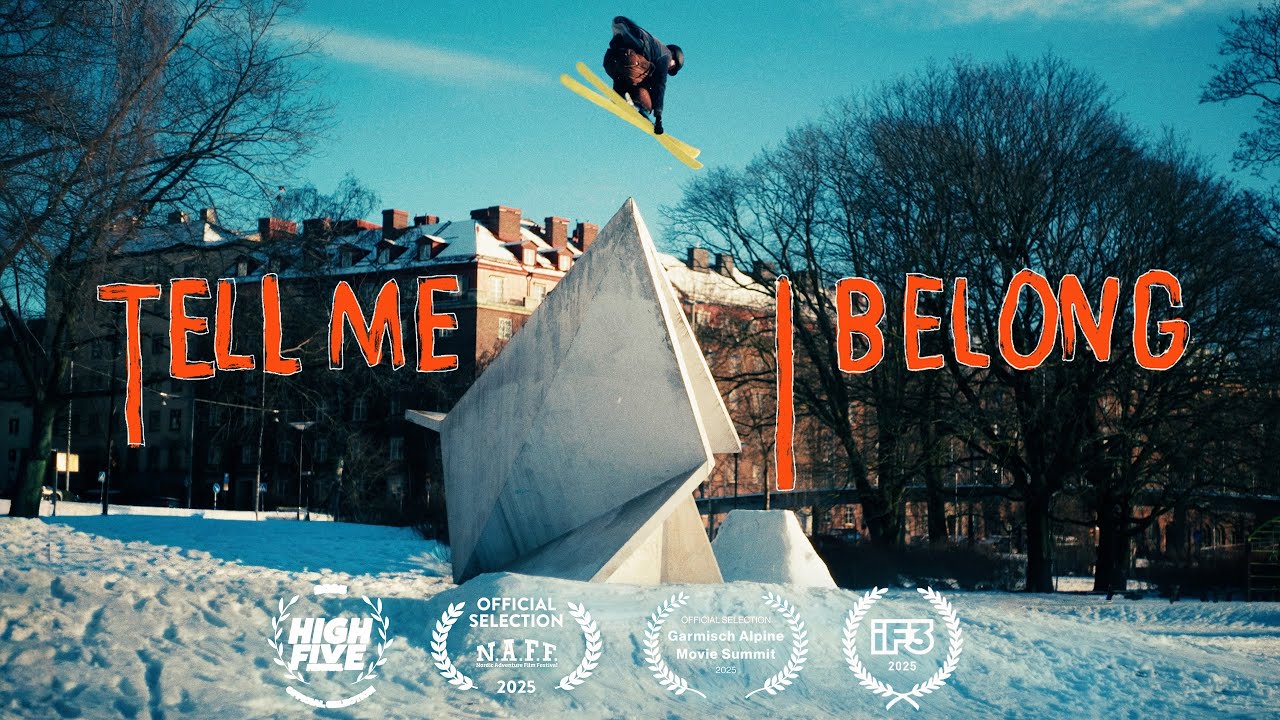
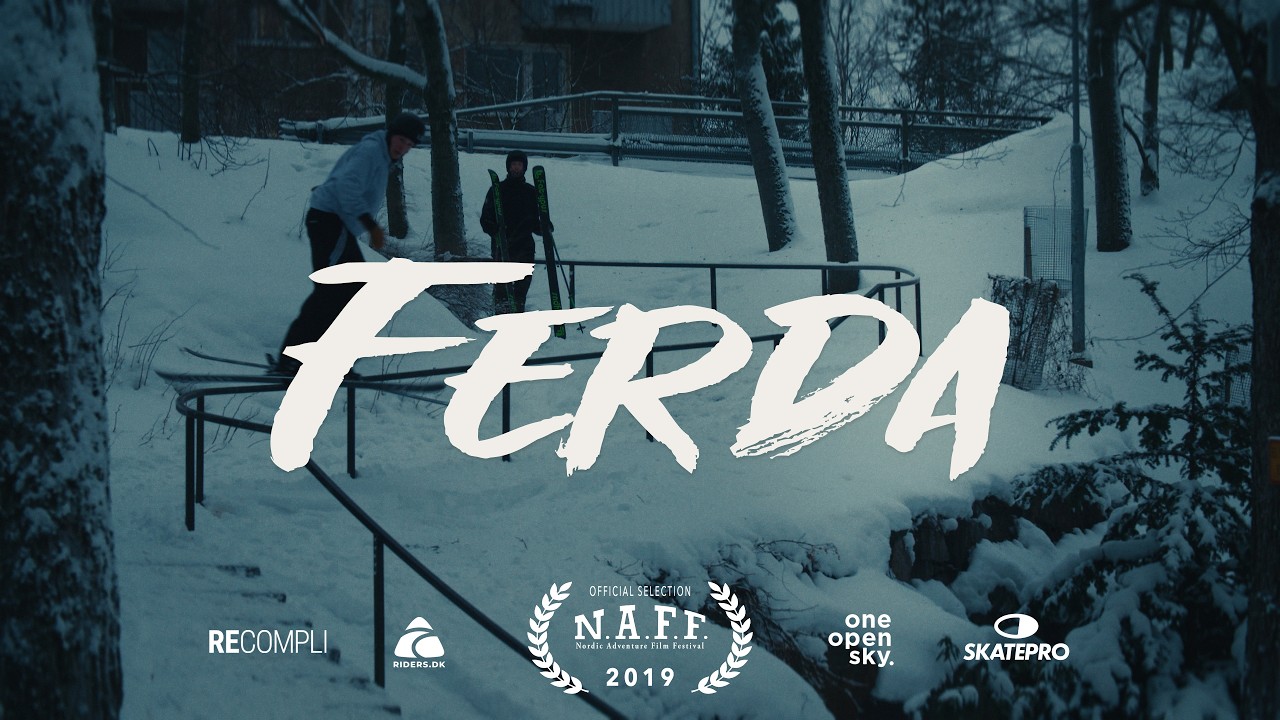
The Stockholm streets were cold, hard, and bright under city lamps, with handrails cutting through patches of winter snow like metal lines on a map. Jakob Ebskamp stood inside that setting for Tell Me I Belong, not only as a skier, but as the person shaping the film around five European friends. The project followed Christian Moser, Jonas Hofer, Christian Gander, Markus Boa, and Ebskamp through a street-skiing trip built on rails, crashes, jokes, injuries, and small windows of usable snow. Its strength came from proximity. The camera stayed close enough to show effort: speed checks, wet gloves, sketchy stairs, and the silence before a skier commits to a blind urban landing.
Copenhagen Built The Starting Point
Ebskamp’s public identity starts in Denmark, which already makes his ski path unusual. Copenhagen does not offer alpine vertical in the way Austria, Norway, France, or Canada can. It offers artificial terrain, urban architecture, travel, and a community that has to invent its own ski culture. That context explains why his work leans toward street features, dryslope events, collaborative edits, and travel projects. A Danish freeskier cannot rely on a home resort pipeline in the classic sense. Ebskamp’s lane was built through crews, camera work, plastic-slope sessions, winter travel, and the ability to turn limited terrain into a real scene.
Mammoth And The BC BOIS Winter
Natural Ice, released in 2017, is the earliest strong public marker in his film record. The Danish project followed five freeskiers at Mammoth in California: Andreas Secher, Simon Storgaard, Rune Bach, Jakob Ahlers, and Jakob Ebskamp. Danish coverage described it as a film about skiing, friendship, new tricks, and the daily rhythm of a crew far from home. The trip was not only park laps under blue skies. Ebskamp’s own comments in Danish media described a Mammoth season with heavy January and February storms, closed-mountain days, deep snow, and a backyard setup that kept the crew skiing when lifts were shut down.
CopenHill Made The Roof A Ski Spot
LINE x CopenHill gave Ebskamp a setting that matches his career better than a normal resort edit. The clip placed him and Christian Moser on CopenHill, Copenhagen’s artificial ski slope built on the roof of a waste-to-energy plant. The location does more than look strange on video. It turns a city landmark into a ski feature, with plastic matting replacing snow, industrial architecture replacing trees, and Copenhagen’s skyline replacing mountain ridges. For Ebskamp, CopenHill functions almost like a home-mountain symbol. It shows how his skiing grew around adaptation: rails, slope fragments, urban transitions, and sessions that make sense only if the skier accepts the city as terrain.
Bielsko-Biała Became Common Language
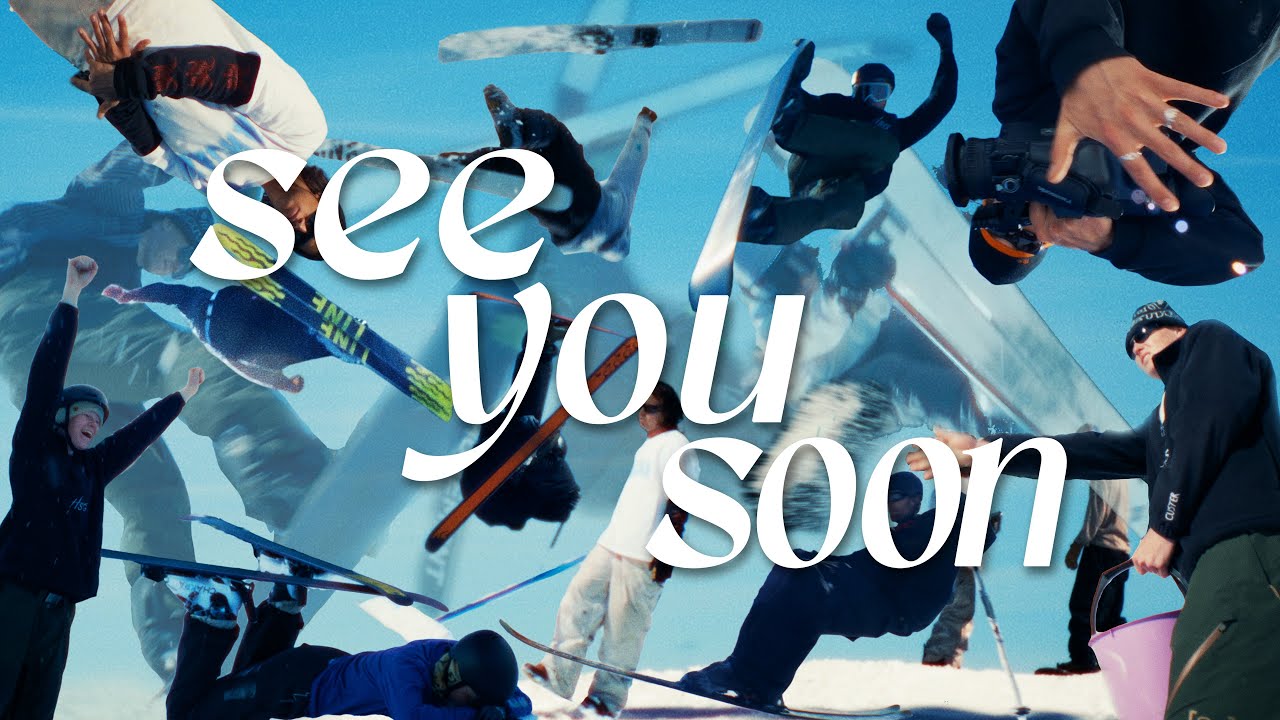
Common Language, published by LINE Skis in December 2023, pushed Ebskamp deeper into street-film territory. The project brought four friends from four different countries to Bielsko-Biała, Poland, for a nine-day street mission. The LINE article describes long days and nights searching for snow, spots, and heavy clips, while also dealing with difficult weather, language barriers, and police pressure. The production detail is important: the crew stayed in a local friend’s house without heating or hot water. That gives the film its texture. The skiing sits beside the process, not above it. Rails, stairs, rain, cold showers, and local help all become part of the story.
How Ebskamp Frames Street Skiing
Ebskamp’s style is inseparable from filming. His skiing lives around handrails, ledges, stair sets, wall contacts, drops, presses, lipslides, switch takeoffs, close-outs, and awkward run-ins rather than shaped slopestyle jumps. Street skiing rewards patience as much as trick difficulty. A skier may spend hours packing snow into a stair set, testing speed, avoiding security, and waiting for traffic to clear before one attempt. Ebskamp’s projects show that process instead of hiding it. Common Language leans into documentary texture, while Tell Me I Belong uses friendship and injury as part of the frame. His signature is not just the trick; it is the environment around the trick.
Bungee Breakers And The Stockholm Crew
Tell Me I Belong, listed by iF3 as a 2025 Danish ski film, was produced under Bungee Breakers and directed by Ebskamp. The film brought together Christian Moser, Jonas Hofer, Christian Gander, Markus Boa, and Ebskamp in Stockholm, Sweden. Downdays described it as one of the year’s most enjoyable street films, while Prime Skiing framed it as a Danish freeskier’s street clip built in the Swedish capital. The title matters because the project is not sold as a pure trick reel. It is about belonging inside a European street crew, where the value comes from shared hardship, camera trust, and the small rituals around a spot.
Scandinavian Team Battle On Plastic
Ebskamp’s influence also runs through Scandinavian Team Battle at CopenHill. In 2025, Downdays reported that the fifth edition took place on Copenhagen’s dryslope, with pairs from Denmark, Sweden, Norway, Finland, and France skiing a format built for creativity, teamwork, and crowd reaction. Team Denmark won, and Ebskamp was listed as event organizer and Team Denmark captain. He also edited the recap. That dual role says a lot about his position in the scene. He is not only appearing in front of the lens. He helps build the contest space, skis in it, shapes the edit, and presents Copenhagen as a legitimate freeski gathering point.
Frozen Babiez And The Wider Film Network
Ebskamp’s name also appears in the credits of Frozen Babiez, the all-female street-skiing project published in 2024. The film starred Hannah Langes, Alice Michel, Nivi Sachse, Ellen Damsgaard, Maya Casier, and Isabella Tvede-Jensen, with Ebskamp credited for additional filming alongside Mathias Skaarup and Rene Gammelby. That credit matters because it places him inside a wider European filming network, not just his own edits. Street skiing depends heavily on trust between skier and filmer. The filmer needs to understand speed, impact, risk, and when to keep rolling after a slam. Ebskamp’s role in that project shows how his camera work supports other crews as well as his own.
LINE Clips Without A Contest Résumé
Ebskamp’s public page should not be written like an Olympic or World Cup biography. There is no verified record of major FIS podiums, X Games medals, or Olympic starts in the sources used here. His visibility comes from a different economy: LINE Skis film posts, Copenhagen dryslope culture, Danish ski media, iF3 listings, Downdays coverage, and crew-based street projects. That does not make the profile weaker; it changes the angle. His ski value is in documentation, spot selection, city adaptation, crew-building, and editing. The clips give viewers a clear route into his skiing even without a traditional contest ranking.
Where Ebskamp Fits Now
Jakob Ebskamp belongs on skipowd.tv as a 3/5 creative-profile skier: documented, active, culturally specific, but not a global medal-profile athlete. The strongest page angle is Denmark’s street-ski filmmaker who turned Copenhagen, Bielsko-Biała, Stockholm, Mammoth, and CopenHill into connected chapters. His current public footprint is concrete: Common Language, Tell Me I Belong, LINE x CopenHill, Natural Ice, Frozen Babiez filming, and Scandinavian Team Battle. That is enough for a focused film-and-street biography, with the emphasis placed exactly where the sources place it: rails, crews, cities, and camera work.