Micah Evangelista
Glacier, Washington | Active backcountry skier and filmmaker | Public markers: Mt. Baker, BOURN, Actual Air, Year Later, Under/Cover, Outdoor Research, K2 | Main lane: natural features, foot-powered backcountry, Pacific Northwest film skiing
Mt. Baker With The Trees Loaded
The storm had left Mt. Baker heavy and white, with cedar branches sagging over the skin track and the landing zones still soft enough to hold speed. Micah Evangelista’s skiing belongs to that kind of day: not a park lane, not a contest scaffold, but pillows, wind lips, cliffs, tree gaps, and jump transitions shaped by snow rather than machines. His home mountain gives the whole profile its texture. Glacier, Washington sits under one of North America’s deepest snow climates, and Evangelista learned to turn that weather into a visual language. The tricks matter, but the setting matters more.
Glacier Before The Film Credits
Evangelista was born and raised in Glacier, Washington, at the foot of Mt. Baker in the North Cascades. Western Washington University’s profile says he was skiing on a leash with his father at age two, then skiing blue and black runs by ages three and four. His family was part of that foundation: his mother Julianne, father James, and brother Mattias are all described as enthusiastic skiers. That family layer is important because his later films do not treat skiing like a detached action sport. They treat it like a place, a routine, and a way of reading home.
Mattias And The Handycam Years
The filming thread started early. The same WWU profile says Micah and Mattias began filming each other with their parents’ handycam when they were around ten and thirteen. That detail helps explain why Evangelista’s skiing and filmmaking are hard to separate. He did not become a skier first and hire a crew later. The camera was part of the learning process. Mt. Baker’s steep terrain, rumpled cliffs, and deep snow gave the brothers a natural studio. Every storm cycle became a chance to test speed, shape a takeoff, miss a landing, check the clip, and try again.
Baker Backcountry As A Trick Lab
Outdoor Research describes Evangelista’s current skiing around the local backcountry: building jumps, finding natural features, and dialing in new tricks. That description gives the right technical frame. His skiing is backcountry freestyle, with pillows, wind lips, cliff drops, buttered takeoffs, switch direction, rotations, tree taps, powder landings, and quick sluff management all part of the language. Unlike a slopestyle course, Baker does not offer repeatable jumps with perfect speed. A natural feature changes with temperature, storm totals, sun crust, and who has crossed the landing. Evangelista’s style comes from adapting tricks to that shifting surface.
BOURN Turned Home Into A Film
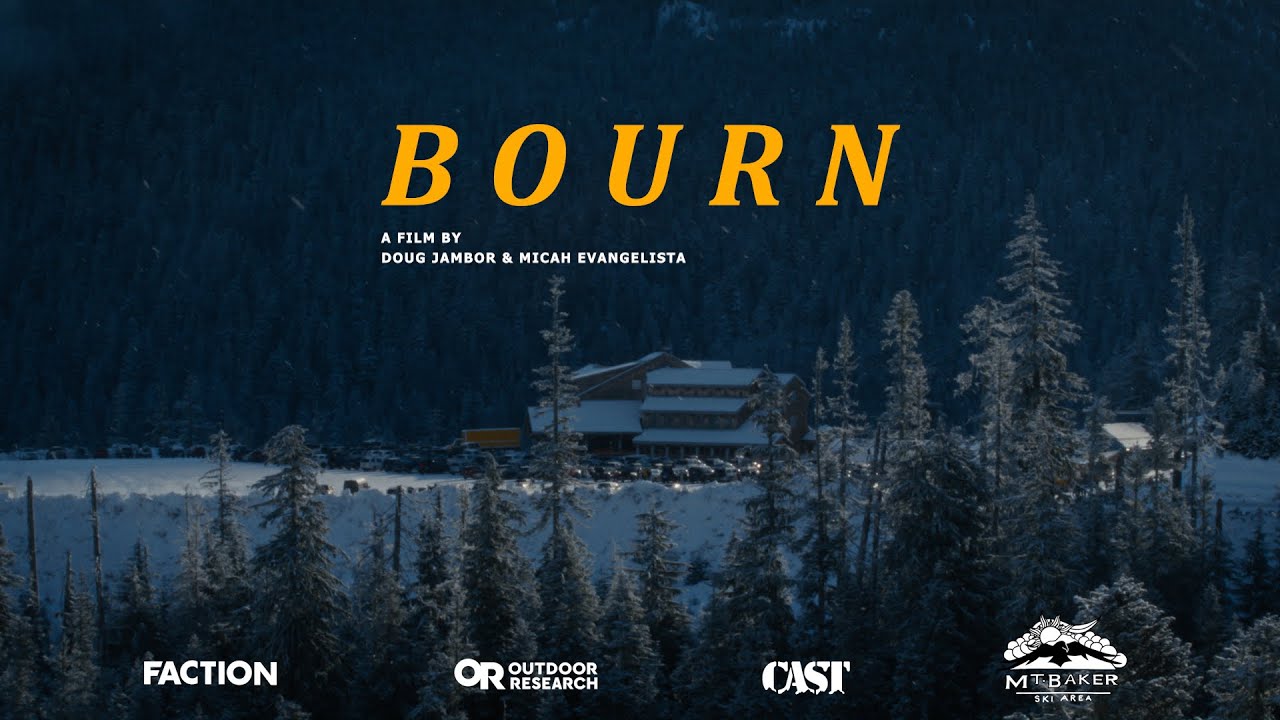
BOURN is the central film in Evangelista’s public record. Faction presented it as a two-year project in which the 23-year-old freeskier from Mt. Baker reflected on the places and moments that shaped his skiing and youth. The full-film page describes a foot-powered journey through the Mt. Baker backcountry, with Evangelista and his mother Julianne reflecting on home, memory, and the pull of the North Cascades. Doug Jambor and Evangelista directed the project, with cinematography from Doug Jambor, Wiley Kaupas, Mattias Evangelista, Kyle McCarty, Tyler Hamlet, Dan Norkunas, Riley Donovan, Thomas Woodson, and Anne Cleary.
Editing His Own Baker Story
The production credits for BOURN matter because Evangelista edited the film himself. That is not a small note for a skier profile. Editing decides rhythm, silence, crash placement, family dialogue, and how long a viewer stays with a turn before the next trick arrives. His visual journalism background at Western Washington University helped build that skill set, and WWU says a class project about home planted the seed for BOURN. The result is not only a backcountry edit. It is a skier using film structure to explain why one mountain kept pulling him back.
Actual Air And The Brother’s Lens
Actual Air adds another important chapter. Downdays lists the short as a freeride project featuring Micah Evangelista, directed and edited by Mattias Evangelista, shot on Kodak 16mm film in the Pacific Northwest. The description places a skier reflecting on life in the shadow of Mt. Baker, which keeps the same emotional geography as BOURN but changes the texture. Sixteen-millimeter film slows the image down. Powder spray, tree shadows, and jump arcs feel less like disposable online clips and more like memory. For Micah’s page, Actual Air confirms that the Evangelista brothers are building an archive around place, not just tricks.
K2 And The Year Later Return
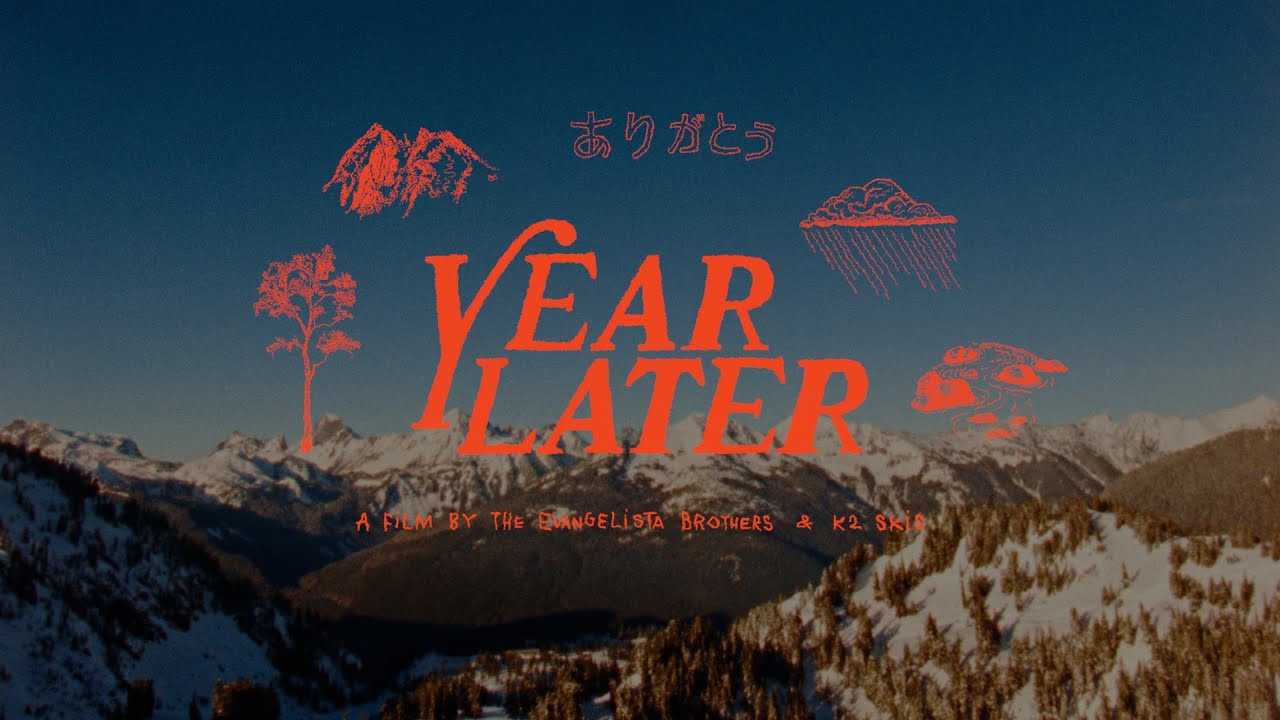
K2’s public material adds a current sponsor and film marker. Search results and K2 video listings describe Year Later as a short film by Micah Evangelista, released as part of his K2 team story after joining the brand. His public social bio also links him to Outdoor Research, K2, POC, CAST Touring, and Backcountry Access, while CAST Touring lists him among its athletes. The safest editorial frame is to name those confirmed public connections without inventing a full equipment history. His support profile fits the skiing: backcountry travel, touring systems, outerwear, helmets, avalanche tools, and cameras pointed at natural terrain.
Under/Cover In Nelson Snow
Under/Cover moves Evangelista out of the Baker-only frame and into a broader K2 team project. K2 describes the film as a Jake Price project shot in Nelson, British Columbia, with Sam Kuch, Manon Loschi, Addison Rafford, Micah Evangelista, Lucy Leishman, Patrick Marsh, and Krystin Norman. That cast is useful because it places him beside freeride and backcountry athletes from Canada, France, and the Pacific Northwest. Nelson brings a different snowpack than Baker: interior British Columbia storms, Whitewater-area pillows, cold smoke, and steep tree lines. Evangelista’s inclusion shows that his style translates beyond his home mountain.
A Skier Built Around Place
Evangelista should not be written as a World Cup, X Games, or Freeride World Tour athlete. The verified sources do not support that lane. His public value is film-based and location-based: Glacier, Mt. Baker, BOURN, Actual Air, Year Later, Under/Cover, Outdoor Research, K2, and the brother-driven camera work that started in childhood. That makes him a 3/5 profile for skipowd.tv. The best page angle is precise: an American backcountry freeskier and filmmaker whose strongest work turns natural features, family memory, and Pacific Northwest storm skiing into a recognizable visual world.