LINE Skis
United States
American freeski manufacturer | Founded in 1995 by Jason Levinthal and built around the early twin-tip revolution | Known for: Bacon, Chronic, Tom Wallisch Pro, Blend, Honey Badger, Optic, Vision, Pandora, Sakana, Pescado, Blade and the Traveling Circus culture | Focus: playful, creative skis for park, street, freeride, powder, touring and skiers who want the mountain to feel less serious and more possible.
1995 garage roots and the birth of a freeski attitude
LINE Skis is one of the defining brands in modern freeskiing. The company was founded in 1995 by Jason Levinthal, at a time when skiing was still heavily shaped by racing, straight skis, traditional technique and a narrow idea of what the sport should look like. LINE’s early mission was different. It wanted skis that could spin, slide, land switch, butter, press and make the mountain feel more like a playground than a rulebook.
That origin is why LINE still matters. The brand did not enter freeskiing after the culture was already established. It helped build the language. Short twin-tip experiments, early skiboards, symmetrical ideas and garage-level prototypes opened the door to a new relationship with terrain. Skiers could face backwards, hit rails, play with balance, use city features, land switch and borrow movement ideas from snowboarding and skateboarding without abandoning skiing.
Today, LINE operates inside the larger K2 Sports family, but its identity remains distinct. The brand still speaks with a rider-driven voice: playful graphics, athlete edits, park and street culture, all-mountain freestyle shapes and product names that feel closer to freeski history than corporate alpine tradition. For skipowd.tv, LINE deserves a 5 out of 5 rating because it is both historically important and still active in the culture it helped create.
Bacon Chronic Tom Wallisch Pro and the freestyle backbone
LINE’s current ski wall is built around several clear personalities. Bacon is the all-mountain freestyle and powder-freestyle family, with models such as Bacon 108, Bacon 115 and Bacon 122. These skis are designed for riders who want to float, butter, slash, land switch and keep a playful feel even in deep snow. The Bacon 122 is especially direct about that purpose: a full twin-tip freestyle powder ski for skiers who want big waist width without giving up creative movement.
Chronic is the park-to-resort workhorse. Chronic 94 and Chronic 101 sit in the zone where freestyle skiers want enough durability for rails, enough pop for jumps and enough edge for normal resort laps. They are not pure race skis and not powder tools. They are daily freestyle platforms for skiers who move between park, groomers, side hits and spring slush.
The Tom Wallisch Pro is the signature park reference. Developed with Wallisch, it remains one of LINE’s most important freestyle models because it connects contest skiing, street skiing and classic true-twin park design. Honey Badger and Blend complete the freestyle side in different ways. Honey Badger is the accessible jib tool for riders who want a light, simple, playful ski. Blend is the buttery, soft-flexing cult shape for skiers who prioritize presses, creativity and smooth style over stiff competition precision.
Optic Vision Pandora and the all-mountain freeride expansion
LINE is not only a park brand anymore. Optic, Vision and Pandora show how the company has expanded into freeride, touring and all-mountain skiing without losing its freestyle foundation. Optic is the metal-powered freeride line, with widths such as 88, 96, 104 and 114. LINE describes the Optic as charging like a freeride ski while playing like a freestyle ski, which captures the brand’s goal well: confidence at speed, but without the dead feeling of a traditional metal laminate charger.
Vision is the lightweight freeride and touring-capable family. Vision 96, 104 and 114 use LINE’s THC layup with flax, carbon and fiberglass to create a light but stable feel. The idea is to build skis that can motor up a skintrack and still ski down with a freestyle freeride character. Vision is for skiers who tour, hike, travel and want a playful downhill ride rather than a purely technical mountaineering plank.
Pandora is the accessible all-mountain collection. The current Pandora line includes 85, 92, 99 and 106, and LINE positions it as rad skis for rad people rather than a strictly gender-boxed concept. These skis are meant to be intuitive, energetic and versatile across hardpack, powder and mixed resort snow. That direction is important because it shows LINE moving beyond old assumptions about who skis playful skis and how product lines should be separated.
Sakana Pescado and Blade as the weird fun laboratory
The Concepts collection is where LINE’s personality becomes most obvious. Sakana, Pescado and Blade are not ordinary shapes with safe marketing names. They are design experiments that became real products. Pescado is the directional powder statement, deeply influenced by surf thinking, swallowtail design and big drawn-out turns in soft snow. It is not built for park laps or technical switch landings. It is built to plane, slash and make powder feel like water.
Sakana takes part of that surf language and makes it more all-mountain. Its swallowtail, wide shovel, camber and 105 mm waist create a ski that can carve hard on groomers and still feel loose and floaty in soft snow. The Dylan Siggers Sakana adds a limited graphic and a slightly turned-up tail for switch landings, showing how athlete style can push a strange concept into a more versatile freeski direction.
Blade is the carving oddball. It is wide-shoveled, energetic and built to make groomers feel creative rather than boring. The importance of these skis is cultural as much as technical. LINE has always been strongest when it makes skiers ask, “What if this was allowed?” The Concepts collection keeps that spirit alive inside a modern catalog that also has more conventional park, freeride and touring choices.
5-Cut sidecuts Thick-Cut Sidewalls and Bio-Resin construction
LINE’s construction story is built around freestyle durability and intuitive handling. 5-Cut multi-radius sidecut appears across key models, blending several turn radii into one ski so the rider can carve, smear, pivot or open the turn shape without feeling trapped in a single arc. That matters for freestyle and freeride skiing because turns are not always clean race arcs. They are speed checks, setup turns, slashes, landings and quick corrections.
Thick-Cut Sidewalls are one of LINE’s clearest durability features. The brand adds more sidewall material and bonding surface around the edge area, which is especially useful for park and street skiers who hit rails, take impacts and abuse skis in ways ordinary resort skiers may not. Thin Tip and tail concepts reduce swing weight while reinforcing zones that matter for spins, presses and repeated landings.
Bio-Resin appears across several 2026 models and is described by LINE as improving bonding and cold-temperature toughness while reducing the carbon footprint of the resin system. That does not make every ski sustainable by default, but it is a real material direction inside a category where durability and long product life matter. For LINE, the best sustainability argument is still practical: build skis that survive heavy use and keep riders from replacing broken gear too quickly.
Tom Wallisch Will Wesson Andy Parry and the Traveling Circus effect
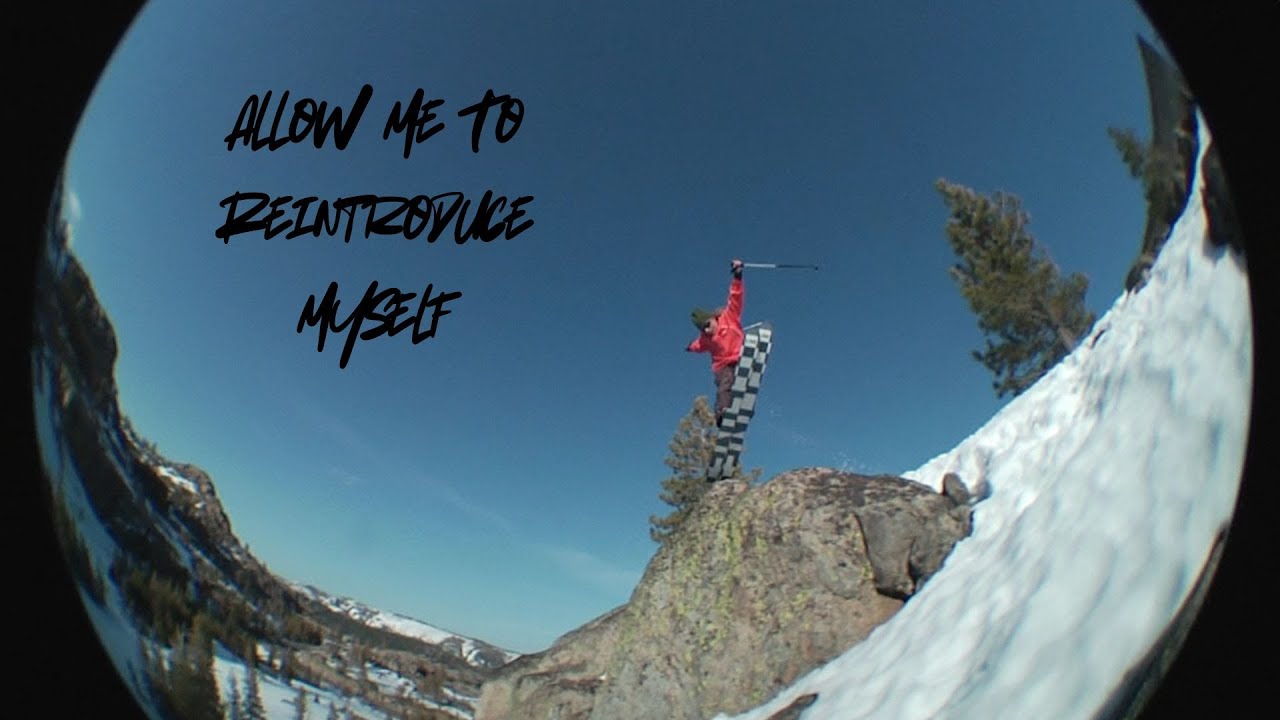
LINE’s credibility comes from athletes who changed how skiing looked. Tom Wallisch gives the brand elite park and street legitimacy. His precision, contest history and signature ski connect LINE to the technical side of modern freestyle. Will Wesson and Andy Parry represent a different but equally important part of the brand: Traveling Circus culture, creative spot hunting, low-pressure skiing, strange locations and the idea that fun can be more influential than podium results.
Traveling Circus is one of the most important media projects attached to any ski brand. It helped show that skiing did not need to be limited to perfect parks, expensive film trips or dramatic big-mountain terrain. A tiny resort, a weird rail, a summer patch, a road trip van, a low-consequence jump or a joke session could all become part of ski culture. That was deeply LINE: playful, accessible and slightly wrong in the best way.
The modern LINE team and product pages also connect the brand to skiers such as Dylan Siggers, Taylor Lundquist and other riders who bring freeride, street and creative all-mountain style into the catalog. LINE’s athlete value is not only that famous names ride the skis. It is that those names shape the personality of the skis: Wallisch for precision, Wesson and Parry for weirdness, Siggers for style, and the wider crew for real laps rather than abstract product briefs.
Albany origins Pacific Northwest infrastructure and global edit culture
LINE’s story begins in the United States, with garage origins in upstate New York and later growth through the wider K2 Sports infrastructure. That geography is important because LINE never felt like a classic European race brand. It felt American, experimental and closer to skate-influenced freeski culture than to alpine tradition.
Through K2 Sports, LINE became connected to the Pacific Northwest product world, where freeride, park, touring and all-mountain testing can happen around a wide variety of snow conditions. The brand’s cultural geography is even broader. LINE edits and products belong in East Coast street spots, Mt. Hood summer parks, British Columbia powder, Utah rail missions, Mammoth spring laps, Cardrona training sessions and European park trips.
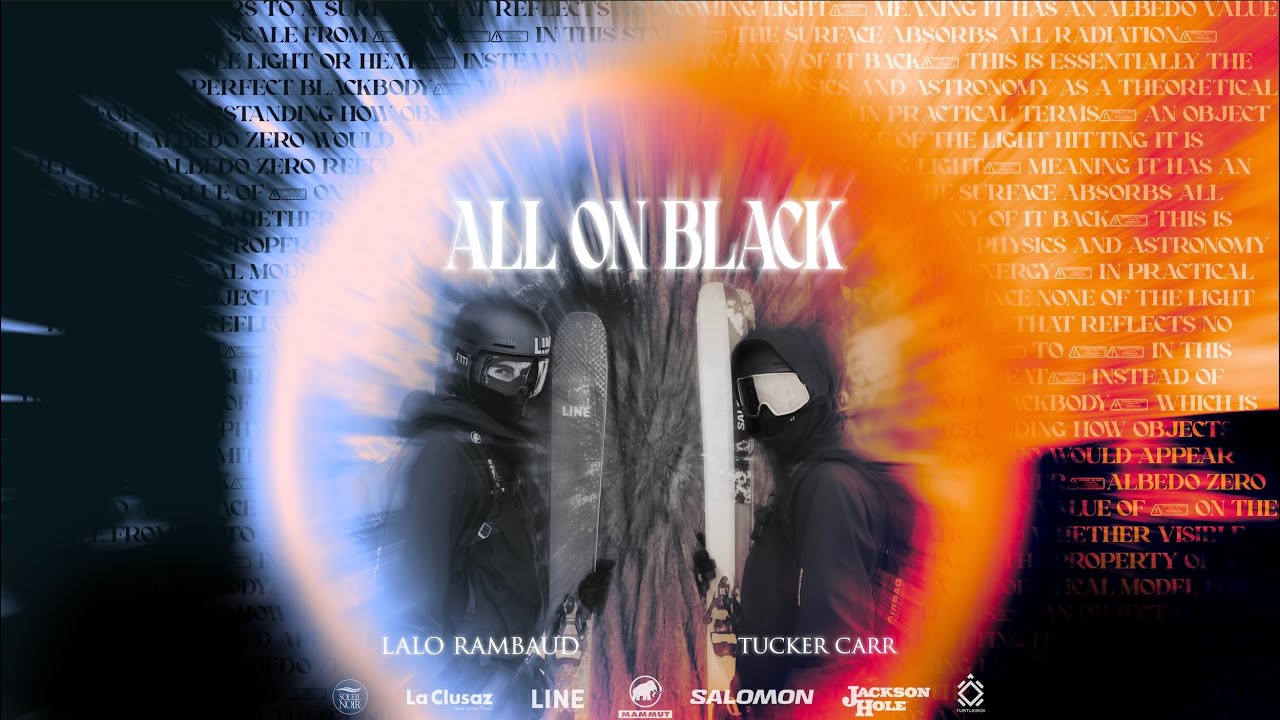
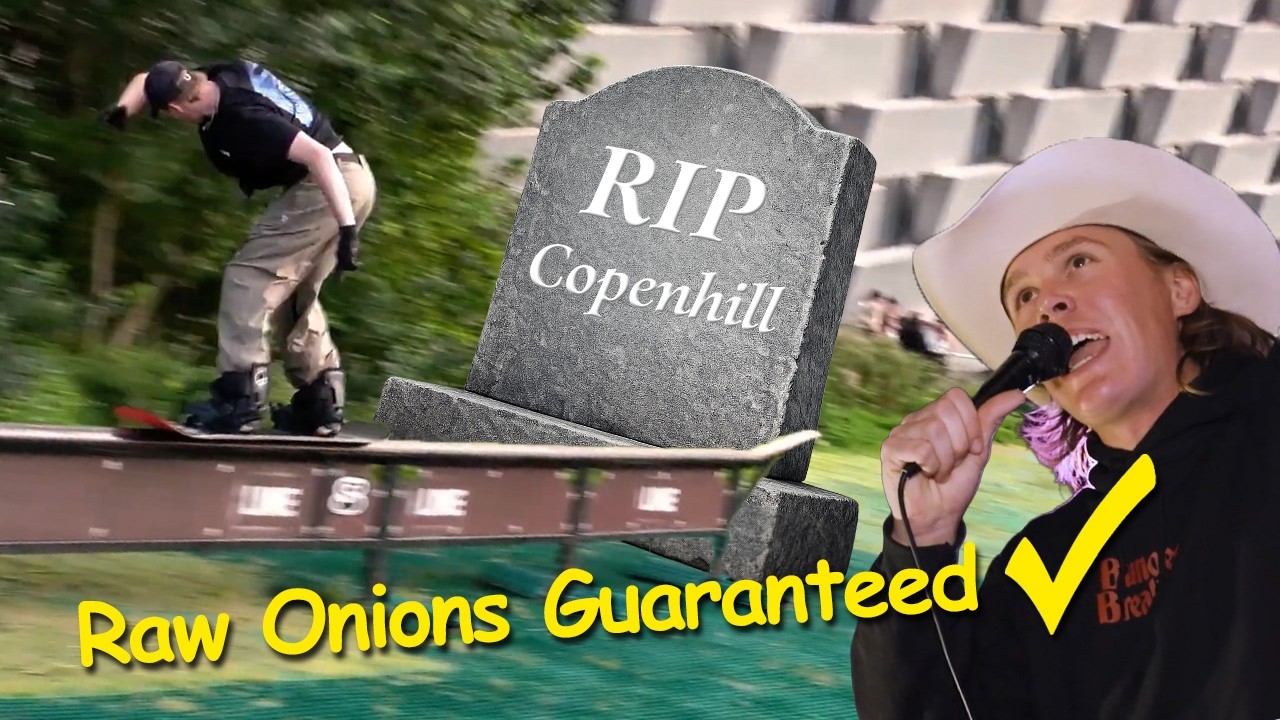
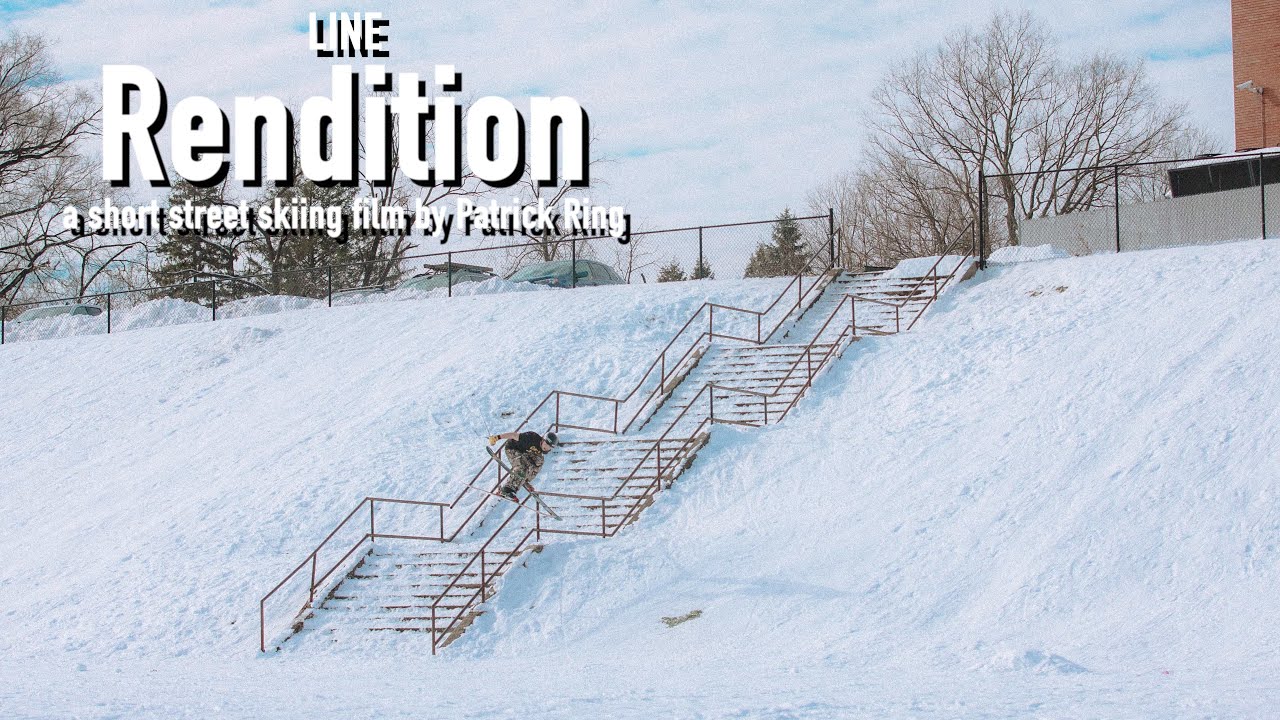
On skipowd.tv, LINE appears in street, park, backcountry and freeride videos, including athlete presentation, Tucker Carr and Lalo Rambaud freeride content, RENDITION street skiing, BrightWood at Mt. Hood and Bungee Breakers projects in Sweden. That spread shows why LINE is a true freeski brand. It is not locked to one terrain type. It follows the skier wherever play can happen.
Choosing Bacon Chronic Optic Vision Pandora or Concepts
Choosing LINE starts with the kind of fun you want. If park, rails, jumps and groomer laps are the center of your season, start with Tom Wallisch Pro, Chronic, Honey Badger or Blend. Tom Wallisch Pro is the strongest high-performance park choice. Chronic is the better daily freestyle ski when you want park durability plus all-mountain use. Honey Badger is simpler and more affordable for jibbing and progression. Blend is for skiers who love soft flex, butters and presses.
If your skiing is playful but not limited to the park, Bacon is the heart of the brand. Bacon 108 works as a creative all-mountain freestyle ski. Bacon 115 and 122 move deeper into soft snow and powder freestyle. These are skis for riders who want to butter, slash and land switch rather than drive a stiff directional charger all day.
If you want more freeride confidence, choose Optic. Optic 88 and 96 suit harder snow and daily resort use. Optic 104 is a strong one-ski freeride option. Optic 114 is for deeper days and bigger terrain. If you tour or want lighter uphill movement, choose Vision. If you want intuitive all-mountain versatility, choose Pandora. If you want something strange and distinctive, choose Sakana, Pescado or Blade based on whether your dream is carving, powder surfing or making every turn feel weirdly alive.
Why LINE still defines the fun side of skiing
LINE matters because it helped skiing loosen up. Before freeskiing became mainstream, the sport could feel trapped by narrow technical rules. LINE built skis that made it easier to spin, press, slide, land switch and treat terrain differently. That shift changed the sport. It helped park skiing grow, street skiing become more visible and all-mountain skiers think beyond carving from one side of the trail to the other.
The 5 out of 5 importance rating is justified by both history and current relevance. LINE was there at the beginning of the modern twin-tip movement, built a lasting freeski identity, created iconic models, supported major athletes, shaped web-video culture through Traveling Circus and still maintains a broad 2026 lineup from park to powder to touring.
On skipowd.tv, LINE Skis belongs as a central new-school ski manufacturer. Its value is not only in one model or one athlete. It is in the idea that skiing should be creative, weird, durable, accessible and fun. From Tom Wallisch Pro park precision to Bacon powder butters, from Optic freeride confidence to Sakana swallowtail carving, LINE remains one of the clearest symbols of freeskiing’s playful rebellion.