Toyota
Japan
Japanese automotive and mobility brand | Founded as Toyota Motor Co. in 1937 after the Toyoda industrial lineage | Known in ski culture for: Toyota Presents Matchstick Productions films, U.S. Ski and Snowboard partnerships, Grand Prix title sponsorship, athlete support and mountain travel storytelling | Focus: enabling winter sports through mobility, event backing, film tours and road based access to ski communities.
1937 Toyota origins and the long road to mountain culture
Toyota is not a ski manufacturer, crew or film studio. It is a global automotive and mobility company whose presence in skiing comes through sponsorship, athlete support, film presentation, event logistics and the road culture around getting to the mountains. Toyota Motor Co. was established in Japan in 1937, after the Toyoda family’s earlier industrial story in automatic looms and manufacturing. That origin may sit far from powder turns, but it matters because Toyota’s modern brand is built around movement, reliability and access.
In ski culture, Toyota is relevant because skiers move constantly. They drive to resorts before sunrise, chase storms across states, load skis into trucks, sleep beside mountain passes, follow film tours through fall, and connect winter to road trips. A vehicle sponsor is not part of the equipment underfoot, but it can still be part of how skiing happens. Toyota’s role is not to shape the turn directly. It helps support the infrastructure around the turn.
That makes Toyota different from most skipowd.tv sponsors. It should not be judged like Atomic, Rossignol, Level 1 or Matchstick. Its importance comes from scale, financial support, event visibility and its repeated role as a presenting partner for ski media and winter competition. In a sport where films, tours, athletes and events need funding to survive, that support has real cultural weight.
Matchstick film tours and Toyota Presents as the ski touchpoint
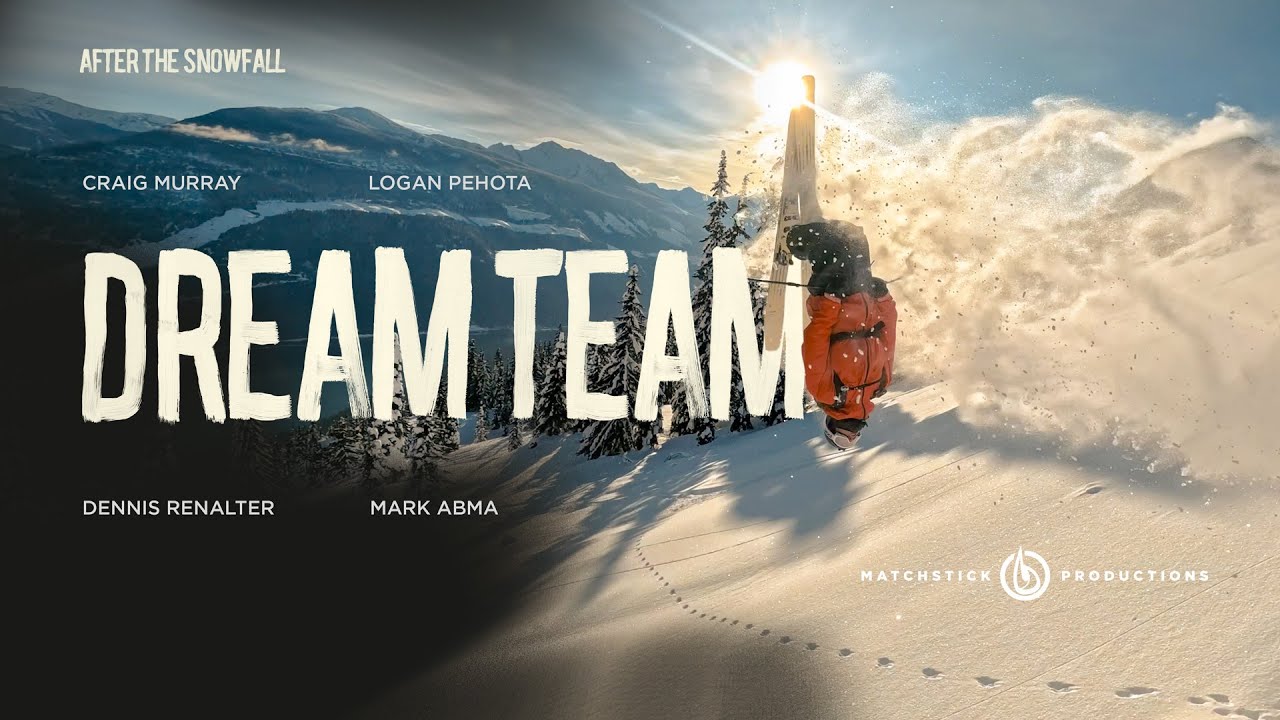
Toyota’s clearest ski media role is as a presenting sponsor for Matchstick Productions. Recent Matchstick tour listings for After the Snowfall show Toyota Presents billing across premiere stops, including mountain and theater venues. That gives Toyota visibility at one of the most important annual rituals in ski culture: the fall ski movie premiere.
This role matters because ski films are expensive and logistically difficult. A production like After the Snowfall requires travel, athlete coordination, guides, snow safety, camera teams, helicopters, sled access, editing, music, theater logistics and promotion. The presenting sponsor does not make the skiing, but it helps create the conditions for the film to exist and travel.
For the viewer, the impact is simple. A Toyota-backed film tour means more packed theaters, more local premieres, more athlete appearances, more regional ski communities gathering before winter, and a stronger chance that a film reaches people beyond the core online audience. In that sense, Toyota’s ski product is not a car in the foreground. It is the continuation of the ski film night as a shared cultural event.
Vehicles as the unseen gear behind winter road trips
Toyota’s products are vehicles, not skis. In the mountain context, the most relevant models are the ones associated with winter access, road trips, cargo space and all weather travel: Tacoma, 4Runner, Land Cruiser, Tundra, RAV4, Highlander and related all wheel drive or four wheel drive platforms. Skiers use these vehicles to move between cities, passes, resorts, trailheads, film locations and tour stops.
The practical connection is obvious. A skier’s setup does not end with boots and bindings. It includes the vehicle that carries skis, friends, boots, packs, cameras, dogs, food, chains, avalanche gear and overnight bags. In ski media, road segments often become part of the story because weather windows and powder days are tied to movement. Toyota fits naturally into that layer of skiing.
That does not mean every Toyota vehicle is a ski vehicle, or that sponsorship should be confused with product performance on snow. Tires, road conditions, driver judgment and local laws matter more than a badge. But Toyota’s brand position around reliability, trucks, SUVs and long distance travel gives it a credible connection to the way many skiers actually live their winters.
Grand Prix alpine championships and winter athlete support
Toyota’s winter sports role also extends into competition. U.S. Ski & Snowboard announced Toyota as Official Mobility Partner beginning August 1, 2021, with the partnership running through the 2026 Olympic Winter Games. That agreement also named Toyota as title sponsor of the Toyota U.S. Grand Prix, Toyota U.S. Alpine Championships, Toyota U.S. Freestyle Championships, and presenting sponsor of Visa Big Air Presented by Toyota.
This competitive footprint places Toyota across freeski, snowboard, alpine and freestyle environments. The U.S. Grand Prix is especially relevant for park and pipe audiences because it is tied to elite freeskiing and snowboarding competition. Toyota’s presence there connects the brand to the same athlete ecosystem that often feeds film projects, social edits and winter media.
The athlete support layer also matters. Toyota has promoted Team Toyota winter athletes and U.S. Ski & Snowboard athlete ambassadors, showing that its snow involvement is not limited to a single banner at one event. For skipowd.tv, that makes Toyota a mobility and support sponsor rather than a technical ski brand. Its value is in backing the broader winter sports platform.
Japan manufacturing heritage with North American ski visibility
Toyota’s corporate geography begins in Japan, with roots in the Toyoda industrial family and the 1937 establishment of Toyota Motor Co. That Japanese manufacturing heritage gives the brand its global identity: engineering, production systems, reliability and continuous improvement. Those ideas are not ski specific, but they shape how people perceive Toyota vehicles in mountain communities.
The ski visibility, however, is especially strong in North America. Matchstick Productions tours move through U.S. ski towns and city venues. U.S. Ski & Snowboard events place Toyota around American athletes, Grand Prix stops, alpine championships and domestic winter sports audiences. The skipowd.tv page lists Toyota as Japan based, but its ski activation is clearly built around North American media, competition and road culture.
This split geography is useful. Toyota brings global brand scale, while the ski activations land locally in places where skiers gather: Aspen, Sun Valley, Evergreen, Durango, Palisades Tahoe and other tour or event destinations. A global automaker becomes relevant to skiers when the logo appears at the theater, at the contest, on the road to the resort and in the travel story around the mountain.
Mobility logistics as the sponsor construction
For Toyota, construction in the ski context does not mean ski cores, bindings or waterproof membranes. It means sponsorship systems. Toyota supports film tours, competition calendars, athlete visibility, vehicle activations, event logistics and brand partnerships that help winter sports reach audiences. That is a different kind of build, but it is still part of ski culture’s infrastructure.
Ski media depends on logistical backing. A film crew needs vehicles, budgets, permits, travel days and safety support. A national competition series needs title partners, venue coordination, athlete promotion and audience engagement. A premiere tour needs theaters, ticketing, sponsor activations and regional marketing. Toyota’s role sits in those systems rather than inside a boot or ski.
That is why the brand should be described carefully. Toyota does not make skiers better through a technical snow product. It helps fund and connect the platforms where skiing is shown, celebrated and followed. For a sponsor profile, that distinction is important. The value is cultural and logistical, not material underfoot.
Choosing Toyota content in the ski ecosystem
For a skipowd.tv user, the best Toyota entry point is ski media rather than car shopping. Start with Matchstick Productions films presented by Toyota, especially recent tour releases such as After the Snowfall. These show the strongest direct connection between Toyota and ski storytelling: athletes, locations, road movement, premiere culture and major production backing.
The next entry point is competition. Toyota U.S. Grand Prix, Toyota U.S. Alpine Championships, Toyota U.S. Freestyle Championships and Visa Big Air Presented by Toyota place the brand around elite skiing and snowboarding in live event contexts. These are useful touchpoints for users who follow park, pipe, freestyle, alpine racing or Olympic cycle athlete development.
For vehicle context, skiers should focus on real mountain needs rather than sponsorship language. Cargo space, tire choice, winter driving confidence, clearance, fuel economy, reliability, roof box compatibility and passenger comfort matter more than a logo in a film. Toyota’s ski relevance is strongest when the vehicle fits the actual trip: resort commuting, storm chasing, family weekends, film crew travel or long road mileage between mountain towns.
Why Toyota belongs on a ski sponsor page
Toyota belongs in the ski sponsor ecosystem because skiing is bigger than equipment. The sport needs skis, boots and bindings, but it also needs films, tours, competitions, athlete support, road trips and companies willing to fund public experiences. Toyota’s role is in that wider structure. It enables parts of the culture without claiming to be a ski brand.
The 4 out of 5 importance rating fits because Toyota has major scale, verified ski media visibility, U.S. Ski & Snowboard event sponsorship and a clear connection to winter travel culture. It does not deserve a 5 out of 5 inside the ski ecosystem because it is not a ski industry founder, hardgoods manufacturer or historic ski film studio. Its influence is powerful but indirect.
On skipowd.tv, Toyota should be treated as a mobility and presenting sponsor. Its value comes from supporting the places where ski culture gathers: the road to the mountain, the contest venue, the theater premiere and the film tour that makes skiers excited for winter before the first big storm lands.