Québec
Québec
Canada
Urban freeski zone in Québec City Canada | Known for: Old Québec stone architecture, winter street rails, stair sets, nearby Stoneham and Le Relais park laps, 2019 FIS Big Air Jamboree, and a deep Québec street skiing lineage from B-Dog to modern crews | Season: December to March | Best for: street skiers, rail crews, night filming, urban edits, and park riders using nearby resorts for speed calibration
Old Québec Stonework And The Street Skiing Canvas
Québec’s freeski identity begins in the city rather than on a lift line. Old Québec sits above the St. Lawrence River with fortified walls, steep streets, staircases, stone ledges, metal rails, winter sidewalks, and tight public spaces that turn snowstorms into filmable architecture. The Historic District of Old Québec was inscribed by UNESCO in 1985, and that preserved urban fabric gives the city a visual signature few street-ski locations can match.
The internal skipowd.tv page at Québec already frames the location as an urban playground for street skiing, not as a normal resort page. That distinction matters. Québec is not Chamonix, Laax, or Snowbird. It is a city spot with nearby park infrastructure, a cold winter rhythm, and a strong creative ski culture. For street crews, the draw is density: rail stacks, stair corridors, snowbanks, night lighting, and quick resets inside a compact city grid.
Cap Diamant Stairs And Winter Light In The Lower Town
The city’s terrain is architectural. Upper Town, Lower Town, Saint-Roch, Petit-Champlain, the Old Port, the Plains of Abraham edge, and the Cap Diamant slope create different kinds of street skiing problems. Some spots are about long stairs and speed management. Others are about short rail approaches, wall-assisted takeoffs, or snowbank lips that appear only after plowing. Québec’s winter value is that those pieces can exist close together.
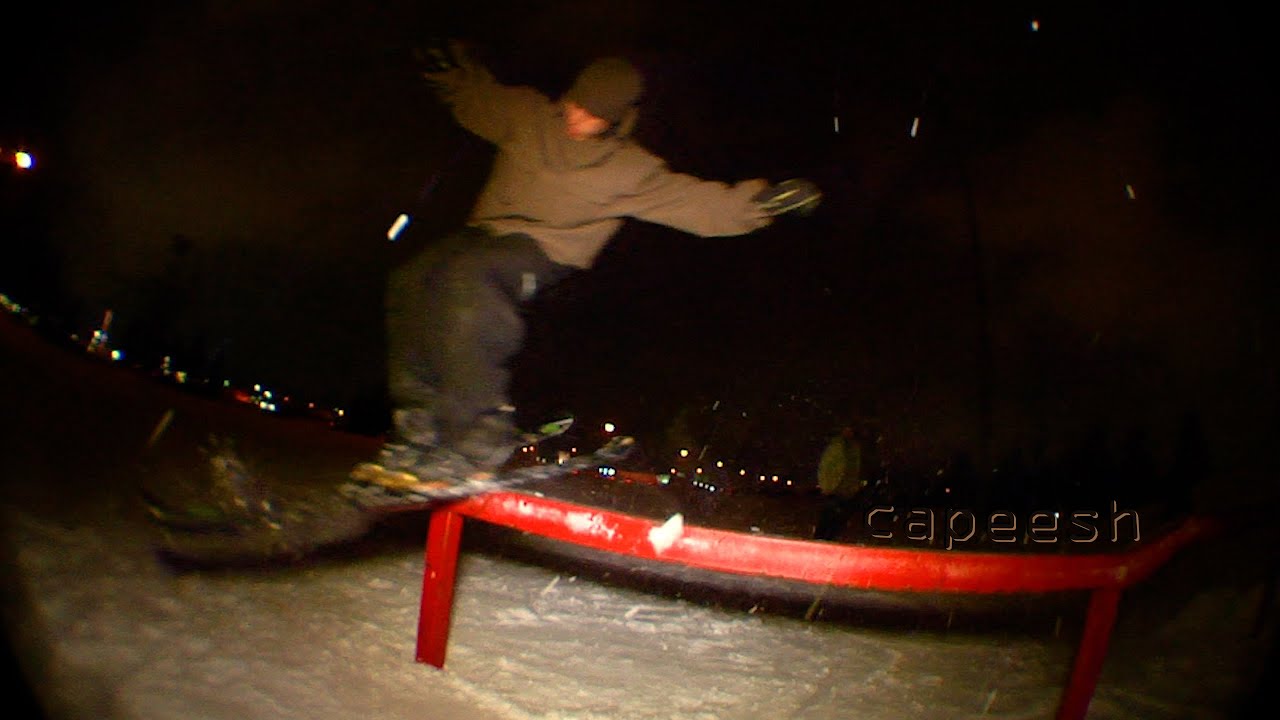
The best filming days usually follow fresh snow and cold temperatures. Storm snow builds landings and takeoffs, while municipal clearing can create banks, hard run-ins, and cleaner pedestrian surfaces. That same process can also destroy a spot in one hour. Street skiing in Québec is therefore logistical as much as technical. Crews need spotters, shovels, speed checks, careful timing, and respect for residents, pedestrians, traffic, and historic surfaces.
Stoneham Parks And The Québec City Resort Backup
Street crews still need park laps, and Québec has strong resort support nearby. Stoneham Mountain Resort sits close to Québec City and describes its snowparks as among the best in the province, with Park 418, Slope Style progression, rails, jumps, wall-ride features, and helmet requirements. That makes Stoneham a natural calibration hill before bigger street tricks. Riders can test speed, rail pressure, takeoff timing, and landings in a controlled environment before returning downtown.
Mont-Sainte-Anne adds another useful layer. Its MSA Snowpark is located on La Grand Allée and is described by the resort as a rail-focused setup with around 40 obstacles, letting riders choose easier or harder options down the park line. That matters because Québec street skiing often depends on small technical movements: presses, switch-ups, redirects, pretzels, and low-speed control. Park laps at Stoneham or Mont-Sainte-Anne can turn those movements into reliable habits before the crew takes them to real urban rails.
Jamboree Big Air And The Downtown Contest Memory
Québec City is not only a filming location. In March 2019, the FIS World Cup Jamboree brought a downtown freeski and snowboard Big Air event to the Saint-Roch neighborhood. U.S. Ski and Snowboard described it as the final Big Air competition of that FIS World Cup season, with Crystal Globes on the line. That event placed a purpose-built contest jump inside the city rather than hiding freestyle away at a mountain venue.
The Big Air history matters because it shows how Québec’s urban core can become a public freeski stage. The city’s street identity is usually quieter, built through edits, shovels, rails, and night sessions. The Jamboree gave the same geography a formal competition moment. For skipowd.tv, that means Québec can classify both raw street clips and event-adjacent urban freestyle footage. The city carries both underground credibility and official contest memory.
B-Dog And The Québec Jib Language
Philip Casabon - B-Dog is the clearest cultural anchor for Québec street skiing. His internal skipowd.tv profile ties him to Vallée du Parc, Grand-Mère, Quebec, X Games Real Ski gold in 2018 and 2019, the B&E world with Henrik Harlaut, Keynote Skier, Nuance, Pass The Bone, Off The Leash, and a style built from presses, butters, rails, wallrides, redirects, and musical timing.
That lineage matters because Québec’s ski culture has never depended on giant mountains. Small hills, night parks, urban rails, and long winters produced a style where control and creativity can be more important than amplitude. Vallée du Parc and Shawinigan sit naturally inside that story, giving local riders repetition before street projects move into city architecture. Québec’s best ski language often starts with modest terrain and becomes interesting through movement.
Alex Bellemare Olivia Asselin And The Contest Side
Québec’s freeski identity is not only street. Alex Bellemare connects the province to the slopestyle and X Games lane, with a career that moved through Québec park skiing, international contests, Olympics, film projects, and street-influenced creativity. His path helps explain why the region’s park culture matters: strong technical foundations built on smaller eastern hills can still travel to Mammoth, Aspen, X Games, and Olympic courses.
Olivia Asselin gives the current generation another marker. Her skipowd.tv footprint links her to Québec roots, Stoneham, big air, slopestyle, Jib League, SLVSH, Monster Energy, and modern park projects. That mix is important because Québec skiers often cross categories. A rider can grow through local parks, compete in big air, film rails, and still keep a street-style sensibility. The province’s strength is not one discipline. It is the ability to move between park, street, contest, and video culture without treating them as separate sports.
D-Structure And The Montréal Shop Culture Link
D-Structure belongs in the Québec profile because the province’s freeski identity is also retail, media, and community. The skipowd.tv sponsor page identifies D-Structure as a Québec freeski retailer and culture shop founded in Montréal in 2000, tied to twin-tip ski roots, ski gear, skate, streetwear, and local team support. That kind of shop matters in a scene built around rail clips, crews, and repeat local sessions.
Street skiing needs more than spots. It needs people who know which skis survive rails, which boots flex properly, where to find filming partners, which parks are building well, and which younger riders are ready to join a project. A store like D-Structure helps connect those pieces. In Québec, the ski scene has often grown through this network effect: small hills, city spots, shops, crews, edits, and riders who learn from each other faster than from formal programs.
Filming Logistics In A Living Heritage City
Québec’s best street features are not private terrain parks. They are public spaces, historic districts, working neighborhoods, stairways, sidewalks, schools, business entrances, plazas, and streets where people live. That creates responsibility. Old Québec’s UNESCO status and the city’s preserved surfaces demand care. Crews should avoid damaging stone, blocking pedestrian access, leaving snow piles in unsafe places, or turning a filming session into a conflict with residents.
Professional shoots should plan permits and permissions before setting up. Even small crews need discipline: helmets, spotters, radios, high-visibility layers for night sessions, soft padding where appropriate, and quick cleanup after each attempt. The best Québec street edits look loose, but they are rarely casual. They depend on planning the run-in, protecting the landing, watching traffic, keeping the group small, and leaving the spot cleaner than it was found.
When Québec Works Best For Freeskiers
Mid-December through early March is the core window for street skiing. January and February are usually the most reliable months for cold surfaces, repeated snow cover, and night sessions with firm landings. Early winter can deliver fresh features before city snowbanks become too managed, while late winter can bring larger piles, stronger sun, and more variable speed. The ideal trip stays flexible between city spots and nearby resorts.
A smart Québec plan uses Stoneham or Mont-Sainte-Anne for park calibration, then moves into the city when snow, temperature, traffic, and lighting line up. Crews should watch snow-removal timing closely because a perfect rail can disappear after one municipal pass. For skipowd.tv, the strongest tags are Québec street skiing, Old Québec, Saint-Roch, Stoneham, Mont-Sainte-Anne, Vallée du Parc, B-Dog, Alex Bellemare, Olivia Asselin, D-Structure, Jamboree Big Air, rails, stairs, night filming, and urban freeski culture. Québec’s concrete value is simple: a cold historic city, real street architecture, nearby park repetition, and one of the deepest creative ski lineages in eastern Canada.