Mountain Hardwear
United States
American technical outdoor brand | Founded 1993 by nine Sierra Designs veterans who wanted to build mountain equipment for serious use | Known for: Ghost Whisperer insulation, Firefall resort kits, Boundary Ridge sidecountry shells, Mythogen GORE TEX PRO snow outerwear and Powabunga ski packs | Focus: durable alpine apparel, backcountry protection, weatherproof layering and athlete tested equipment for skiing, snowboarding, climbing and high mountain travel
Halloween 1993 and the old gang that chose the mountain
Mountain Hardwear is not a ski manufacturer, boot brand or film studio. It is a technical outdoor apparel and equipment brand whose relevance to skiing comes through shells, bibs, insulation, packs, gloves and mountain layers. The company was founded on Halloween 1993 by nine people who left Sierra Designs and built a new brand around a sharper mountain-first idea. Their early slogan, New From The Old Gang, captured the mood: experienced outdoor industry people starting over with a wilder and more technical direction.
That origin still matters because Mountain Hardwear has always lived closer to alpinism than to casual resort fashion. The brand’s early identity was shaped by mountaineers, climbers and serious backcountry users, including Ed Viesturs, who became one of its first major athlete collaborators. For ski culture, this gives Mountain Hardwear a specific position. It is not the loudest freeski apparel label, and it is not built around park edits or race gates. Its strongest credibility comes from weather protection, mountain durability and gear designed for long days when conditions are cold, wet, windy or remote.
Ghost Whisperer, Firefall, Boundary Ridge and Mythogen in one system
Mountain Hardwear’s snow relevance comes from the way its product families cover different winter jobs. Firefall is the accessible resort and in-bounds snow line, built around waterproof Dry.Q fabric, mapped warmth, vents, powder skirts, gaiters and ski-specific pocket layouts. It is the kit for chairlift days, groomers, trees, moguls, side hits and everyday resort riding where comfort and durability matter more than expedition minimalism.
Boundary Ridge moves toward sidecountry and storm skiing, with GORE TEX 3 layer fabric, reinforced construction and features aimed at riders who cross between lift-accessed terrain and snow beyond the boundary line. Mythogen sits at the top of the snow line. The Mythogen GORE TEX PRO jacket and bib are described by Mountain Hardwear as its most technically engineered and protective snow kit, made for deep lines, skins, bootpacks, helicopters and demanding backcountry conditions. Around those shells, pieces like Ghost Whisperer down, Kor Strata active insulation, AirMesh layers, Polartec fleece and Powabunga packs complete the system.
Weather protection for riders who do not stop at the rope line
Mountain Hardwear performance is best understood through weather and movement. A ski brand changes how the snow feels underfoot. Mountain Hardwear changes how long a skier can stay comfortable while wind, sweat, snow, chairlifts and exposure keep changing the body’s temperature. Resort riders need waterproofing, pockets, vents and durability. Backcountry riders need breathability, pack compatibility, mobility and easy access to tools. Steep skiers need protection that does not fight rope work, bootpacks, harnesses or high-output movement.
The brand’s strongest snow pieces are designed for that mixed rhythm. A skier may skin uphill, stop in a windy transition, dig a pit, climb a ridge, ski deep powder, then sit on a cold lift later in the day. One static jacket cannot solve every moment perfectly, so Mountain Hardwear’s logic is based on layering. A shell blocks weather. An active midlayer manages heat while moving. A down piece adds warmth during stops. A ski pack carries water, skins, goggles, gloves, helmet and avalanche tools. The system works when each layer has a clear job.
Sean Pettit, Vivian Bruchez and the athlete line from freeski to alpinism
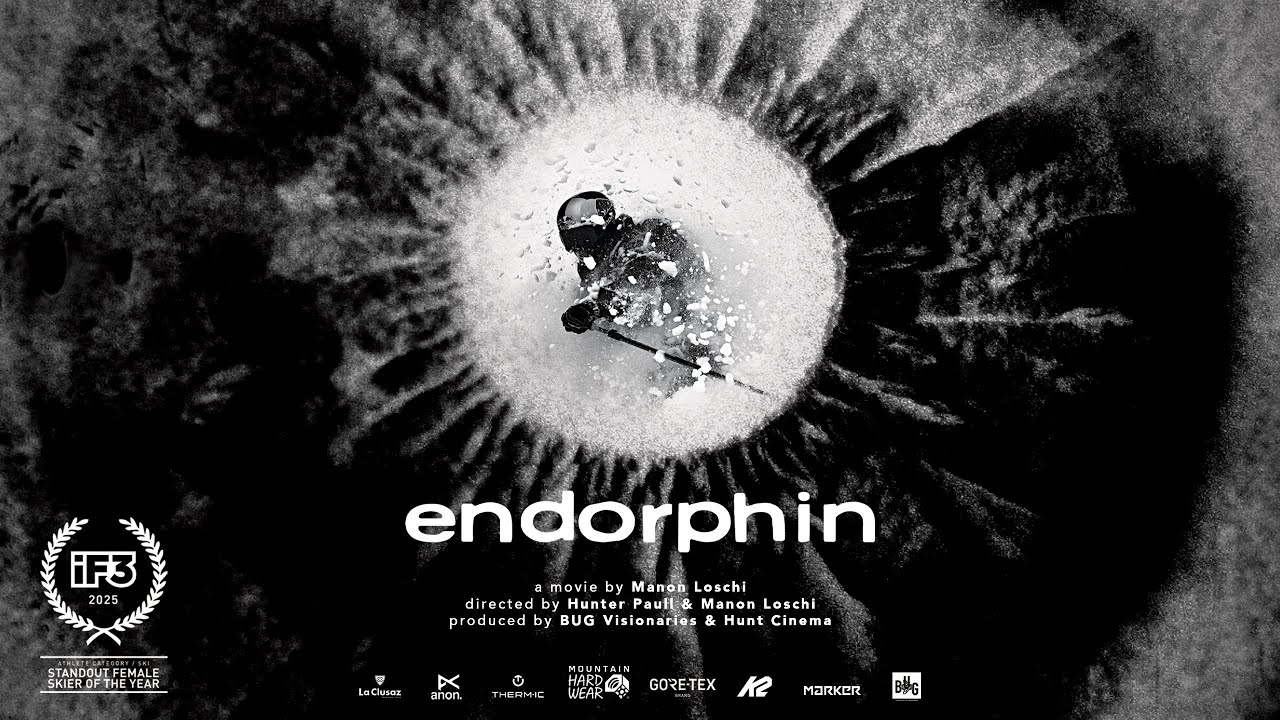
Mountain Hardwear’s athlete roster explains why the brand crosses between ski, snowboard, climbing and mountaineering. The official team includes skier and snowboarder Sean Pettit, one of the most recognizable names in modern big mountain freeskiing, and Vivian Bruchez, the Chamonix steep skier and mountain guide known for technical descents and high alpine objectives. The roster also includes snow athletes such as Erin Spong, Manon Loschi, Emma Crosby, Jake Kuzyk, Bryce Barnes and Hunter Knoll, alongside climbers and mountaineers.
That mix is important. Mountain Hardwear does not present snow only as resort laps. It treats skiing and snowboarding as part of a bigger mountain world where climbing, guiding, glacier travel, expeditions and backcountry risk all overlap. Vivian Bruchez gives the brand steep skiing credibility in the Alps. Sean Pettit brings freeride and film culture visibility. Snowboarders in the team connect the same gear to powder, park and backcountry riding. The result is not a traditional ski team. It is a mountain athlete network built around difficult weather, technical terrain and equipment that has to work across sports.
Richmond roots with Chamonix and the high mountains in the frame
Mountain Hardwear is based in California, with roots in the Bay Area outdoor industry and current identity tied to Richmond and the wider Columbia Sportswear family. That location does not make the brand a Sierra Nevada ski label in the narrow sense. Its terrain imagination is broader: the Cascades, the Rockies, Alaska, the Alps, the Himalaya, deep resort storms and technical alpine faces all sit inside its product language.
For ski culture, Chamonix is one of the clearest places to understand the brand’s logic. Vivian Bruchez’s steep skiing world requires shells that handle wind, snow, sharp tools, pack straps and long exposure. At the same time, Mountain Hardwear’s resort and sidecountry collections make sense in North American zones such as Revelstoke BC, where a rider may move from lift laps into storm skiing and terrain beyond the gate. The brand is not tied to one mountain. It is tied to the problem of staying functional wherever mountains become cold, wet and complicated.
GORE TEX PRO, Dry Q, RECCO and recycled technical fabrics
Mountain Hardwear’s construction story is centered on membranes, insulation and purpose-built detailing. Firefall uses 2 layer Dry.Q fabric for waterproof breathable resort protection, with features such as underarm vents, powder skirts, helmet-compatible hoods, goggle pockets, pass pockets and reinforced kick patches on pants. Boundary Ridge uses 3 layer GORE TEX for a tougher sidecountry and storm riding position. Mythogen uses GORE TEX PRO ePE shell fabric with recycled materials, integrated RECCO reflectors, oversized zipper pulls, removable powder skirts, venting, insulated phone storage and details shaped by backcountry athlete testing.
The broader brand is also known for insulation. Ghost Whisperer became a reference point for ultralight down layering, while Stretchdown, Kor, AirMesh and Polartec pieces give skiers different options for warmth, breathability and movement. The Powabunga 32 Pack adds a snow-specific carrying system with CORDURA nylon, avalanche tool pocket, goggle pocket, helmet carry, diagonal ski carry, A-frame options, hydration compatibility and a pivoting hipbelt. Mountain Hardwear also operates under Columbia Sportswear ownership, which gives the brand broader corporate infrastructure while maintaining a premium technical outdoor position.
Choosing Mountain Hardwear by resort, sidecountry or alpine mission
The easiest way to choose Mountain Hardwear is to start with how far from the lift you plan to go. Resort skiers and snowboarders should begin with Firefall or similar in-bounds pieces. They offer the ski-specific features that matter on normal days: warmth, vents, powder protection, pass storage and durable lower-leg construction. Riders who split time between lifts and gates should look toward Boundary Ridge, especially when waterproof durability and reinforced construction matter more than the lightest possible setup.
Backcountry and steep skiing users should compare Mythogen and lighter touring-oriented layers. Mythogen is the serious snow shell and bib platform for deep lines, bootpacks and demanding weather. It is the right kind of kit for riders who carry packs, manage transitions and spend time in exposed places. For insulation, Ghost Whisperer makes sense as a light warmth layer, while active pieces such as Kor Strata or AirMesh are better for movement. Powabunga fits skiers and riders who need one pack for gondola laps, short tours, sidecountry exits and avalanche gear organization. The correct Mountain Hardwear setup is less about one hero piece and more about matching shell, insulation and pack to the intensity of the day.
Why Mountain Hardwear still matters in the ski ecosystem
Mountain Hardwear matters because ski outerwear is not decoration. Bad weather management can end a day as quickly as bad boots or fogged goggles. A shell that wets out, a bib that restricts movement, an insulation piece that overheats on the climb or a pack that fights every transition can turn good terrain into frustration. Mountain Hardwear has earned its place by building technical equipment for people who spend real time in the mountains, not only for people who want a resort photo.
For skipowd.tv, the brand belongs in the sponsor ecosystem because it sits at the bridge between ski apparel, backcountry equipment and alpinism. It is less culturally loud than some ski-first outerwear brands, but its technical credibility is deep. The combination of Halloween 1993 founder heritage, mountaineering roots, Ghost Whisperer insulation, Firefall resort kits, Boundary Ridge sidecountry protection, Mythogen GORE TEX PRO shells, Powabunga packs and athletes like Sean Pettit and Vivian Bruchez gives Mountain Hardwear a strong and durable mountain identity. It is not the ski underfoot, but it is often the gear that lets the skier stay out when the weather decides who is serious.