Matchstick Productions
StudioUnited States
American ski film production studio | Active since 1992 and built around Steve Winter and Murray Wais | Known for: Ski Movie, Yearbook, Push, Claim, Days of My Youth, The Stomping Grounds, The Land of Giants, Calm Beneath Castles and After the Snowfall | Focus: cinematic ski storytelling where big mountain lines, athlete personalities, annual film tours and polished action cinematography keep ski culture visible every fall.
1992 Crested Butte energy and the Matchstick film machine
Matchstick Productions, often shortened to MSP, is one of the defining film studios in modern skiing. It is not a ski brand, apparel label or crew in the narrow sense. It is a production company that helped turn ski films into annual cultural events, giving skiers a reason to gather before winter and watch the sport’s best athletes push terrain, style and storytelling forward.
The company’s roots are tied to Steve Winter and Murray Wais, with Crested Butte, Colorado becoming part of its mountain identity. MSP grew during a period when ski media was evolving from traditional narration into faster, more athlete driven action cinema. The brand understood that skiing needed spectacle, but also rhythm: heavy lines, strong music, athlete personality, big locations and editing that let the viewer actually read the run.
That combination made Matchstick one of the ski film names that even casual skiers recognize. For skipowd.tv, MSP deserves a 5 out of 5 rating because it sits at the center of the sport’s visual memory. It has documented big mountain skiing, freeride, freestyle, powder travel, resort culture and the annual pilgrimage of fall premieres for more than three decades.
Ski Movie to After the Snowfall and the long annual feature arc
MSP’s catalogue is one of its strongest arguments for importance. The Ski Movie era at the beginning of the 2000s helped define what high energy modern ski films could look like, with progressive tricks, big terrain, strong personalities and a soundtrack driven pace. The films captured a moment when freeskiing, big mountain riding and mainstream ski media were colliding in a more polished format.
Later titles such as Yearbook, Push, Claim, Seven Sunny Days, The Way I See It, Attack of La Nina, Superheroes of Stoke, Days of My Youth, Ruin and Rose, Drop Everything, All In, Return to Send’er and Huck Yeah continued to map changes in skiing. Each era brought new cameras, new athletes, new trick language and new expectations from audiences. MSP’s strength was staying recognizable while the sport changed underneath it.
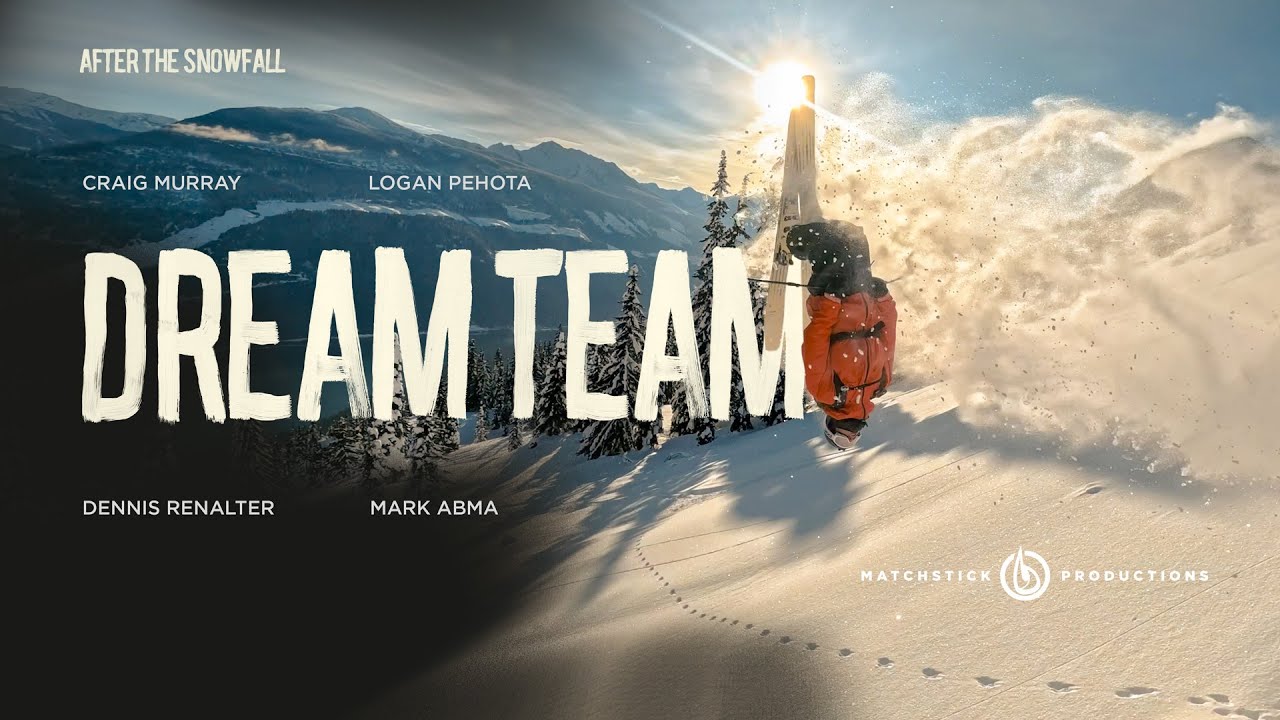
Recent projects such as The Stomping Grounds, Anywhere From Here, The Land of Giants, Calm Beneath Castles and After the Snowfall show the studio’s current lane. The films still deliver elite skiing, but they also lean into why skiing matters: the people, weather windows, mountain towns, risk, joy and obsession that make winter feel bigger than sport alone.
Heli angles long lenses and action that stays readable
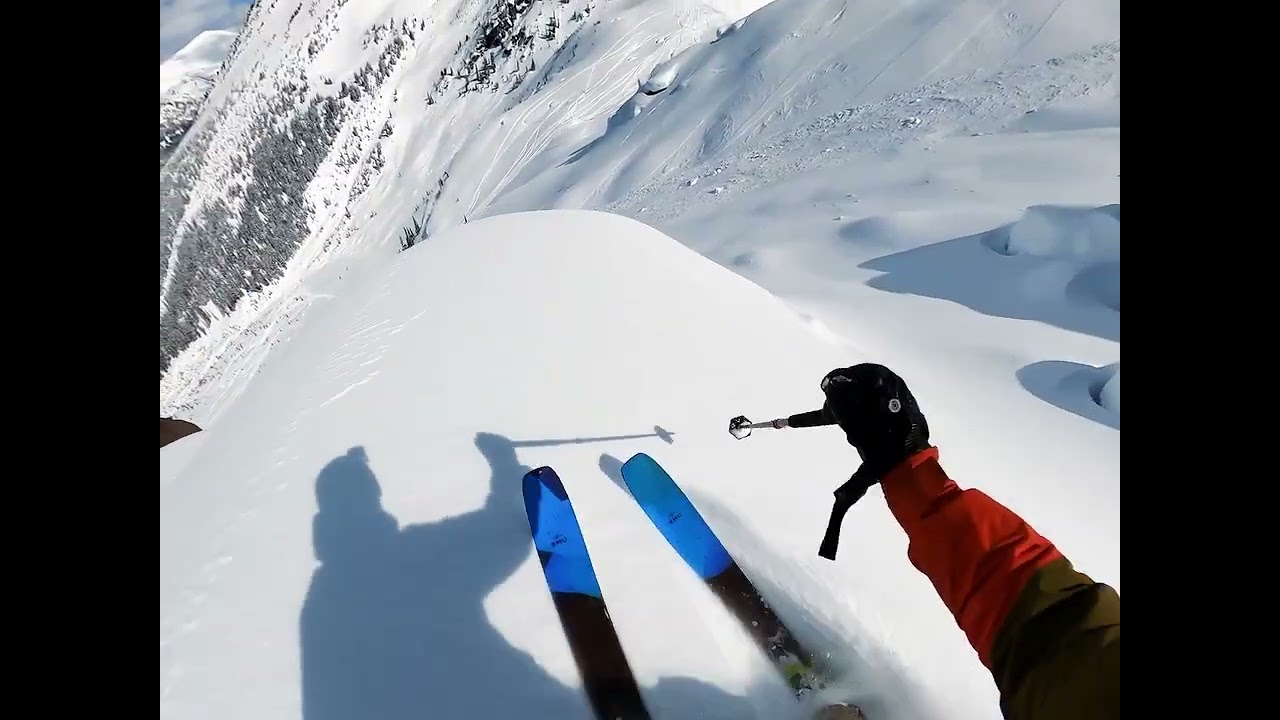
Matchstick’s production style is built around making big skiing understandable. A massive line can look flat if filmed badly, and a technical trick can disappear if the edit cuts too quickly. MSP’s best work shows the entry, the speed, the snow texture, the exposure and the exit. That makes the viewer feel the decision instead of only seeing the result.
The studio has long relied on a mix of aerial cinematography, long lens filming, follow angles, athlete point of view, drones, resort builds and mountain travel logistics. But the technology is not the point by itself. The point is how the camera serves the line. A good MSP segment gives the skier room to move through terrain. It lets sluff build, speed carry, tricks breathe and landings finish before the next shot takes over.
That discipline is why Matchstick films remain useful to skiers. They are not only hype reels. A viewer can study line choice, speed checks, body position, terrain spacing, jump takeoffs, powder turns and how different athletes manage risk. The films make elite skiing feel spectacular without making it visually confusing.
McConkey Morrison Abma Parker and the MSP athlete language
MSP’s importance is inseparable from the athletes it has filmed. Across eras, the studio has worked with some of the sport’s most influential names, including Shane McConkey, Seth Morrison, Ingrid Backstrom, Mark Abma, Michelle Parker, Cody Townsend, Sean Pettit, Eric Hjorleifson, Sammy Carlson, James Heim, Bobby Brown, Richard Permin, Hoji, Parker White, Karl Fostvedt and many more. The cast lists often read like a timeline of modern skiing.
The studio’s athlete language is broad. It can frame a big mountain charger, a creative backcountry freestyler, a technical park skier, a powder stylist or a mountain town lifer without forcing them into the same mold. A McConkey segment needed wit and consequence. A Morrison line needed power and exposure. A Michelle Parker part needs patience, terrain and momentum. A Karl Fostvedt or Parker White section needs room for style, rhythm and creativity.
That ability to adapt to the skier is one of MSP’s strongest qualities. The best Matchstick films do not make athletes feel interchangeable. They use location, music, pacing and shot selection to show what each skier brings to the mountain.
Crested Butte roots with Alaska British Columbia and Norway scale
Matchstick’s geography begins with Colorado, but its film map is global. Crested Butte gives the company a mountain town base and a strong Colorado identity, yet MSP’s catalogue repeatedly stretches into the places that define modern ski cinema: Alaska spines, British Columbia pillows, Japan powder, Norway’s Lyngen Alps, Whistler, Palisades Tahoe, Tordrillo terrain, Haines, Arapahoe Basin and deep regional backcountry zones.
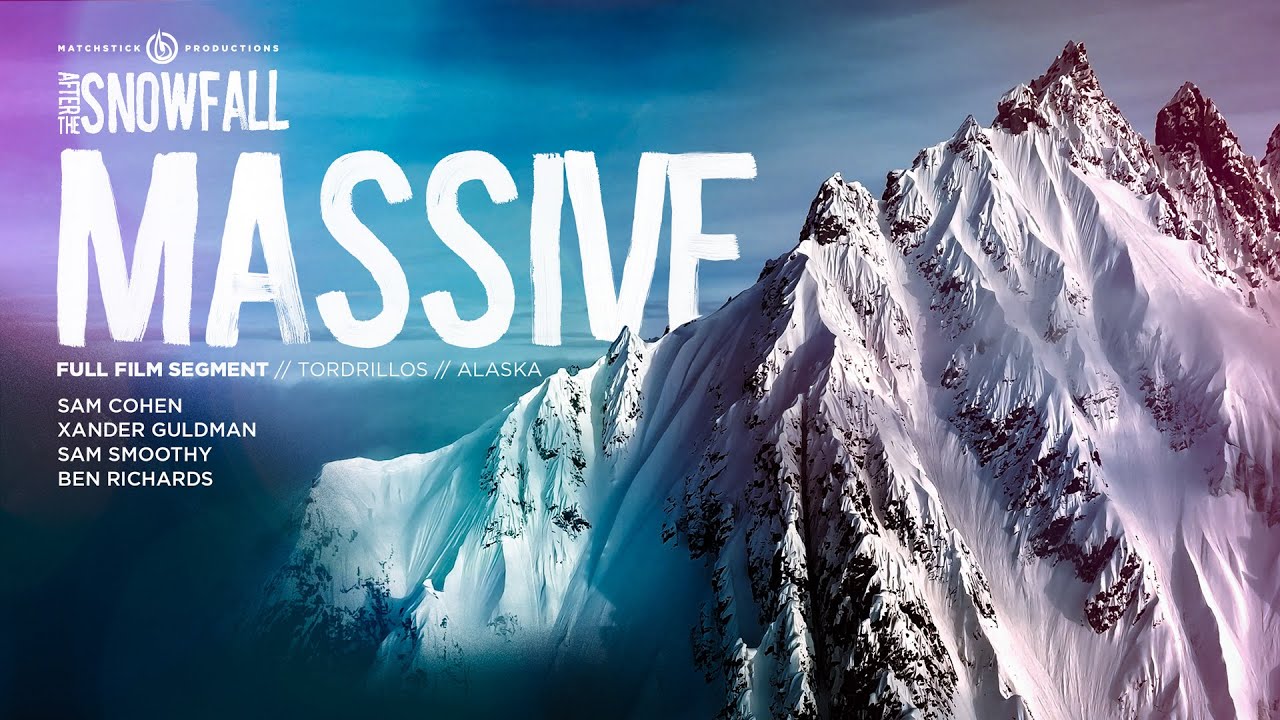
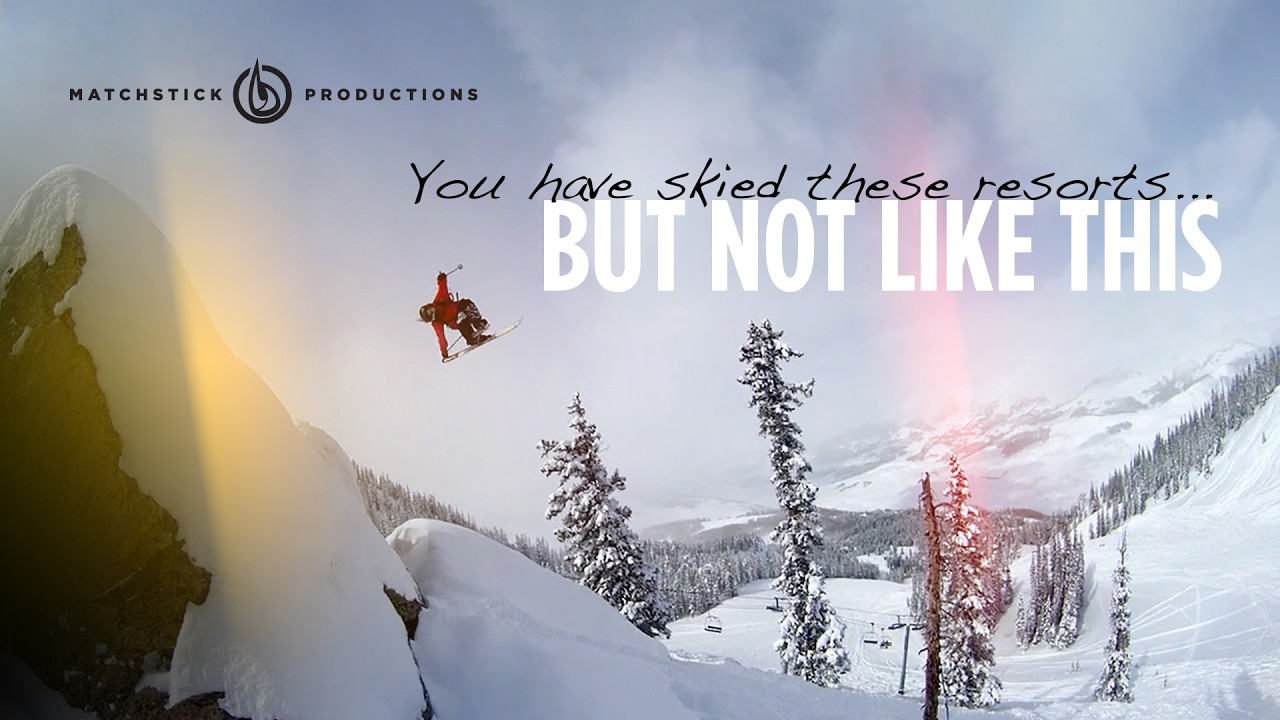
Alaska has been especially important to the Matchstick visual language. Long fall line faces, spines, sluff management and exposed entries give MSP the raw material for some of its heaviest big mountain sequences. British Columbia brings another texture: pillow stacks, storm skiing, forest depth, heli lodges, sled access and creative natural features. Norway adds summit to sea terrain, travel atmosphere and a different kind of scale.
This geography matters because ski films are partly location documents. MSP has helped generations of skiers imagine where they want to go next. A viewer sees Haines, Myoko, Whistler, the Tordrillos or the Monashees not as postcard names, but as living terrain shaped by light, snow, athletes and timing.
Production logistics as the real studio construction
For a film studio, construction means fieldcraft. Matchstick does not build skis or boots. It builds film projects through crews, permits, guides, helicopters, avalanche forecasting, athlete scheduling, camera systems, music, post production, premieres, distribution and sponsor coordination. The most memorable shots come from mountains, but the reason those shots exist is planning.
MSP’s official production arm emphasizes advanced aerial and ground filming equipment, storyboarding, scripting, talent scouting, location scouting, permits, logistics and final delivery formats. That kind of structure is essential in ski filmmaking because weather can erase a plan in one hour. Crews may wait days for a window, hike or fly into a zone, then get only one chance at a line before the snow changes.
The durability of Matchstick comes from being able to repeat that process year after year. A single great ski film can be luck. A three decade catalogue requires systems: trusted athletes, capable cinematographers, editors who understand skiing, tour staff, sponsors, partners and the discipline to know when not to shoot.
How to enter the MSP catalogue
Choosing a Matchstick film depends on what kind of ski energy you want. For the early 2000s explosion, start with the Ski Movie trilogy and Yearbook. Those films show the growth of modern ski movie grammar: bigger airs, faster cuts, stronger characters and a shift toward the freeski language that would dominate the next decade.
For polished mid era MSP, Days of My Youth is one of the easiest entry points. It combines ski action with a broader emotional frame, making it accessible even to viewers who are not deep inside ski culture. The Way I See It, Attack of La Nina and Superheroes of Stoke are useful if you want to feel the high energy MSP style at full speed.
For the current studio, watch The Land of Giants, Calm Beneath Castles and After the Snowfall. These films show Matchstick’s modern mix: elite athletes, emotional storytelling, global terrain, fall tours and a sense that skiing is not only about the hardest line, but about why people keep building their lives around snow.
Why Matchstick still matters to ski culture
Matchstick Productions matters because it helped define how skiing sees itself on screen. The studio made big mountain lines feel cinematic, freeride athletes feel mythic, fall premieres feel essential and annual ski films feel like the unofficial start of winter. For many skiers, a Matchstick tour stop is not just entertainment. It is the first spark of the season.
The 5 out of 5 rating is justified by history, influence and ongoing relevance. MSP has a long feature film catalogue, major athlete relationships, award recognition, Emmy nominated production work, commercial production capabilities and a current release cycle that still places it among skiing’s most visible studios. It is one of the rare film brands that can connect old ski movie fans, modern freeriders and casual resort skiers in the same theater.
On skipowd.tv, Matchstick Productions belongs as a core ski film production studio. Its value is the memory it gives the sport: Alaska faces, powder mornings, road trips, premieres, big crashes, perfect landings, emotional narration, and the feeling that skiing is worth chasing even when the season is uncertain. MSP does not just film skiing. It helps skiers remember why winter matters.