Profile and significance
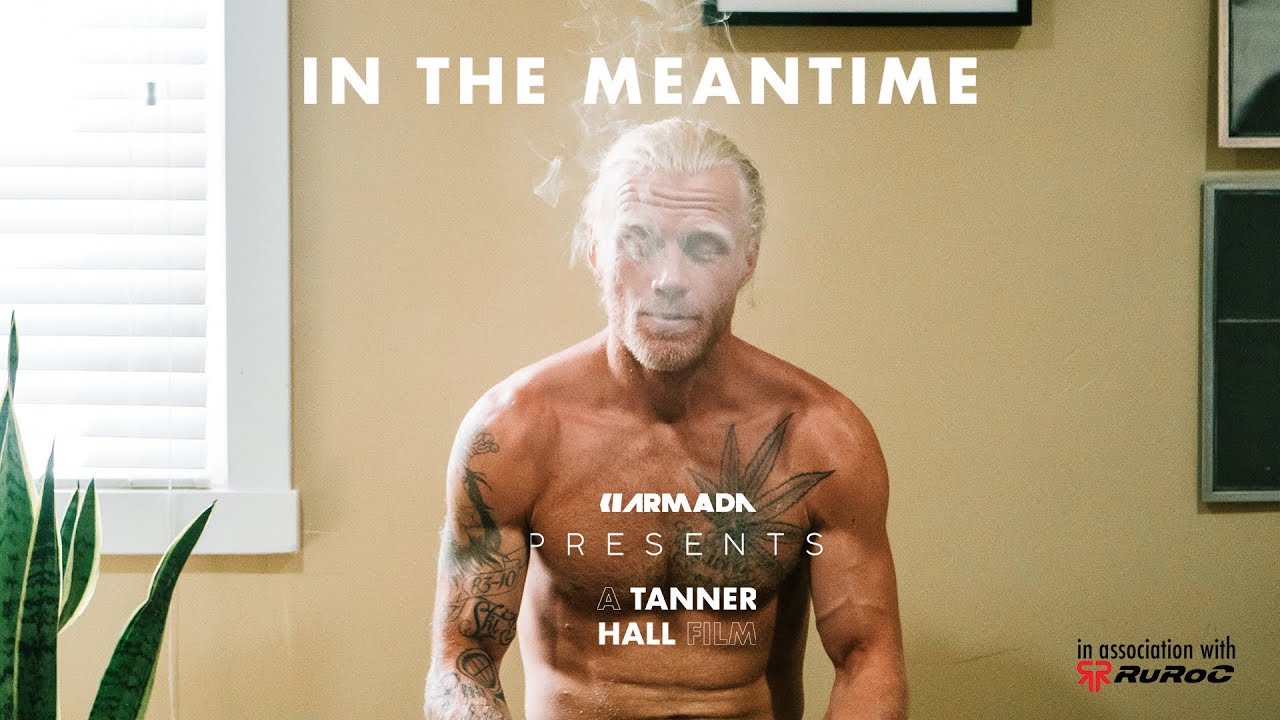
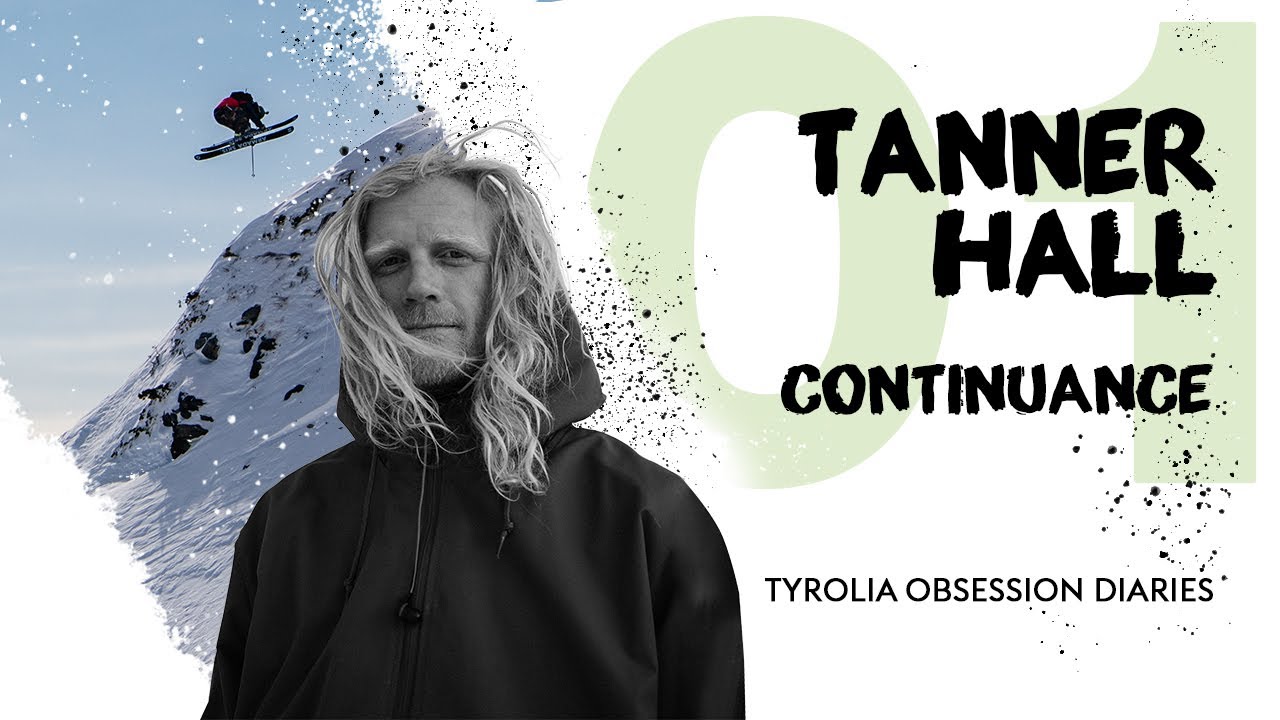
Tanner Hall—universally known as the “Ski Boss”—is one of freeskiing’s defining figures. Raised in Montana and forged in Utah park culture, he turned the early-2000s twin-tip revolution into a permanent shift in how slopestyle, big air, halfpipe and backcountry segments are skied and filmed. Hall’s competitive résumé is unmatched in its era: 11 Winter X Games medals with golds across superpipe, slopestyle and big air, a haul celebrated even by his longtime ski partner Armada. He co-founded Armada Skis in 2002 alongside JP Auclair and a core crew, codifying the rider-run brand model that many teams still emulate. After his early contest peak, he extended his reach with influential movie parts and later brought his power and feel to freeride venues, taking a podium in Japan while competing on the Freeride World Tour.
Hall’s significance goes beyond medals. He helped define park and pipe amplitude, he changed what counted as “clean” style in urban/street skiing and backcountry, and he became an archetype for longevity: comebacks from devastating injuries, followed by a second act of heavy edits and freeride results. For skiers who judge by both scoreboards and film parts, Hall is a cornerstone reference.
Competitive arc and key venues
Hall’s rise runs from Montana to Utah to Aspen. He learned to ski at Whitefish Mountain Resort, moved in his mid-teens to Park City for structured training and then began collecting major results while progressing tricks that read clearly at speed. His early X Games wins in big air and slopestyle set the pace; the superpipe three-peat era established his signature amplitude. Aspen’s Snowmass and Buttermilk venues became recurring theaters for those runs. After injuries reset the trajectory, he rebuilt through filming blocks and selective contests, then stepped into big-mountain inspection with the Freeride World Tour, where he earned second place at Hakuba in 2019 and later returned on a 2023 event wildcard.
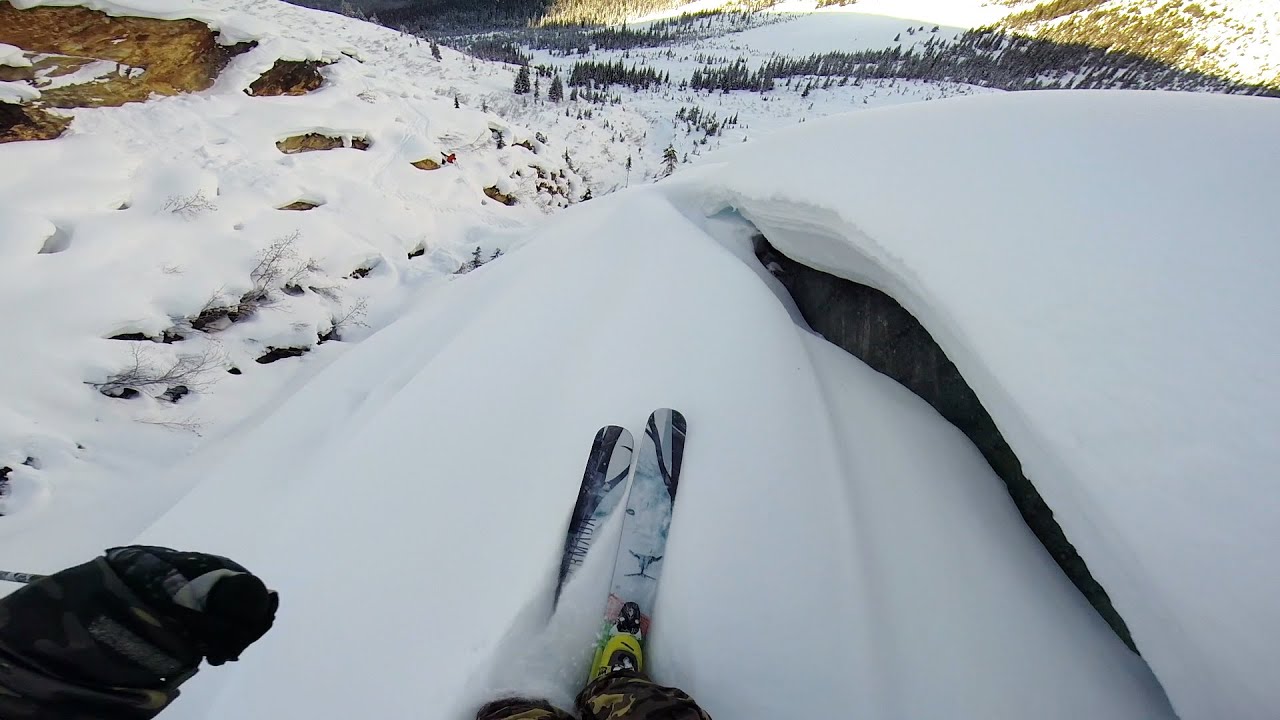
Two places explain the durability of his career. Park City Mountain gave him long seasons, world-class halfpipe shaping and the repetition to make amplitude look easy. In British Columbia, Hall invested time and energy around Retallack, where storm snow and sustained pitches turned his pop and edge control into stacked backcountry lines. The mix—contest-shaped parks and authentic powder terrain—lets his skiing translate everywhere from a floodlit pipe to glaciated pillows.
How they ski: what to watch for
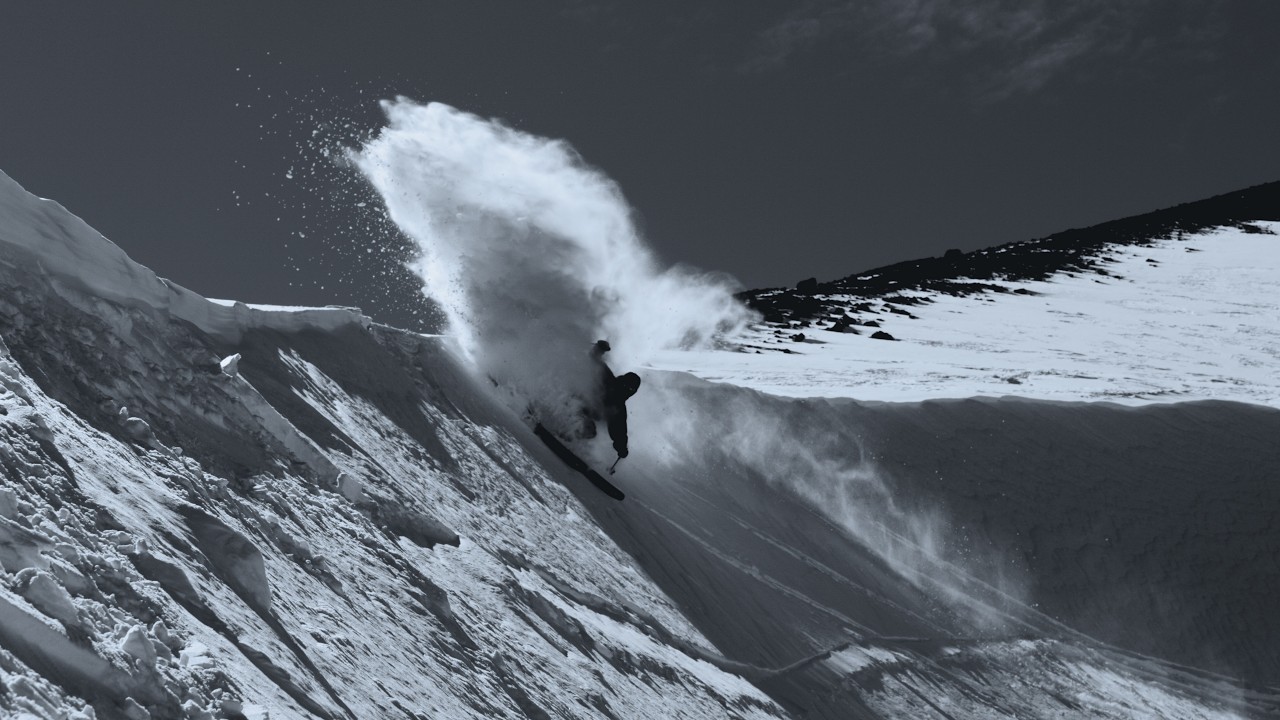
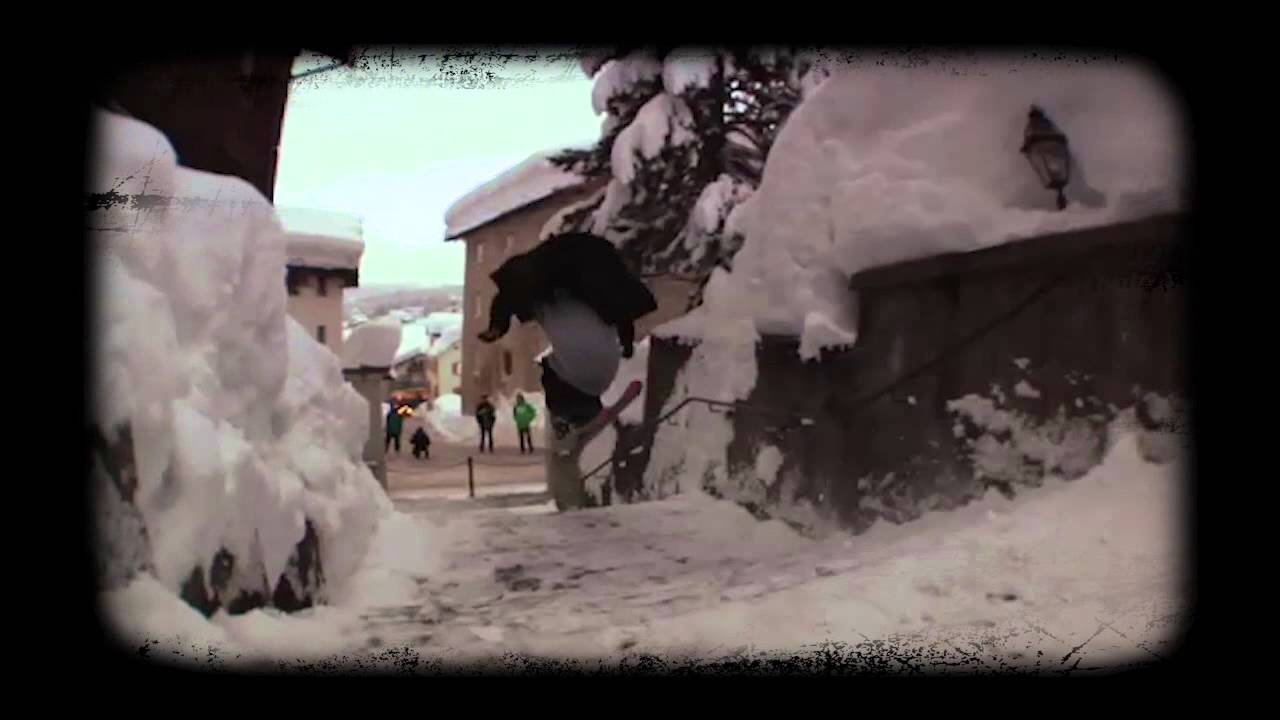
Hall’s style is built on timing, power and definition. Into takeoffs he stays tall, sets late and locks grabs early enough that the axis reads from the lip. In superpipe, watch the way he organizes his edges and hips before the wall—he loads the ski so the release is explosive rather than frantic, which is why his height out of the pipe has long been a benchmark. On rails and in street, he favors square entries and presses held just long enough to be unambiguous, with swaps that look inevitable rather than improvised. In backcountry, he carries the same discipline into natural features: ankles and hips start the butter, shoulders stay quiet, and landings arrive stacked over the feet.
The common thread is clarity. You can slow a Hall clip and still read the idea: patient pop, honest grab definition, centered landings. That legibility is part of why his runs aged well and why his segments—park, street or powder—became study material for a generation.
Resilience, filming, and influence
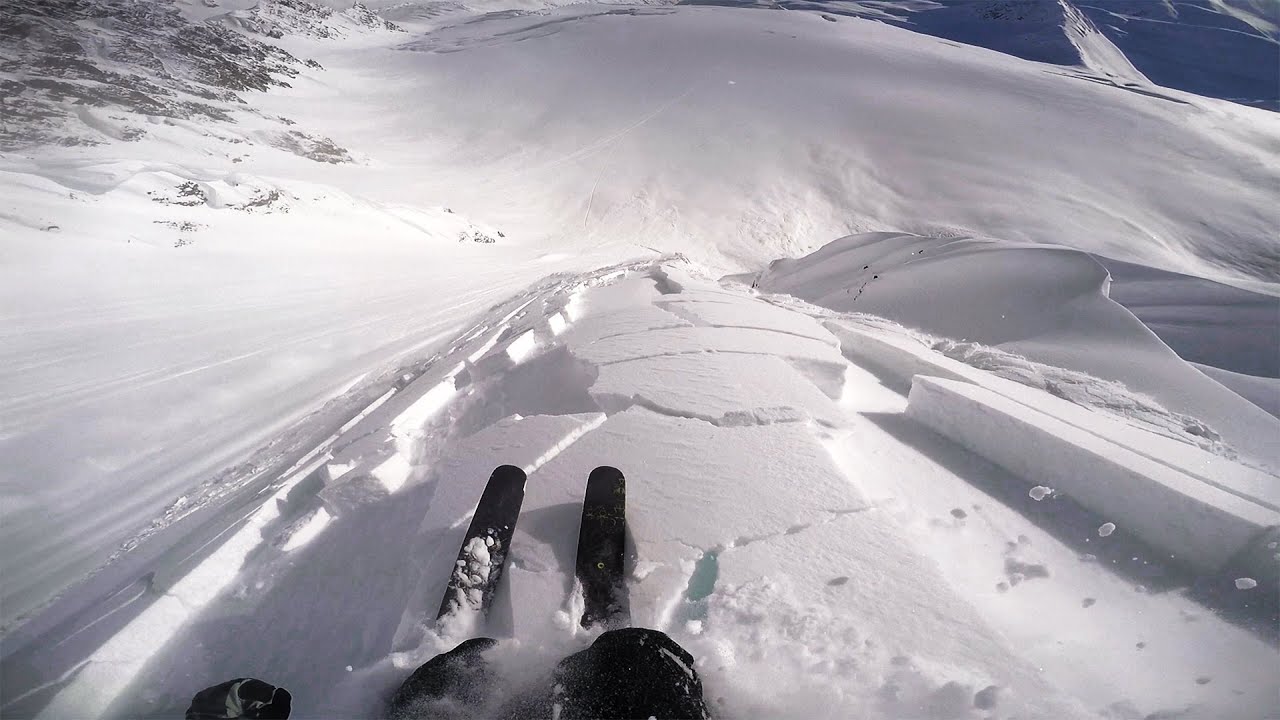
Hall’s resilience is central to his legend. In 2005 he famously shattered both ankles overshooting Chad’s Gap in Utah; in 2009 a filming crash in Washington destroyed both knees. He rebuilt twice, returning to X Games podium contention and then retooling his career around heavy parts and freeride competition. Through it all he kept filming: Poor Boyz Productions classics, the Inspired era he launched with Eric Iberg, and a steady stream of late-career projects that proved power and style survive long after most pros retire. When X Games took freeskiing to video with Real Ski, Hall’s entries and later Real Ski 2021 appearance showed how his approach meshes with modern, edit-first formats.
Influence also flows through equipment culture. As a founder of Armada, he helped shift the center of gravity toward athlete-led design and storytelling. That brand’s presence in parks, urban parts and powder edits—along with projects honoring JP Auclair—kept Hall’s technical choices and aesthetic priorities visible for young riders learning the craft.
Geography that built the toolkit
Place explains the method. Whitefish Mountain Resort gave Hall his first laps and an all-terrain foundation. Park City provided length of season, high-caliber halfpipe construction and contest-ready slopestyle lines—the training ground for his medal years. Aspen’s Snowmass/Buttermilk complex hosted many of the runs that cemented his X Games legacy. North of the border, Retallack brought sustained fall-line snow and real-world decision-making, producing backcountry parts that matched the authority of his park clips. Thread those venues together and you see why his skiing reads the same whether the stage is a perfect pipe wall or a wind-affected pillow stack.
Later, freeride stops from Japan to the Rockies gave Hall new canvases, but the fingerprints remained consistent: measured speed, stacked landings, and choices that keep flow intact for what comes next.
Equipment and partners: practical takeaways
Hall’s name is inseparable from Armada Skis. Over two decades he’s ridden and influenced platforms that span park icons to deep-snow shapes—tools chosen to pop predictably, press cleanly and stay stable at his trademark amplitudes. For skiers trying to borrow the feel, the hardware lesson is principle-based. A true twin with a balanced, medium-stiff flex will let you load the lip without folding and still hold presses on steel. A light detune at the contact points reduces rail bite while preserving trustworthy grip for pipe walls and jump takeoffs. A near-center mount keeps switch landings neutral and presses level. Binding ramp that’s too aggressive pushes you into the backseat; aim to stack hips over feet so you can release power on demand instead of rescuing landings.
Equally important is process. Film the lap, compare shoulder alignment and hip-to-ankle stack against a short checklist, and repeat until patient pop and early grab definition become automatic. That workflow—visible across his edits and Real Ski entry—is the part any motivated skier can copy.
Why fans and progressing skiers care
Fans care about Tanner Hall because he merged progression with clarity and then proved it lasts. The medals at Aspen, the segments from Park City to British Columbia, the later freeride results in Hakuba—each chapter shows the same readable language: calm into the lip, explosive but organized release, and landings that keep the line moving. Progressing riders care because those choices scale to ordinary parks and real snowpacks. You don’t need a contest bib to apply the blueprint—just patience at the takeoff, early grab definition, square exits from rails and stacked landings that set up the next hit. Two decades after he helped design the culture around athlete-led brands and film-driven skiing, the Ski Boss remains a living checklist for how modern freeskiing should look and feel.
Overview and significance
California is a global reference for modern skiing and freeski culture. The Sierra Nevada’s granite bowls and vast tree zones pair with robust snowmaking and long seasons to deliver high-volume laps and a deep filming/training scene. In the north, Palisades Tahoe (host of the 1960 Winter Olympics and recent World Cup stops) offers iconic steeps and a strong park tradition. Farther south, Mammoth Mountain’s Unbound complex is one of the sport’s most influential park/pipe programs, backed by consistent spring operations. Southern California rounds out the picture with Bear Mountain and Snow Summit at Big Bear, where night laps and rail culture built a generation of riders. Add in family-friendly June Mountain, storm-protected Kirkwood and Northstar, and independent classics like Sugar Bowl and Bear Valley, and you have a state that checks nearly every box—from slopestyle progression to in-bounds freeride and sidecountry tours.
Terrain, snow, and seasons
California’s snowpack swings between maritime and continental traits depending on elevation and storm track. Big “atmospheric river” events can bury the high Sierra quickly with dense, forgiving snow that shapes stable lips and landings—great for jumps and pipe work—while colder, post-storm windows preserve chalk on north faces and dry powder in glades. Tahoe’s headline terrain ranges from the high-alpine faces of Palisades to Kirkwood’s gullies and cornices and Northstar’s protected tree skiing. Mammoth’s volcanic ridges collect wind-buff and consistent coverage; wide treeline pitches ride well for days between refreshes. Season length is a California advantage: Mammoth often spins from November into late spring, sometimes early summer, while Tahoe resorts typically aim for late November openings and reliable January–March midwinter. In SoCal, Big Bear’s elevation and snowmaking deliver extended night-ski windows even when coastal warmth returns to the valleys.
Park infrastructure and events
California is park-forward. Mammoth Unbound runs multiple zones, a full-size pipe when conditions allow, and a rotating slate of rails/boxes and jump lines designed for progression through XL. Mammoth regularly anchors top-tier contest series (U.S. Grand Prix/Rev Tour seasons) and hosts open rail/boardercross/USASA events that keep grassroots energy high. In Tahoe, Palisades maintains creative park lanes and small-to-medium progression features when snowlines permit, while Woodward Tahoe at Boreal adds purpose-built learning and performance zones, plus an indoor facility for dryland air awareness. Down south, Bear Mountain’s terrain-park DNA still shows in rail density and efficient chair laps. On the race side, Palisades returns to the FIS Alpine World Cup calendar periodically, and Tahoe/Mammoth host national-level freestyle/freeski events through U.S. Ski & Snowboard—useful milestones if you plan a trip around live comps.
Access, logistics, and on-mountain flow
Gateways split neatly by region. Reno–Tahoe International (RNO) serves North Lake Tahoe; Sacramento (SMF) and the Bay Area (SFO/OAK/SJC) feed both sides of the lake via I-80/US-50. For the Eastern Sierra (Mammoth/June), fly into Mammoth Yosemite (MMH) when available or route through Reno (RNO) or Bishop (BIH) and drive US-395. For Big Bear/Snow Valley/Snow Summit, most visitors drive from Los Angeles/Orange County via SR-330/18. In winter, always check Caltrans QuickMap and chain-control advisories before you go; US-395 and Tahoe passes (SR-89/88/50/80) can close or require traction during storms. Once at the hill, group by objective: park laps (position near Unbound or Bear’s main park line and know the fastest chairs), storm trees (Northstar, Sugar Bowl’s Judah side, Mammoth’s Chair 12/13 zones), or steeps (KT-22 at Palisades, Kirkwood’s Cirque-adjacent terrain when open). Ikon Pass covers Mammoth, June, Palisades Tahoe, and Big Bear; Epic Pass covers Heavenly, Northstar, and Kirkwood—handy for mixing pods in a single road trip.
Local culture, safety, and etiquette
California’s scene blends high-output media culture with thoughtful mountain safety. If you’re leaving groomers or resort boundaries, read the daily forecast from the Sierra Avalanche Center (Tahoe) or the Eastern Sierra Avalanche Center (Bishop/Mammoth) and carry beacon–shovel–probe with trained partners. Observe closures and respect patrol work; big Sierra storms mean active control and frequent wind holds. On the road, winter driving is serious business—review Caltrans chain rules and don’t rely solely on GPS detours during highway closures. Park etiquette is standard: call your drop, keep speed predictable, and clear knuckles/landings immediately. Many resorts support night operations or early-ups on event weeks; be courteous to crews setting features or fencing. Town-side, expect strong community ties—film premieres in Truckee/Tahoe City, shop-supported jams in Mammoth Lakes, and SoCal’s long-running park culture at Big Bear.
Best time to go and how to plan
January–February offers the most reliable midwinter conditions statewide: cold storms, chalk on north aspects, and firm, predictable takeoffs. March is the all-rounder—longer days, bigger park builds, stable weather windows for in-bounds hikes and sidecountry tours, and classic Sierra corn cycles on solar aspects. For contest energy, aim for late January/February around Mammoth’s Grand Prix/Rev Tour blocks and monitor Palisades for occasional World Cup weekends. If you’re designing a multi-resort trip, choose a corridor strategy: a Tahoe base (Palisades/Alpine, Northstar, Sugar Bowl, Boreal/Woodward, Heavenly/Kirkwood) or an Eastern Sierra focus (Mammoth + June) with optional storm chases south to Big Bear. Book lodging early for holiday and event weeks; pre-load your passes into resort apps; and build a backup plan for road closures (carry food/water, confirm flexible check-in, and watch pass webcams/operations pages each morning).
Why freeskiers care
Because California lets you do it all, often in one week. You can stack high-speed park laps on Unbound’s measured lines, hike iconic in-bounds steeps off KT-22 when patrol gives the green light, then film storm-sheltered tree shots while the snow stacks. The state’s event calendar, athlete community, and media ecosystem keep standards high and ideas fresh. Reliable spring operations extend practice time; the avalanche forecast network supports smarter backcountry choices; and the pass mix simplifies travel between heavy-hitters. For riders who value both progression and variety—park, pipe, pow, and chalk—California is as complete as it gets.
Quick reference (official resources)
Notable athletes & brands linked to this place
Brand overview and significance
Armada is widely recognized as skiing’s pioneering athlete-founded brand. Launched in 2002 by a crew of influential freeskiers and creatives, it set out to build equipment around how modern skiers actually ride—park, powder, streets, and big, natural terrain—rather than filtering innovation through traditional race heritage. The brand’s identity has remained anchored in rider input and film culture, with a product line that mirrors the creative, playful approach that reshaped freeskiing in the 2000s and beyond. In March 2017, Amer Sports acquired Armada, bringing the label into the same winter portfolio as other major ski manufacturers while preserving its athlete-led philosophy and distinct design language.
Armada operates from the Wasatch and the Alps, with day-to-day brand life connected to Park City Mountain in Utah and a European hub near Innsbruck. That cross-Atlantic footprint helps shape a catalog that feels at home in North American freeride zones and on the varied snowpacks and park scenes of the Tyrol. Culturally, Armada remains closely tied to athlete films, creative web series, and team projects—touchstones that communicate the skis’ intended feel as much as spec sheets do.
Product lines and key technologies
Armada’s lineup is organized by intent, not marketing buzzwords. The ARV/ARW family represents the brand’s all-mountain freestyle DNA; Declivity and Reliance (directional all-mountain) serve resort skiers who want confidence at speed and on edge; Locator targets fast-and-light touring; and signature freeride shapes such as the Whitewalker translate film-segment creativity to deep snow and mixed terrain. Within those families, Armada refines behavior with a set of in-house technologies that have become calling cards.
Two construction ideas stand out. First, rocker/camber profiles like AR Freestyle Rocker and EST Freeride Rocker blend long, forgiving rockered zones with positive camber underfoot to preserve edge hold. Second, base and sidewall details tune how the ski releases and smears: Smear Tech adds subtle 3D beveling in the tips and tails for drift, pivot, and catch-free butters, while AR75/AR100 sidewalls and tailored cores (including lightweight Caruba in touring models) balance mass reduction with damping and strength. Together these choices explain why Armada skis often feel both lively and composed—easy to pivot yet trustworthy when speed comes up or the snow gets choppy.
Ride feel: who it’s for (terrains & use-cases)
If you like your all-mountain laps to include side-hits, switch landings, and a bit of exploration off the groomer, Armada’s ARV/ARW models are designed for you. They’re energetic, smearable, and predictable in variable resort snow, with enough camber to carve cleanly back to the lift. Resort chargers who prioritize directional stability and precise edge feel will gravitate toward Declivity and Reliance: more metal and more length options yield a calmer ride on hardpack, while still keeping the Armada “surf” in soft conditions. For backcountry skiers who want to keep the uphill efficient without giving up fun on the way down, the Locator series blends low weight with real-snow suspension. And on storm days and film-project lines, signature freeride shapes like Whitewalker are aimed at powder, pillows, and wind-affected steeps where you want loose, pivotable tips, supportive platforms, and confident landings.
Team presence, competitions, and reputation
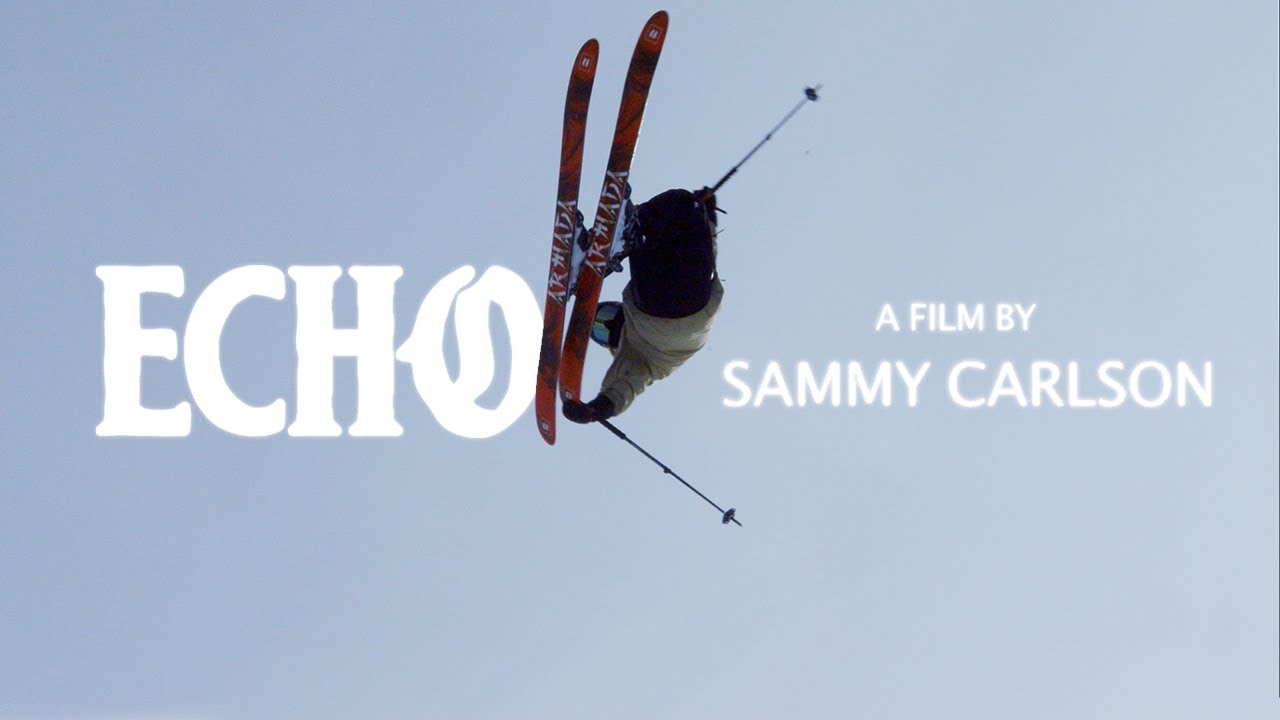
Armada’s reputation rides on the shoulders of its athletes as much as its skis. Over the years, names like Henrik Harlaut, Phil Casabon, and Sammy Carlson have defined the brand’s look and feel—style-first skiing that still handles real-mountain speed and impact. That visibility spans major events like the X Games and high-profile film releases, reinforcing Armada’s role as a tastemaker for park, street, and backcountry-freestyle aesthetics. The roster’s breadth—from urban icons to big-mountain specialists—helps keep the catalog honest: new designs trace back to specific needs revealed in segments, contests, and long-day resort laps.
Geography and hubs (heritage, testing, venues)
Armada’s U.S. presence is tied to the Wasatch—easy access to long season mileage, park laps, and storm cycles near Park City Mountain and the Cottonwood canyons. In the Alps, the scene around Innsbruck gives the team fast access to varied venues like Axamer Lizum and the Golden Roof Park, useful for repeatable park testing and quick condition changes. Historic filming staples like Mammoth Mountain continue to influence sizing, rocker lines, and the playful-but-capable feel that many skiers now expect from all-mountain freestyle shapes.
Construction, durability, and sustainability
Armada pairs wood cores and fiberglass/carbon laminates with sidewall constructions that vary by intent. All-mountain freestyle models use thicker edges and reinforcement underfoot to handle rails and landing zones; directional models lean into torsional stiffness and damping for edge fidelity; touring models deploy Caruba cores, strategic rubber/titanal binding mats, and lighter edges to keep mass down without making the ride nervous. On the softgoods side, the brand publishes “Honest Social Responsibility” notes outlining material choices in apparel and gear. For hardgoods, a two-year warranty applies to skis and most equipment, a standard that signals baseline confidence in materials and build. While any ski can be damaged by rails, rocks, or improper mounts, Armada’s construction playbook is tuned for the mix of freestyle creativity and resort mileage its audience demands.
How to choose within the lineup
Start with where and how you ski most. If your days blend carving with side-hits, trees, and the occasional lap through the park, look to the all-mountain freestyle family with waist widths in the upper-80s to mid-90s for a balanced daily driver. If you spend more time at speed on firm snow, directional all-mountain models with metal reinforcement and slightly longer radii will feel calmer and more confidence-inspiring on edge. If you tour, match Locator widths to your snowpack and objectives: narrower for long approaches and mixed conditions; wider for soft-snow zones and mid-winter storm cycles. Powder-first skiers who still like to trick and slash should consider signature freeride shapes with loose, rockered tips/tails and sturdy platforms underfoot. Size for your intent: freestyle-oriented riders often pick slightly shorter for maneuverability; directional and touring skiers typically size to nose/forehead or longer for stability and float.
Why riders care
Armada matters because it helped define what “modern” skiing feels like—and continues to translate that feel into products that make sense for real resort laps, backcountry tours, and deep days. The brand still reads like a dialogue between athletes and engineers: skis that pivot and smear when you want, yet bite and track when you need; graphics and shapes that look the part in a park edit but stand up to chunder at 3 p.m. Whether you arrive through contest clips, a team movie, or a storm cycle backcountry mission, the through-line is the same: creative expression backed by functional engineering. That combination keeps the label relevant to skiers who value both style and substance, from first chair corduroy to last-light pillow stacks—and it’s why Armada has a lasting footprint across freeski culture as well as everyday resort skiing.