Valle Nevado
Andes
Chile
Chile Andes resort above Santiago | Known for: high altitude open bowls, Snowpark Valle Nevado, Andes Cup freestyle events, heli skiing, south facing snow, and Tres Valles access | Season: Southern Hemisphere winter from June to September depending on snow | Best for: park riders, summer training trips, open terrain skiing, heli skiing, and first South America ski travel
Three Thousand Meters Above Santiago
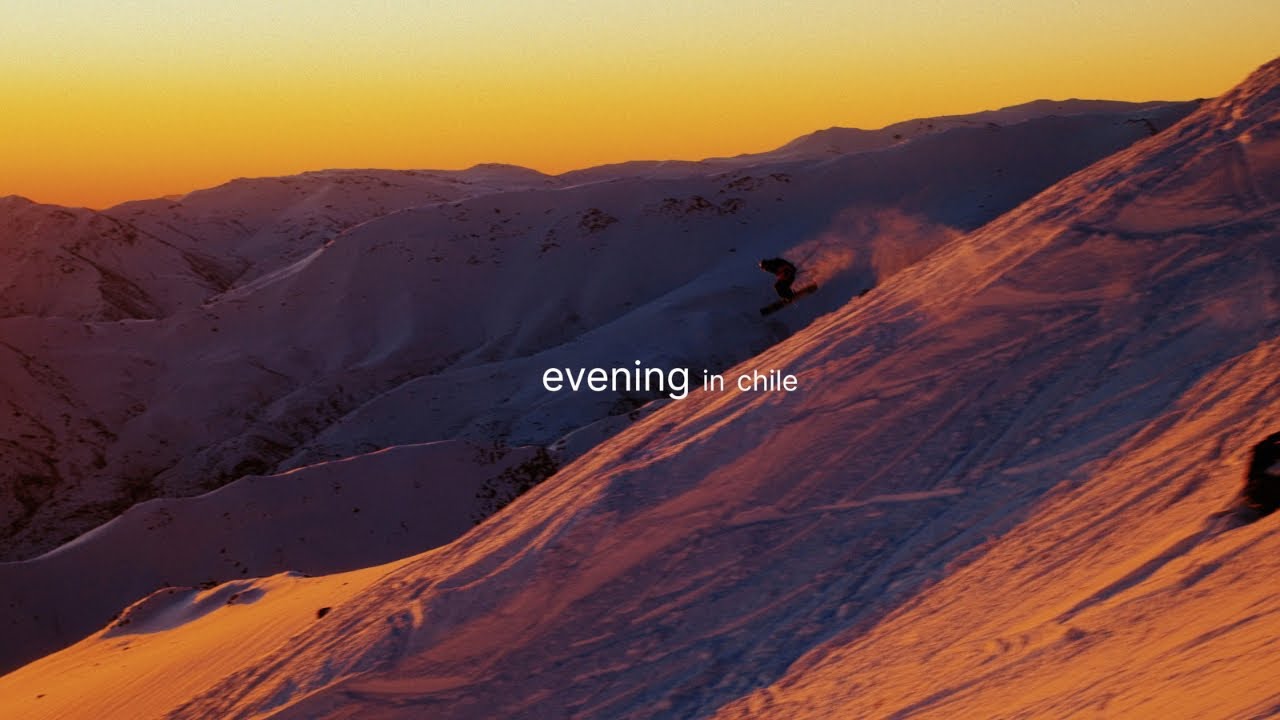
Valle Nevado sits high in the central Andes above Santiago, with the resort history page placing its original development at 9,924 feet above sea level in a south-facing valley. That elevation is the first reason the resort matters. A skier can leave Chile’s capital basin and climb into a treeless, open, high-mountain snow world where the horizon feels wider than most European or North American resort bowls. Valle Nevado opened in 1988 after heavy snowfall delayed the planned 1987 launch, and it has since become one of South America’s most recognizable ski destinations. For freeskiers, the draw is not only piste skiing. It is the combination of high altitude, open terrain, Snowpark events, heli skiing, and Southern Hemisphere timing.
Andes Express And The Open Bowl Layout
The resort’s lift map is built around names that define the way the mountain is used: Andes Express, Ballicas, Candonga, Carrusel, Embalse, Escondida, Góndola, Mirador, Prado, Tres Puntas, Vaivén, Valle del Inca, and Ancla. Public resort databases commonly list the ski area between 2,860 meters and 3,670 meters, with 40 kilometers of marked slopes and about 890 hectares of accessible terrain. The experience feels larger than the piste distance because the Andes terrain is broad, open, and visually uncluttered by trees. Skiers move through high bowls, rolling groomers, wind-shaped ridges, and long traverses where weather and visibility matter. Valle Nevado is not a forest resort. It is an exposed Andean amphitheater.
Prado Learning Terrain To Tres Puntas Exposure
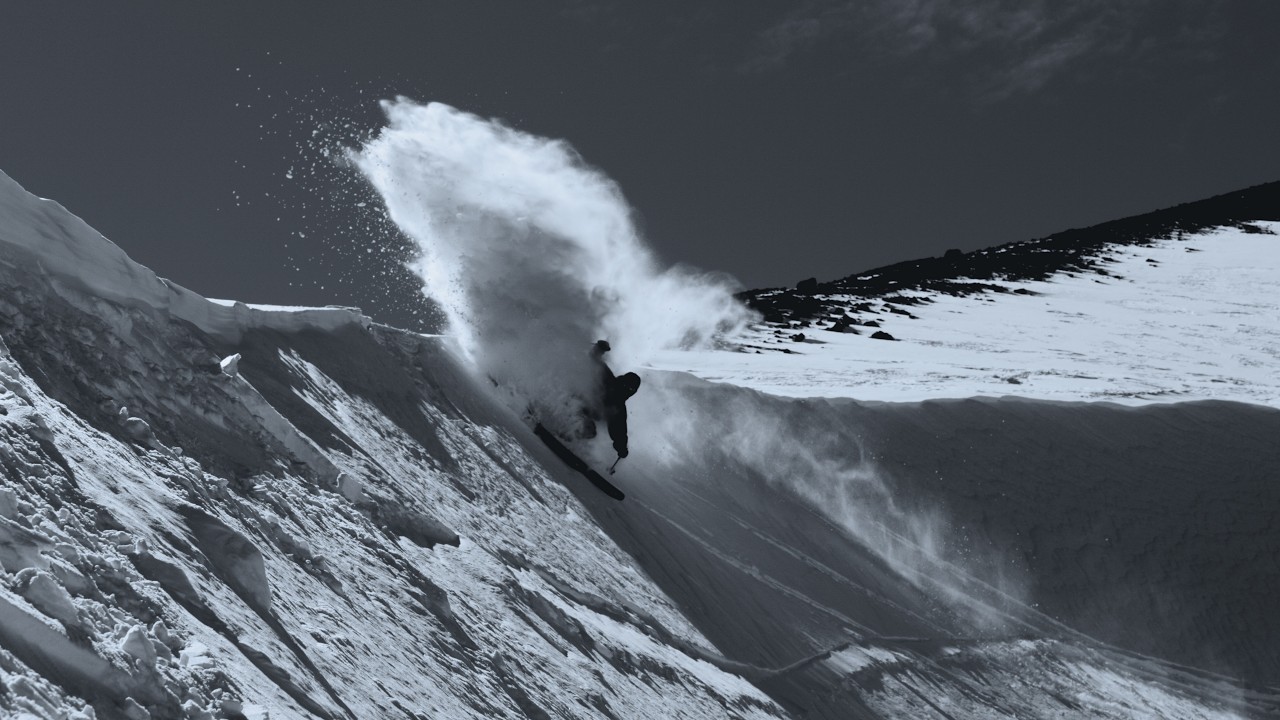
The official slopes page groups the ski terrain into beginner, intermediate, advanced, expert, and freeride categories. That structure gives the mountain a useful progression ladder. Beginners can use lower and easier zones near the main resort services before moving into longer blue terrain. Intermediates get the classic Valle Nevado experience: wide groomers, long views, and enough space to build speed without feeling trapped in narrow corridors. Advanced skiers look toward steeper terrain, wind buff, ungroomed pitches, and sectors that demand stronger edge control. Expert and freeride terrain should be treated with respect. Treeless mountains make route choices visible, but they also expose skiers to flat light, wind texture, sun crust, and snow surfaces that change quickly through the day.
Snowpark Valle Nevado And The Andes Cup Stage
The Snowpark gives Valle Nevado its clearest freeski identity. The resort’s 2025 Andes Cup report says the Snowpark hosted one of the most important competitions on the South American circuit from July 28 to August 1, with Slopestyle and Big Air in both Snowboard and Freeski. FIS also lists Valle Nevado as the venue for Andes Cup South American Cup events in 2026, with Slopestyle and Big Air scheduled for September. That competition layer matters. It places Valle Nevado inside the Park and Pipe calendar during the Northern Hemisphere off-season, when athletes and crews are looking south for snow. The park is not just a tourist add-on. It is part of the region’s competitive freestyle infrastructure.
Southern Hemisphere Timing And Olympic Cycle Value
Valle Nevado’s season sits in the opposite half of the year from Europe and North America, which gives it special value for skiers chasing continuity. July, August, and early September can become training windows for riders who do not want a long break between northern winters. That is especially important for park skiers and snowboarders because air awareness, rail timing, and jump confidence fade without repetition. The Andes Cup schedule also gives young South American athletes a local pathway into FIS points and international competition structure. A Chilean or Argentine rider does not need to fly to Europe for every meaningful start. Valle Nevado helps make the southern freestyle calendar real.
Heliski Terrain Beyond The Resort Boundary
Valle Nevado Heliski is one of the resort’s defining high-end experiences. The official heliski page describes more than 35 years of expertise, operations from Valle Nevado, AS350B3 helicopters, guide supervision, and access to 125,000 hectares of terrain. It also describes landing points between 3,200 and 4,500 meters, descents toward valleys as low as 2,500 meters when conditions allow, and possible runs with up to 1,500 meters of vertical drop. That is serious terrain, not a casual extension of the piste map. For freeskiers, heliskiing gives Valle Nevado a freeride ceiling far above the normal lift system, but it also demands guide judgment, avalanche assessment, weather windows, and respect for high-Andes exposure.
South Facing Snow And High Desert Weather
The resort’s own history emphasizes its south-facing location, which is important in the Southern Hemisphere because south-facing slopes receive less direct sun. That helps snow preservation at altitude, especially during cold Andean winter periods. The central Andes can offer dry, chalky, wind-buffed, or powder surfaces depending on storm timing, elevation, and exposure. It can also become firm, sun affected, or flat-lit quickly. The lack of trees means there are fewer visual markers during low visibility, and wind can reshape soft snow into ridges, slabs, or scoured sections. Valle Nevado’s best ski days are usually built from simple mountain logic: check wind, check visibility, read slope aspect, and choose terrain according to the snow rather than the brochure.
Tres Valles Links And The La Parva Colorado Triangle
Valle Nevado sits in the same high-Andes neighborhood as La Parva and El Colorado, creating the well-known Tres Valles ski context above Santiago. The exact access and ticket logic can vary by season, ownership, lift status, and operational agreements, so the safest editorial language is to describe the area as a connected or adjacent mountain cluster rather than promise seamless access every day. For skiers, the concept still matters. Few South American destinations place multiple ski centers so close to a major capital city. A visitor can base a trip around Valle Nevado and still understand the surrounding terrain through La Parva, El Colorado, Farellones, and the road that climbs out of Santiago. That regional density is part of the resort’s importance.
Camino A Valle Nevado And The Switchback Approach
The road is part of the experience. Valle Nevado’s official address places the mountain at Camino a Valle Nevado in the Farellones sector of Lo Barnechea, above Santiago. The climb from the city is famous for its switchbacks, winter controls, and exposure to traffic, snow, ice, and weekend timing. That access gives the resort one of its strongest advantages and one of its main planning challenges. International visitors can fly into Santiago and reach high-altitude skiing without a long domestic transfer. They also need to respect road conditions, chain requirements, shuttle timing, and descent traffic. A bad road plan can cost the first session or make a return to the city more stressful than the skiing itself.
Hotels Gondola Base And Resort Services
The base area is built around hotel and apartment infrastructure rather than a traditional old mountain village. Hotel Valle Nevado, Hotel Puerta del Sol, Hotel Tres Puntas, apartment buildings, restaurants, ski school, rentals, stores, spa services, and Plaza La Góndola shape the resort rhythm. The official timeline highlights the Andes Express in 2001, the 2011 Plaza La Góndola skier services area, and the 2013 gondola as key development moments. For skiers, that means Valle Nevado works well as a self-contained high-mountain stay. Guests can sleep at altitude, walk to services, use the lift system quickly, and focus the day around snow rather than commuting from Santiago. The tradeoff is cost, limited village variety, and altitude adjustment for visitors arriving directly from sea level.
Andean Safety Without Trees Or Easy Exits
Valle Nevado looks open and inviting, but the safety language should stay serious. Above-treeline skiing changes the way risk appears. There are fewer forests to slow wind, fewer trees to give contrast in poor visibility, and long open slopes where speed can build quickly. Off-piste or freeride choices require avalanche awareness, partner discipline, and local knowledge. Heliskiing adds another layer: aircraft weather, landing zones, guide instructions, rescue planning, and terrain selection. In the snowpark, the normal freestyle code applies. Inspect features before dropping, start with the correct line, clear landings, and respect closures during shaping or competition preparation. Valle Nevado is accessible from Santiago, but the mountain itself remains high, exposed, and remote once weather turns.
Where Valle Nevado Fits In World Freeskiing
Valle Nevado earns a 4 level profile because it is one of the most important freeski and ski travel locations in the Southern Hemisphere, even if it does not carry the year-round global weight of Chamonix, Tignes, Zermatt, or Laax. The facts are strong: high-Andes altitude, a resort base around 9,924 feet, public terrain data around 2,860 to 3,670 meters, Snowpark Valle Nevado, Andes Cup Slopestyle and Big Air events, more than three decades of heli-ski operations, 125,000 hectares of heliski terrain, Santiago access, and proximity to the Tres Valles ski cluster. Its value is specific and powerful. Valle Nevado gives skiers a place to chase winter in July, train freestyle when northern parks are closed, ride open Andean terrain, and connect a capital-city trip with real high-mountain snow.