La Parva
Andes
Chile
Chile Andes resort above Santiago | Known for: 2750 m village altitude, 800 ha skiable terrain, more than 30 slopes, Tres Valles position, race training culture, Power Pass access, and high alpine road trips | Season: Southern Hemisphere winter from June to September depending on snow | Best for: advanced piste skiers, race training, Andean freeride, Santiago-based trips, and Valle Nevado link days
Two Thousand Seven Hundred Fifty Meters Above Santiago
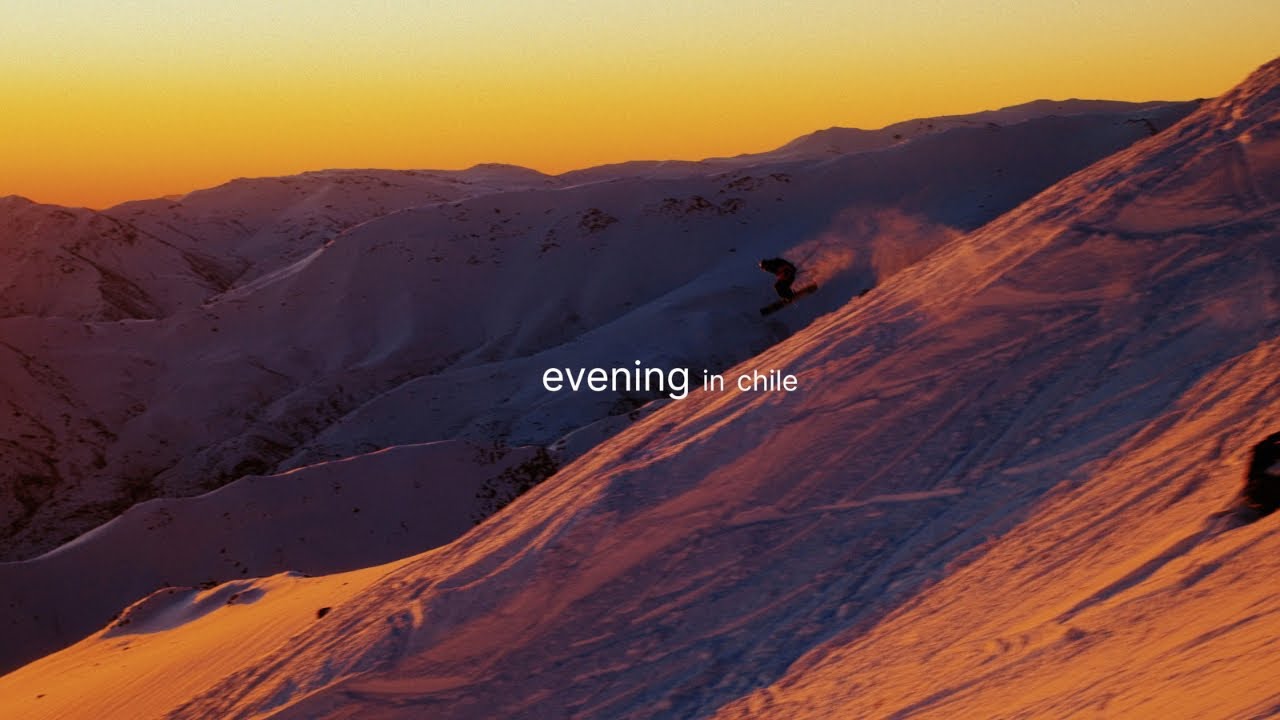
La Parva sits at 2750 meters in the Andes above Santiago, close enough to the Chilean capital that the city can appear below the mountain on clear winter days. That altitude gives the resort its first layer of importance. The official resort history describes La Parva as a mountain town with buildings hanging from the slope, while Chile Travel places it about 50 kilometers from the capital and highlights 800 hectares of skiable terrain. The terrain is not wrapped in forest or village nostalgia. It is exposed, high, open Andean skiing, with sun, wind, altitude, race-prepped pistes, and wide views shaping the whole experience.
More Than Thirty Slopes On A Residential Mountain
The official slope and lift report describes La Parva through more than 30 slopes, supported by lifts such as Alpha, Fabres, Tórtolas, Flores, Osito, Nevada, Franciscano, Piuquenes, Golondrina, and other surface-lift learning access. The exact public trail count varies between sources, but the safest wording is to keep the current resort language: more than 30 slopes. The mountain’s village structure is also important. La Parva is not only a day-ski area. Its official history describes more than 1200 private refuges and condominiums, with winter capacity around 9000 beds for athletes and families. That gives the resort a real high-altitude community feel, different from a hotel-only base.
Race Pistes And International Team Training
La Parva’s strongest sporting identity is race training. The resort’s own history says its FIS-approved downhill slopes are chosen by international teams including the United States, France, and Slovakia. That detail matters because it explains the mountain’s technical profile. La Parva is not simply a scenic Chilean ski stop above Santiago. It has steep prepared pistes, high-speed fall lines, and a training culture that rewards edge pressure, precise timing, and disciplined line choice. For freeskiers, that race surface is useful even outside gates. A skier who can carve fast on La Parva’s exposed groomers gains the same speed control needed for park approaches, freeride entries, side-hit takeoffs, and long Andean descents.
Tres Valles Position Between El Colorado And Valle Nevado
La Parva’s geography is central to its value. It sits inside the Tres Valles mountain cluster with El Colorado and Valle Nevado, giving the Santiago Andes a density that few South American ski regions can match. The resort should still be treated as its own mountain, not as a footnote to Valle Nevado. La Parva has a stronger residential village character, a race-club heartbeat, and a slope layout that suits advanced technical skiing. The connection matters most when weather, lifts, and ticket products allow longer days across the neighboring areas. In poor visibility or high wind, the same exposed geography can make a big-link day feel much more complicated.
Power Pass And The New Chile Interconnected Era
La Parva’s modern story changed after Mountain Capital Partners moved to bring it into the same operating world as Valle Nevado. Current Power Pass material describes Chile Interconnected benefits for the 2026 season, with days shared between Valle Nevado and La Parva. That makes the resort more important for international skiers than it was when it felt like a more separate local mountain. Pass access does not change the terrain overnight, but it changes the trip logic. A North American skier with Power Pass access can now think of La Parva and Valle Nevado as a paired Andes objective, with La Parva offering the race-town and steep-groomer side while Valle Nevado adds a larger resort and snowpark profile.
Above Treeline Terrain And Andean Freeride Timing
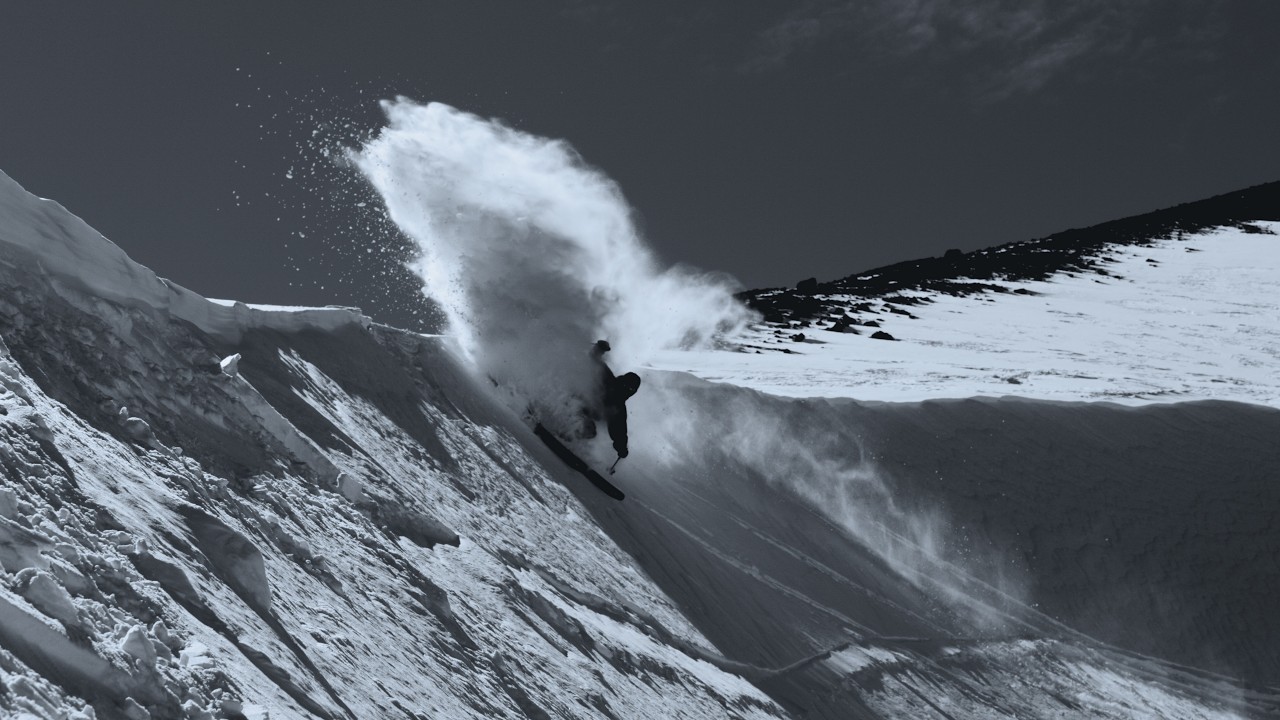
La Parva is valuable for freeride because the terrain is open, visible, and high. It is also dangerous to oversimplify. Above-treeline skiing in the central Andes means wind texture, sun crust, flat light, exposed traverses, rocky zones, and snow that can change fast during the day. After storms, the resort can offer playful between-piste lines, powder pockets, short hikes, and wide faces where strong skiers can draw big turns. In lean years or warm cycles, the same zones demand caution. A slope that looks smooth from below can hide rocks, hard crust, or wind slab. La Parva’s freeride strength is accessibility, not guaranteed safety. The right day can be excellent. The wrong day should stay on piste.
Park And Freestyle Value Without Valle Nevado Claims
La Parva has freestyle and club structures, but the article should not inflate it into the main Chilean slopestyle venue. Official club information includes Alpine, Freestyle, Snowboard, and Freeride disciplines through local ski and snowboard programs, while the resort’s current public pages focus more strongly on slopes, school, training, and access than on a major snowpark product. That places La Parva in a useful but specific freestyle category. It can support freestyle-minded skiers through terrain, training clubs, side hits, race-speed control, and occasional park-style progression, but it should not be written like Valle Nevado’s Snowpark or a major European park. Its value for freeskiers is more all-mountain and Andean than park-first.
Bobby Brown Clips And The Modern Media Link
La Parva already appears inside skipowd.tv’s video ecosystem, which strengthens the internal relevance of the page. Bobby Brown is linked to Chile clips indexed with La Parva and Valle Nevado, and that matters because the resort has become part of the summer-chasing media circuit for Northern Hemisphere skiers. Benni Solomon and Dennis Ranalter also appear in indexed Chile-related backcountry content on skipowd.tv, which helps frame La Parva as part of a broader Andean filming zone. The resort’s appeal is visual: dry slopes above Santiago, exposed ridges, race terrain, open faces, and the strange feeling of skiing winter while Europe and North America sit in summer.
Route G 21 And The Switchback Commitment
Access looks simple on a map and serious on the road. Chile Travel routes visitors through Santiago and Route G-21, describing a 70 kilometer trip from Comodoro Arturo Merino Benítez International Airport and about 1 hour 30 minutes of travel depending on congestion. The same official tourism page warns that chains are mandatory in winter and that travelers should check weather and road conditions before going up. That road is part of every La Parva trip. Storms, weekend traffic, one-way traffic controls, ice, switchbacks, shuttle timing, and altitude all shape the day before the first lift. Strong skiers can lose the best snow window by underestimating the climb.
School Camp And Chilean Athlete Development
The ski school adds an important development layer. La Parva’s official school page describes more than 65 years teaching skiing and snowboarding, with private classes, group classes, Mini School, Baby School, and an exclusive School Camp area with progressive slopes, didactic circuits, and dedicated lifts such as Golondrina, Ositos, Manzanito, and Paloma. That system matters because La Parva is not only a destination for advanced skiers. It is also a place where Chilean children, club athletes, visiting teams, and families build technical foundations. For a freeski website, that progression pathway is part of the story. Park style and freeride confidence often start with disciplined basic skiing on exactly this kind of structured mountain.
Altitude Sun And Central Andes Weather
The central Andes are not predictable in the same way as stormier maritime ranges. Snow can arrive in pulses, then settle under intense sun, wind, cold nights, or dry high-pressure periods. La Parva’s altitude helps preserve snow, but the open slopes are exposed to weather and visibility. Clear days can produce fast pistes, long views over Santiago, and strong filming light. Storm days can erase contrast and make above-treeline navigation difficult. Spring days can start firm and move toward softer snow as the sun turns aspects. The best La Parva trips keep several plans alive: race groomers after a clear freeze, freeride zones after stable storm snow, and Valle Nevado link days only when lifts, weather, and return timing line up.
Andean Safety And Resort Etiquette
La Parva’s safety rules are shaped by speed, altitude, and exposure. On prepared pistes, race training lanes and club activity deserve space. Recreational skiers should respect closures, avoid entering training courses, control speed near learning sectors, and understand that high-speed riders may be present on steeper groomers. Off-piste, the rules are stricter. Carrying avalanche gear, skiing with partners, checking local information, and avoiding closed terrain are baseline decisions once a skier leaves prepared runs. In freestyle or side-hit terrain, inspect landings, avoid blind takeoffs, and remember that high-altitude snow can feel very different from one aspect to the next. La Parva rewards confidence, but it punishes careless assumptions.
Why La Parva Matters For Freeskiers
La Parva earns a 4 level profile because it combines high altitude, Santiago access, Tres Valles geography, race training culture, meaningful terrain, residential mountain identity, and new international pass relevance. The key facts are strong: 2750 meter village altitude, 800 hectares of skiable terrain in Chile Travel’s current profile, more than 30 slopes in official resort language, FIS-approved downhill terrain, more than 1200 private refuges and condominiums, 9000 winter beds, Route G-21 access from Santiago, and Power Pass connection with Valle Nevado. It is not the biggest snowpark in Chile and not a global freestyle capital. Its value is sharper than that. La Parva gives skiers a high Andean mountain town where race pistes, open freeride faces, club training, Santiago logistics, and Southern Hemisphere winter all meet above one of South America’s biggest cities.