Atomic
Austria
Austrian ski manufacturer | Founded 1955 by Alois Rohrmoser in the Alps near today’s Altenmarkt headquarters | Known for: Redster race skis, Bent freeride freestyle shapes, Maverick and Maven all mountain lines, Backland touring gear, Hawx boots and World Cup level athlete input | Focus: engineering complete ski systems for racers, freeriders, park skiers, touring athletes and everyday skiers who want precision, confidence and mountain tested design.
1955 Altenmarkt roots and the workshop that became Atomic
Atomic is one of skiing’s defining manufacturers. The brand was founded in 1955 by Alois Rohrmoser in the Austrian Alps, only a few kilometers from the company’s current headquarters in Altenmarkt im Pongau. The first skis were hand carved in a small workshop, but the idea scaled quickly. Within two years, production had grown from a few dozen pairs to more than two thousand, setting the direction for a company that would become one of the world’s largest ski makers.
Atomic’s identity has always been tied to the full skiing spectrum. It is not only a race brand, not only a freeride brand and not only a touring company. Its catalog stretches from World Cup Redster skis to Bent powder tools, Maverick and Maven all mountain shapes, Backland touring gear, Hawx boots, bindings, helmets, goggles, poles and Nordic equipment. That breadth matters because Atomic has become a complete equipment ecosystem rather than a single product label.
The brand’s Austrian base gives it a serious alpine foundation. Altenmarkt sits inside a dense ski region where testing, athlete feedback and manufacturing knowledge can meet quickly. Atomic’s strongest claim is that its products are built close to the mountains, validated by elite athletes and refined for real skiers across very different terrain. For skipowd.tv, that makes Atomic a natural 5 out of 5 brand: historic, global, technically deep and culturally visible from race courses to powder films.
Redster Bent Maverick Maven and Backland shape the modern wall
The modern Atomic ski wall is organized around clear families. Redster is the race and piste performance line. It is built around edge hold, speed, damping and precision, with consumer carving skis sitting beside FIS level race tools. Revoshock technology has become one of the key Redster signatures, used to manage vibration and keep the ski calmer when the edge is loaded on hard snow.
Bent is the freeride and freestyle family. It grew from the Bent Chetler concept, developed with Chris Benchetler, into a wider family that covers playful all mountain skiing, park influenced creativity and powder performance. Bent 85, Bent 90, Bent 100, Bent 110 and Bent Chetler 120 create a ladder from soft snow freestyle to deep day powder. The series is known for HRZN Tech shaping, light swing weight, surfy turn release and graphics that connect strongly to Benchetler’s art driven identity.
Maverick and Maven cover the directional all mountain lane. Maverick serves the men’s all mountain range, while Maven is tuned for women skiers. These skis are built for skiers who want one setup to handle groomers, trees, chalk, bumps and soft snow without feeling like a pure race ski or a pure powder ski. Backland completes the alpine touring side, with lighter ski constructions designed for skin tracks, spring couloirs, hut trips and freeride touring objectives. Together, these families give Atomic a very complete ski identity: fast on hard snow, playful in soft snow, calm in mixed resort conditions and efficient in the backcountry.
Revoshock precision or Bent looseness underfoot
Atomic skis feel different by design. Redster is about precision and pressure. A Redster skier wants the ski to lock into a turn, grip confidently on firm snow and stay calm at speed. That is why Redster products carry the most race room influence in the consumer line. The ski rewards clean technique and strong edging, but the more accessible Redster Q and S models also give frontside skiers a way into the same feel without needing full race course commitment.
The Bent family speaks another language. These skis are looser, more forgiving and more creative. HRZN Tech expands the shaped surface area at the tip or tail depending on the model, helping the ski plane in soft snow without simply adding extra width everywhere. That makes Bent skis feel surfier than a traditional directional charger. A skier can slash, butter, pivot, ski switch and use natural terrain features more easily. The tradeoff is that Bent skis are not meant to feel like Redsters on ice. Their strength is freedom, not race discipline.
Maverick and Maven sit between those poles. They are built for skiers who want enough backbone to carve and hold through chop, but enough versatility to explore the whole mountain. Backland brings a different performance equation: weight matters uphill, but the ski still needs to hold a line on the descent. Atomic’s strength is that these skis are not just graphic variations. Each family has a distinct ride logic, and choosing the right one matters.
Shiffrin Redster dominance and Benchetler’s freeride imagination
Atomic’s athlete story is one of the strongest in the ski industry because it works at opposite ends of the sport. On the race side, Mikaela Shiffrin has made Redster equipment part of modern alpine history. Atomic’s Redster athlete lineup also includes names such as Aleksander Aamodt Kilde, Sofia Goggia, Marco Schwarz, Lucas Pinheiro Braathen, Manuel Feller and Zrinka Ljutić, giving the brand world class visibility across technical and speed disciplines.
That race credibility matters because Atomic does not treat elite competition as a separate marketing universe. World Cup pressure tests materials, binding interfaces, boot behavior, edge hold and vibration control at a level most recreational skiers will never reach. Even when consumer skis are not race room replicas, the culture of precision feeds the brand’s engineering standards.
On the freeride and freeski side, Chris Benchetler gives Atomic a completely different kind of influence. The Bent Chetler series became one of the most recognizable powder and freeride freestyle skis in modern skiing, partly because of the way it blended performance, art, surf influence and backcountry creativity. Benchetler’s role as skier, artist and product collaborator helped Atomic speak to skiers who care less about gates and more about flow, float, style and personal expression. That dual identity is rare: few brands can credibly claim both Shiffrin level race precision and Benchetler level freeski culture.
Altenmarkt manufacturing with Mammoth and global testing energy
Atomic’s geography starts in Altenmarkt im Pongau, and that location remains central. The company’s current headquarters sit only a few kilometers from the original workshop, and the surrounding Austrian Alps provide a natural product testing environment. Hard snow, groomed pistes, race courses, variable alpine conditions and touring access all sit close enough to influence design decisions.
The brand’s freeride geography extends far beyond Austria. Chris Benchetler connects Atomic to Mammoth Lakes, California, a long season mountain with parks, powder, windbuff and a strong creative ski culture. The Bent family makes sense in that environment because Mammoth rewards skis that can move from groomers to park takeoffs to soft snow bowls without feeling locked into one narrow style.
Atomic’s wider map also includes the Alps, British Columbia, Japan, Scandinavia, North America and the major race venues of the World Cup calendar. Redster belongs in the start gate. Bent belongs in powder fields, side hits and film segments. Backland belongs on skin tracks and high alpine approaches. Maverick and Maven belong on resort days where the snow changes from corduroy to afternoon chop. That geographic spread is why Atomic feels global without losing its Austrian manufacturing identity.
Wood cores sidewalls Revoshock and factory scale
Atomic’s construction story is built around industrial consistency and discipline specific materials. Redster skis use race inspired structures, tuned sidecuts and vibration management systems such as Revoshock. Maverick and Maven skis use constructions such as OMatic, combining wood cores, fiberglass and titanal or carbon depending on the model. Bent skis use lighter freeride freestyle constructions where pop, swing weight and float are more important than maximum torsional bite. Backland uses lightweight wood cores and carbon reinforcement to keep the uphill efficient without making the descent feel disposable.
Across the range, Atomic repeatedly returns to wood core feel, sidewall grip, tuned rocker profiles and targeted reinforcement. Full sidewalls or Dura Cap style sidewalls appear where edge hold and durability matter. Carbon Backbone, HRZN Tech, Revoshock and titanal laminates are used where the ski’s category requires them rather than being forced into every model. That is a healthy sign in a large manufacturer: the build should match the skier’s purpose.
Atomic also has a serious sustainability program around its Altenmarkt manufacturing site. The brand states that it switched ski press heating from light oil to local wood chip biomass heating, installed heat recovery systems, moved to renewable electricity, reduced facility electricity use with LED lighting and recycles sawdust byproducts into chipboard. Those steps do not make ski manufacturing impact free, but they show that Atomic is addressing energy, production waste and material impact at factory scale, which matters more than isolated eco claims on one product.
Choosing Redster Bent Maverick Maven or Backland
Choosing Atomic starts with the terrain you ski most. If your winter is built around groomers, carving, race training or high edge angles on firm snow, Redster is the right family to study. Shorter turn radius Redsters suit slalom style direction changes and energetic piste skiing, while longer radius options suit GS inspired arcs and higher speed carving. Strong skiers should not be afraid of Redster power, but intermediate skiers should choose models that match their technique rather than jumping directly into race level stiffness.
If you ski the whole resort and want one ski for mixed conditions, Maverick or Maven is usually the better starting point. Narrower waists work for firm snow and daily resort use. Mid 90 mm options give more all mountain versatility. Wider CTI or TI models add stability for strong skiers who push through chop and open terrain. Maven offers similar all mountain thinking with constructions and sizing tuned for women skiers rather than simply shrinking the men’s line.
If your skiing is playful, creative or soft snow driven, choose Bent. Bent 90 and 100 make sense for freestyle leaning all mountain days, side hits, trees and park influenced resort skiing. Bent 110 moves toward freeride and powder while still keeping freestyle DNA. Bent Chetler 120 is the deep snow and powder reference, best for skiers who want float, slash and backcountry creativity more than hardpack precision. For touring, Backland is the correct category. Choose narrower Backlands for long approaches and spring missions, wider models for mid winter soft snow and freeride touring.
Why Atomic still defines the complete ski brand idea
Atomic matters because it can credibly serve almost every skier without losing its core identity. A beginner can step into Atomic equipment. A World Cup racer can stand in a start gate on Redster. A park skier can mount Bent 90s. A powder skier can chase storm days on Bent Chetlers. A touring skier can build a Backland setup. A bootfitter can work through Hawx fits. A shop can build a complete Atomic system with skis, bindings, boots, goggles, helmets and poles.
That complete system is why Atomic deserves a 5 out of 5 importance rating for skipowd.tv. It is historic, globally distributed, technically serious and culturally alive. The brand has enough race heritage to matter in the most traditional part of skiing and enough freeski imagination to stay relevant in video culture. That combination is difficult to maintain over decades.
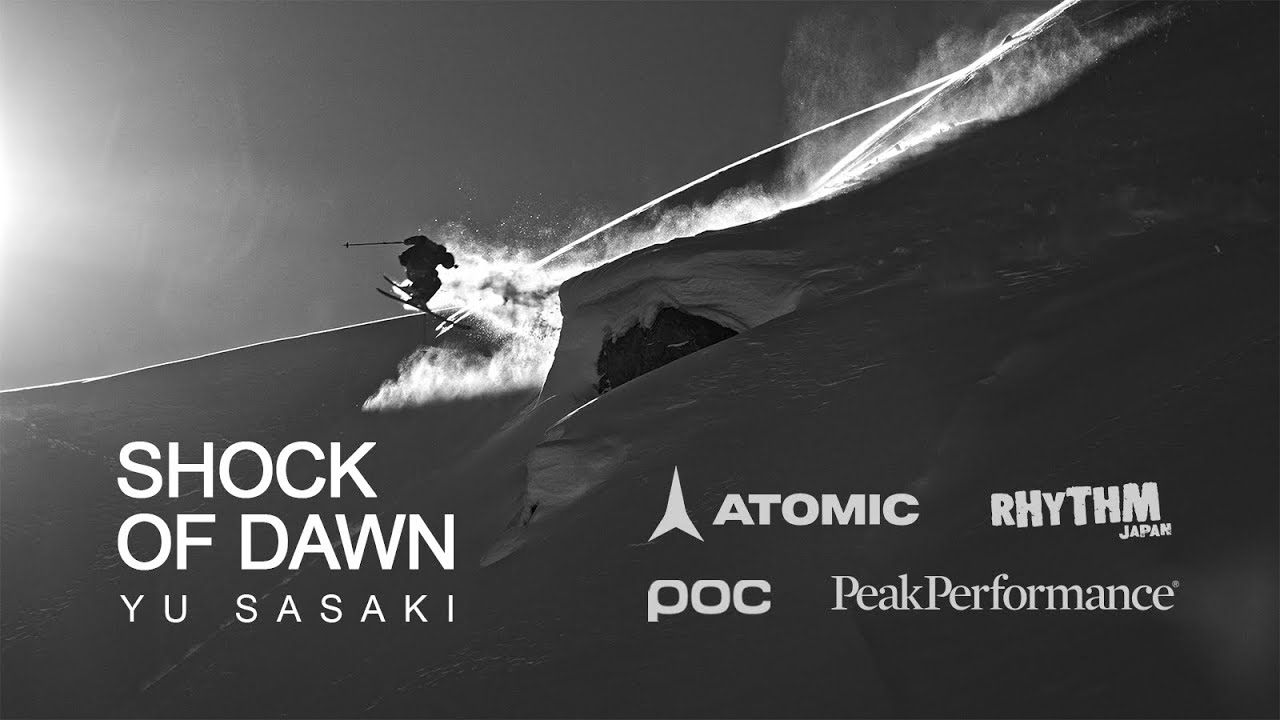
On skipowd.tv, Atomic belongs as one of the central ski manufacturers in the sponsor ecosystem. It connects Austrian alpine engineering, World Cup validation, freeride art, touring efficiency and everyday resort gear into one recognizable brand. Whether the clip is a Redster carve, a Bent Chetler powder turn, a Maverick side hit or a Backland mission before sunrise, Atomic remains one of the names that defines what modern skiing can look and feel like.