Banff Sunshine Village
Alberta
Canada
Canadian Rockies resort in Banff National Park | Known for: 3358 acres, 8954 foot top elevation, Continental Divide terrain, Delirium Dive, Wild West, five terrain parks, dry snow, and one of Canada’s longest non-glacial seasons | Season: early November to May in normal years | Best for: freeride-minded skiers, park progression, spring laps, and Banff road trips
Continental Divide Snow Above Banff
Banff Sunshine Village sits high on the Continental Divide inside Banff National Park, about 15 minutes from the town of Banff. The resort’s main ski identity is built from altitude, snow preservation, and terrain spread rather than a classic base-village layout. SkiBig3 lists 3358 acres, a top elevation of 8954 feet, a base elevation of 5440 feet, 12 lifts, and 130 runs. That makes Banff Sunshine one of the largest and most terrain-diverse resorts in Alberta. For freeskiers, the attraction is not only groomed piste mileage. It is the mix of open alpine bowls, dry Rockies snow, terrain parks, freeride gates, spring laps, and the feeling of skiing across a protected national-park landscape with Mount Assiniboine and the Canadian Rockies on the horizon.
Goat’s Eye Lookout And Standish Terrain Logic
The mountain is best understood through its three main terrain zones: Goat’s Eye Mountain, Lookout Mountain, and Mount Standish. Goat’s Eye is the first major stop on the gondola and carries the sharper expert tone, especially around Goat’s Eye Express and the Wild West side. Lookout Mountain holds the Great Divide lift, high open terrain, and the Delirium Dive access gate. Mount Standish gives a more playful and intermediate-friendly side of the resort, with Wawa, Strawberry, Standish Express, Tincan Alley, and wind-loaded natural features that can be excellent when the snow is soft. This three-mountain structure is why Banff Sunshine works for mixed groups. A skier can ride gentle groomers, park features, alpine bowls, or extreme freeride terrain without leaving the same resort system.
Eight Thousand Nine Hundred Feet And Dry Rockies Snow
Banff Sunshine’s snow reputation comes from elevation and geography. The resort sits close to the Continental Divide, receives frequent storm snow, and keeps much of its terrain high enough to preserve cold surfaces late into spring. Public resort material commonly describes more than nine meters or 30 feet of snowfall in a strong season, while the official mountain stats use the 8954 foot summit figure to explain the high-alpine feel. The snow is different from coastal British Columbia: generally drier, colder, and more wind-affected. That creates strong powder days, but also firm chalk, blown-in pockets, scoured ridges, and flat-light challenges. Sunshine is at its best when skiers read wind and visibility instead of assuming every open bowl will ski the same.
Delirium Dive And The Locked Gate Standard
Delirium Dive is the signature freeride zone. It sits off Lookout Mountain, accessed near the top of Divide Express, and carries a reputation far beyond the resort’s normal piste map. SkiBig3 describes it as one of the world’s top off-piste destinations, while Banff Sunshine’s own safety language treats Delirium Dive and Wild West as extreme ski zones with both terrain and snow risks. That wording matters. Delirium Dive is not a marketing name for a steep groomer. It is a controlled freeride zone where avalanche risk, cliffs, exposure, entrances, snowpack, and partner skill matter. Skiers should treat it as a serious step up from standard double-black resort skiing, not as a bucket-list line to enter unprepared.
Wild West And Goat’s Eye Consequence
The Wild West zone gives Banff Sunshine a second expert identity on Goat’s Eye Mountain. It is less central to the resort’s tourist image than Delirium Dive, but it is just as important for advanced skiers who understand steep, technical terrain. Banff Sunshine’s snow-safety page groups Wild West with Delirium Dive as an extreme freeride zone, and that classification should lead the article’s tone. Wild West can provide short, intense, exposed lines with trees, rocks, rollovers, and terrain traps depending on coverage. It should not be described as casual sidecountry or a normal black run. The resort’s patrol and snow-safety teams work to reduce avalanche risk, but the public safety language is clear: responsibility is shared, and avalanches can still occur in steep in-bounds and boundary-adjacent terrain.
Five Parks From Kids Play To Great Divide
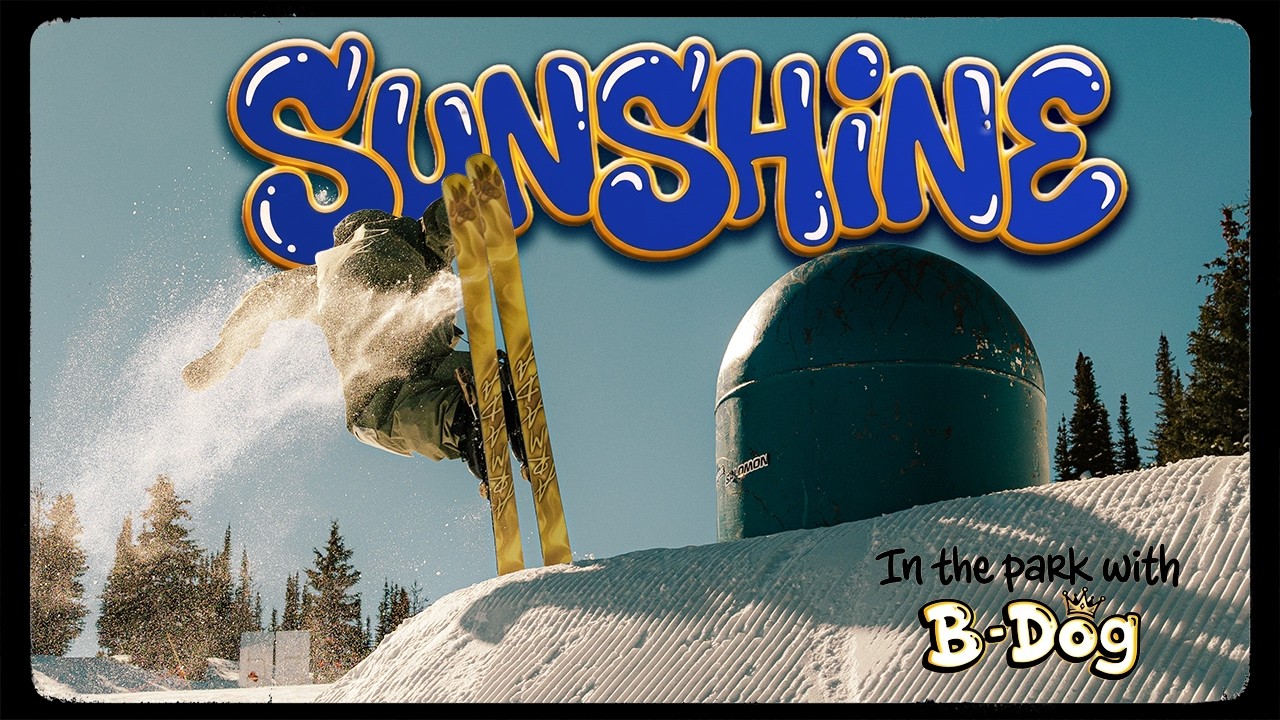
Banff Sunshine has a stronger freestyle setup than many freeride-focused visitors expect. The official terrain park page lists five separate parks: Strawberry Park, Great Divide Park, Grizzly Park, SpringHill Park, and Kids Play Park. Strawberry is a jib park with boxes, tubes, rails, and snow features near the Strawberry chair. Great Divide Park sits on the Continental Divide and is described as a slopestyle-style zone with intermediate and advanced jibs and jumps. Grizzly offers a more aerial line with jibs, jumps, and hips, while SpringHill gives a smoother progression flow. Kids Play Park introduces beginner boxes, rails, and jumps from the Wolverine or Jackrabbit side. That full ladder makes Sunshine useful for skiers who want freestyle progression without sacrificing freeride access.
SpringHill Laps And Late Season Park Energy
Sunshine’s long season gives the park program extra value. When many lower-elevation resorts are closing or shifting into spring slush, Sunshine can still hold park features, groomed laps, and freeride snow on higher aspects. The resort’s 2026 summer-ski announcement is unusual: after a record snow year, Banff Sunshine planned 16 days of summer skiing from June 20 to July 5 on Strawberry Express terrain. That should be treated as an exceptional season detail, not a normal annual promise. Still, it reinforces the same point. Sunshine has enough altitude and snow storage to remain relevant late, which matters for riders who want soft landings, park sessions, and spring filming windows when most North American resorts have gone quiet.
Banff National Park Rules And Protected Land Context
Banff Sunshine is not just a ski business on private mountain land. It operates inside Banff National Park, Canada’s first national park and part of the Canadian Rocky Mountain Parks UNESCO World Heritage Site. That protected context shapes the guest experience. The scenery is part of the draw, but the rules and stewardship obligations matter too. Wildlife, drainage, leasehold boundaries, transport, drones, hiking access, and summer operations all sit within a national-park framework. For a freeski page, this means the mountain should not be written like an unrestricted playground. The resort gives access to powerful terrain, but it does so within a protected landscape where closures, patrol decisions, and environmental rules are part of the ski day.
Gondola Access And Village Above The Parking Lot
The access rhythm is distinctive. Skiers start from the lower parking and gondola base, then ride up toward Goat’s Eye and the Village before moving into the main lift network. The village area holds Sunshine Mountain Lodge, Centennial Lodge, Mad Trapper’s Saloon, ski patrol, snow school, and lift connections. This layout creates a different day than resorts where every run returns directly to a road-level base. The gondola adds time at the beginning and end, but it also preserves the high-mountain feel once guests are up. On powder or bluebird weekends, arrival timing matters. A late start can turn the gondola into the first bottleneck before the skiing even begins.
Banff Big Three And The Alberta Rockies Circuit
Banff Sunshine sits inside the larger Banff and Lake Louise ski ecosystem with Lake Louise and Mount Norquay, often marketed together through SkiBig3. That regional position is important even if the internal skipowd.tv page links are not all available yet. Sunshine is the high, snowy, late-season, freeride-gate and park-rich mountain. Lake Louise carries bigger resort-piste scale and World Cup race memory. Norquay sits closer to town with a more compact local identity. For broader Canadian context, Sunshine also connects naturally to British Columbia and Revelstoke BC, but its snowpack and terrain personality are distinctly Rockies rather than coastal or Selkirk. Sunshine belongs in that western Canada map as a high-altitude, dry-snow, national-park resort with serious expert gates.
Avalanche Awareness And Beacon Basin Culture
Banff Sunshine’s safety culture is unusually visible because the resort contains terrain that demands it. Its official Avalanche Awareness Days program includes snow-safety education, Delirium Dive and Wild West context, Beacon Basin practice, snow profile demonstrations, RECCO education, avalanche-dog demonstrations, and explosive-control demonstrations. That is not just event programming. It signals how the mountain expects strong skiers to think. Anyone entering freeride zones should understand transceiver use, partner communication, terrain exposure, group spacing, and the difference between mitigated resort terrain and low-risk terrain. In the parks, Banff Sunshine also pushes Smart Style: start small, make a plan, look before dropping, respect features and other users, and know personal limits. The mountain rewards ambition, but only when it is paired with discipline.
The Sunshine Use Case For Freeskiers
Banff Sunshine earns a 4 level profile because it combines major resort scale, strong snow reliability, five terrain parks, high alpine terrain, Delirium Dive, Wild West, national-park scenery, and one of Canada’s longest non-glacial ski seasons. The strongest facts are clear: 3358 acres, 12 lifts, 130 runs, an 8954 foot top elevation, three mountains, Continental Divide skiing, Great Divide Park, Strawberry Park, Grizzly Park, SpringHill Park, Kids Play Park, and in-bounds freeride zones serious enough to be treated with avalanche-safety language. It is not as complete a global freeski capital as Whistler-Blackcomb, not as urban-park influential as certain dedicated freestyle venues, and not as singularly extreme as Chamonix. Its value is more balanced. Banff Sunshine gives freeskiers a rare mix of dry Rockies snow, park progression, expert gates, spring skiing, and protected mountain atmosphere above one of Canada’s most recognizable winter towns.