Mont-Tremblant
Québec
Canada
Laurentian resort in Québec | Known for: 102 trails across four mountain faces, 645 meters of South Side vertical, four snowparks, Nansen top-to-bottom cruising, FIS World Cup racing, and direct Montréal access | Season: late November to April | Best for: park progression, groomer speed, Eastern Canada storm days, mixed crews, and Québec freeski culture trips
Laurentian Lift Laps Above Lac Tremblant
Mont Tremblant’s summit reaches 875 meters above the Laurentians, with the village sitting below a four-sided ski area built around South Side, North Side, Versant Soleil, and The Edge. The resort’s official mountain stats list 309 skiable hectares, 102 trails, 14 lifts, and a 645-meter South Side vertical drop. That scale makes Tremblant the clearest full-resort anchor in southern Québec, especially for skiers coming from Montréal who want a complete mountain rather than a quick night hill.
The freeski value is not based on huge alpine exposure. Tremblant works because it is organized, durable, and repeatable. The lift system spreads traffic across four faces, the snowmaking network covers 213 hectares with 1,286 snowguns, and the park program gives riders enough feature variety to build real progression through a season. In Eastern Canada, where weather can swing between cold smoke, wind crust, thaw, and refreeze, that operating depth is part of the terrain.
South Side Speed North Side Chalk And The Edge Trees
The South Side is the public face of the resort, dropping toward the pedestrian village with groomers, park access, and the highest-density lift flow. Nansen, the longest trail at 6 kilometers, is the classic top-to-bottom mileage test, useful for leg endurance, speed control, and mixed-ability cruising. The Flying Mile zone adds race-course energy, especially when World Cup infrastructure and spectator traffic are active.
The North Side gives Tremblant a colder, quieter rhythm. Trails off Duncan Express and Lowell Thomas Express often hold firmer chalk and better midwinter snow texture after wind or sun changes the South Side. Versant Soleil adds another connector layer through Casino Express, while The Edge gives the resort its more secluded tree-and-glade identity. Tremblant lists 73.4 hectares of glades, which matters on storm days when visibility is low and definition is better between the trees than on open groomers.
January and February usually deliver the most stable winter surfaces for park lips, groomer edge hold, and shaded snow preservation. March changes the tone. Longer light, warmer afternoons, and spring rebuilds can make the parks more playful, while North Side mornings still reward sharp edges. April is selective, but when coverage holds, the resort becomes a slush and corn training ground rather than a powder target.
Adrénaline Progression Mitik And The Four Park Ladder
Tremblant Snowparks lists more than 60 modules across four snowparks, which is the central reason the resort belongs in a freeski database. The layout is built as a ladder. Le P’tit Parc gives young riders and new park skiers a low-pressure entry. Mitik Park on the North Side runs through Sissy Schuss with smaller features and a banked-course feel. Progression Park on the South Side uses medium modules for riders ready to connect tricks with more speed.
Adrénaline is the advanced zone. Located near the Flying Mile side, it includes Curé-Deslauriers and Promenade sections with larger rails, jumps, and high-calibre setups. This is where the mountain’s freestyle identity becomes more serious. A rider can warm up in Mitik, move to Progression, then step into Adrénaline only when speed feels automatic. That structure is practical for skiers who want to film clean laps without wasting the whole day on one feature.
The park crew’s regular rebuild cadence is just as important as the feature count. Eastern parks need maintenance because temperature changes can harden lips, glaze landings, or slow in-runs quickly. Tremblant’s advantage is that the park program is integrated into the resort’s daily operations rather than treated as a side project.
Flying Mile World Cup And A Resort Built For Crowds
Tremblant’s headline event identity is alpine rather than freeski, but it still matters for the resort’s credibility. The FIS event listing places the Audi FIS Ski World Cup at Station Mont Tremblant, and the resort hosted women’s giant slalom racing on December 6 and 7, 2025. That kind of event proves course preparation, broadcast operations, crowd movement, and winter logistics at a level far beyond a normal weekend.
For freeskiers, the World Cup does not make Tremblant a slopestyle capital. It does something subtler. It shows that the mountain can shape precise surfaces, handle pressure, and run high-volume operations while keeping the resort functional. That same discipline helps park days. A resort that can manage a race venue can usually manage feature closures, grooming windows, fencing, access, and spectator flow more cleanly than a hill with weaker infrastructure.
The local freestyle events sit closer to the park culture. Jamigos, El Niño, El Rigleto, and seasonal park sessions give Tremblant a community layer that does not need World Cup branding. The best days are often not podium days. They are midseason laps when Adrénaline is riding fast, Progression is full of local crews, and the lift line gives every attempt an audience.
Québec Style From B Dog To The Resort Park Line
Tremblant sits inside one of the strongest style regions in modern skiing. The resort itself is polished and structured, but the surrounding scene is rawer: Montréal street spots, Laurentian parks, Shawinigan night laps, Québec City rails, and a long video tradition built around snowbanks, metal, and concrete. Montréal is the main urban base, while Vallée du parc represents the compact park-and-jib side of the same provincial map.
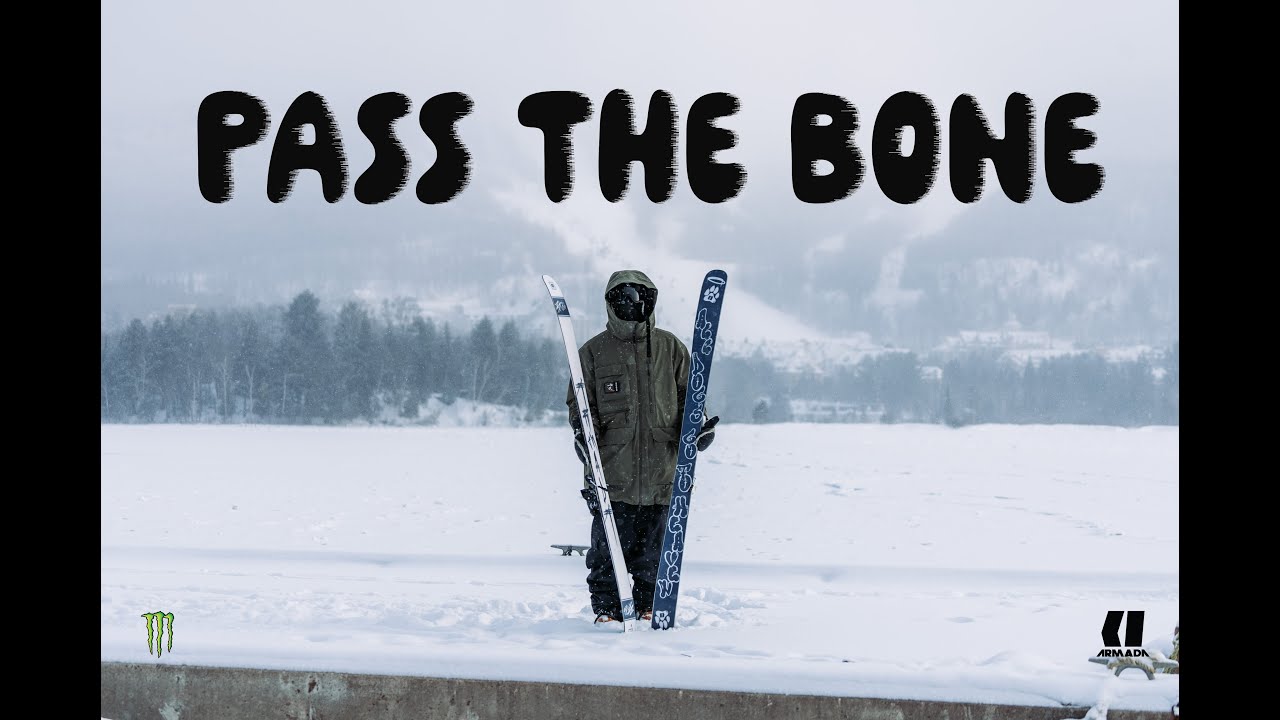
Philip Casabon - B-Dog is the clearest cultural bridge. His Pass The Bone edit appears on skipowd.tv with Mont-Tremblant as the location, connecting the resort to Québec’s street-influenced park language. That matters because Tremblant’s park skiing is not only about spinning bigger jumps. It is about presses, taps, redirects, rail rhythm, butters, grabs, and small details that come from Québec’s urban heritage.
D-Structure gives the scene a practical support system. The shop’s Québec freeski identity links Montréal, Québec City, Vallée du Parc, Tremblant, Armada-style jib culture, and a generation of riders who learned to make limited terrain interesting. Tremblant benefits from that network because its parks become a meeting point for resort skiers and street-minded riders rather than a sealed tourist product.
Village Logistics And The Montréal Weekend Pattern
Access is one of Tremblant’s biggest advantages. The resort sits roughly 130 kilometers northwest of Montréal, close enough for weekend trips but large enough to justify a full week. Seasonal shuttle service links Montréal-Trudeau International Airport with Tremblant during winter, and the official transport program has run on selected winter days with two daily round trips. For international visitors, that makes Tremblant easier to package than many Eastern resorts.
The pedestrian village reduces friction once you arrive. Lodging, food, rentals, tuning, tickets, and the lower lift access sit within a compact base, with the Cabriolet moving people through the village. That matters for mixed crews. A park skier, a family member, a racer, and a groomer-focused skier can all use the same base without needing separate cars or complicated regroup plans.
On snow, the best flow starts with aspect. Use the South Side for early groomer speed and park access. Move North when colder snow or lower traffic matters. Check Versant Soleil when the village side is busy. Save The Edge for tree texture and a quieter feel when coverage is strong. Tremblant is not a mountain where one secret zone defines the day. It works by moving correctly between faces.
Cold Weather Park Etiquette And Laurentian Safety
Tremblant is controlled resort terrain, but discipline still matters. Park riders should inspect each line, watch speed, call drops clearly, and move out of landings quickly. Adrénaline can attract confident riders, but confidence is not the same as awareness. Wind, hardpack, fresh snow, and spring softness all change the same feature from one lap to the next.
Glades require their own respect. Québec trees can be tight, firm, and low-contrast, especially after freeze-thaw cycles. Ski with a visible partner, stop where uphill traffic can see you, and avoid entering closed zones just because tracks exist. Tremblant’s snowmaking and grooming network is strong, but natural snow in trees and ungroomed zones changes faster than the main runs.
The village culture is polished and international, but the mountain still runs on local habits. French and English mix naturally. Weekend crowds can be dense. Race weekends and holiday periods change lift timing. The best visiting skiers fit in by reading signage, respecting patrol and park crew closures, and understanding that a well-run Eastern resort depends on order as much as snowfall.
Why Tremblant Holds Its Eastern Freeski Weight
Mont Tremblant matters because it gives Eastern Canada a complete resort platform. It has the numbers, the village, the lift system, the park ladder, the racing infrastructure, and the access to support real ski trips. It is not a freeride giant and not a global park stadium like Aspen or Laax, but it gives Québec skiers a large, reliable canvas when smaller hills feel too narrow.
The strongest Tremblant trip is objective-driven. Come in January for cold snow, fast groomers, and durable rails. Come in February for the most consistent park surfaces and North Side chalk. Come in March for longer light, spring sessions, and filming rhythm. Use Montréal as the city base, then add Tremblant when the plan needs scale, village logistics, and a more complete resort day.
That combination keeps Tremblant relevant inside the freeski map. It connects the Laurentians to Québec street culture, structured park progression, and world-stage event operations. The defining fact is not one famous line. It is the ability to turn a winter weekend into 102 trails, four snowparks, four faces, and enough lift-served repetition to make improvement measurable by the end of the trip.