Snoqualmie
Rocky Mountains - WA
United States
Seattle area Cascade resort at Snoqualmie Pass | Known for: Alpental steeps, Central Park, nearly 2000 skiable acres, 25 lifts, night skiing, Nordic trails, and fast I90 access | Season: winter operations from early winter into spring depending on Pacific Northwest snow | Best for: local park riders, night laps, mixed crews, Alpental experts, and Seattle skiers chasing frequent sessions
Alpental Teeth And Seattle’s I90 Snowline
The Summit at Snoqualmie sits at Snoqualmie Pass on Interstate 90, roughly an hour east of Seattle when winter travel behaves. That location defines the resort more than any single run. It is close enough for after-work laps, large enough to serve mixed ability groups, and steep enough at Alpental to give strong skiers real consequence when the upper mountain opens.
The Summit at Snoqualmie presents the area as nearly 2,000 skiable acres with 25 lifts across multiple Summit areas and Alpental. The lower Summit zones deliver park repetition, night skiing, lessons, tubing, Nordic access, and commuter-friendly laps. Alpental changes the equation with 2,290 feet of vertical, 825 acres of terrain, 523 acres of back bowls, and a terrain mix listed as 75 percent expert. That split makes Snoqualmie a rare local hill: practical on weeknights, serious on the right storm day.
Summit West Central East And The Alpental Divide
Snoqualmie skis like a system rather than a single face. Summit West is the learning and night-lap anchor, with broad pitches, approachable terrain, and the kind of lift layout that helps new skiers return quickly to the same movement pattern. Summit Central is the freestyle and high-volume zone, where chair access, parks, and groomers create the most obvious daily freeski rhythm.
Summit East gives the area a quieter feel, especially when skiers want longer groomers, Nordic access, or a less compressed atmosphere than the Central base. Its connection to the cross-country network makes it useful for mixed winter days, where one group wants alpine laps and another wants tracked trails through the Central Cascades. The resort’s Nordic program lists more than 40 kilometers of trails, with upper trail access via Silver Fir Express or East Peak.
Alpental is the outlier. Its chair layout and upper terrain feel more compact and more committed than the lower Summit areas. The Back Bowls are not a beginner side quest. They are steep, variable, and dependent on openings, visibility, and snow stability. That contrast is the resort’s strength: Snoqualmie can teach first turns, host park sessions, and still punish lazy line choice on the same pass.
Central Park And The Weeknight Feature Loop
Central Park is the park headline. The resort describes it as the flagship terrain park at Summit Central, open every day Summit Central operates, with medium to large jumps and jibs accessed by the Central Express high-speed quad. That lift access matters because park skiing depends on repetition. More chair time means fewer attempts, fewer speed reads, and slower progression.
The park program also includes a progression structure, including smaller zones such as Mini Progression Park and Greenhorn Acres when conditions allow. That ladder is useful for skiers moving from first boxes into real jump and rail combinations. A rider can learn approach speed on smaller features, then move toward Central Park once takeoffs, landings, and spacing feel predictable.
Snoqualmie’s park identity is not built on global contest scale. It is built on frequency. Seattle riders can lap after school, after work, or during short weather windows when driving farther into the Cascades would waste the session. That regular access is how technical skills appear: rail balance, switch control, small grabs, 360s, butters, and clean landings repeated until they stop feeling special.
Night Skiing As A Freeski Engine
Night skiing is one of Snoqualmie’s strongest freeski assets. The resort promotes the most night skiing in the U.S., with Summit Central open six nights a week during much of the season, Summit West open late Wednesday through Saturday, and Alpental open late Thursday through Saturday. It also describes nearly 600 acres available under lights across the night-skiing footprint.
That schedule changes how the mountain functions. Snoqualmie is not only a weekend resort. It is a training hill for skiers whose real season happens in two-hour blocks after the city day ends. The park can ride firmer under lights, groomers can sharpen after sunset, and features become more technical when visibility, shadows, and surface speed demand cleaner decisions.
Night laps also build a specific kind of discipline. Riders need clear lenses, predictable spacing, and simple line choices. A small rail trick done cleanly at night is often more useful than forcing a bigger trick on tired legs. Snoqualmie’s night culture rewards skiers who treat short sessions seriously: warm up fast, choose one objective, stack attempts, and leave before the last sloppy lap becomes the session’s memory.
Pacific Snow Fog And The Cascade Surface Lesson
Snoqualmie snow is Pacific Northwest snow. Storms can arrive wet, dense, deep, windy, or cold enough to reset the hill fast. The lower elevation makes temperature especially important. A good week can include powder, packed powder, firm groomers, rain crust, heavy chop, and spring softness without the resort ever feeling like a different place on the map.
That variability is useful for skiers who want to improve. Groomers teach edge control when the surface is firm. Park jumps teach speed management when in-runs slow after new snow. Trees and lower-angle zones teach patience when visibility disappears. Alpental teaches respect when the same storm that filled the back bowls also loaded ridgelines and entrances.
The best months are usually January through March for consistent snow, night operations, and enough coverage for parks and off-piste zones. December can be strong when early storms stack up, but it can also be limited. April depends on spring timing: soft afternoons at the lower Summit areas, shaded snow at Alpental, and park sessions that reward early starts before the snow turns slow.
TEMPO Clips And The Park Style Thread
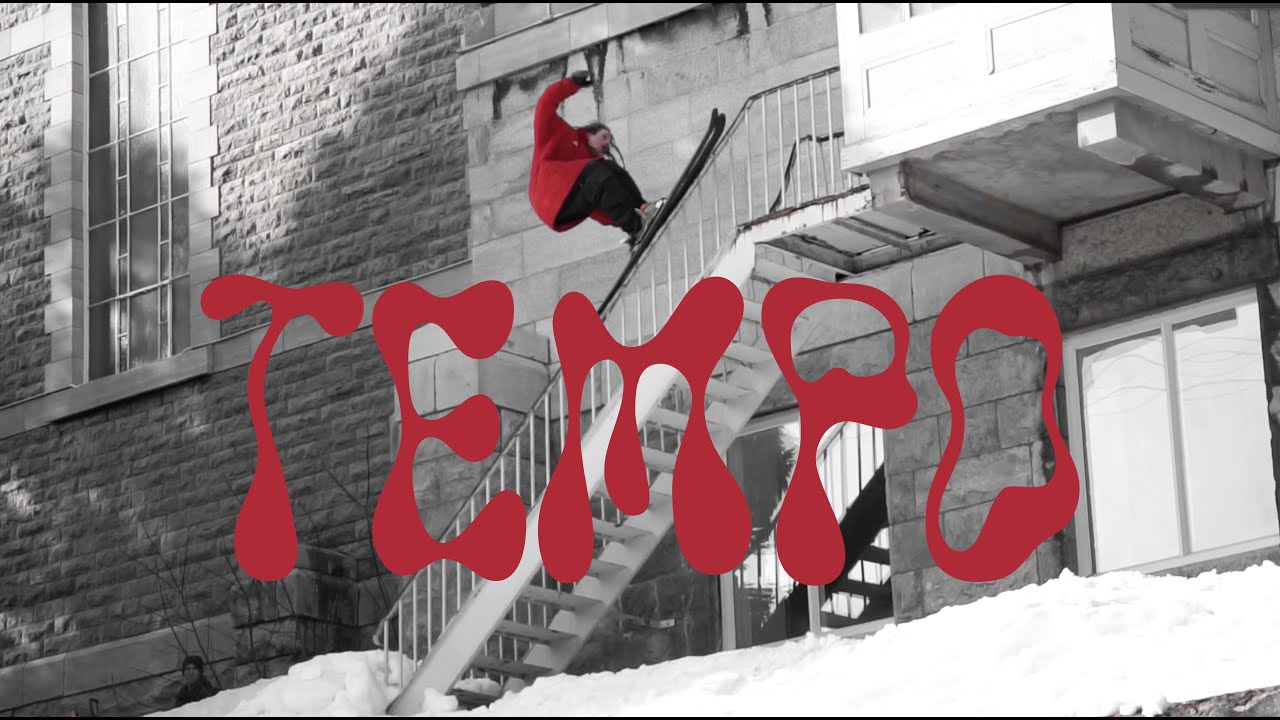
Snoqualmie has a visible place in skipowd.tv’s modern park and street archive through “TEMPO,” a B-Dog Bone project that includes Snoqualmie among its locations. That matters because it connects the pass to a style-first video language rather than only local resort utility. Philip Casabon - B-Dog brings a rail and movement vocabulary where small features, timing, presses, and body language can matter more than raw scale.
Henrik Harlaut fits the same creative orbit. His influence in modern freeskiing makes locations like Snoqualmie read differently: not just as places to lap, but as surfaces where a skier can reinterpret rails, side hits, banks, and ordinary resort terrain. Armada is the natural sponsor connection for that culture, linking B-Dog, Harlaut, and a long park and street lineage that rewards style over standardized course logic.
The comparison with Cypress Mountain is useful. Both are city-access hills with night skiing, park relevance, and a commuter rhythm. Cypress belongs to Vancouver’s North Shore; Snoqualmie belongs to Seattle and I90. Neither needs to be a global park stadium to matter. Their value comes from turning weekday winter into usable freestyle time.
Pass Roads Parking And The Seattle Session Plan
Snoqualmie’s access is simple until winter makes it complicated. The resort sits directly off I90, but pass travel can change quickly under snow, ice, collisions, chain requirements, and avalanche-control delays. The WSDOT Snoqualmie Pass report is part of the ski day, not a backup check. For Seattle skiers, the road can decide whether a perfect two-hour night session is realistic or reckless.
On the mountain, the best plan starts with the right base. Choose Summit Central for parks and high-volume freestyle laps. Choose Summit West for learning, smoother night skiing, and approachable terrain. Choose Summit East for a quieter feel and Nordic access. Choose Alpental when the goal is steeper skiing, expert terrain, and a more serious snow day. Moving by mood is possible, but choosing correctly at the start saves time.
Parking and timing matter on weekends. Early arrivals make the difference during storm cycles and holiday periods. Weeknights reward efficiency: check lift status, choose one zone, bring the right lenses, and avoid turning a short session into a full commute problem. Snoqualmie is strongest when the plan matches the available window.
NWAC Forecasts Ropes And Park Etiquette
Snoqualmie’s safety culture starts with boundaries. Inside the resort, respect closures, patrol instructions, rope lines, and staged openings. At Alpental, that matters even more because terrain, snow loading, and visibility can change fast. A closed gate or rope is not a suggestion. It is part of the operating system that lets the mountain open steep terrain when conditions allow.
Beyond controlled terrain, the Northwest Avalanche Center is the baseline resource for regional avalanche hazard. Beacon, shovel, probe, partner rescue skills, and conservative decision-making are required when moving into avalanche terrain. Snoqualmie’s proximity to Seattle can make the mountains feel casual, but the Cascades do not become safer because the drive is short.
Park etiquette is equally direct. The Summit’s terrain park safety program recommends a PEEPs pass for access to all terrain parks and emphasizes education before features. Inspect takeoffs, call drops, watch the rider ahead, keep speed predictable, and clear landings immediately. In a busy night park, one skier stopping below a knuckle can turn a simple lap into a collision.
Why Snoqualmie Matters To Washington Freeskiing
Snoqualmie matters because it gives Seattle skiers repetition at scale. It has nearly 2,000 acres, 25 lifts, the strongest night-skiing footprint in the country, Central Park, progression zones, Alpental’s expert terrain, and Nordic trails in one pass system. That mix is not glamorous in the Aspen or Whistler sense, but it is extremely useful.
The strongest Snoqualmie trip is not always a trip. It can be a Wednesday rail session at Central, a Saturday storm morning at Alpental, a family day at West, a Nordic loop from East, or a spring park lap after work. The resort’s value comes from frequency, flexibility, and the way it lets skiers build skills without waiting for a destination week.
That is the real Snoqualmie role in freeskiing. It turns Seattle winter into skiable time, then gives that time enough variety to matter: park laps under lights, Alpental steeps after storms, Central Cascades snow lessons, and a local scene where progression often happens one short session at a time.