Les Arcs
Alps
France
French Alps resort in the Tarentaise valley | Known for: Aiguille Rouge, Villaroger descent, Paradiski access, SPARK snowpark, speed skiing heritage, train to funicular logistics and Max Palm freeride clips | Season: December to April depending on snow and sector | Best for: all mountain freeskiers, park riders, freeriders, rail based travelers and crews mixing terrain variety with efficient access
Aiguille Rouge Above The Tarentaise Rail Line
Les Arcs rises above Bourg Saint Maurice in the French Tarentaise, with its highest ski point on the Aiguille Rouge at 3226 meters. The resort’s structure is unusual because the valley floor is not a distant transfer point. A train can drop skiers in Bourg Saint Maurice, then the funicular climbs roughly 800 meters to Arc 1600 in 7 minutes. That rail to snow connection gives the resort a practical identity few large Alpine destinations can match.
The ski area is built around several high altitude villages rather than one old town. Arc 1600 is the historic access point, Arc 1800 carries much of the central resort flow, Arc 1950 adds a pedestrian village feel, and Arc 2000 sits closest to the high mountain bowl under Aiguille Rouge. Peisey Vallandry completes the tree linked side toward the Vanoise Express. For freeskiers, that layout matters because the mountain can be read by elevation, aspect and weather rather than by one fixed lift pod.
Villaroger From 3226 Meters To 1200 Meters
The Aiguille Rouge descent is Les Arcs’ most important terrain signature. The official resort blog describes a 7 kilometer route dropping from the 3226 meter summit to Villaroger at about 1200 meters, with roughly 2000 meters of vertical. The upper part starts in exposed high alpine terrain near the Varet glacier sector, then the route gradually changes character as it drops toward lower forest and village terrain.
That single descent explains why Les Arcs works for all mountain freeskiing. A rider can move from wind buff, chalk or cold morning corduroy at altitude into softer lower snow, with side hits, banks and speed changes along the way. The line is not a technical freeride face in the Chamonix sense, but it is a serious leg burner and a useful test of edge control, pacing and snow reading. Ski it too late on a warm day and the lower mountain can become heavy. Ski it early after grooming or a cold reset and it becomes one of the cleanest continuous fall line experiences in the French Alps.
Paradiski Scale Without Losing Les Arcs Flow
Paradiski gives Les Arcs its large domain context. The official area page presents 425 kilometers of pistes across Les Arcs, Peisey Vallandry and La Plagne, connected by the Vanoise Express. That size matters for mixed crews. Some skiers can chase mileage, others can stay close to park features, and freeriders can move by visibility and elevation without committing to a single valley for the full week.
The key is not to treat Paradiski like a checklist. Les Arcs itself already has enough terrain for a complete trip, especially when the day is built around Arc 2000, Aiguille Rouge, Arpette, Peisey Vallandry and Villaroger. A La Plagne crossing makes sense when weather is stable and the group wants distance. On storm or wind days, staying local can be smarter. Peisey Vallandry trees and mid mountain sectors often give better feedback than exposed upper links when the light turns flat.
SPARK At Arc 1600 And The Freestyle Line
SPARK is the dedicated snowpark at Arc 1600, with the official mountain area describing five progressive runs from XS to XL. That progression ladder is important. Les Arcs is not a one feature park stop where beginners are pushed aside by large jumps. The park is designed so riders can move from approachable boxes and small takeoffs toward more advanced modules as speed and confidence improve.
The location also helps. Arc 1600 sits close to the funicular, and the park can be worked into a day without sacrificing the whole resort. A skier might warm up on groomers, lap SPARK for rail and jump timing, then move toward Arpette or Arc 1800 for side hits and longer turns. Compared with Tignes, Les Arcs has a less contest driven freestyle identity, but it offers a useful blend: park progression in one sector, high mountain laps above Arc 2000, and easy valley access when travel efficiency matters.
Speed Skiing And The 1992 Albertville Memory
Les Arcs has an event history that goes beyond park skiing. The resort is tied to speed skiing through the Kilomètre Lancé track at Arc 2000, and Olympics.com confirms that speed skiing was a demonstration sport at Albertville 1992. Michael Prufer and Tarja Mulari won the Olympic demonstration events, with Les Arcs giving the discipline its stage during one of the sport’s most visible moments.
That heritage gives the resort a different kind of freeski weight. Speed skiing is not slopestyle, freeride or street, but it says something about the mountain’s relationship with velocity, steep prepared pitches and high altitude staging. Les Arcs also entered modern freeski memory through events and video moments around backcountry freestyle, wallrides and big mountain edits. The current skipowd.tv page reflects that range, from Henrik Harlaut and Philip Casabon - B-Dog in a backcountry and big air clip to Max Palm using Les Arcs in freeride driven video work.
Arc 2000 Weather And Peisey Trees
The terrain should be managed by weather. Arc 2000 and the Aiguille Rouge side are the obvious high mountain targets when visibility is strong and wind has not shut key lifts. The upper bowls, ridges and open snowfields give space for speed, chalk turns and natural features. When clouds sit low or wind loads the ridges, the better choice may be to drop toward Arc 1800, Arc 1600 or Peisey Vallandry, where terrain shape and trees give more definition.
That flexibility is one of Les Arcs’ best qualities. The resort has enough altitude to preserve winter snow, enough forest to make storm days usable, and enough piste mileage to keep a crew moving when off piste stability is questionable. January and February are the strongest cold snow months. March often gives better filming light and a useful spring texture, especially on side hits and park landings. April can still work well high on the domain, but aspect and timing become more important each day.
Bourg Saint Maurice And The No Car Ski Week
Access is not a side detail here. Les Arcs can be planned as a rail based ski week more naturally than most French mega resorts. The official funicular page explains that travelers can walk from Bourg Saint Maurice railway station and reach Arc 1600 in 7 minutes, with free resort shuttles onward to Arc 1800, Arc 1950, Arc 2000 and Peisey Vallandry. That gives crews a clean arrival flow: train, funicular, shuttle, lift pass, snow.
This matters for filming and group logistics. A crew can base in Bourg Saint Maurice for valley services and ride up each morning, or stay higher in Arc 1800 or Arc 2000 to start closer to terrain. Arc 1600 is best for direct access and park proximity. Arc 1800 works for central resort movement and nightlife. Arc 1950 and Arc 2000 suit skiers who want high mountain starts. The best base depends on whether the trip is built around SPARK, Aiguille Rouge, general Paradiski mileage or freeride windows.
Max Palm Clips And The Modern Archive Thread
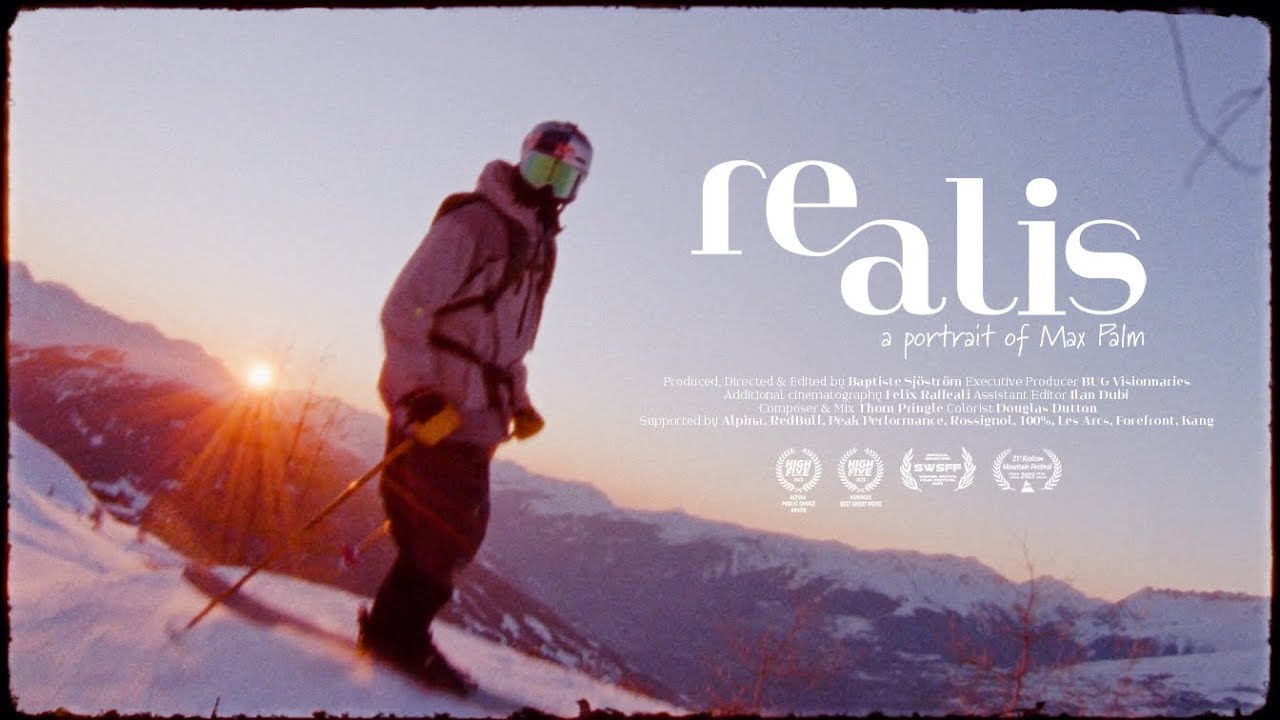
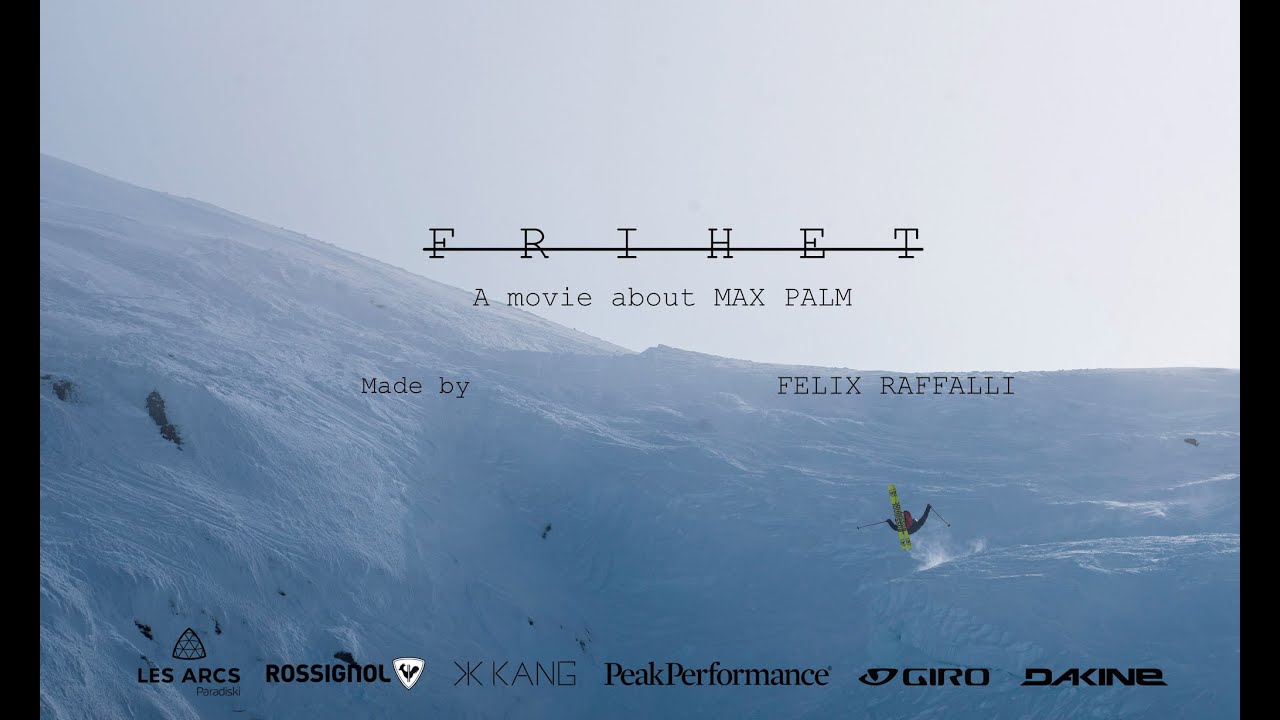
The verified skipowd.tv Les Arcs page already shows how the resort lives in the video ecosystem. Max Palm appears through “FRIHET. Max Palm” with Les Arcs and Verbier, while “REALIS A portrait of Max Palm” links Les Arcs with Andorra, Revelstoke BC, Riksgränsen and other freeride locations. That comparison is useful. Les Arcs is not the steepest name in that set, but it is one of the most efficient Alpine platforms for mixing lift access, park lines and freeride visuals.
The archive also carries a freestyle thread through Harlaut and Casabon, with Full Tilt attached to the 2013 clip and Rossignol appearing through Max Palm’s Les Arcs linked content. These names should not be forced into the mountain’s identity as if they were local residents. Their value is different. They show Les Arcs as a useful European filming location: big enough for freeride mood, structured enough for park and wallride builds, and connected enough that crews can move quickly between snow zones.
Ropes Avalanche Bulletins And Park Etiquette
Les Arcs is a managed resort, but its off piste terrain still requires real mountain discipline. The Haute Tarentaise can produce wind slabs, storm snow instability, spring wet snow cycles and terrain traps near gullies or convex rollovers. Skiers leaving marked pistes should carry transceiver, shovel and probe, travel with partners, and check the daily avalanche bulletin from Météo-France before committing to sidecountry or touring terrain.
Inside the park, etiquette is just as important. Inspect features before hitting them, call drops clearly, avoid stopping on knuckles or in landings, and keep speed predictable when lines merge. Les Arcs attracts families, holiday skiers, locals, park riders and freeriders on the same lift system, so clean communication keeps the mountain working. On Aiguille Rouge or Villaroger laps, respect closures and staged openings. A rope line on the upper mountain is not a suggestion. It is usually a response to wind, control work or coverage.
The Les Arcs Reason For Freeskiers
Les Arcs matters because it compresses several useful ski identities into one resort. It has the Aiguille Rouge descent for vertical, Arc 1600 and SPARK for park progression, Peisey Vallandry for storm day trees, Arc 2000 for high mountain access, Bourg Saint Maurice for rail based logistics and Paradiski for distance when conditions are stable. Add speed skiing history and a visible skipowd.tv archive, and the resort becomes more than a family friendly French domain.
For skipowd.tv, Les Arcs deserves a 4/5 resort profile because it is a major Alpine location with real terrain, strong access, freestyle infrastructure and video relevance. It sits below the 5/5 global mythology of Chamonix or Hokkaido, but above a standard resort page. The strongest editorial angle is precision: Les Arcs is a place where a skier can arrive by train, lap a park, chase a 2000 meter descent, film natural features and still stay inside a coherent mountain system.