Overview and significance
Ski amadé is one of Europe’s largest integrated ski regions, a multi-valley alliance in Salzburg and Styria that connects five sub-areas, around 25 individual resorts and roughly 760 kilometres of pistes on a single pass. The network stretches from the Salzburger Sportwelt hubs of Flachau, Wagrain and Alpendorf through the Schladming-Dachstein 4-Berge-Skischaukel, further to the Gastein valley, the Hochkönig area and the Grossarltal. In total, the lift system adds up to about 270 installations, from modern gondolas and high-speed chairs to drag lifts feeding beginner zones and freestyle features.
Unlike a single compact resort, Ski amadé is a stitched-together landscape of different characters. You can carve race-bred pistes in Schladming, lap big freestyle lines at Absolut Park in Flachauwinkl, cruise family-friendly terrain in Grossarltal or chase freeride lines above Gastein, all under the same ticket. Towns such as Altenmarkt-Zauchensee, Radstadt, Wagrain, Schladming, Bad Gastein and Maria Alm act as gateways into the network, each with its own lodging, après and local scene.
For freeskiers, Ski amadé is particularly important because it concentrates a dense cluster of freestyle and freeride venues within a relatively tight radius. Long-running parks like Absolut Park, Superpark Planai, Snowpark Alpendorf, Snowpark Gastein, Kings Park Hochkönig and Snowpark Grossarltal give the alliance real depth on the park side, while the alpine terrain around Dachstein and the steeper pitches above Sportgastein anchor its freeride credentials. Add in strong rail and event support from partners such as Blue Tomato and you get a region that sits firmly on the modern freestyle map, even if the overall brand is less singular than some individual “mega-resorts.”
Terrain, snow, and seasons
Ski amadé’s terrain is spread across mid- to high-alpine ridges that generally run between about 700–800 metres in valley bottoms and roughly 2,700 metres at the highest lift-served points. The combined piste stats often quoted for the network break down to around 275 kilometres of blue runs, 390 kilometres of red runs and 95 kilometres of black pistes. That distribution tells you a lot: this is an intermediate-driven region with plenty of fall-line blues and reds, but with enough steeper blacks and official ski routes to hold the attention of advanced riders.
Each sub-region has its own flavour. Salzburger Sportwelt delivers classic rolling Austrian groomers above forested valleys, with multiple easy links between Flachau, Wagrain and Alpendorf and further connections toward Zauchensee and Kleinarl. Schladming-Dachstein’s 4-Berge-Skischaukel (Hauser Kaibling, Planai, Hochwurzen and Reiteralm) is more compact but intensive, with long pistes stacked one after another and clear race heritage on several descents. Gastein shifts the tone with bigger vertical drops and more dramatic alpine scenery, particularly on the Stubnerkogel–Sportgastein side. Hochkönig strings together a long ridge of linked slopes between Maria Alm, Dienten and Mühlbach, while Grossarltal wraps its pistes around a classic side valley with a mix of cruising terrain and fun features.
Snowfall varies by sector and elevation, but the region as a whole benefits from solid central-Alps storm tracks and extensive snowmaking. High points like Dachstein Glacier and the upper reaches of Sportgastein maintain good coverage deep into spring, while valley return runs are heavily supported by artificial snow when needed. Midwinter surfaces are usually a mix of cold, grippy groomers and soft off-piste in shaded bowls, especially after north-westerly storms. In March and early April, solar slopes soften into forgiving spring corn, making them ideal for park laps and playful side hits.
Park infrastructure and events
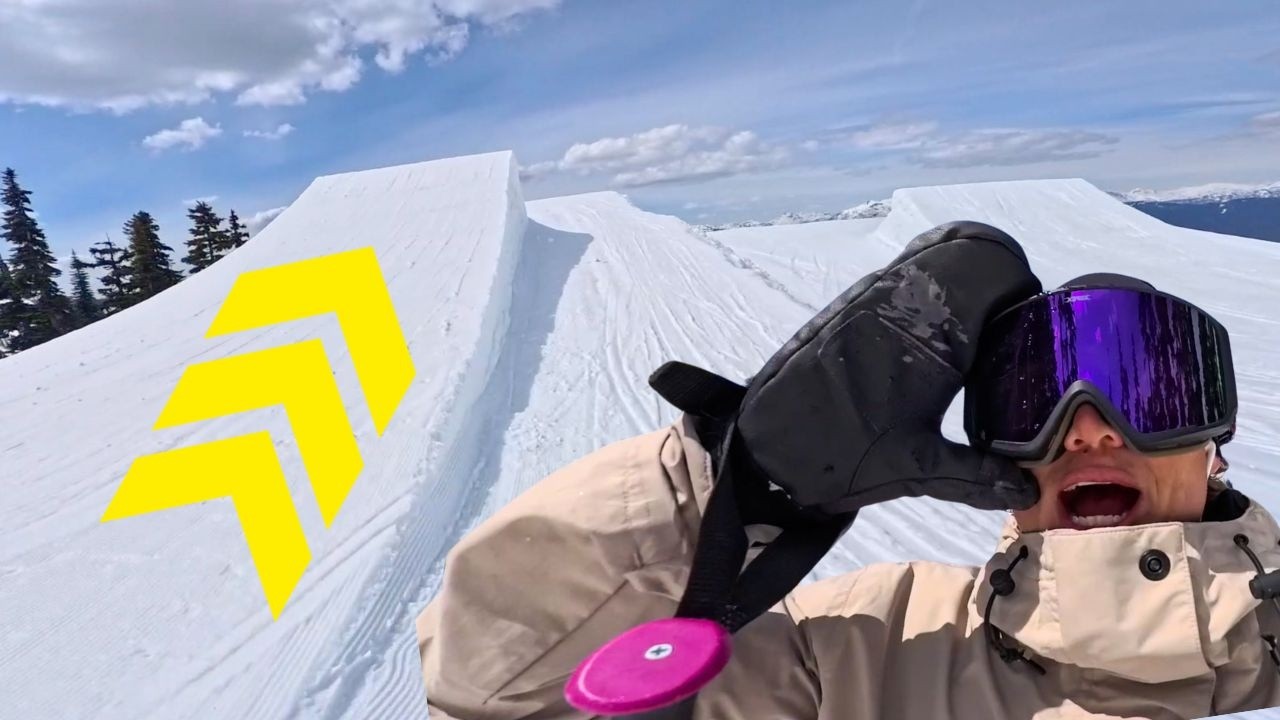
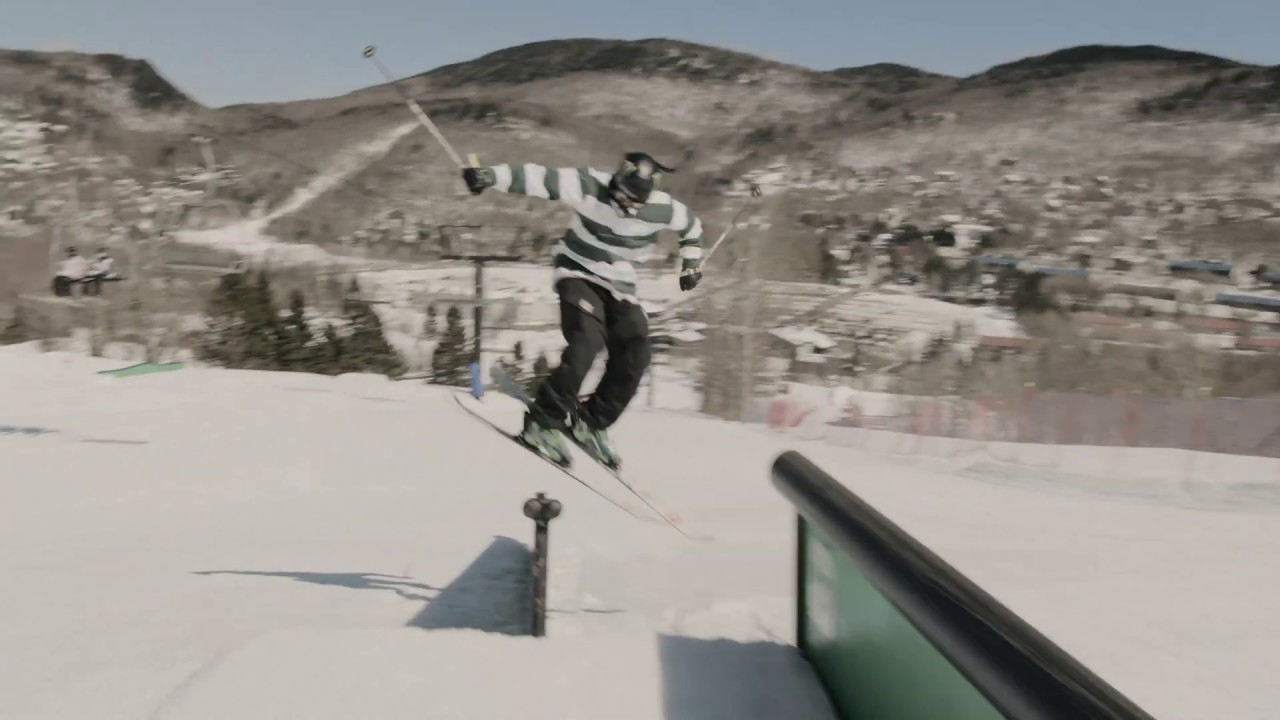
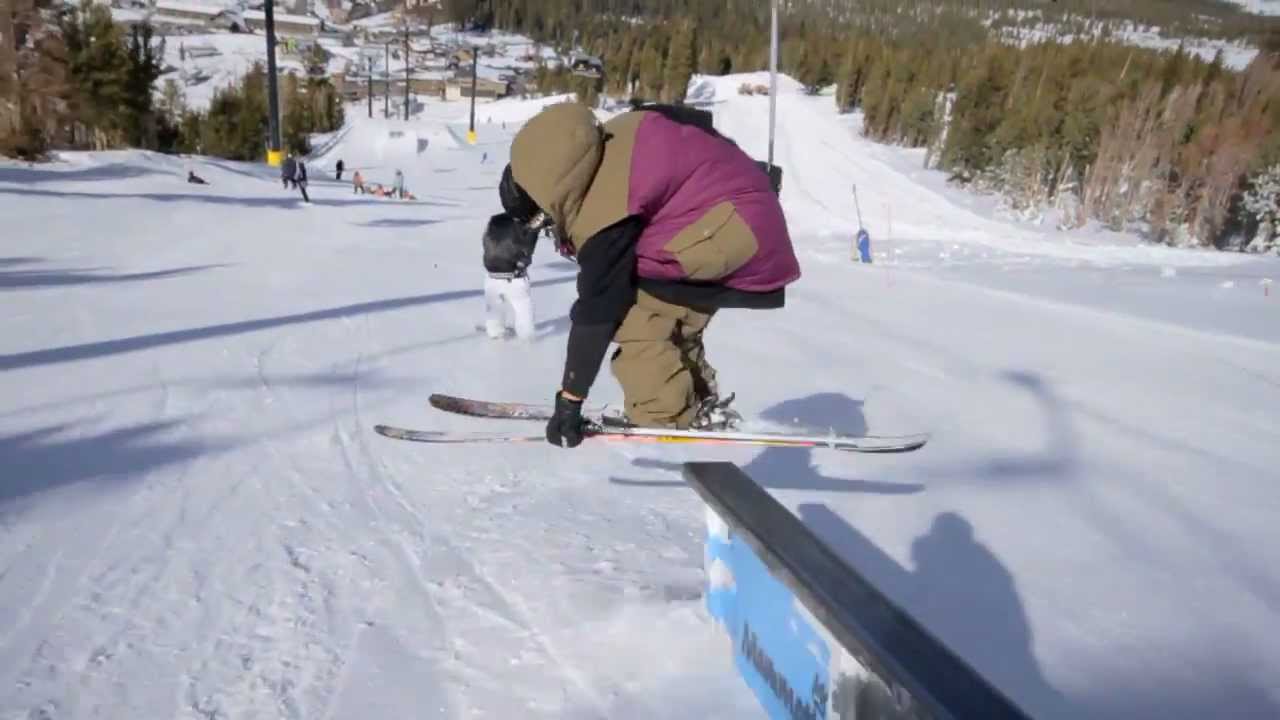
Where Ski amadé really distinguishes itself for freeskiers is in its freestyle infrastructure. The flagship is Absolut Park at Flachauwinkl–Kleinarl, widely regarded as one of Europe’s most influential parks. Stretching for roughly 1.5 kilometres down the fall line with up to around 100 features at full build, it offers multiple jib lines, jump lines, a rail-heavy stair set, a pro kicker set-up and a halfpipe or mini-pipe depending on the year. The park hosts sessions and contests all winter, from early-season rail gatherings to Spring Battle and World Cup-level slopestyle and big air stops, drawing international teams and film crews.
Crucially, Absolut Park sits within an alliance rather than in isolation. Superpark Planai above Schladming focuses on slopestyle-style lines with progressive tables and creative rails, using Planai’s strong lift infrastructure and night-skiing heritage as a backdrop. Snowpark Alpendorf in Snow Space Salzburg adds a blend of fun line and progression line features, with banked turns, small to medium jumps and rails feeding a teen-heavy local scene. Snowpark Grossarltal offers about 500 metres of jib- and kicker-rich terrain divided into beginner, medium and advanced sections. Kings Park Hochkönig stretches along a ridgeline with a high feature count and panoramic views of the Hochkönig massif, while Snowpark Gastein combines medium jumps and jibs with the valley’s freeride options.
On top of the dedicated parks, Ski amadé promotes funslopes, funcross tracks and ski movie lines across the network. Funslopes mix rollers, berms, tunnels and small jumps into playful blue-level runs, while funcross courses bring ski- and boardercross-style layouts to public terrain. These serve as gateways for younger riders and park newcomers, helping them build airtime and terrain-reading skills before stepping onto the main park lines. Event-wise, the region regularly hosts FIS World Cup races in Schladming, Europa Cup and national-level competitions across several hills, and a dense calendar of grassroots park contests, rookie tours and film days that keep the freestyle energy high from early season to spring.
Access, logistics, and on-mountain flow
Access to Ski amadé is one of its strengths. The region sits within easy reach of Salzburg, with the Tauern Autobahn (A10) and Ennstal routes feeding different valleys. Many visitors land at Salzburg Airport, pick up a rental car or hop on shuttle services and head directly to bases such as Flachau, Wagrain, Schladming, Altenmarkt or Bad Gastein. For rail travellers, the Enns valley line serves stations like Schladming and Radstadt, while Gastein has its own rail corridor with stops at Bad Hofgastein and Bad Gastein.
Once in the region, you generally operate within one or two interconnected valleys at a time. Snow Space Salzburg links Flachau, Wagrain and St. Johann–Alpendorf into a single continuous area, complete with modern gondolas and chairs feeding the 12 Peaks Trophy route that tags a dozen summits in one long-day circuit. Schladming’s 4-Berge-Skischaukel lets you ski from Hauser Kaibling to Reiteralm and back in a single marathon, while shuttle buses and local roads connect outlying spots. Gastein, Hochkönig and Grossarltal each form their own coherent pods, with ski buses tying individual villages to their nearest lift stations.
On-mountain flow is straightforward if you plan around one sub-area per day. Park-focused crews might base themselves in Flachauwinkl–Kleinarl or Schladming and build days around fast laps on Absolut Park or Superpark Planai, only occasionally venturing to other valleys. Freeride-oriented riders often spend storm cycles in Gastein or the higher, shadier corners of Schladming-Dachstein, then switch to Hochkönig or Salzburger Sportwelt for bluebird cruising. Because the full network is large, you rarely “ski all of Ski amadé” in a single trip; instead, you pick a home valley and explore neighbouring pods on selected days when weather, energy and events line up.
Local culture, safety, and etiquette
Culturally, Ski amadé is more diverse than a single-resort town. Small farming villages coexist with established tourist centres and spa towns. Schladming has a lively, sports-focused vibe with strong racing roots and a compact centre full of bars and shops. Flachau and Wagrain feel like classic Austrian destinations, mixing family hotels, après spots and long-standing ski schools. Bad Gastein combines grand spa architecture and thermal baths with steeper mountainsides and a more eclectic, international crowd. Hochkönig and Grossarltal feel a touch quieter and more traditional, with a focus on families and long-stay guests.
Safety norms follow Austrian standards but take on extra importance given the region’s size. On piste, riders are expected to follow the FIS code: controlled speed, priority to downhill skiers, respect for signage and slow zones, and careful merging at intersections. Some connecting corridors between valleys can get busy at peak times, especially late in the day when everyone is trying to return to their home sector, so defensive skiing and awareness of traffic are essential.
Off-piste, the variety of aspects and elevations means avalanche conditions can vary widely even within a short distance. South-facing bowls in Hochkönig can transition quickly from powder to wet-snow instabilities in spring, while shaded couloirs in Schladming-Dachstein and the high alpine around Sportgastein can hold cold, wind-affected snow with slab issues long after storms. Local guiding outfits and ski schools across the network run freeride programs and avalanche courses, and regional avalanche bulletins are widely consulted. Full safety kit—transceiver, shovel, probe—is non-negotiable when leaving the marked and secured runs, and in some marked ski routes it is strongly recommended.
Best time to go and how to plan
The long Ski amadé season typically stretches from late November or early December into early or mid-April, with glacier and high-alpine options extending things at the margins. For freeskiers, the prime window usually runs from early January through mid-March. In this period, base depths across the main ridges are solid, most parks are fully built, and storm cycles and high-pressure windows alternate often enough to offer both powder and bluebird park days.
January tends to bring colder temperatures and slightly quieter slopes outside New Year week, making it a good time for mileage and technique work. Late January and early February see headline events like the Schladming night slalom, along with key park contests in Absolut Park and other venues. Mid-February through early March is busier with holiday traffic but often rich in snowfalls and big-event energy, while mid- to late March offers classic Austrian spring skiing: firm mornings, soft afternoon slush, barbecue sessions at park bases and long terrace stops in the sun.
Planning a Ski amadé trip starts with choosing a home base that matches your priorities. Park-heavy crews may prioritize Flachauwinkl–Kleinarl or Schladming for direct access to Absolut Park and Superpark Planai. Riders who want a mix of freeride and spa downtime might choose Bad Gastein or Bad Hofgastein, while families often favour Snow Space Salzburg or Hochkönig for their progression pistes and funslopes. A car increases flexibility between valleys, but many itineraries work fine with ski buses and trains, particularly if you focus on one area at a time. Checking event calendars and park build updates before you book helps you line up your visit with contests or sessions that interest you.
Why freeskiers care
Freeskiers care about Ski amadé because it compresses a huge variety of modern skiing into a single, ticket-linked region. You can spend a morning doing full-speed carves on World Cup-proven pistes in Schladming, then transfer to Flachauwinkl for an afternoon of lap-after-lap park lines at Absolut Park. Another day might start with powder laps above Sportgastein or in shaded bowls off Reiteralm, then mellow into golden-hour funslopes and side hits in Snow Space Salzburg or Hochkönig.
Beyond the terrain, the alliance’s commitment to freestyle—visible in long-standing partnerships, park investments and a packed calendar of events and sessions—makes it a natural habitat for contemporary freeski culture in central Europe. Film crews, national teams, shop riders and independent crews all treat Ski amadé as a testing ground, whether they are refining contest runs, stacking clips or simply lapping with friends. For the skipowd.tv audience, that combination of scale, park depth, accessible freeride and varied town atmospheres makes Ski amadé less of a single “resort” and more of a playground you can return to again and again, exploring new valleys, lines and events every time.