Ski Addiction
Canada
Whistler based ski training brand | Founded 2012 by Nev Lapwood | Known for: Tramp Skis, DOLLO collaboration with Henrik Harlaut, Balance Bar, Jib Series, Tramp Series and step by step freestyle tutorials | Focus: helping skiers build air awareness, balance and trick progression before taking movements to snow.
Whistler roots and the mission to help skiers progress faster
Ski Addiction is not a traditional ski manufacturer, film crew or large production studio. It is a rider owned ski training brand based in Whistler, British Columbia, built around a simple idea: skiers improve faster when they can repeat movements safely before trying them at full speed on snow. Founded in 2012 by Nev Lapwood, the company first grew through tutorial content, then expanded into physical training products designed for trampoline, balance and freestyle practice.
That origin matters because Whistler is one of the best places in the world to connect training with real skiing. A skier can learn a movement on a trampoline, refine body position with drills, then take the same idea into park laps, side hits or all mountain terrain. Ski Addiction sits in that bridge between instruction and execution. It does not sell fantasy. It sells repetition, structure and confidence.
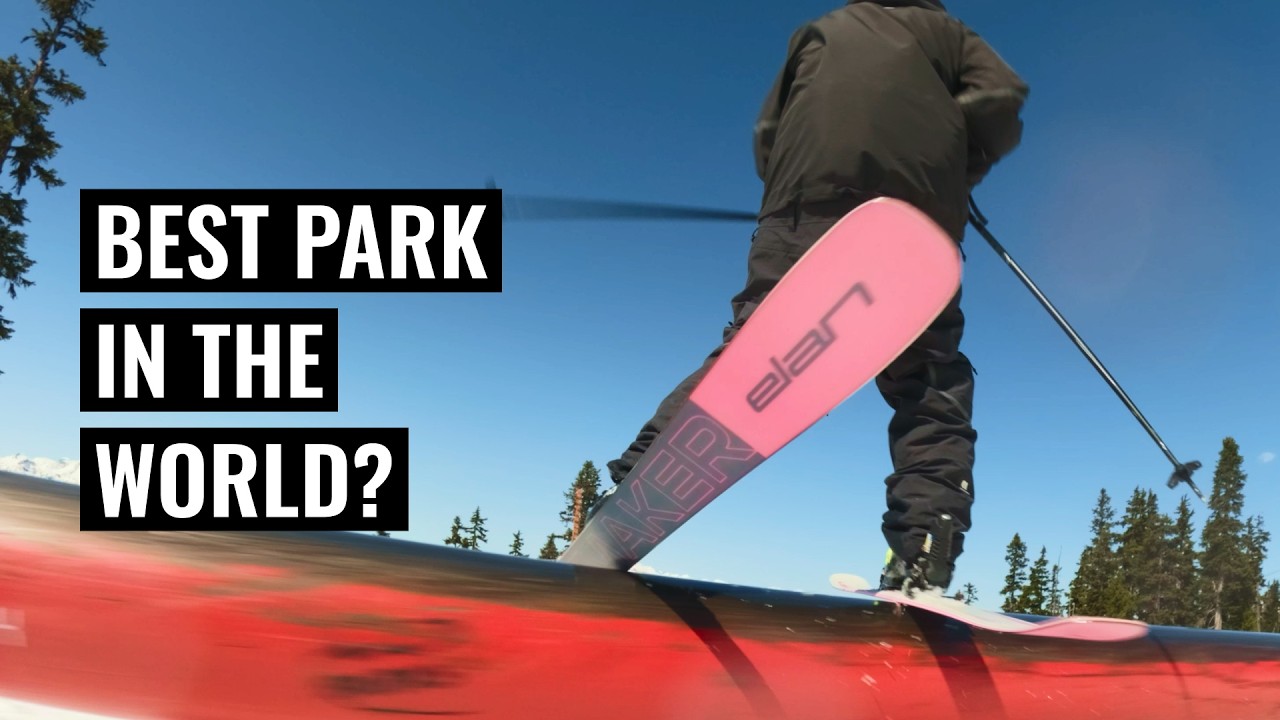
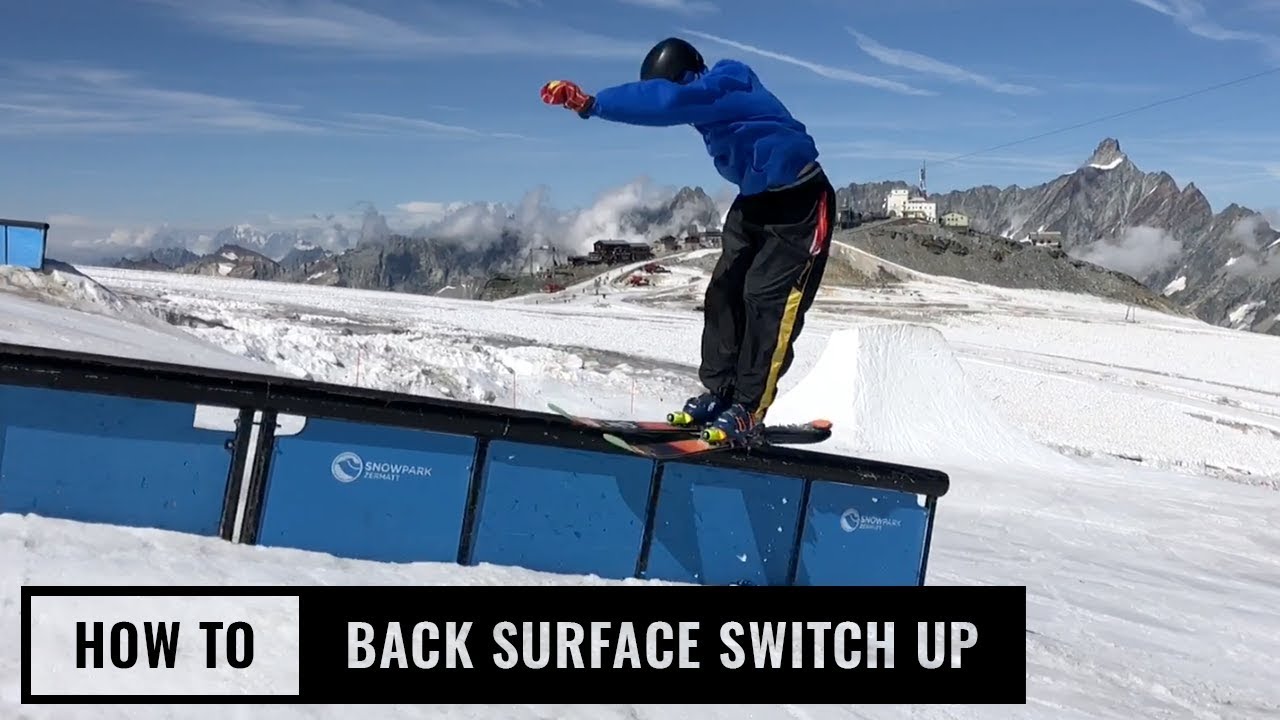
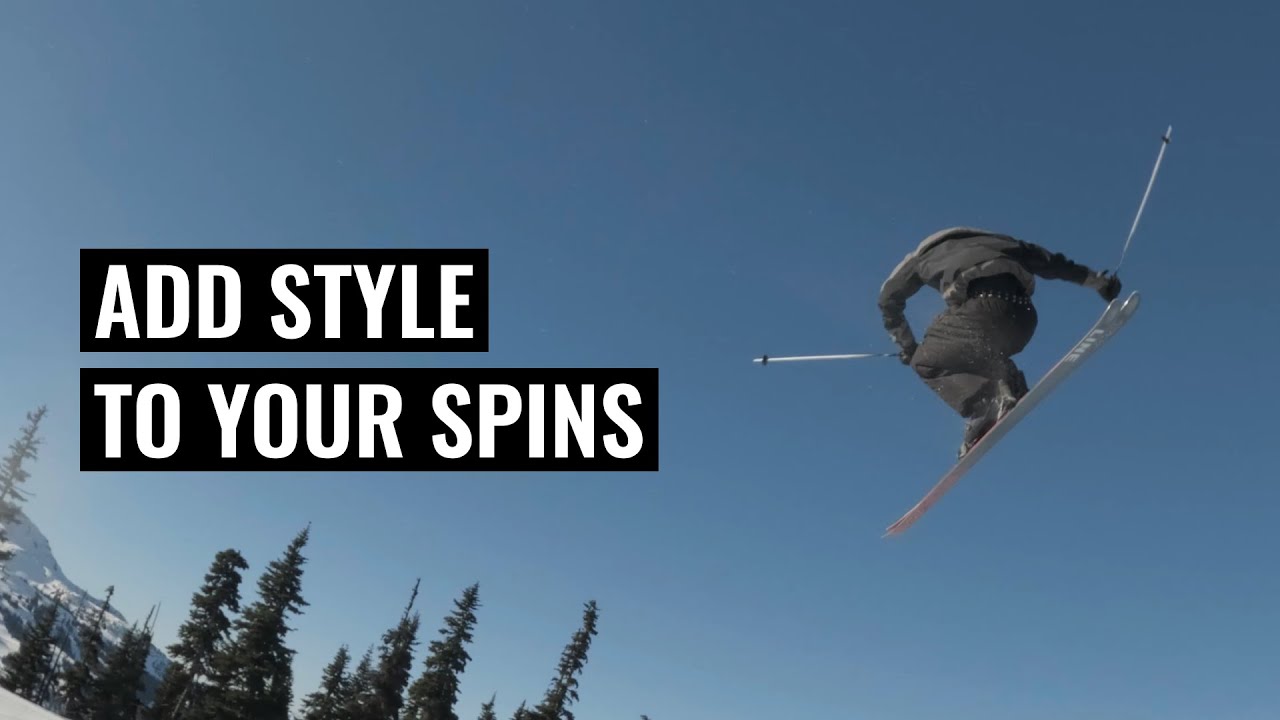
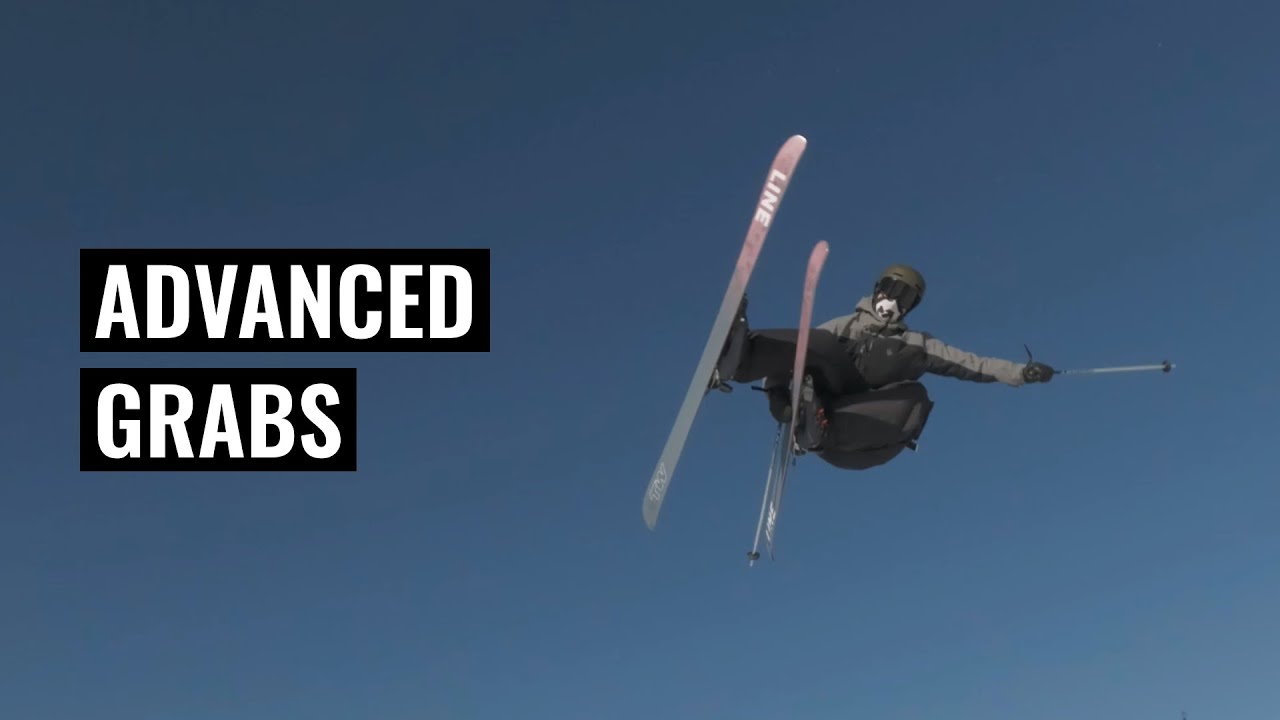
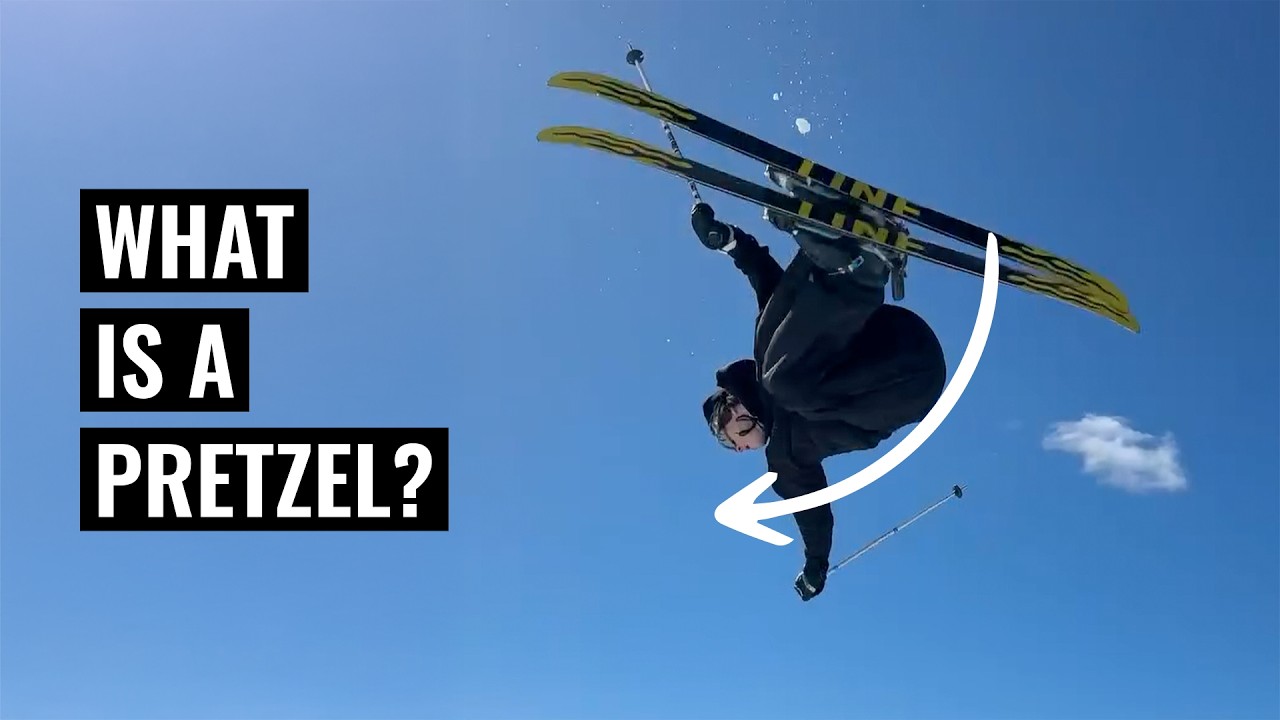
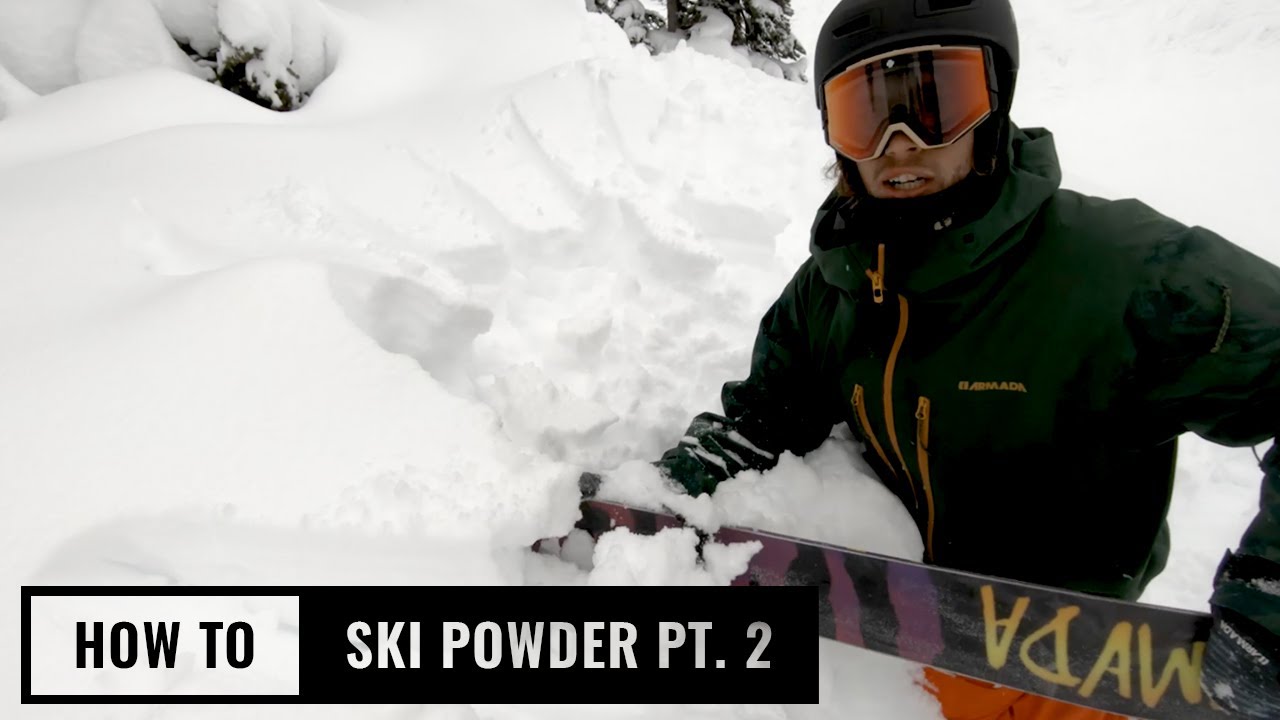
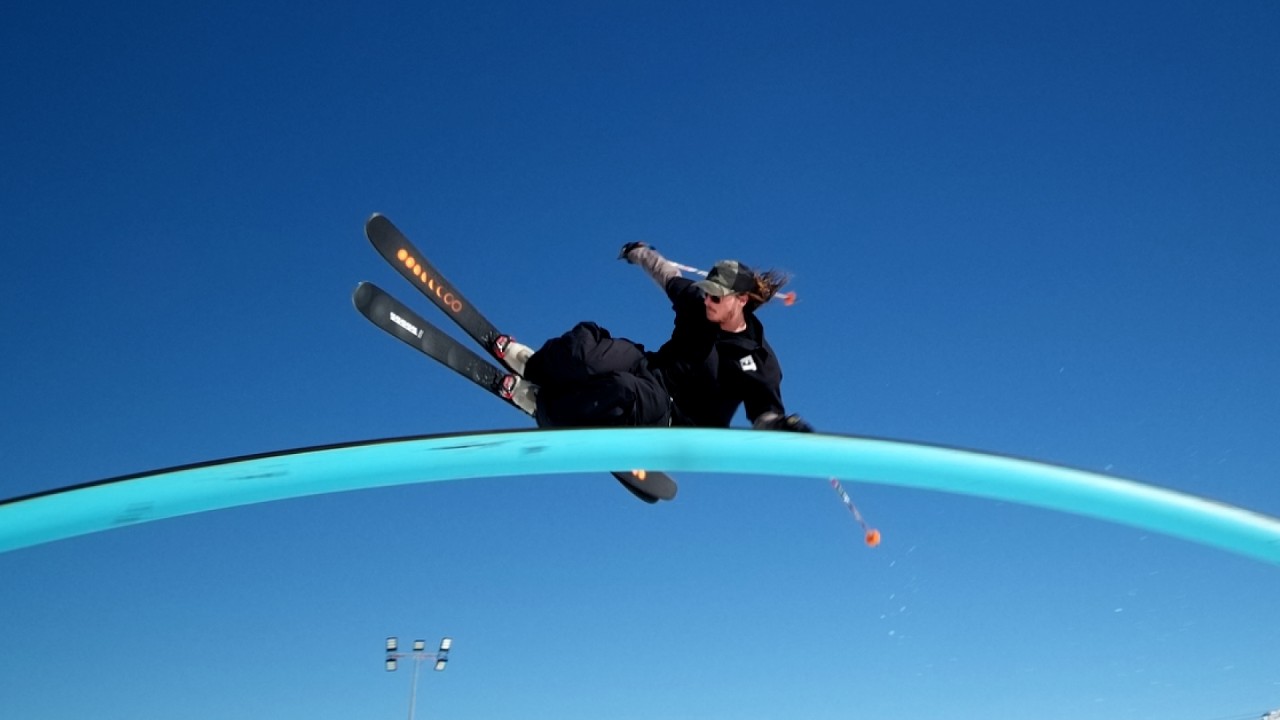
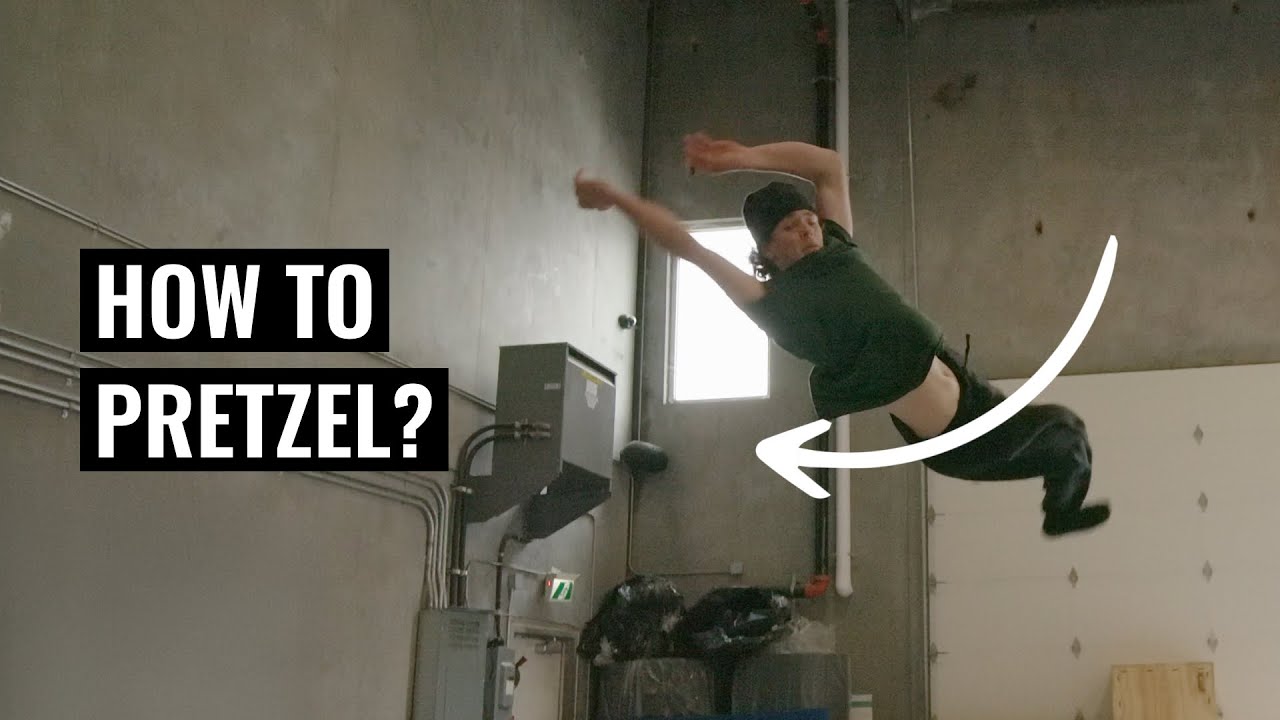
For skipowd.tv, Ski Addiction is relevant because it belongs to the educational side of freeski culture. Many sponsor pages represent equipment, apparel or film output. Ski Addiction represents how skiers learn: grabs, spins, pretzels, rails, switch takeoffs, balance drills, axis control and terrain awareness. It turns progression into a repeatable system.
Tramp Skis DOLLO and the training product breakthrough
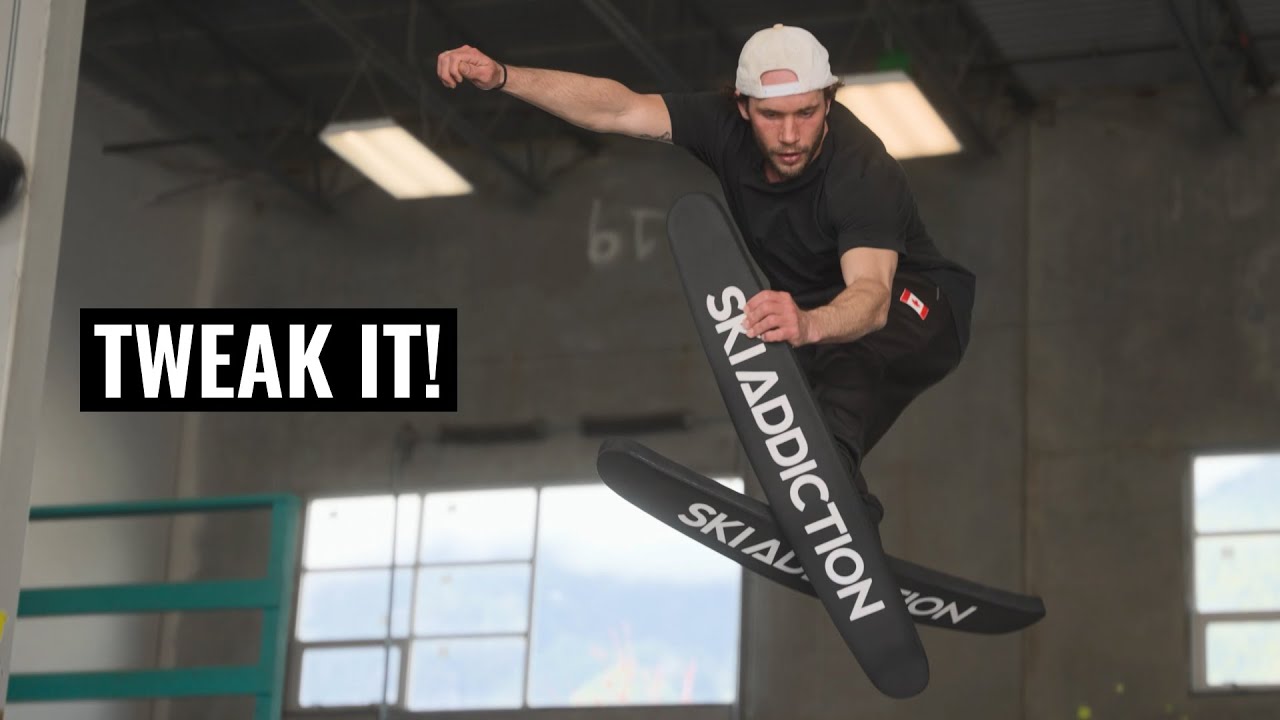
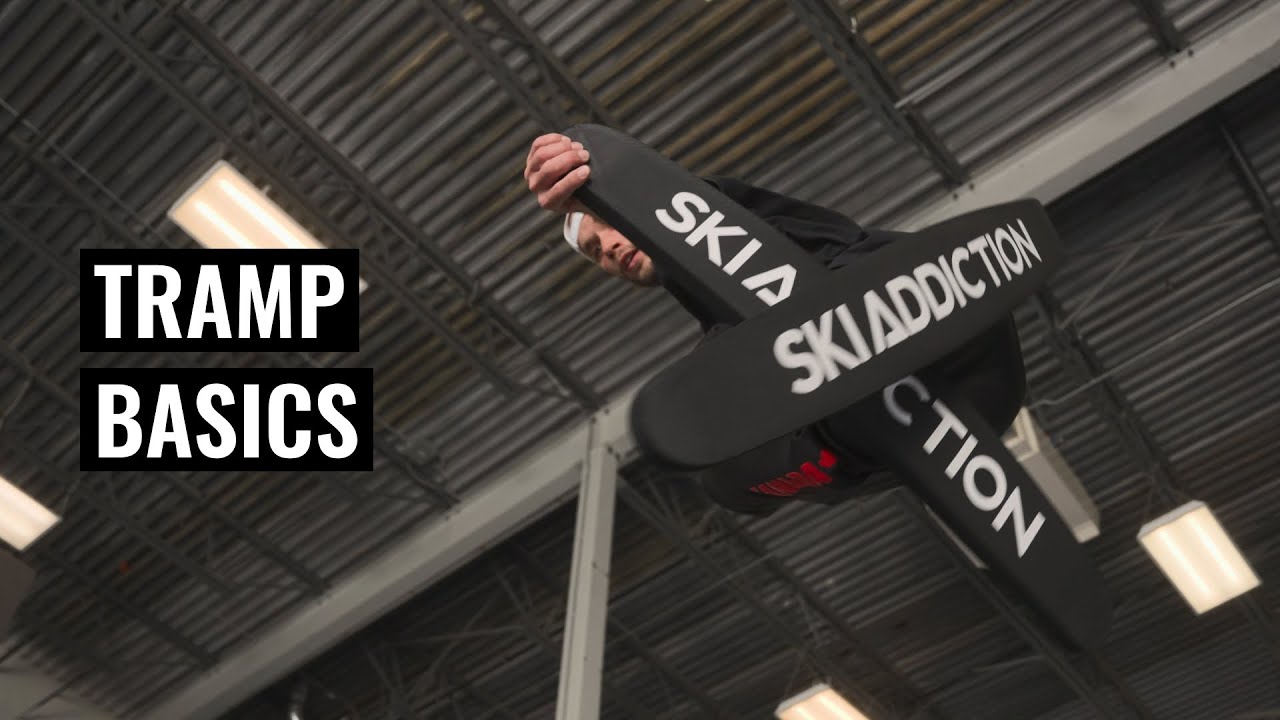
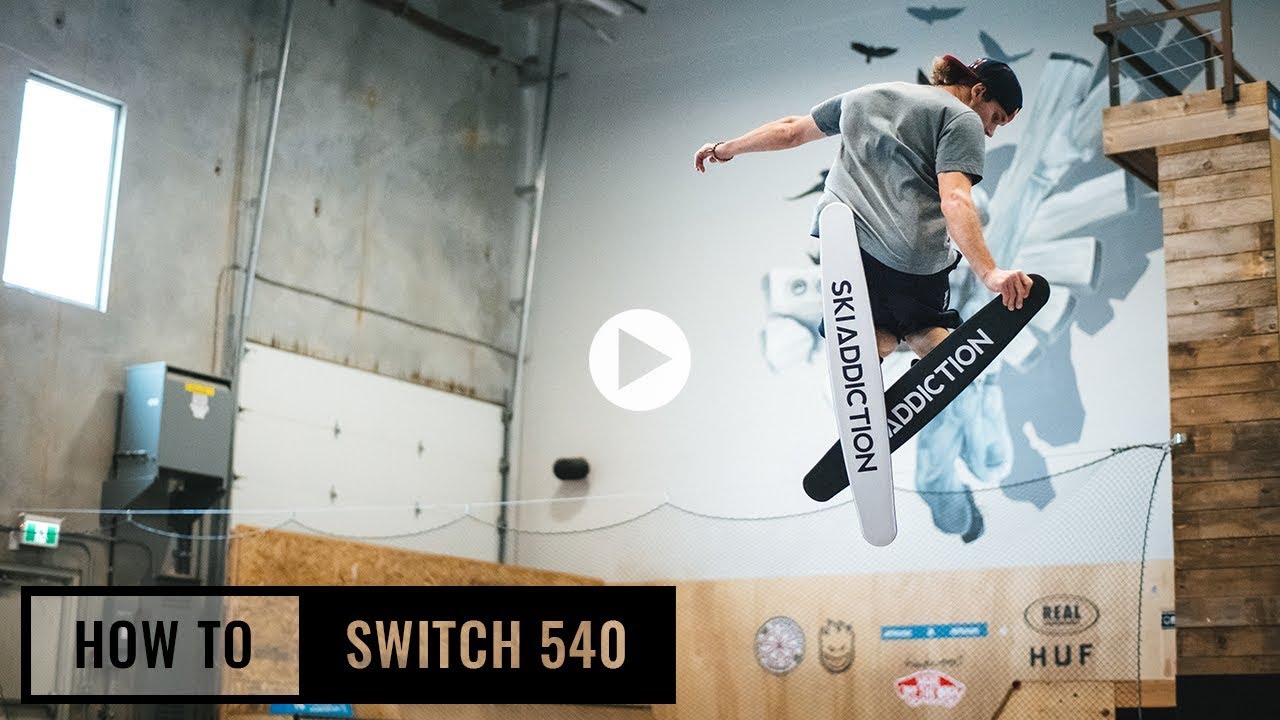
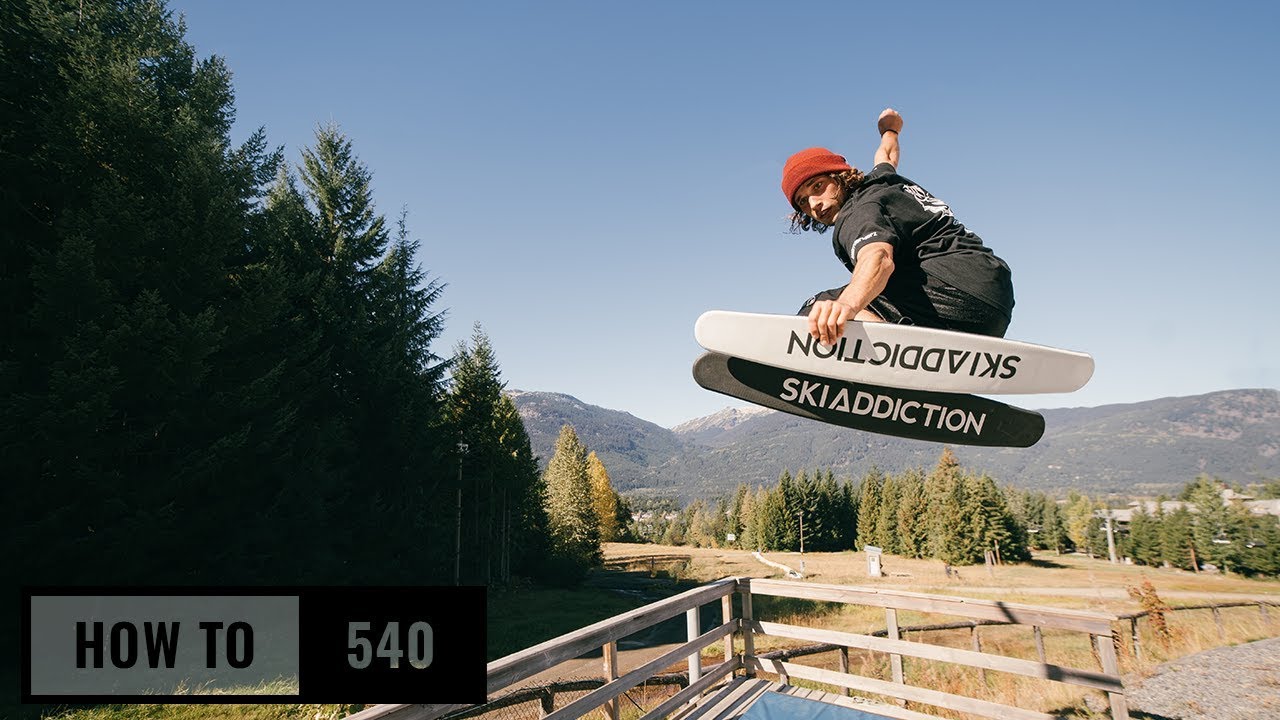
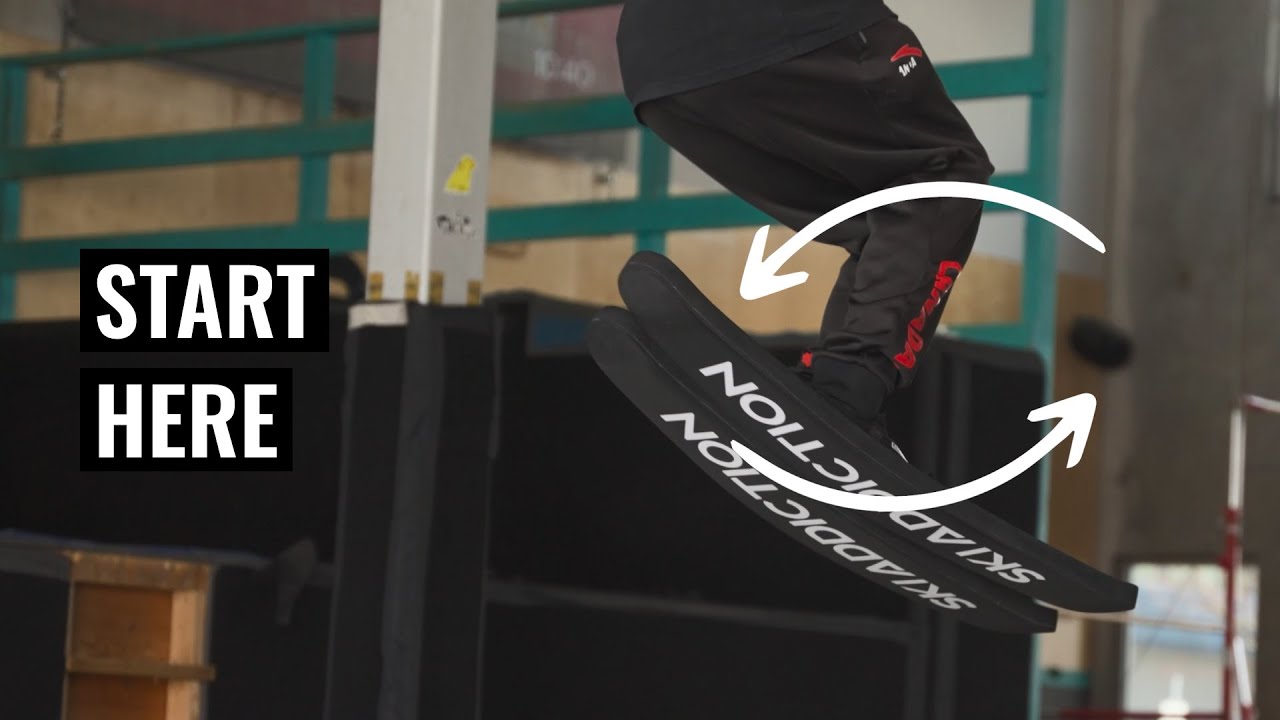
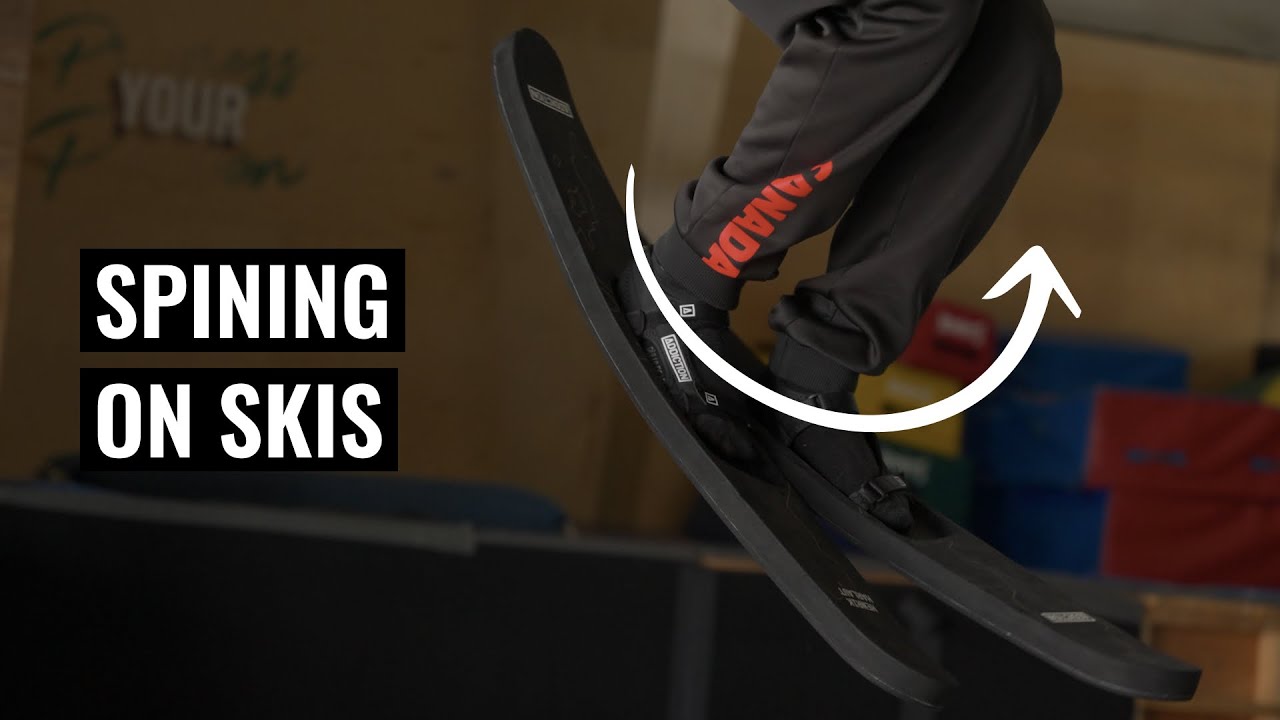
The defining Ski Addiction product category is trampoline ski training. In late 2017, the brand launched Tramp Training Skis and Bindings, giving skiers a way to train freestyle movements away from snow. The idea is practical: shorten the ski, remove metal edges, add foam protection, use a flexible profile and secure the foot so that skiers can rehearse aerial movements on a trampoline with more realistic ski mechanics than normal shoes.
The current product range includes Tramp Skis Pro and DOLLO Tramp Skis. The Pro setup is the premium option, built with Gen 4 Training Bindings, SnugTech dual buckle straps, a poplar wood core, laminated top sheet, reverse camber profile, smooth sidewalls and EVA foam base. It is aimed at skiers who want a stronger, more responsive setup for repeated training and bigger tricks.
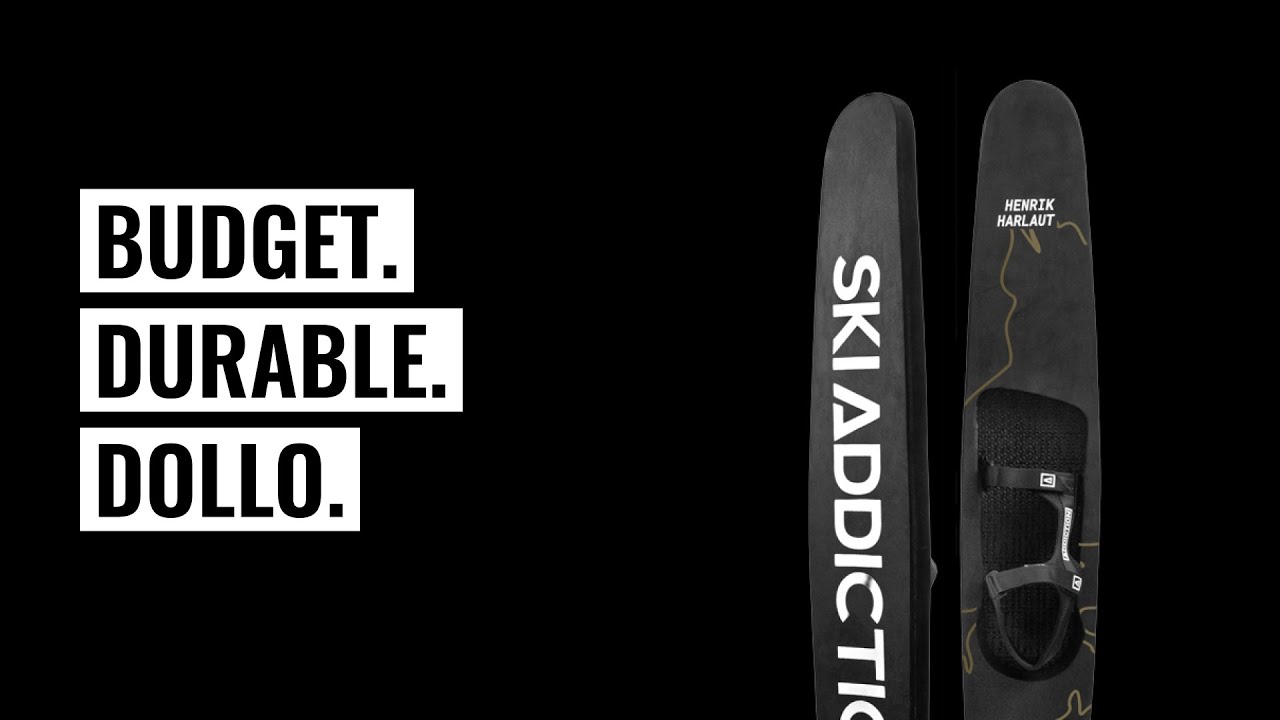
The DOLLO Tramp Skis bring Henrik Harlaut into the product story. Designed in collaboration with the freestyle icon, the DOLLO model is a more accessible training ski with integrated straps, a wood core, foam wrap and lightweight construction. That collaboration matters because Harlaut is not just a famous name. His skiing is deeply connected to grabs, style, axis control, butters and creative trick language, which fits exactly with Ski Addiction's training purpose.
Air awareness balance and the low risk repetition advantage
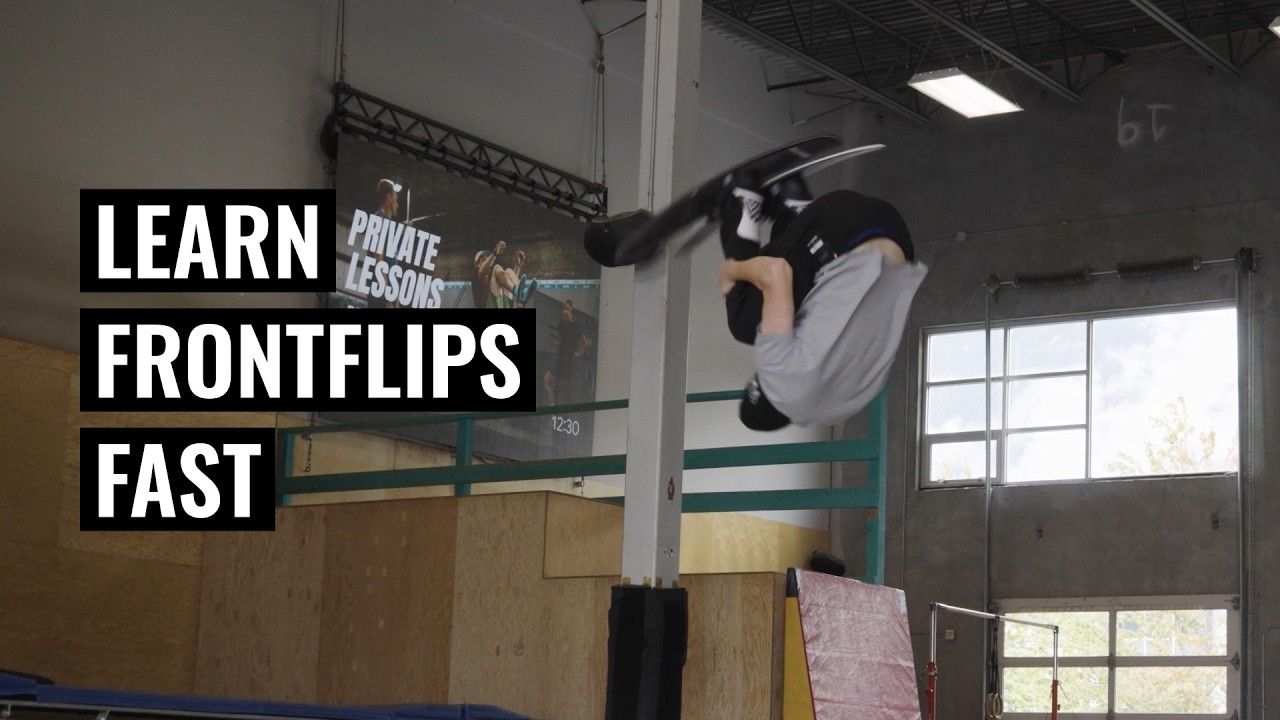
Ski Addiction's performance value is repetition. A skier learning a cork, 540, safety grab, switch takeoff or rail movement often needs many attempts before the movement becomes natural. On snow, each attempt costs time, lift access, speed, conditions and risk. On a trampoline or training setup, the skier can isolate movement and repeat it until the body understands timing.
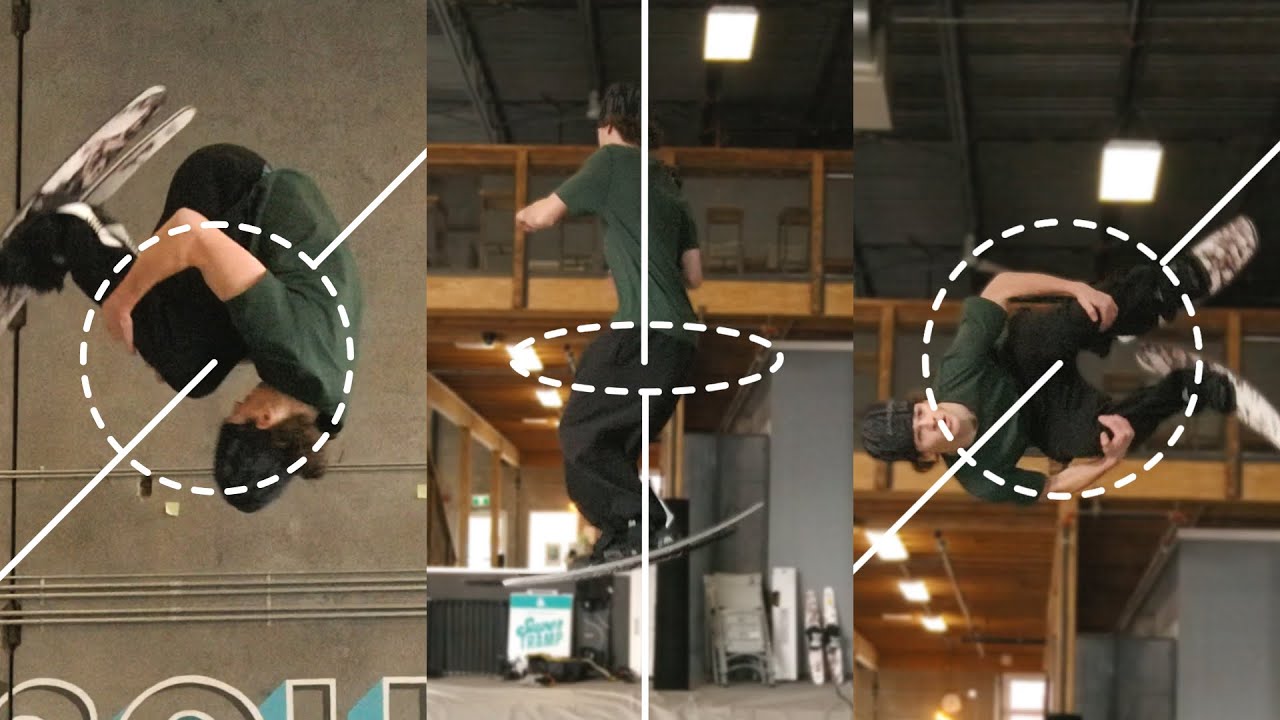
Tramp Skis help simulate ski swing weight, stance and foot connection. They cannot fully reproduce snow, takeoff speed or landing impact, but they can teach orientation. Skiers learn where their skis are in the air, how grabs change body position, how rotation begins, how to spot landings and how to avoid losing control mid trick. That kind of practice is especially useful for park and slopestyle skiers, but it also helps all mountain skiers who want better balance and confidence.
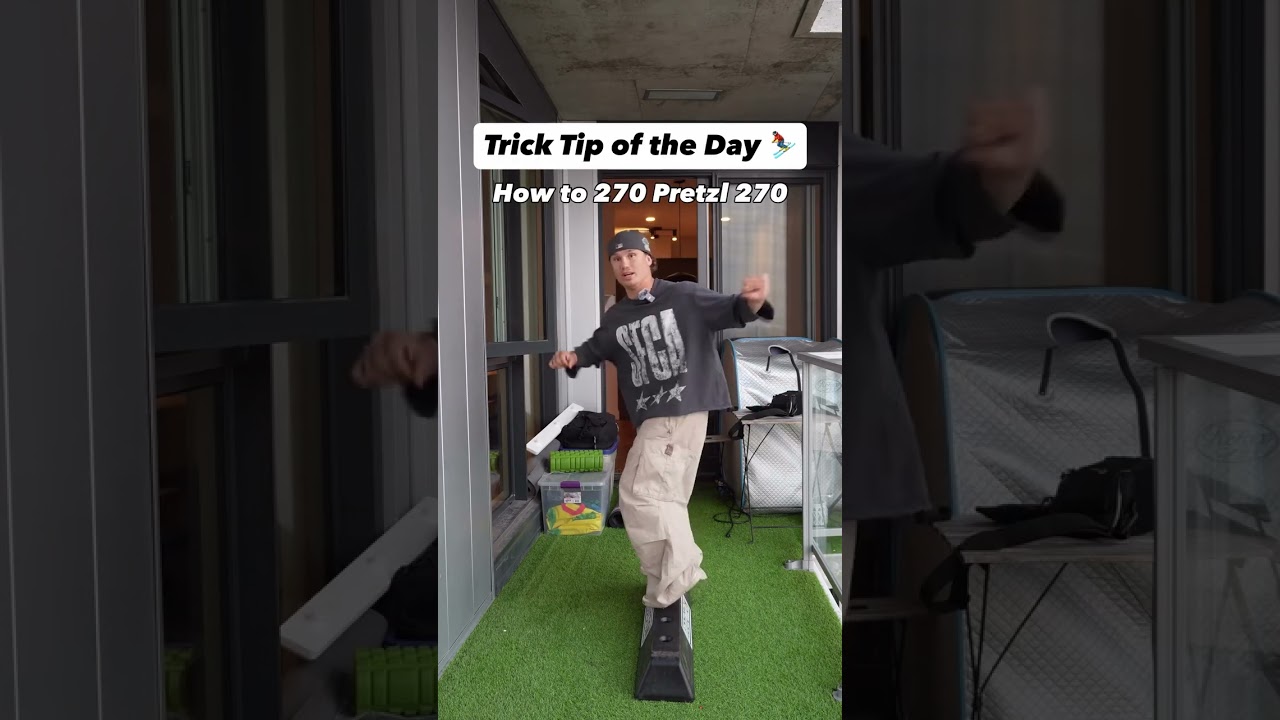
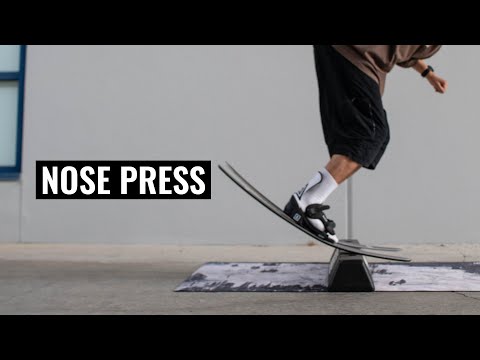
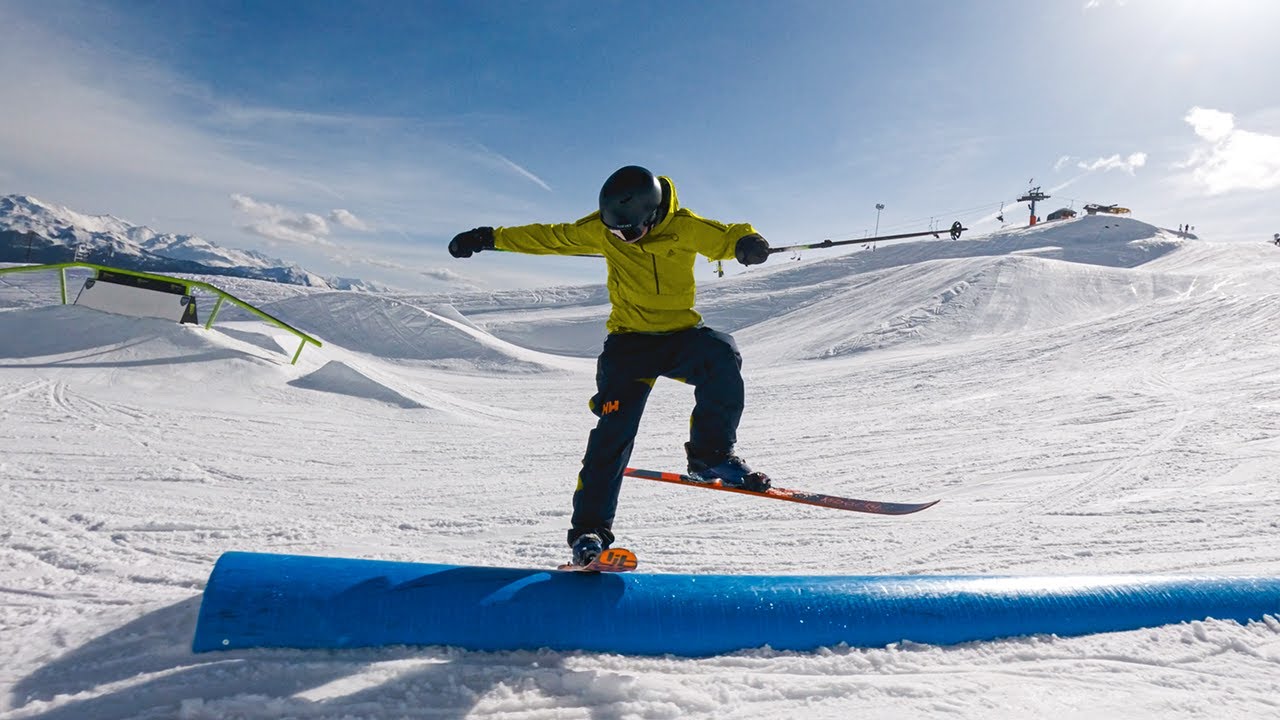
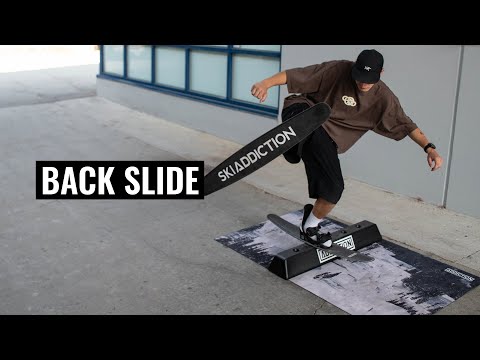
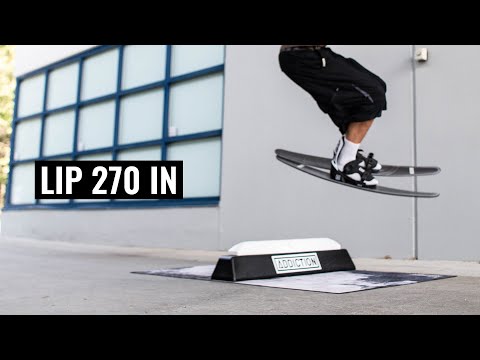
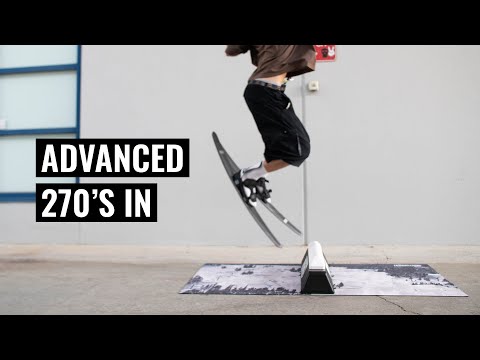
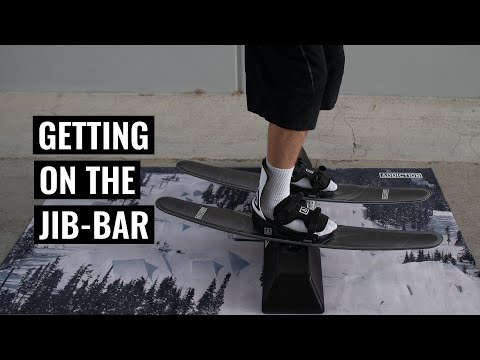
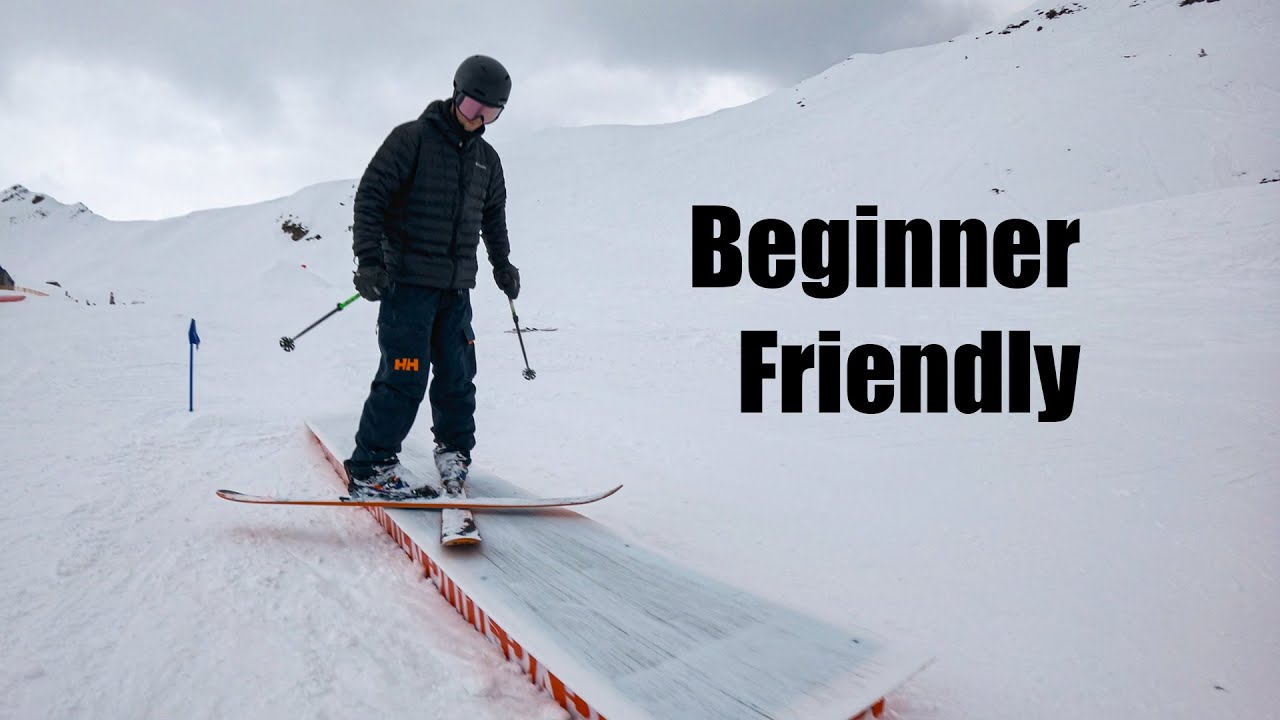
The Balance Bar and training mats support the same idea on the ground. A skier can practice rail stance, edge awareness, presses, scissoring and body position without needing a terrain park. For beginners, that can make the first box less intimidating. For advanced skiers, it creates a controlled place to rehearse technical movements before adding speed, snow and consequence.
Nev Lapwood Dean Bercovitch Mark Draper and the coaching core
Ski Addiction's credibility comes from coaches and skiers who live the discipline. Nev Lapwood is the founder and owner, and the official team includes coaches and creators such as Dean Bercovitch, Mark Draper, Aidan Mulvihill, Harry Wilson, Josh Wainwright and other staff connected to filming, operations and education. This team structure is important because Ski Addiction is not only selling equipment. It is teaching movement.
Dean Bercovitch brings a broad ski background that includes racing, moguls, big air and Whistler based coaching. Mark Draper is strongly connected to freestyle coaching and social media instruction. Aidan Mulvihill adds Team Canada credibility and appears in newer park and tutorial content. Together, they give the brand a practical teaching voice that feels close to park skiers rather than distant from them.
The Henrik Harlaut DOLLO collaboration gives Ski Addiction additional cultural weight. Harlaut's influence in freeskiing is built on style, creativity and technical air awareness, so his name fits naturally on a trampoline training product. The collaboration helps Ski Addiction speak to riders who care about both progression and how the trick looks.
Whistler Blackcomb as the on snow testing ground
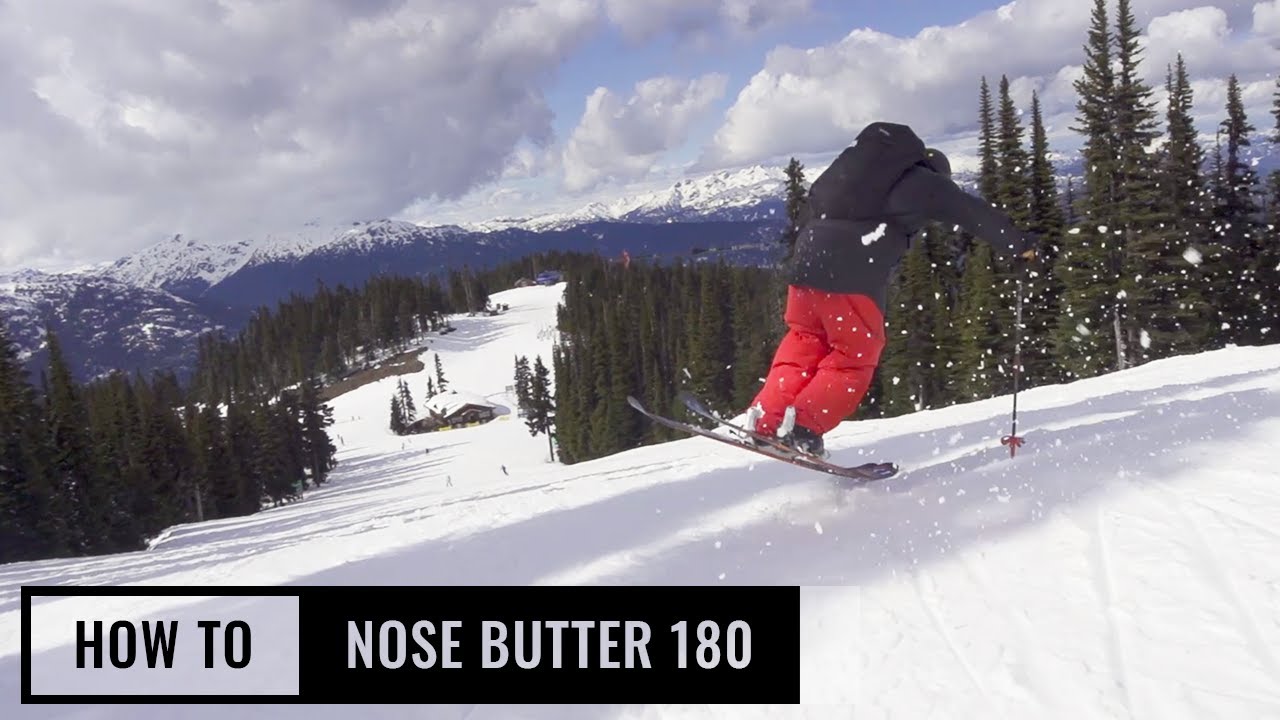
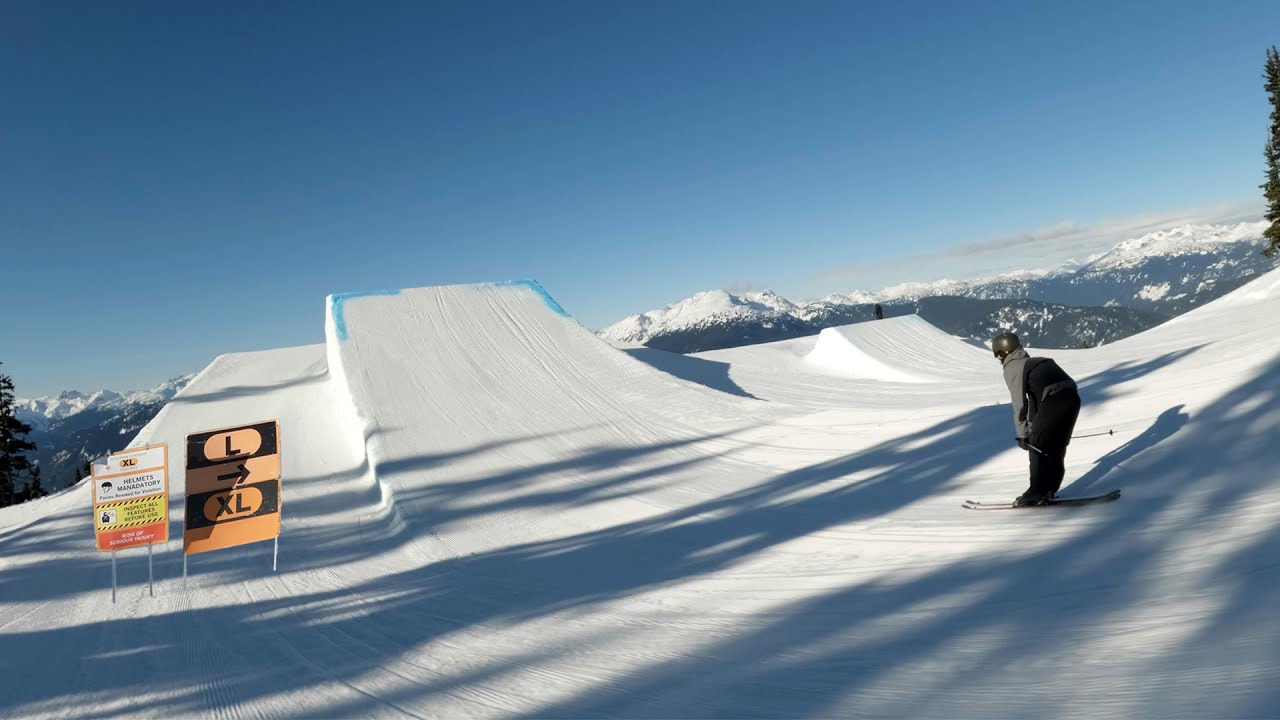
Ski Addiction's geography is central to its identity. Whistler Blackcomb gives the brand direct access to terrain parks, progression features, coaching culture and a large international ski community. This matters because the best training content needs a clear connection between off snow drills and actual on snow execution. Whistler provides that link.
The location also gives Ski Addiction a global audience. Skiers travel to Whistler from Canada, the United States, Europe, Australia, New Zealand and Asia. That international flow fits the brand's ecommerce and tutorial model. A skier might discover Ski Addiction online, train at home on a trampoline, then use the same skills in a local terrain park or on a trip to a major resort.
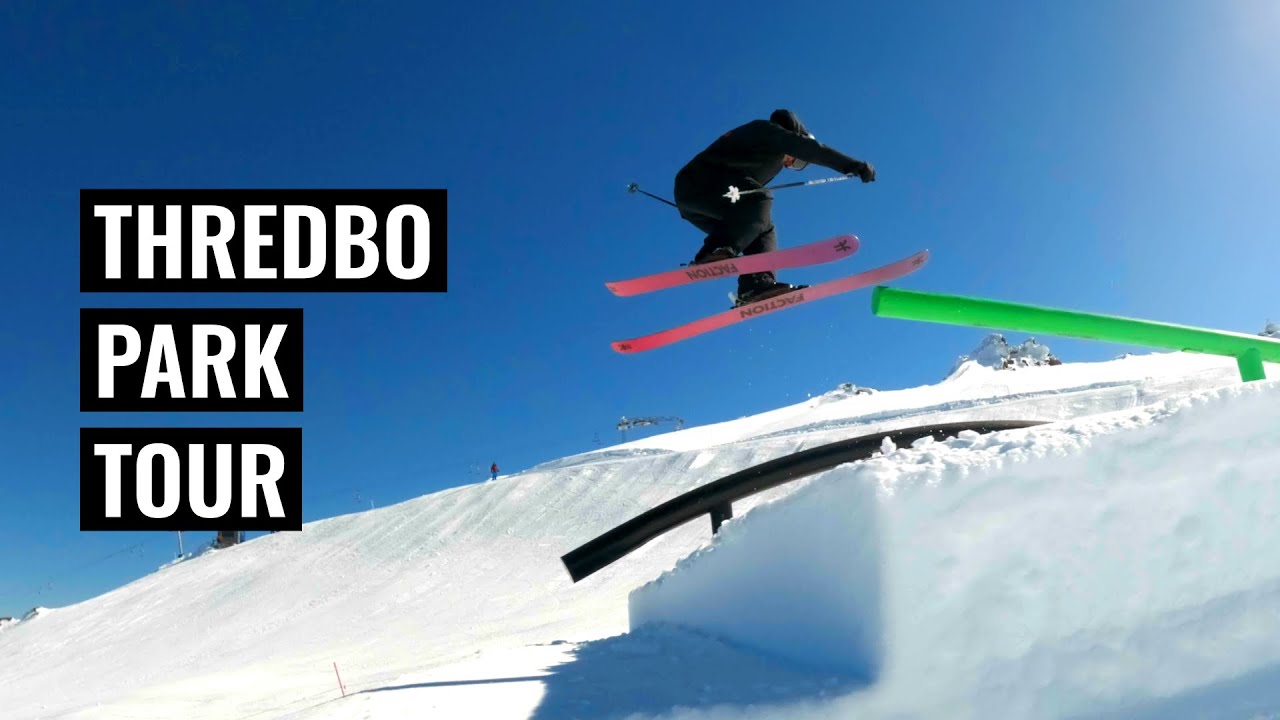
For skipowd.tv, Whistler is a strong editorial anchor because so many freestyle tutorials, terrain park tours and progression clips make sense there. Ski Addiction does not need a massive film studio footprint to be relevant. Its content is built around a place where learning, filming and trying new tricks are part of daily ski culture.
Foam bases reverse camber and training safe construction
Ski Addiction's construction story is about making training realistic enough to be useful while keeping it safe enough for trampolines and practice spaces. The Pro model uses a poplar wood core and laminated top sheet to create a more ski like flex. Reverse camber lets the ski work with the trampoline surface instead of fighting it. Smooth rounded sidewalls and no metal edges help protect the trampoline, the skier and the training area.
The EVA foam base is essential. A normal ski would be dangerous on a trampoline because metal edges and hard bases could cut fabric or injure the skier. Ski Addiction's foam base is designed to grip and cushion without destroying the surface. The universal four hole mounting interface and training bindings give the setup a more locked in feel than simple strap on toys.
The DOLLO version simplifies the system with integrated straps and a fully foam wrapped build. That makes it easier for beginners and younger riders to use, while the Pro version gives more adjustability and response. In both cases, the point is not to replace skiing. It is to make off snow training more specific to skiing than jumping in sneakers.
Choosing Tramp Skis Pro DOLLO or Balance Bar drills
Choosing Ski Addiction gear starts with the type of training. Tramp Skis Pro are the better option for serious freestyle skiers, older riders, coaches, gyms or families who expect frequent use and want more durability, stronger bindings and a more realistic ski feel. They are the premium training setup for repeated spins, flips, grabs and higher intensity trampoline sessions.
DOLLO Tramp Skis are the more accessible choice. They make sense for skiers who want a lower cost entry into trampoline training, younger riders, casual freestyle practice or anyone drawn to Henrik Harlaut's style but not ready for the full Pro setup. The integrated straps reduce complexity, and the lightweight build makes them easier to use for basic air awareness and grab training.
The Balance Bar is the best fit for jib focused skiers who want to practice stance, presses, rail balance, pretzels and edge changes without needing a park feature. A strong training setup can combine all three ideas: trampoline skis for air awareness, balance drills for rails and Ski Addiction tutorials for structure. The product matters most when it is paired with repeated, deliberate practice.
Why Ski Addiction matters to freestyle progression
Ski Addiction matters because it fills a real gap in skiing. Progression is often presented as inspiration, but not enough skiers are given a clear path between watching a trick and safely learning it. Ski Addiction turns that gap into a system: tutorial, drill, training tool, repetition, then snow. That is useful for beginners, park skiers, coaches, parents and advanced riders trying to unlock new tricks.
The brand's importance is niche rather than global hardgoods scale. It does not have the manufacturing history of K2, the binding legacy of Tyrolia or the film influence of Level 1. That is why a 3 out of 5 rating fits. Ski Addiction is highly relevant inside freestyle training and park education, but its influence remains concentrated around tutorials, trampoline gear and skill development.
On skipowd.tv, Ski Addiction belongs as a ski training brand and educational sponsor. Its value comes from helping skiers move from curiosity to repetition, from repetition to confidence, and from confidence to better skiing. In a sport where many riders dream about tricks before they understand the mechanics, Ski Addiction gives progression a place to start.