Oscar Blyth
Canada | Active FIS record: 2017-2019 | Known for: park skiing, halfpipe starts, Ski Addiction tutorials, injury recovery story | Current public record: freeski coach and creator
Golden Roof Park With A Coach’s Eye
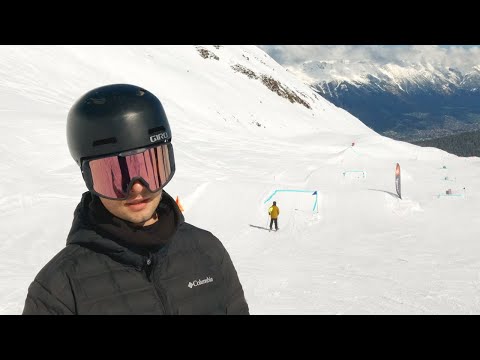
The park lap at Axamer Lizum runs fast when the snow is firm, with small rails, clean takeoffs, and enough repetition for a skier to fix one mistake at a time. Oscar Blyth’s current public ski identity fits that setting: calm explanation, direct demonstration, and freestyle skills broken into pieces that riders can actually practice.
Blyth’s archive is not built around X Games medals or a long World Cup résumé. His story moves from Canadian park-and-pipe competition into coaching, tutorial media, and recovery after serious injuries. The result is a profile that belongs less to contest dominance and more to freeski education.
BC Park And Pipe Before The Tutorials
Before the Ski Addiction videos, Blyth was part of British Columbia’s park-and-pipe pathway. Freestyle BC listed him on the 2017 Canadian Junior National Park & Pipe Team selection, then included him again on the 2017-18 BC Park & Pipe Team.
That pathway placed him among young Canadian skiers working across slopestyle, halfpipe, and big air. The names around him included Luke Smart, Nicholas Suchy, Chase Ujejski, Anders Ujejski, Kai Smart, Kai Martin, and other riders from the same BC freestyle development system.
Nor-Am Halfpipe In 2019
FIS lists Blyth as a Canadian freestyle skier born in 2000, with athlete code 2533062 and a current status of not active. His result sheet is compact, but it gives enough structure to read the competitive phase of his skiing.
The strongest result in the public FIS record is fifth in Nor-Am Cup halfpipe at Stoneham, Quebec, on March 26, 2019. That same season includes Nor-Am halfpipe starts at Calgary, Aspen Snowmass, and Mammoth Mountain, plus a Nor-Am slopestyle start at Le Relais, Quebec.
Mammoth, Calgary, Stoneham, Le Relais
The 2019 venues show what kind of skier he was trying to become. Mammoth Mountain and Aspen Snowmass brought North American halfpipe scale. Calgary and Stoneham gave him Canadian contest rhythm. Le Relais placed him back into slopestyle, where rails, jumps, course speed, and landing control decide the run.
Halfpipe skiing asks for timing on both walls, a clean takeoff from the lip, controlled grabs, and landings high enough to preserve speed. Slopestyle asks for a broader set: rail entries, switch movement, jump axes, grabs, and course management. Blyth’s FIS sheet touches both, but halfpipe is where his best listed result appears.
Cypress And The Earlier Park Archive
Newschoolers also places Blyth in earlier park footage. “SIMPLE. Game of Skate // Eli Saltzberg vs. Oscar Blyth” was published in January 2015, with Cypress Mountain listed as the location and Eli Saltzberg and Oscar Blyth named as the skiers.
That kind of edit gives a different texture from FIS results. A game-of-skate format rewards creativity, trick recall, and fast adaptation. It fits the freestyle learning environment that later becomes central to Blyth’s public role as a coach.
Brain Injury And A Different Kind Of Comeback
Brain Canada published Blyth’s recovery story in December 2023, describing him as a University of Victoria graduate and freestyle skier who had faced multiple brain injuries. The article also notes that, after high school, he deferred university to pursue freestyle skiing with the goal of making the Canadian team.
The same story describes how injury interrupted that path, while also showing that skiing remained part of his life after the competitive push changed. That context matters because it explains the tone of his later work. His tutorials do not sell reckless progression. They are built around steps, confidence, and controlled movement.
Innsbruck And Frank Creative
Brain Canada also reported that Blyth planned to move to Innsbruck, Austria, with friends in the new year and collaborate through Frank Creative. Innsbruck gives a skier access to a dense freestyle map: Nordkette above the city, Axamer Lizum nearby, and a wider Tyrolean park culture within driving distance.
That move aligns with his current public archive. Several Ski Addiction tutorial videos connected to Blyth were filmed around Golden Roof Park and Axamer Lizum. Instead of returning through contest bibs, he appears through teaching clips, camera work, and a European park environment built for repetition.
Ski Addiction And The Teaching Pivot
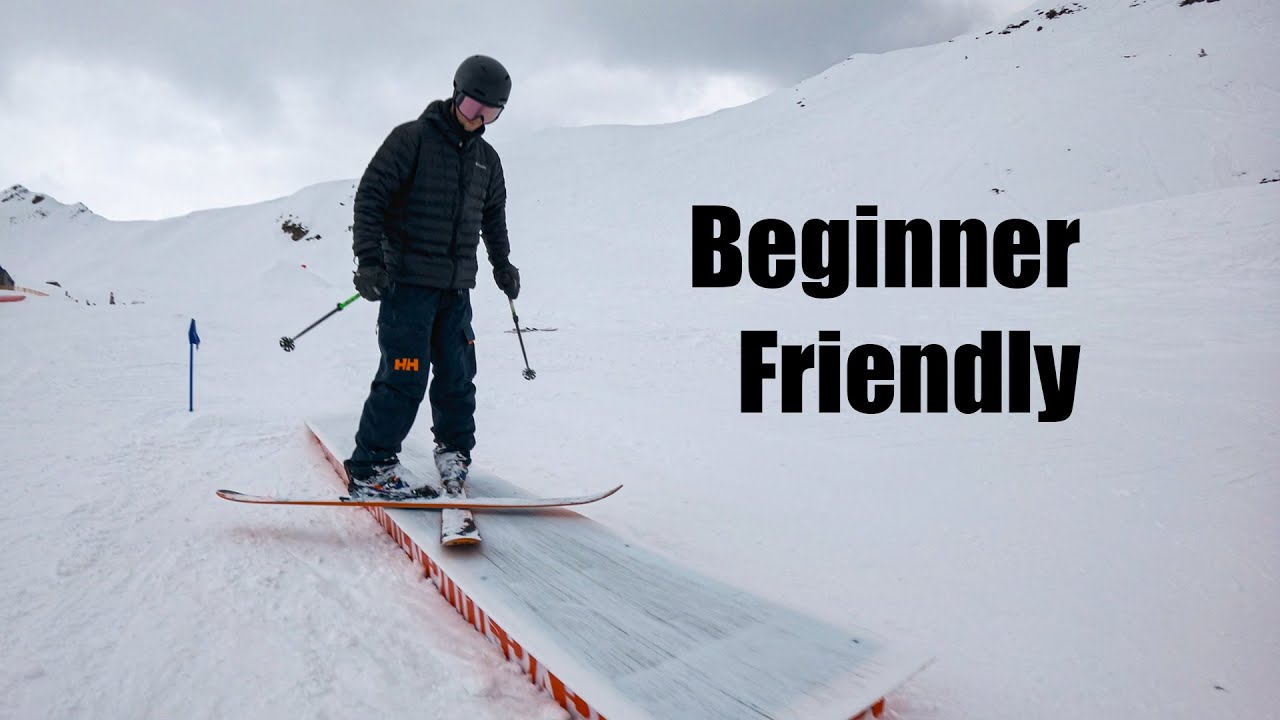
Ski Addiction lists Blyth as coach on several 2024 tutorial pieces, including “The Ultimate Guide to Skiing Switch,” “The Ultimate Guide to Skiing Rails,” and “How Not To Be Intimidated By The Terrain Park.” Skipowd also links him to videos on boxes, weekend tricks, and tricks that can be done anywhere on the mountain.
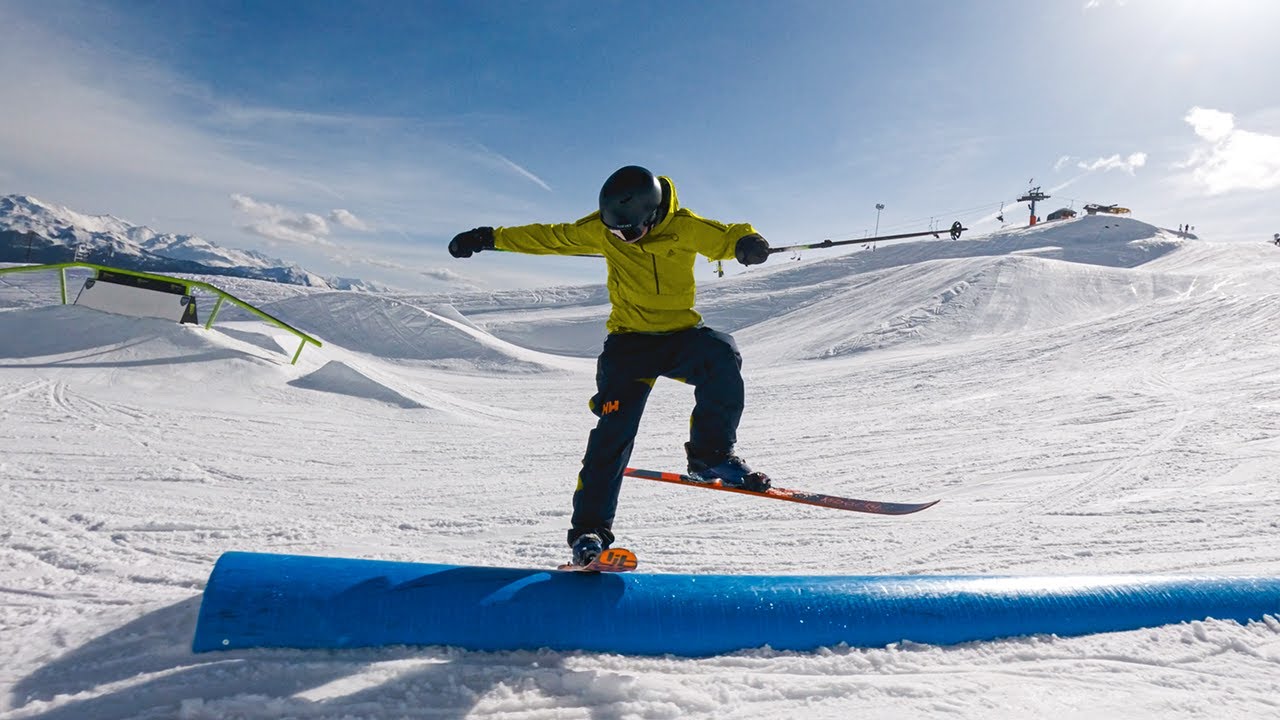
Those subjects are practical. Switch skiing teaches balance over the tails, shoulder discipline, and blind-side awareness. Rails demand flat bases, committed lock-ins, controlled exits, and patience with speed. Terrain park confidence depends on feature choice, small progressions, and knowing when not to rush.
How Blyth’s Skiing Reads Now
Blyth’s current public skiing is easiest to read through demonstration rather than competition. His archive points toward rail basics, box tricks, switch skiing, grabs, butters, small rotations, side hits, and clean park movement for skiers still building confidence.
That is not a smaller role than competing; it is a different one. A good tutorial skier has to make technique visible. The viewer needs to see the approach, stance, edge change, pop, landing, and correction. Blyth’s value now comes from turning freestyle skiing into something repeatable.
The Current Public Shape
The verified record gives Blyth three layers: BC park-and-pipe development, a short FIS/Nor-Am halfpipe and slopestyle career, and a later shift into coaching media after injuries. His FIS status is not active, but his ski presence continues through Ski Addiction and instructional content.
The accurate profile is therefore narrow but useful. Oscar Blyth is a Canadian former FIS park-and-pipe skier whose public role now sits in freeski coaching, terrain park tutorials, recovery storytelling, and progression-focused media filmed around Whistler-linked and Innsbruck-area ski culture.