Banger Park Scharnitz
Alps
Austria
Summer and autumn freestyle training venue in Scharnitz Tyrol | Known for: Small Jump, Medium Jump, XL Jump, Side Hits Jump, Jibbline, airbag landings, pro and public sessions, Scharnitz rail access, and off season trick progression | Season: May to October or November depending on schedule | Best for: park skiers, big air riders, air awareness, preseason training, return to snow sessions, and crews who need repeatable airtime before winter
Scharnitz Airbags And The Off Season Freeski Problem
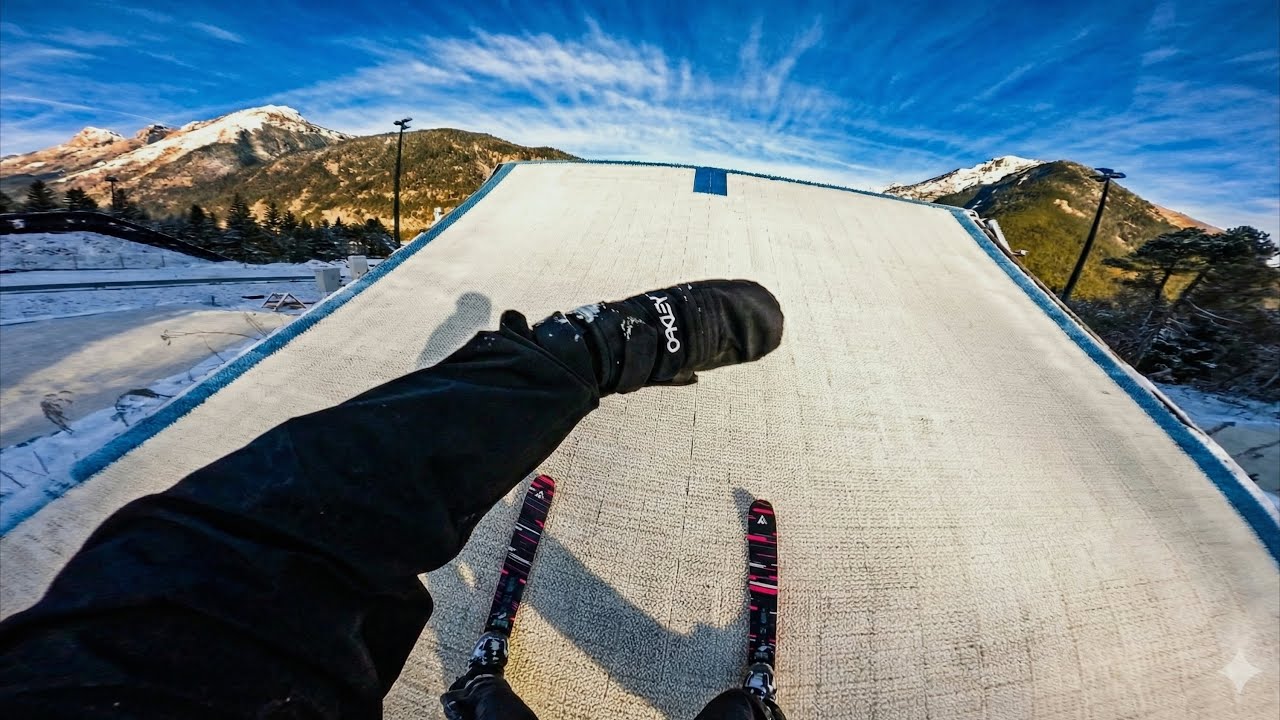
Banger Park Scharnitz sits at Feldweg 390 in Scharnitz, Tyrol, close to the Seefeld plateau and within practical reach of Innsbruck. The venue solves a very specific freeski problem: how to keep progressing when the snow season is over, glacier parks are limited, and hard landings make new tricks expensive. Instead of a piste map, it gives riders dry-slope inruns, shaped takeoffs, large airbag landings and a controlled session format.
The existing skipowd.tv page for Banger Park Scharnitz already identifies it as an Alps and Austria freestyle training location with video content attached. That is the right category. This is not a resort, not a backcountry zone, and not a winter snowpark. It is a dedicated off-season venue where skiers and snowboarders can repeat jumps, adjust axes, lock grabs, test landings and arrive at winter with fewer unknowns.
Small Medium XL And Side Hits As A Progression Ladder
The official Banger Park setup is built around several feature sizes: Small Jump, Medium Jump, Side Hits Jump, XL Jump and Jibbline. That structure is the venue’s strongest point. A rider does not have to step directly from trampoline or foam-pit awareness into a full pro jump. The Small Jump gives beginners and cautious riders a first controlled takeoff. The Medium Jump gives more airtime for skiers who already understand pop and landing position. The XL Jump and Side Hits Jump move into the pro training lane.
The separation between public and bookable pro features is important. Public access covers the smaller jump and jibbline environment, while the larger XL and Side Hits sessions require booking. That keeps traffic more predictable and helps protect the quality of the session. Banger Park works because the feature ladder is obvious. A skier can start with straight airs, grabs and 360s, then move toward off-axis tricks, double rotations or creative side-hit movement only when speed, takeoff posture and air control are ready.
Jibbline Balance Before The Big Ramp
The Jibbline gives Banger Park more value than a jump-only airbag facility. Freestyle progression is not only about sending bigger rotations. Skiers also need rail contact, balance, press control, edge awareness and the patience to make smaller tricks clean. The Jibbline gives riders a place to work on that technical side while still staying inside the same training venue.
That matters for park skiers because many tricks fail before the jump. A rider who cannot hold a clean switch approach, balanced pop or centered rail position will carry those problems into the air. Banger Park’s best use is therefore not endless big-jump attempts. It is a full session loop: warm up on the jibbline, test small airtime, move to medium hits, review video, then decide whether the XL or Side Hits are appropriate. The facility is most productive when riders treat it like a gym, not like a dare.
Tyrol Timing Between Stubai And Winter
The venue’s calendar gives it a strong Austrian role. Banger Park opens through the warm season, while the wider Austrian freeski map shifts toward glacier and resort snow in autumn and winter. That makes it a natural bridge between summer dryland training and on-snow venues such as Stubai Zoo, Kitzsteinhorn and Absolut Park.
That sequence is useful for riders building a season. May and June can be used to rebuild air awareness after winter. July and August can focus on new axes, grabs and confidence. September and October can turn the session into preseason preparation, where tricks need to become repeatable enough to transfer to glacier snow. Inside the broader Austria profile, Banger Park is not the biggest ski venue. It is one of the most practical off-season tools.
John Davison And The POV Training Archive
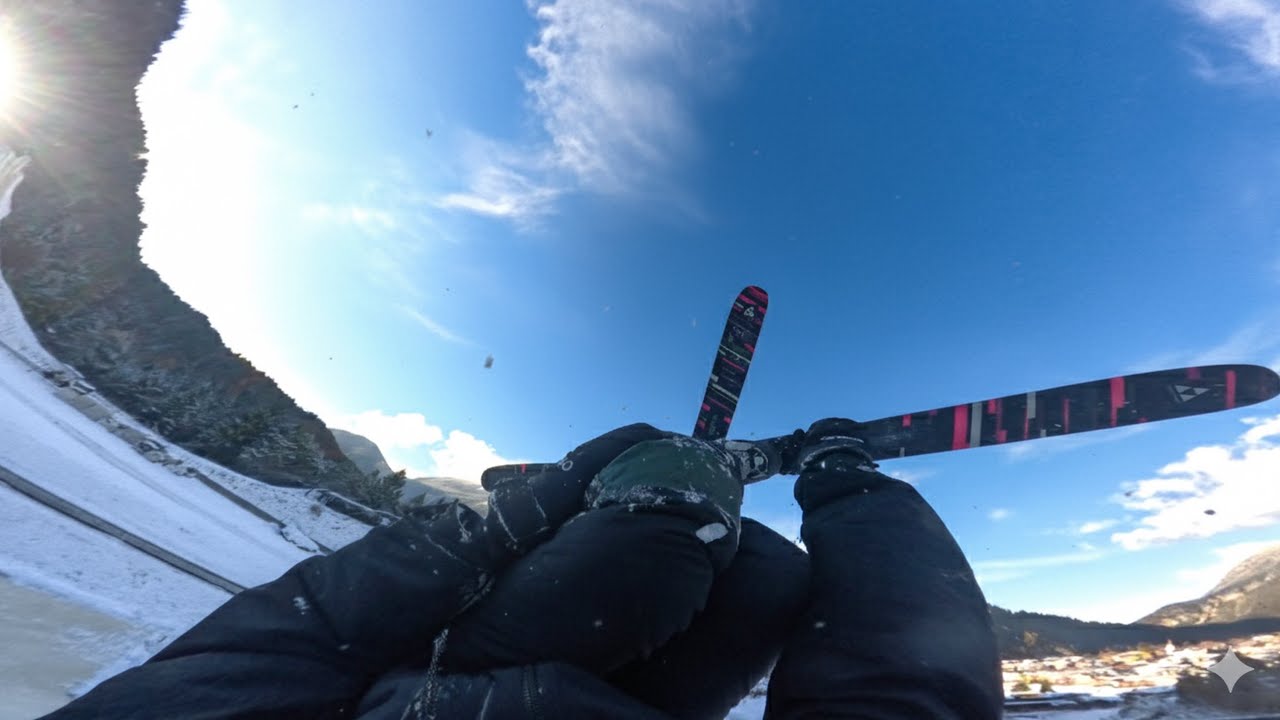
John Davison gives the skipowd.tv page a direct video identity. His Banger Park Scharnitz uploads include POV progression content around first jump sessions and XL Jump attempts, which fits the venue perfectly. The point is not cinematic powder or resort discovery. It is visible learning: speed checks, fear management, airbag landings, repeated attempts and the small technical adjustments that make park progression understandable.
That type of footage is valuable for skipowd.tv because Banger Park is an educational location as much as an action location. Viewers can see why airbag training matters: a skier can attempt larger features without the same consequence as a hard snow landing, then use video feedback to adjust pop, axis, grab timing and landing posture. The best Banger Park clips should be tagged around POV, big air, tutorial, progression and preseason rather than normal resort skiing.
Matej Svancer And The Pro Training Signal
Matej Svancer appears naturally in the Banger Park context because the venue is built for the kind of air awareness required by modern big air and slopestyle skiing. Seefeld tourism materials feature comments from high-level riders including Svancer, Lara Wolf and Sabrina Cakmakli, which confirms that the venue is not only a novelty for amateurs. It sits inside the training reality of European freestyle athletes.
That does not make Banger Park a World Cup venue. Its importance is different. It is a preparation environment where athletes can test trick ideas before winter, rebuild confidence after injury, and repeat takeoffs without waiting for perfect park conditions. In modern freeskiing, off-season airbag facilities have become part of the competitive arms race. Banger Park belongs in that system because it gives riders volume, safety margins and a feature scale that can actually matter once they return to snow.
Scharnitz Station And Seefeld Plateau Logistics
Scharnitz makes the venue easier to use than many private training facilities. Seefeld tourism lists Banger Park in Scharnitz and notes that the regional railway and S-Bahn connection serves Scharnitz, with the park about a 15 minute walk from the station. That matters for European riders because summer training does not have to depend completely on vans, trailers or remote glacier roads.
The best base depends on the trip. Scharnitz is the simplest local option. Seefeld adds more tourism infrastructure and mountain-town services. Innsbruck gives the strongest city base, with airport, rail, gym, trampoline, skate, university and mountain access. A productive Banger Park trip should be scheduled rather than improvised. Book the correct session if the XL or Side Hits are the goal, arrive early, bring dry-slope-ready clothing, check equipment, warm up slowly and leave enough time for video review between attempts.
Airbag Safety And Session Discipline
Banger Park reduces landing consequence, but it does not remove risk. Riders still need helmets, proper ski equipment, controlled speed and a realistic trick plan. The airbag can absorb mistakes, but it cannot fix poor takeoff mechanics, fatigue or a rider stepping into a feature that is too large too soon. Public sessions and pro sessions should be treated differently because feature size changes the physical demand.
The best etiquette is simple. Call your drop, wait for the landing to clear, move off the bag quickly, keep filmers out of runouts, respect reshaping or maintenance holds, and stay on the line that matches current ability. Tricks should be organized into short sets rather than endless random attempts. If timing starts to drift, move back to a smaller feature. The smartest skiers use Banger Park to make winter safer and cleaner, not to force a clip before the body is ready.
The Banger Park Scharnitz Use Case For Freeskiers
Banger Park Scharnitz matters because it gives freeskiers one of the hardest things to find: repeatable airtime in the off-season. The concrete pieces are clear: Small Jump, Medium Jump, XL Jump, Side Hits Jump, Jibbline, airbag landings, public and pro session formats, Scharnitz rail access, Seefeld plateau location and a verified skipowd.tv video footprint with John Davison progression content.
June through August is the best window for learning new tricks without winter pressure. September and October are the strongest preseason months, when riders can turn summer attempts into repeatable movements before glacier or resort parks open. For skipowd.tv, the strongest tags are Banger Park Scharnitz, Banger Park, Scharnitz, Tyrol, Austria, airbag, dry slope, freestyle training, big air, XL Jump, Side Hits, Small Jump, Medium Jump, Jibbline, preseason training, summer skiing, John Davison, Matej Svancer and park progression. The venue’s concrete value is simple: it turns off-season airtime into a structured training block that can make the first winter park days far more productive.