Stubai Zoo
Alps
Austria
Glacier snowpark venue on the Stubai Glacier in Tyrol Austria | Known for: Gaiskarferner XL autumn setup, Pro Line, Medium Line, Jib and Easy Lines, Gamsgarten Spring Garden, Prime Park Sessions, FIS Freeski World Cup Stubai, and early season training above 3000 meters | Season: October to May on the wider glacier with Stubai Zoo focused on autumn and spring park windows | Best for: slopestyle riders, rail crews, preseason filming, World Cup preparation, and European freestyle trips
Gaiskarferner At 3100 Meters And The Preseason Signal
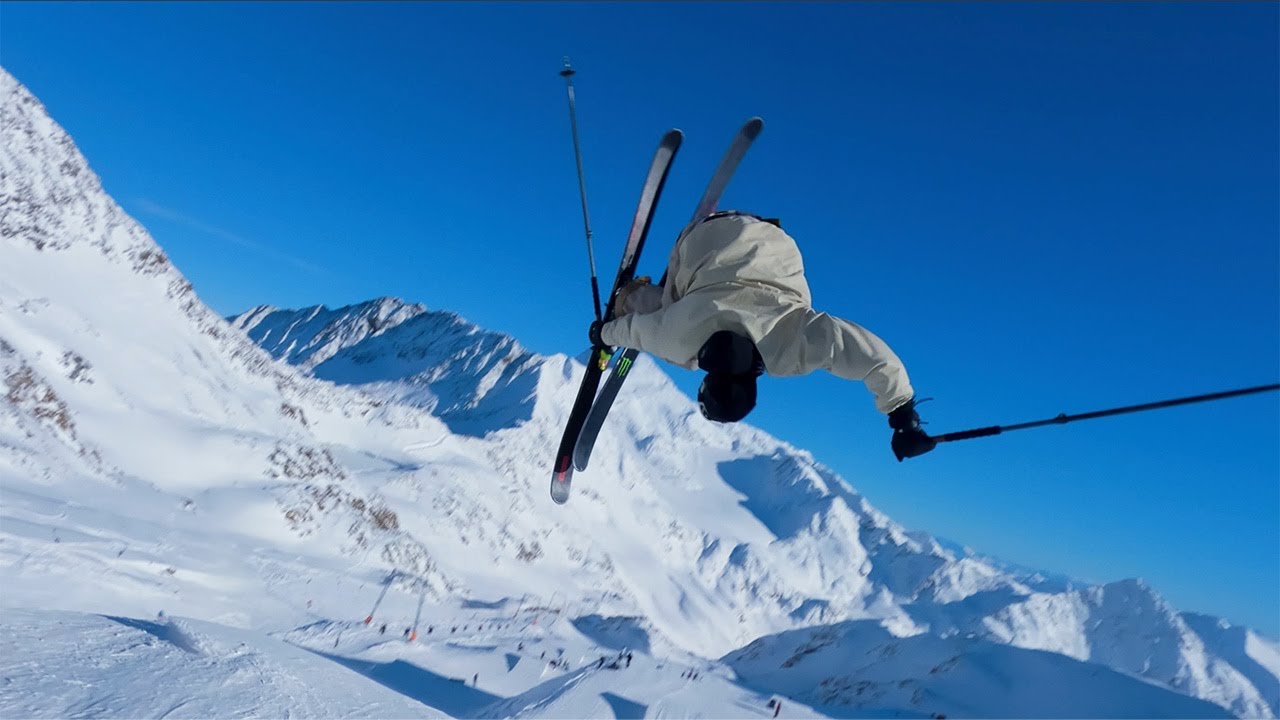
Stubai Zoo sits high on the Stubai Glacier above Neustift im Stubaital, with the autumn build positioned on the Gaiskarferner around 3100 meters. That elevation is the reason the venue carries so much weight in European freeskiing. While many lower Alpine parks are still waiting for winter, Stubai can build jump lines, rail sections, and early-season training lanes during the October and November window.
The venue belongs to Stubai Glacier, a large glacier resort in Tyrol marketed with skiing up to 3210 meters and a winter season that can stretch from October into May. The snowpark does not function as a side feature hidden under a chairlift. It is one of the resort’s clearest international identities, especially when national teams, filmers, and pro crews arrive before the Northern Hemisphere competition calendar fully opens.
XL Lines Before Winter Reaches The Valley
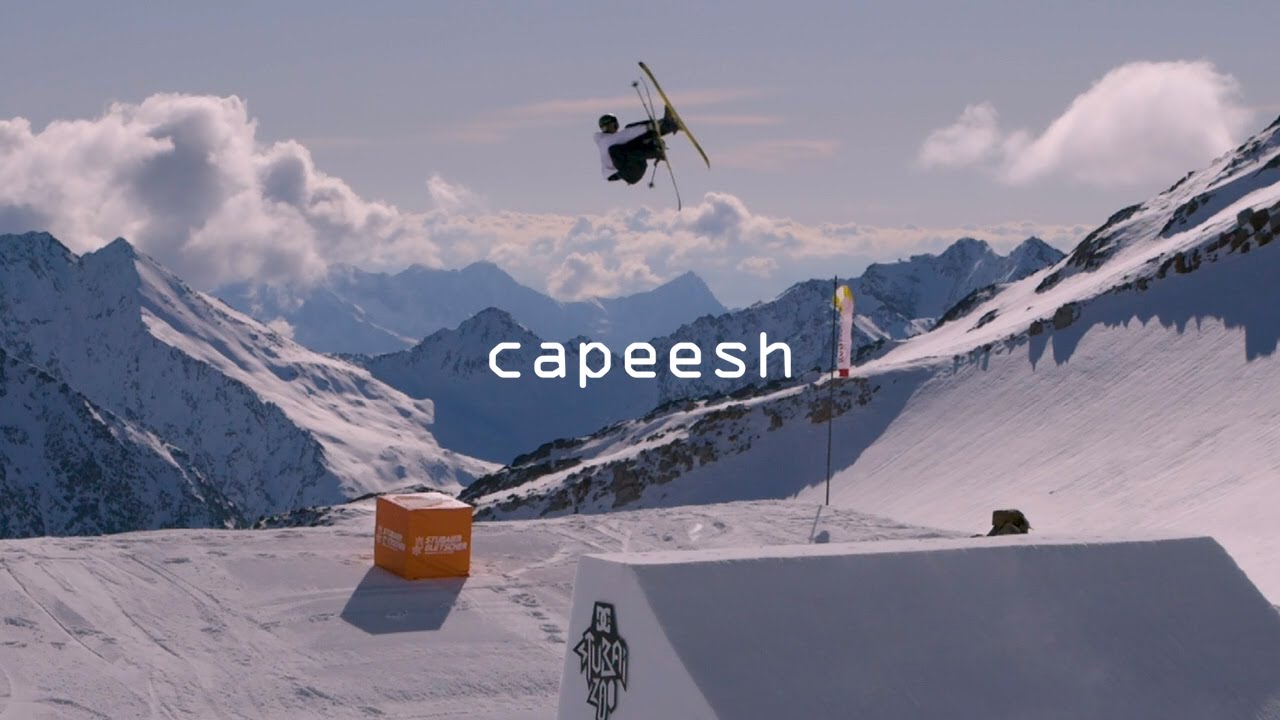
The autumn version of Stubai Zoo is built around a large XL setup on Gaiskarferner with Pro, Medium, Jib, and Easy Lines. That structure gives the venue a full progression ladder. Beginner and intermediate riders can find small features and controlled approaches, while elite athletes use the Pro Line for speed, amplitude, and slopestyle preparation before World Cup starts.
The park’s seasonal shift is important. Once winter and spring change the snowpack and sun angle, the focus moves toward the Jibs and Kicks Spring Garden at Gamsgarten. That setup trades some of the full autumn contest feeling for variety: small and medium kickers, tubes, rail combinations, and larger hips. The result is a venue that can work in two different ways. In autumn, it behaves like a glacier training lab. In spring, it becomes a high-altitude session zone where public riders can chase softer landings and longer light.
Prime Line Speed And Schneestern Shape Discipline
Schneestern’s role helps explain why Stubai Zoo holds its reputation. The company documents the park as a project running since 2006, with design, construction, support through the season, and on-site shaping. That consistency matters because a glacier park lives or dies through takeoff angles, landings, rail lips, speed control, and daily maintenance. At 3100 meters, wind and light can change the feel of a feature quickly.
Prime Park Sessions adds a more exclusive layer. The camp uses a Prime Line beside the Pro Line, with three large kickers reserved for participating athletes during the session window. The official Stubai material describes the format as a preparation block for pro freeskiers and snowboarders before the World Cup season. For the public, that creates a useful atmosphere even when the Prime Line itself is closed. The best riders are visible, the park standard rises, and every public lap happens beside a serious performance environment.
FIS Slopestyle Starts The Season Here
The competition layer turns Stubai Zoo from a strong park into a major venue. The FIS Freeski World Cup Stubai returned to the Stubai Zoo Snowpark from November 19 to 22, 2025, with the resort describing it as the eighth edition and the season opener. FIS also framed Stubai as the first slopestyle World Cup of the 2025 26 season, with the event serving as the Northern Hemisphere slopestyle opener in seven of the previous eight World Cup seasons.
That record matters because athletes do not treat Stubai as a warmup park with no consequences. A good Stubai run can set the tone for an entire season. The 2024 men’s World Cup final placed Colby Stevenson first, Andri Ragettli second, and Tormod Frostad third, with Mac Forehand, Luca Harrington, Birk Ruud, Hunter Henderson, and Matej Svancer also inside the top eight. Stubai’s early date means tricks arrive there before they become familiar elsewhere.
Ferdinand Dahl Clips And The Modern Park Media Loop
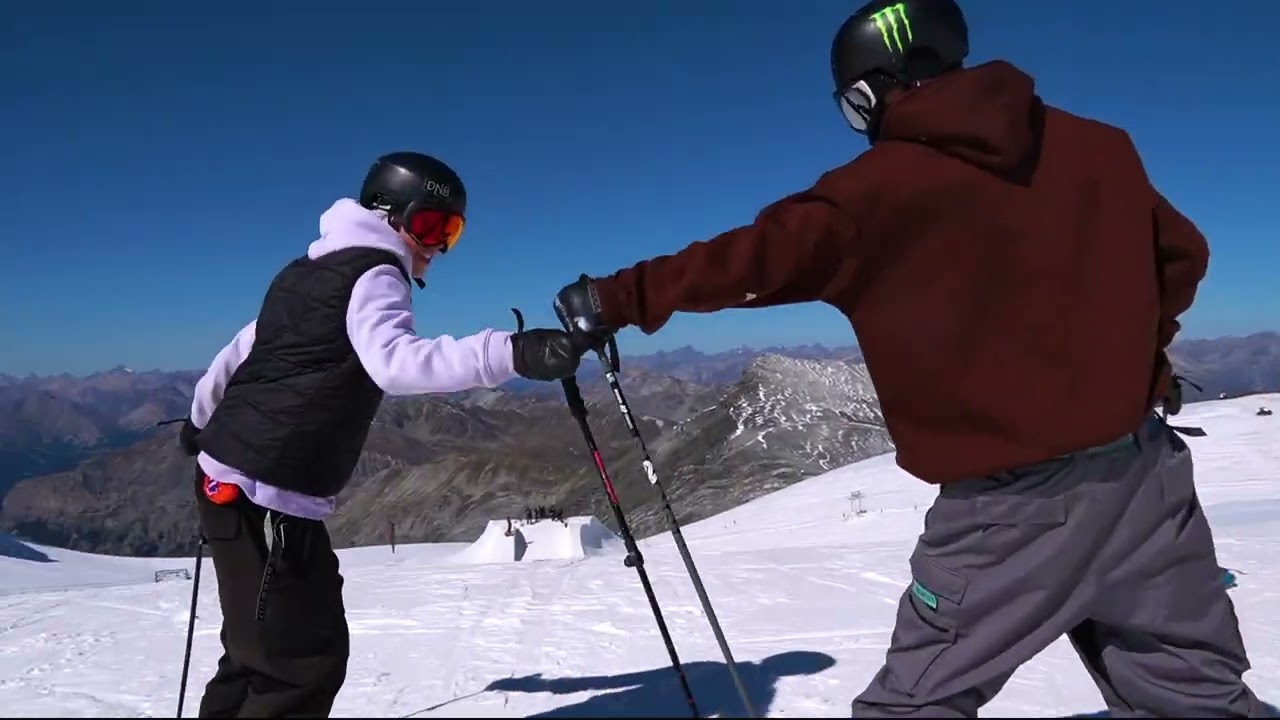
Stubai Zoo also carries strong media value because the park works for short edits, team clips, rail-heavy sessions, and preseason trick checks. Ferdinand Dahl appears naturally in this context through Stubai-linked footage and the broader Capeesh and HOTLAPS language around modern park skiing. The venue gives that style a clean canvas: predictable rails, glacier light, shaped takeoffs, and enough early-season traffic to make sessions feel current.
The relationship between contest skiing and media skiing is especially clear at Stubai. One week can include athletes training for FIS scores, crews collecting sponsor content, juniors watching the Pro Line, and public riders using the Easy or Medium lines to build basic trick volume. Monster Energy fits that media lane through park edits and athlete projects connected to Stubai clips. The park is not only a place where tricks are judged. It is a place where tricks are introduced to the winter audience.
Innsbruck Access And The Mutterberg Upload
Logistically, Stubai Zoo is one of Europe’s easier elite glacier parks to reach. The resort sits at the head of the Stubai Valley, with Innsbruck close enough for a city-based trip and the Mutterberg valley station serving as the main upload point. Stubai tourism describes the glacier as around 45 minutes from Innsbruck, which makes it practical for athletes, teams, and filmers who need airports, gyms, hotels, and bad-weather options near the mountain.
The on-mountain rhythm depends on weather and which park zone is active. Autumn sessions focus on Gaiskarferner, where light, wind, and snow firmness decide how early riders should step into larger features. Spring sessions shift the attention toward Gamsgarten, where softer snow and a more public-friendly layout can make repeated laps easier. Compared with Absolut Park, Stubai Zoo feels more glacier-specific and preseason-driven. Absolut Park has a longer full-winter campus feel, while Stubai is sharper as a high-altitude early-season and spring training venue.
Glacier Weather Park Rules And Speed Checks
Stubai Zoo asks riders to understand glacier conditions before they think about trick lists. Flat light can make takeoffs difficult to read. Wind can change speed in the space of one lap. Cold mornings can make landings firm, while sun can soften them quickly by midday. Those shifts are normal at altitude, but they punish riders who move too fast through progression.
Park etiquette matters even more during Prime Park Sessions and World Cup periods. Inspect features before dropping, respect closed lines, stay clear of reshaping work, and leave landings immediately. Public riders should not assume that watching a pro clear a feature gives them the right speed. The safe process is slower: test the run-in, watch several riders, check the lip, build the approach, and step up only when the landing and visibility make sense. Stubai’s quality comes from repetition, not rushing.
The Stubai Use Case For Freeskiers
Stubai Zoo matters because it solves a precise freeski problem. Riders need snow before winter, contest features before the first major starts, and a place where tricks can be repeated in a controlled environment. Stubai gives them Gaiskarferner altitude, XL autumn lines, a structured progression system, Prime Park Sessions, and a World Cup course that sits directly inside the season-opening conversation.
The best months depend on the goal. Late October through November is the strongest window for elite slopestyle training, World Cup energy, and preseason video output. March and April are better for softer landings, public progression, and spring park rhythm at Gamsgarten. A good Stubai trip should stay flexible around wind, light, and lift status, but the venue’s value is concrete: a 3100 meter glacier snowpark, Pro, Medium, Jib, and Easy Lines, a Prime Line for invited athletes, and one of Europe’s most important early-season slopestyle stages.