Norway
Scandinavia
Norway
Nordic freeski destination built around city parks, night laps, glacier sessions, Olympic riders, and compact high-volume resorts | Known for: Skimore Oslo, Hafjell, Hemsedal, Trysil, Fonna Glacier, X Games Norway, Capeesh Fashion House, Øystein Bråten, Ferdinand Dahl, and a rail-heavy Scandinavian park culture | Season: November to May depending on region, with summer glacier windows at Fonna | Best for: park riders, rail crews, night sessions, creative street skiing, early-season training, and Nordic resort discovery
Oslo Lights And The Norwegian Park Engine
Norway’s freeski identity begins with a contradiction: the mountains are not always huge, but the rider output is massive. The country has produced Olympic champions, X Games medalists, style-led park crews, street skiers, and video brands from relatively compact terrain. That makes Norway different from a classic Alpine destination. Its strength is repetition, lighting, cold snow, and the habit of turning small vertical into technical skiing.
The most visible urban anchor is Skimore Oslo, the capital’s lift-accessed hill at Tryvann. Official Skimore material lists 11 lifts, 18 runs, a 381 meter drop height, floodlights on every run, and a usual season from November or December to Easter. Those numbers explain the city’s value. A skier can ride after school, after work, under lights, and still stay connected to a real park ecosystem.
Tryvann Wyller And The City Session Model
Skimore Oslo is not only convenient. It has shaped how Norwegian freeskiing looks on camera. The Wyller side gives steeper fall-line laps and speed checks, while Hyttli and the park zones provide the short-lap freestyle logic that works for rails, small jumps, slopestyle-style practice, and crew filming. The hill’s proximity to downtown Oslo makes skiing feel like part of city life rather than a separate mountain trip.
That is why Norway produces so much technical park language. A skier does not need a week-long trip to repeat a rail trick. A normal evening can become a session. Cold surfaces keep rails fast, lights extend the usable day, and the short lift return makes every attempt count. For skipowd.tv, Oslo-based footage should be treated as urban resort content: night skiing, park laps, rails, Capeesh edits, city access, and Norwegian style culture.
Hafjell And The X Games Norway Memory
Hafjell gives Norway one of its strongest international event markers. The resort hosted X Games Norway in 2017, with slopestyle and big air on the program, and again in 2020, when Big Air, Slopestyle, and Knuckle Huck brought the event back to the Lillehammer region. The 2017 arena was built in the lower part of Hafjell and stretched for about 600 meters, giving the resort a visible place in modern freeski competition history.
Hafjell’s park system reinforces that identity. Official resort material describes Backyard near the gondola exit at Mosetertoppen, with its own lift, about 500 meters of park terrain, and three lines for different levels. The larger Hafjell park ecosystem also carries Frontyard and Main Park references, making it one of Norway’s most important freestyle training zones. For riders who need more than city laps, Hafjell is the logical step up: bigger features, cleaner lines, and a history tied directly to global competition footage.
Hemsedal And Trysil As The Big Resort Anchors
Hemsedal and Trysil give Norway its broader resort base. Hemsedal official information lists 20 lifts, 51 slopes, an 810 meter vertical drop, and terrain across three peaks, with skiing from 620 meters to 1450 meters. The park program includes Snow Park Red on piste 20 with larger jumps and rail elements, plus Snow Park Blue on piste 33 for riders building confidence on jumps, corners, boxes, and rails.
Trysil is Norway’s largest ski resort, with official SkiStar data listing 81 kilometers of groomed slopes, 69 slopes, and 41 lifts. Its newer SkiStar Snow Park, launched for the 2024 25 season, is promoted as one of Norway’s strongest park offerings, with lines for beginners through experienced riders and World Cup standard ambitions. These two resorts matter because they give Norwegian freestyle more terrain scale than the city hills. Oslo creates the session habit. Hemsedal and Trysil give that habit more space.
Fonna Glacier And The Summer Freestyle Window
Fonna Glacier Ski Resort gives Norway a different kind of freeski relevance. Located on the Folgefonna Glacier near Jondal, it operates as a summer ski center with alpine skiing, freestyle skiing, snowboard park terrain, cross-country trails, and views toward the Hardangerfjord, the glacier, and the North Sea. That summer role makes it a valuable bridge when the rest of Norway’s winter resorts have closed.
For park riders, Fonna’s value is timing. Spring and summer snow are not about deep powder or big resort mileage. They are about keeping legs alive, filming soft-snow features, testing rails, and staying connected to snow while the main season is over. In a Norwegian freeski map, Fonna plays a role similar to other summer or glacier venues in Europe: not the biggest mountain, but a crucial calendar tool for riders who want year-round movement.
Øystein Bråten And The Olympic Park Lineage
Øystein Bråten gives Norwegian freeskiing one of its clearest international anchors. His skipowd.tv profile identifies him as a Norwegian slopestyle specialist, 2018 Olympic slopestyle gold medalist, X Games Aspen and X Games Norway slopestyle gold medalist, World Cup podium skier, and later Jib League co-founder. That path says a lot about Norway’s freeski identity.
Bråten’s career links formal contest success with a more creative, rider-led culture. He was not only a score-sheet skier. His skiing helped normalize rail-heavy style, smooth landings, and playful park interpretation inside high-pressure competition. That connection matters for a country profile because Norway’s best freeskiing often sits between systems: national-team structure, city parks, X Games exposure, video crews, and rider-created formats. Bråten stands at the center of that bridge.
Capeesh And The Norwegian Style Economy
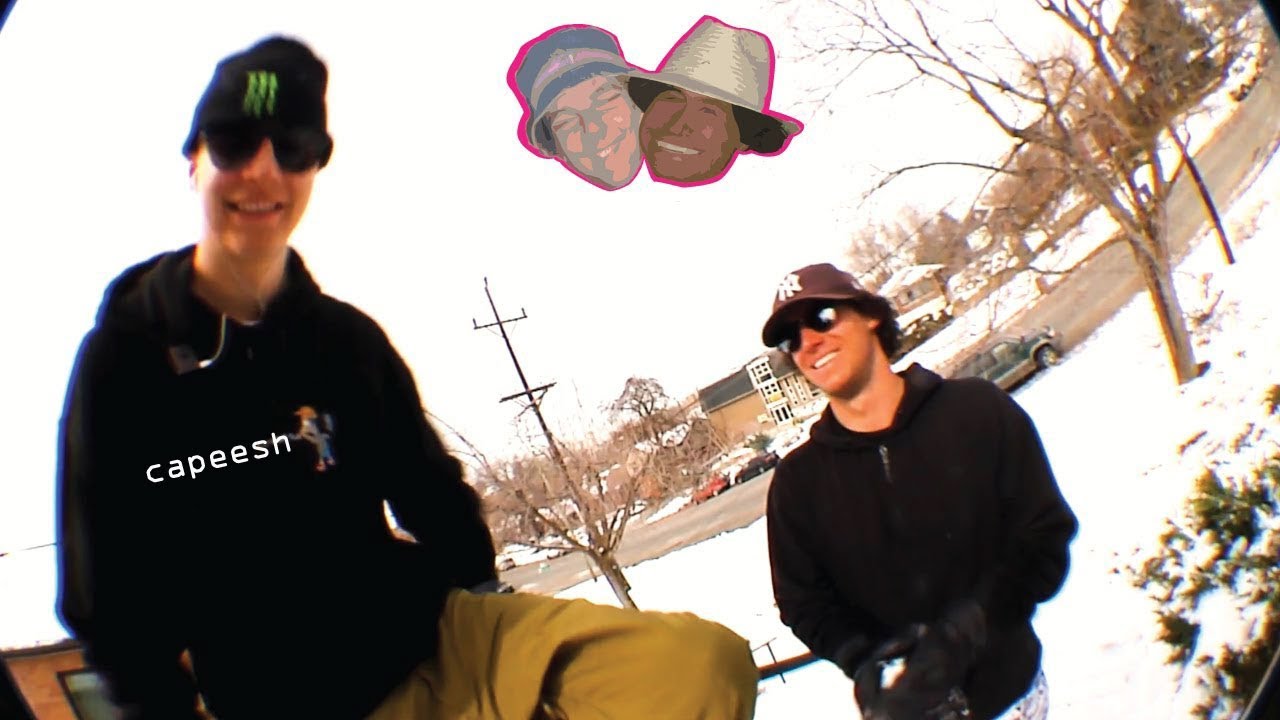
Capeesh Fashion House gives Norway a modern ski-culture identity beyond medals. The skipowd.tv sponsor page describes Capeesh as a Norwegian ski apparel and streetwear label created in 2020 by Ferdinand Dahl and two childhood friends, tied to park skiing, loose silhouettes, rider-led media, and a playful visual language. That makes Capeesh important as culture, not only clothing.
Ferdinand Dahl, Øystein Bråten, and Johan Berg appear together in Skimore Oslo-linked Capeesh footage, which makes the city hill feel like a real scene rather than a training footnote. The visual language is recognizable: baggy fits, rail tricks, casual camera rhythm, technical park moves, and edits that look closer to skate clips than traditional resort marketing. Norway’s current freeski image depends heavily on that style layer.
Mathias Høgås Kryptoskier And The Video First Map
Mathias Høgås represents Norway’s emerging creative park lane. His skipowd.tv profile connects him to Norwegian domestic freeski results, SuperUnknown XVII, SuperUnknown 21, SLVSH Cup Grandvalira 2026, and a style-led public identity built around rails, park sessions, and video selection rather than a major World Cup medal archive. That is an important category for Norway because the scene is not only Olympic champions.
Eirik Moberg - Kryptoskier expands that video-first map through ON3P street films, KimboSessions, a Krypto Pro ski identity, and creative rail-focused footage. His profile shows how Norwegian skiers can move from domestic parks into international street and film projects without following a standard federation route. Together, Høgås and Moberg show the depth under the headline names: Norway keeps producing skiers whose value is style, creativity, and footage.
Norway In The Scandinavian Freeski Circuit
Norway should be read alongside nearby Scandinavian and Nordic scenes. Finnish urban skiing around Jyväskylä and Real Skifi proves how compact city terrain can produce original ski ideas. Sweden’s Riksgränsen shows the late-season Arctic freeride side of the region. Norway sits between those identities: stronger resort parks than many Nordic neighbors, major Olympic and X Games visibility, and enough city access to keep the scene alive between big trips.
This context matters for skipowd.tv metadata. Norway footage may look like a lit rail session in Oslo, a big Hafjell park jump, a Hemsedal slopestyle lap, a Trysil resort edit, a Fonna summer session, or a street-heavy Capeesh clip. Those videos should not all be forced into one category. The country is best indexed as a region with multiple micro-scenes: Oslo city park, Lillehammer Hafjell contest heritage, mountain-resort progression, glacier summer skiing, and creative Norwegian video culture.
Varsom Bulletins And Cold Weather Discipline
Norway’s safety profile changes sharply by terrain. City and resort parks create traffic, rail, lighting, speed, and cold-surface risks. Riders should inspect features, call drops, clear landings, avoid stopping under knuckles, and respect shaping closures. Night sessions need extra attention because contrast, shadows, ice, and fatigue can change a simple rail or jump quickly.
Backcountry and off-piste terrain require a different standard. Varsom publishes avalanche warnings daily before 4 pm from 1 December to 31 May, with regional avalanche terrain maps, observations, and mobile tools. Skiers leaving marked or controlled terrain need beacon, shovel, probe, trained partners, current forecasts, and conservative route choices. Norway’s mountains can look rounded and friendly compared with the Alps, but coastal weather, wind slabs, persistent weak layers, and fast-changing visibility can make them serious.
The Norway Use Case For Freeskiers
Norway matters because it proves that freeski culture can come from repetition as much as from massive terrain. The concrete pieces are strong: Skimore Oslo with 18 floodlit runs and 381 meters of drop height, Hafjell with X Games Norway history, Hemsedal with 20 lifts and an 810 meter vertical drop, Trysil with 81 kilometers of slopes, Fonna Glacier for summer freestyle, Capeesh Fashion House, Øystein Bråten, Ferdinand Dahl, Mathias Høgås, Eirik Moberg, and a national habit of turning small hills into technical laboratories.
January and February are the best months for cold park speed, night sessions, and reliable resort surfaces. March and April are useful for softer landings, brighter filming days, and late-season mountain trips. May and summer shift attention toward Fonna when conditions allow. For skipowd.tv, the strongest tags are Norway, Skimore Oslo, Tryvann, Wyller, Hafjell, Hemsedal, Trysil, Fonna Glacier, Folgefonna, Capeesh Fashion House, Øystein Bråten, Ferdinand Dahl, Johan Berg, Mathias Høgås, Eirik Moberg, park, rail, night skiing, X Games Norway, summer skiing and Nordic freeski culture.