Season Equiment
United States
Oregon-born ski and snowboard hardgoods brand | Founded in 2020 by Eric Pollard and Austin Smith | Known for: Nexus, Kin, Pass, Forma, Aero, Primer, black timeless graphics, gender-inclusive sizing, ski/snowboard equality and the Lifetime Service Pass | Focus: simplifying winter equipment through versatile shapes, fewer model choices, long product life and service-first ownership.
2020 Oregon origins and the ski-snowboard reset
Season Eqpt. is not a traditional ski-only brand, snowboard-only brand or legacy race manufacturer. It is a modern hardgoods company founded in 2020 by professional skier Eric Pollard and professional snowboarder Austin Smith. The core idea is simple but unusual: skiing and snowboarding belong to the same winter culture, and equipment should be easier to understand, easier to maintain and less trapped by annual graphic cycles.
That starting point matters because Season arrived with restraint. Instead of building a giant catalog split by gender, ability, discipline and trend, the brand chose a compact quiver of ski and snowboard shapes. It also chose a quiet black visual language designed to age slowly. In an industry where new topsheets often make last year’s gear feel old, Season’s equipment is meant to avoid visual expiration.
For skipowd.tv, Season belongs as a modern ski and snowboard hardgoods sponsor. It is younger than Salomon, Völkl, HEAD, K2, Atomic or Rossignol, but it has a very clear identity: Pollard-led ski design, Austin Smith snowboard experience, Oregon / Mt. Hood culture and an ownership model that treats service as part of the product.
Eric Pollard’s design history and Austin Smith’s 100-day logic
Season’s credibility begins with its founders. Eric Pollard is one of the most influential creative skiers and ski designers of the modern freeski era. Before Season, he spent more than two decades shaping, skiing and drawing some of LINE Skis’ most recognizable models. His design language has always blended powder intuition, centered creativity, freestyle balance and a willingness to question traditional ski categories.
Austin Smith brings the snowboard side. His experience comes from long winters, filming, riding through harsh weather and understanding how boards age over 100-plus-day seasons. That matters because Season is not only using snowboard culture as a marketing reference. The brand was built from the start as a shared ski and snowboard platform.
This is one of Season’s strongest differentiators. Many companies sell skis and snowboards under one corporate umbrella, but still treat the cultures separately. Season’s message is different: one plank or two planks, winter is the common ground. The brand’s equipment, graphics, service model and product language are all designed around that shared winter identity.
Nexus Kin Pass Forma Aero and Primer
Season’s ski collection is intentionally readable. Nexus is the all-mountain daily driver. It is aimed at skiers who want one ski for variable resort days, groomers, bumps, side hits, soft leftovers and creative all-mountain skiing without going fully freestyle. It is the simplest starting point for experienced skiers who want a quiver-of-one feel.
Kin is the playful all-mountain freestyle twin. It is the ski for riders who see side hits, butters, jumps, switch skiing, slashes and soft snow as part of the same day. It has more park and freestyle energy than Nexus, while still staying useful around the mountain.
Pass is the touring-aware soft-snow and powder tool. It gives Season a lighter, more float-forward platform for storm laps, powder trips and backcountry-minded skiers who still want edge hold and versatility. Forma is the powder specialist, built around long noses, swallowtail logic and a surfier relationship with deep snow. Aero is the firmer-snow charger, shaped for precision, damping and hard-to-mixed conditions. Primer is the newer, more accessible progression ski, useful for skiers developing freestyle confidence or wanting a more forgiving twin.
Why the catalog feels easier to understand
Season’s strongest product choice is not one single ski. It is the decision to make the line simple. A skier can understand the wall quickly: Nexus for all-mountain, Kin for freestyle play, Pass for touring-aware powder versatility, Forma for deep snow, Aero for hard and mixed snow, Primer for progression and approachable freestyle.
This clarity is valuable because ski shopping is often confusing. Many brands divide skis into micro-categories that sound different on paper but overlap heavily in real use. Season tries to reduce that noise. The customer is not asked to choose from twenty similar models with seasonal graphics. The skier chooses by snow condition, stance and desired energy.
That approach fits Pollard’s design history. His skis have often felt less like strict category tools and more like creative platforms. Season continues that idea, but with a cleaner business philosophy around fewer models, longer life and a brand language that avoids constant reinvention.
Black topsheets and the idea that equipment should not expire
Season’s black graphics are not only an aesthetic choice. They are part of the brand’s longevity argument. A timeless black topsheet makes the ski or snowboard feel less tied to one retail year. It also makes the product easier to recognize across the line: Season equipment looks like Season equipment without needing loud seasonal art.
This is unusual in skiing, where graphics often drive emotional buying. A beautiful topsheet can sell a ski, but it can also date the product quickly. Season’s quieter design asks a different question: what if the equipment is allowed to become familiar, scratched, tuned, repaired and used for years without feeling visually obsolete?
That choice also makes the brand easier to identify in videos. The black equipment reads cleanly under a skier or snowboarder, especially in park, powder, travel and resort clips where the rest of the kit may change. Season’s look is subtle, but once recognized, it becomes distinctive.
Lifetime Service Pass and the maintenance-first promise
Season’s most important business idea is the Lifetime Service Pass. The official Season service page describes free and discounted service for the usable life of Season skis and snowboards, including a free first ski mount or snowboard binding setup, unlimited machine wax service, a free standard tune every year and 30% off additional repair services through participating evo service centers in North America and Rhythm service centers in Japan.
This matters because ski and snowboard longevity is usually discussed as construction only. Season adds maintenance to the equation. A ski lasts longer when it is waxed, tuned, mounted properly, repaired when damaged and kept in usable condition. A snowboard lasts longer when edges, base and hardware are treated as serviceable rather than disposable.
The service pass has terms and eligibility requirements, so buyers should check the current fine print before relying on it. But the concept itself is strong: Season is not only selling a product. It is trying to extend the ownership cycle after purchase.
Lifetime warranty and the limits of durability
Season’s warranty page lists lifetime coverage for skis, snowboards and splitboards against defects in materials or craftsmanship, with shorter coverage for poles and apparel. That supports the brand’s long-life message, but it should be understood correctly. A warranty is not a promise that a ski will survive every rail, rock, wall hit or crash. Season clearly excludes normal wear, cosmetic damage, rail damage, wall damage and impact damage.
That distinction is important because Season sits in a culture where people ride equipment hard. Park laps, powder days, travel, rocks, rails, roof boxes and resort abuse all damage gear. Season’s promise is not magic indestructibility. It is a more serious ownership model: clean design, durable construction, lifetime defect coverage and service support to keep equipment usable.
This is one of the reasons Season feels more mature than many young hardgoods brands. It does not only talk about freeride style or founder credibility. It builds a practical argument around what happens after the first few days on snow.
Oregon, Mt. Hood, Japan and the service map
Season’s geography starts in Oregon and the Mt. Hood orbit. That environment matters because Mt. Hood blends skiing, snowboarding, summer camps, park culture, wet storms, spring slush, creative crews and year-round maintenance realities. It is not a clean Alpine fantasy. It is a place where equipment gets used hard, dried out, waxed, repaired and ridden again.
The service network also creates an interesting map. Season’s official Lifetime Service Pass points riders toward evo service centers in North America and Rhythm service centers in Japan. That ties the brand to two important winter cultures: the North American shop / resort / freeride ecosystem and the Japan powder travel world.
That Japan link makes sense for Season. Pollard’s ski design history has always had a strong powder and creative travel dimension, and Japan is one of the natural places where skiers and snowboarders share the same deep-snow language. Season’s brand world fits well in that softer, quieter, travel-oriented winter space.
HIT THE BRICKS and the skipowd.tv connection
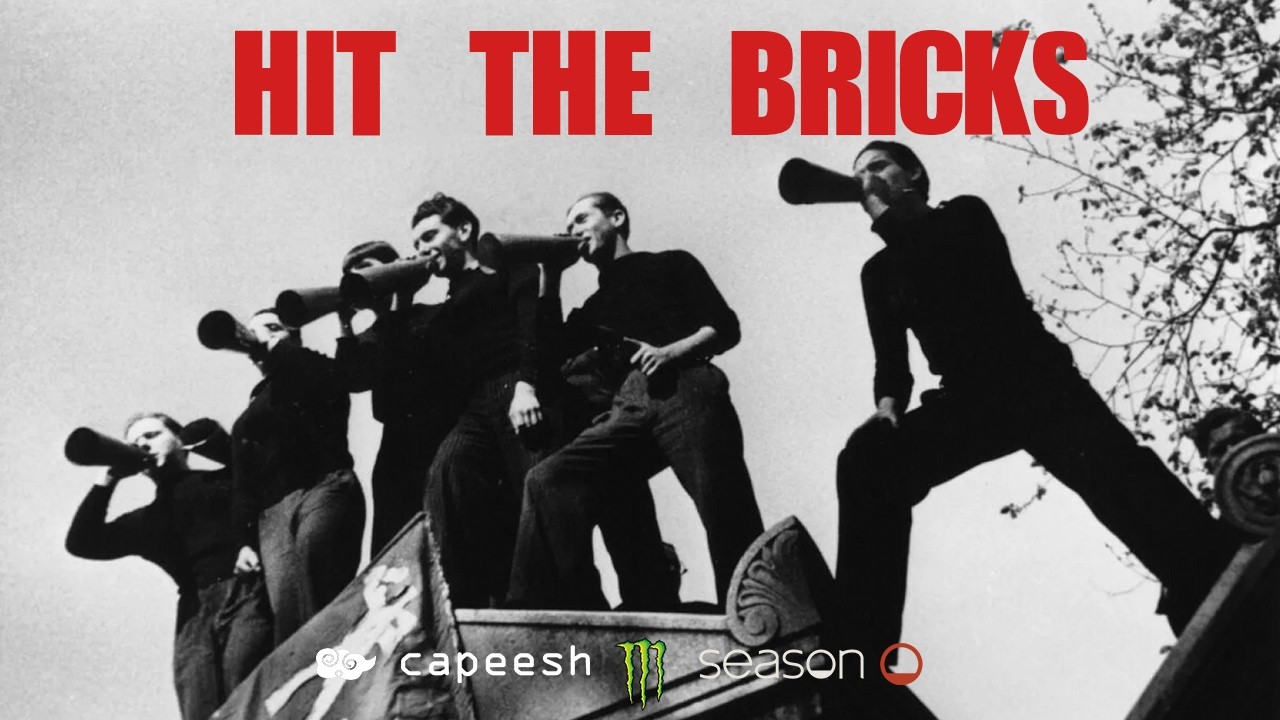
On skipowd.tv, Season Equiment is connected to HIT THE BRICKS, a park video featuring Beau-James Wells, Jackson Wells, Tormod Frostad and others at Cardrona Alpine Resort. That context is useful because it shows Season not only as a powder or all-mountain brand, but as part of a modern freeski media ecosystem.
Cardrona is a strong place for a Season connection. It is a Southern Hemisphere park and progression hub where skiers and snowboarders share terrain, sessions and culture naturally. A brand built on ski-snowboard equality fits that environment better than a rigid discipline-specific company.
The video count on skipowd.tv is still small, with one associated video, so Season should not be presented as a massive media sponsor. Its importance comes from hardgoods philosophy, founder credibility and product distinctiveness more than from a huge video footprint.
Choosing Season skis
Choose Nexus if you want the most straightforward Season all-mountain ski. It is the best match for resort skiers who want stability, variable-snow confidence and enough soft-snow ability without committing to a powder-specific shape.
Choose Kin if your skiing is more playful: side hits, park, switch landings, butters, creative terrain, jumps and softer resort days. Choose Primer if you want an easier, more forgiving freestyle entry point. Choose Pass if you want a lighter, soft-snow and touring-aware platform that can still handle mixed conditions.
Choose Forma if deep snow, surfy turns and powder personality matter most. Choose Aero if you ski firmer conditions, mixed snow and higher speeds, and want a more precise, damp ride. Season’s catalog is small enough that the decision can stay honest: pick by terrain first, then by stance and energy.
Why Season Eqpt. earns a 4 out of 5
Season Eqpt. earns a 4 out of 5 importance rating because it is one of the clearest young hardgoods brands in the current ski and snowboard market. It has a verified skipowd.tv sponsor page, a real ski collection, a snowboard collection, founder credibility through Eric Pollard and Austin Smith, a distinctive black visual identity, gender-inclusive sizing and a rare service-first ownership model.
It is not rated 5 out of 5 because it is still young and relatively niche. Season does not yet have the long-term industry weight of Salomon, Völkl, HEAD, Atomic, K2, Rossignol, Armada, LINE or Faction, and its skipowd.tv video footprint is still limited. Its influence is strong and intelligent, but not yet era-defining at global scale.
On skipowd.tv, Season Eqpt. belongs as an Oregon-born ski and snowboard hardgoods sponsor. Its value is the quiet black ski or board that does not try to expire, the Pollard shape language, the Austin Smith durability mindset, the service pass, the wax and tune after the trip, and the belief that winter equipment should be simpler, better maintained and shared across one-plank and two-plank culture.