Skimore Oslo
Norway
Norway
Urban ski resort at Tryvann above Oslo Norway | Known for: 18 floodlit runs, 11 lifts, 381 m drop height, Hyttli terrain park, Wyller express laps, kids park progression, metro access, night skiing, and Capeesh linked freestyle clips | Season: November December to Easter depending on conditions | Best for: park riders, rail crews, night sessions, beginner progression, workday laps, and Oslo based freeski filming
Tryvann Lights Above The Oslo City Grid
Skimore Oslo sits at Tryvann above the Norwegian capital, with a ski area that feels more like a city freestyle engine than a mountain destination. Official Skimore material lists 11 lifts, 18 runs, a 381 meter drop height and floodlights on every slope. That last detail matters most for freeskiers. Oslo’s winter evenings are not a limitation here; they are part of the location’s identity.
The resort is small by Alpine or North American standards, but it is dense in use. Skimore states that the facility receives more than 300,000 winter visits in a season and sits about 25 minutes from the city center. The existing skipowd.tv page frames it as Oslo’s lift-accessed playground at Tryvann, with easy-flowing terrain around Toppsenteret, steeper fall lines on the Wyller side and a park hub around Hyttli. That compact three-zone structure is exactly why the resort works for short edits and repeatable training.
Hyttli Park And The Short Lap Freestyle Logic
Hyttli is the park-side reference that gives Skimore Oslo its strongest skipowd.tv value. Historical park reporting identifies a Quiksilver Snowpark and Halfpipe around the Hyttli four-seater chairlift, with easy and medium lines. The naming may shift over time, but the terrain logic remains clear: Hyttli is where Oslo riders go when they want controlled freestyle repetition rather than long resort travel.
That matters because park skiing is built from attempts. A skier learning rail pressure, small spins, switch takeoffs or basic grabs does not need 1,000 meters of vertical between tries. They need clean speed, visible features, quick lift return and enough light to keep riding after school or work. Skimore Oslo gives that in a way few capital cities can copy. It turns a normal weekday evening into a real park session.
Wyller Express Speed Checks And The Steeper Side
Wyller is the sharper side of the resort. The official Skimore information mentions the 6-seater chairlift in Wyller, while the internal skipowd.tv page describes the Wyller side as the place with the steeper fall-line profile. For freeskiers, that makes Wyller useful before entering features. Riders can test edge hold, speed, carving pressure and body position on longer, faster terrain before returning to park lines.
Skiresort.info’s park test describes a Wyller Snowpark served by the Wyller six-seater, with a medium line and a pro line over a little more than one kilometer. Even if feature layouts change by season, that history explains why Wyller has carried freestyle weight. It gives Oslo skiers a stronger lap than a pure beginner hill, while still staying close enough to the city that a session can happen without a full travel plan.
Kids Park Progression And The First Rail Problem
Skimore Oslo should not be written only as a crew spot for strong riders. Its progression function is just as important. Official Skimore information describes easy runs in the beginner area, ski school, rental, workshop and café services, while park reporting identifies a kids snowpark with rails, boxes and a jump near a beginner platter lift. That gives the hill a full entry ramp for new skiers.
That matters for Norwegian freeski culture because many riders begin on short lit hills, not massive alpine faces. A first box, a first straight air, a first rail slide or a first night session can happen here with the city still visible below. The short vertical becomes an advantage when the goal is basic movement. Repetition builds confidence faster than scenic terrain does. Skimore Oslo is a place where a rider can learn the mechanics before chasing larger parks in Hemsedal, Kläppen, Absolut Park or beyond.
Capeesh Clips And The Oslo Park Style Loop
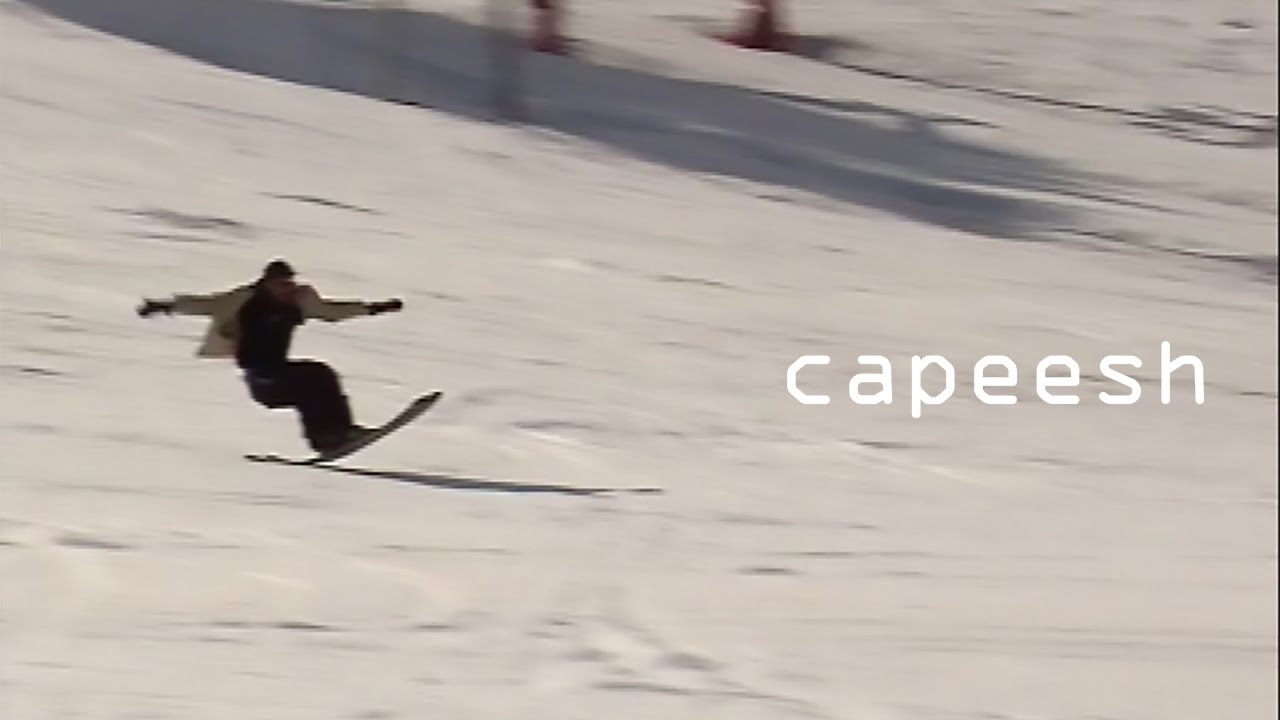
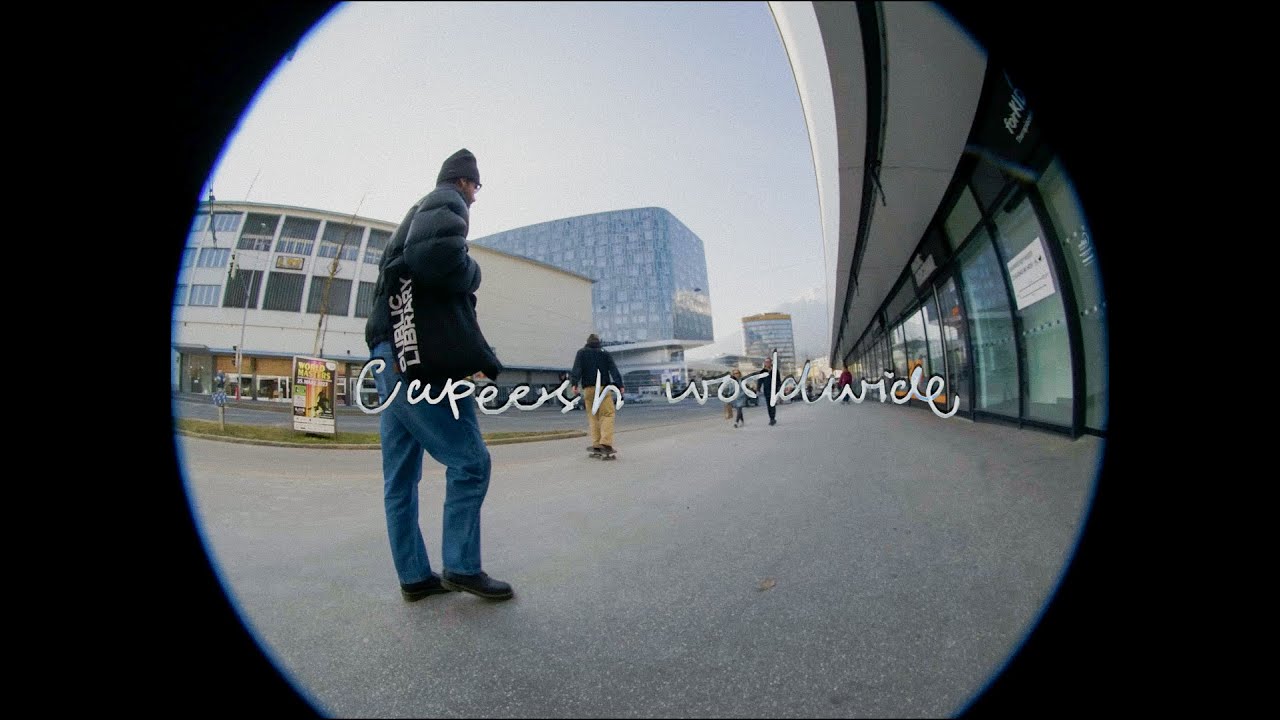
The existing skipowd.tv footprint gives Skimore Oslo a clear modern media angle through Capeesh Fashion House. The location page lists Capeesh-linked videos including toilet dad and buckle up 2/3, while Capeesh’s sponsor page ties the brand to Norwegian park and street style, baggy silhouettes, rider-led identity and a visual language built for clips rather than traditional resort marketing.
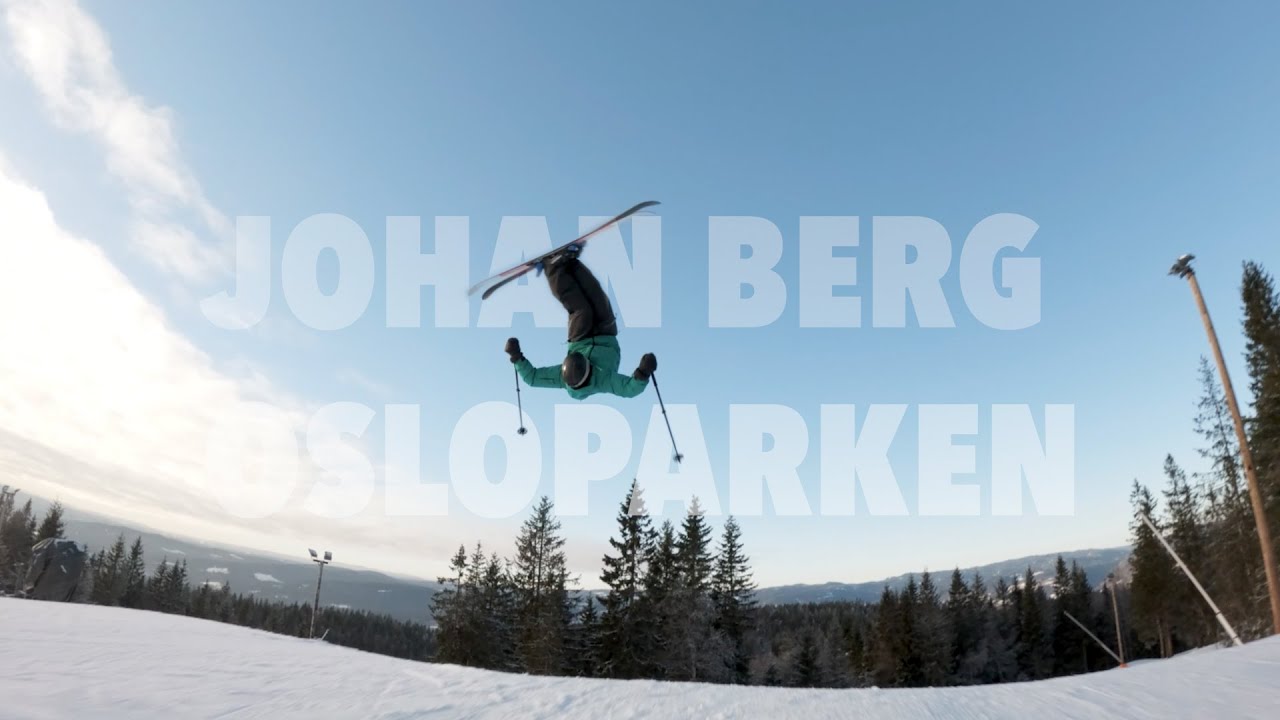
Ferdinand Dahl, Johan Berg and Øystein Bråten all appear naturally in this Skimore Oslo media lane through the Capeesh-linked buckle up video listing. That gives the resort more value than its terrain stats alone would suggest. Skimore Oslo is not important because it has huge vertical. It is important because Norwegian riders use it as a visible part of the park and style ecosystem.
Oslo Metro Access And The Workday Session
Access is one of Skimore Oslo’s strongest advantages. The resort sits close enough to central Oslo that skiers can treat it as an after-work or after-school venue, not only a weekend destination. The skipowd.tv page notes car or metro access from downtown, and public tourism sources frame Skimore as the largest ski resort in the Oslo area. That urban access changes the entire use case.
A rider can pack skis in the morning, move through the city, ski under lights, film a few rail attempts and return home the same evening. That is very different from most ski trips. The mountain does not need lodging, a village base or a multi-day weather window to be useful. Skimore Oslo works because it lowers the friction between city life and freestyle skiing. The best content from here should feel immediate: quick sessions, night laps, cold lights, city energy and a park line that can be repeated until the trick works.
Norway Context And The Small Hill Freestyle Tradition
Inside the wider Norway ski map, Skimore Oslo plays a specific role. Norway has bigger mountains, deeper freeride zones and stronger alpine destinations, but the capital hill carries a different kind of importance. It is a gateway. It gives young riders, visiting crews and city-based skiers a place to keep touching snow when travel is not possible.
Mathias Høgås helps illustrate the broader Norwegian park lane, even if his current skipowd.tv profile is not built around Skimore specifically. Norway’s freestyle identity has produced Olympic champions, SLVSH riders, Capeesh edits, street-style crews and park skiers who often sharpen their skills on compact hills. Skimore Oslo belongs to that ecosystem. It is the city version of a national pattern: limited vertical turned into high-volume technical skiing.
Floodlit Etiquette And Firm Snow Discipline
Skimore Oslo’s safety profile is shaped by traffic, lighting, firm surfaces and park density rather than avalanche terrain. The resort is a managed urban ski area, not an off-piste mountain. That makes the risks different: busy runs after work, fast groomers under lights, changing visibility, icy rails, cold metal, hard landings and mixed ability levels sharing a small amount of terrain.
Park etiquette should be strict. Inspect every feature before dropping, call the line, clear landings immediately, avoid standing under knuckles, and do not set up a camera where another rider cannot see it. On Wyller, speed checks should happen with enough space for beginners and families lower on the hill. Night skiing makes contrast and distance harder to read, so predictable movement matters. Skimore Oslo works best when riders respect the fact that many different users share the same compact city slope.
The Skimore Oslo Use Case For Freeskiers
Skimore Oslo matters because it turns a capital city hillside into a legitimate freeski training and filming space. The concrete pieces are strong for a 3/5 profile: 18 floodlit runs, 11 lifts, 381 meters of drop height, a usual November December to Easter season, Hyttli park terrain, Wyller express laps, beginner progression, rental and service infrastructure, and a verified skipowd.tv video footprint tied to Capeesh and Norwegian park riders.
January and February are the best months for colder surfaces, reliable snowmaking windows and consistent night sessions. March can be useful for softer landings and longer evening light when coverage holds. For skipowd.tv, the strongest tags are Skimore Oslo, Tryvann, Wyller, Hyttli, Oslo, Norway, night skiing, snowpark, rail, slopestyle, beginner park, Capeesh Fashion House, Ferdinand Dahl, Johan Berg, Øystein Bråten, workday session and urban ski resort. Skimore Oslo’s concrete value is simple: it makes freestyle skiing accessible inside the city, and that accessibility turns small vertical into a real creative advantage.