Mikkel Brusletto Kaupang
Geilo, Norway | Active public record: 2015-present | Known for: rail skiing, SuperUnknown 20, Geiloparken, X Games Street Style and Knuckle Huck | Current: Monster Energy athlete / rail and park specialist
Geiloparken When The Tube Does Not Forgive
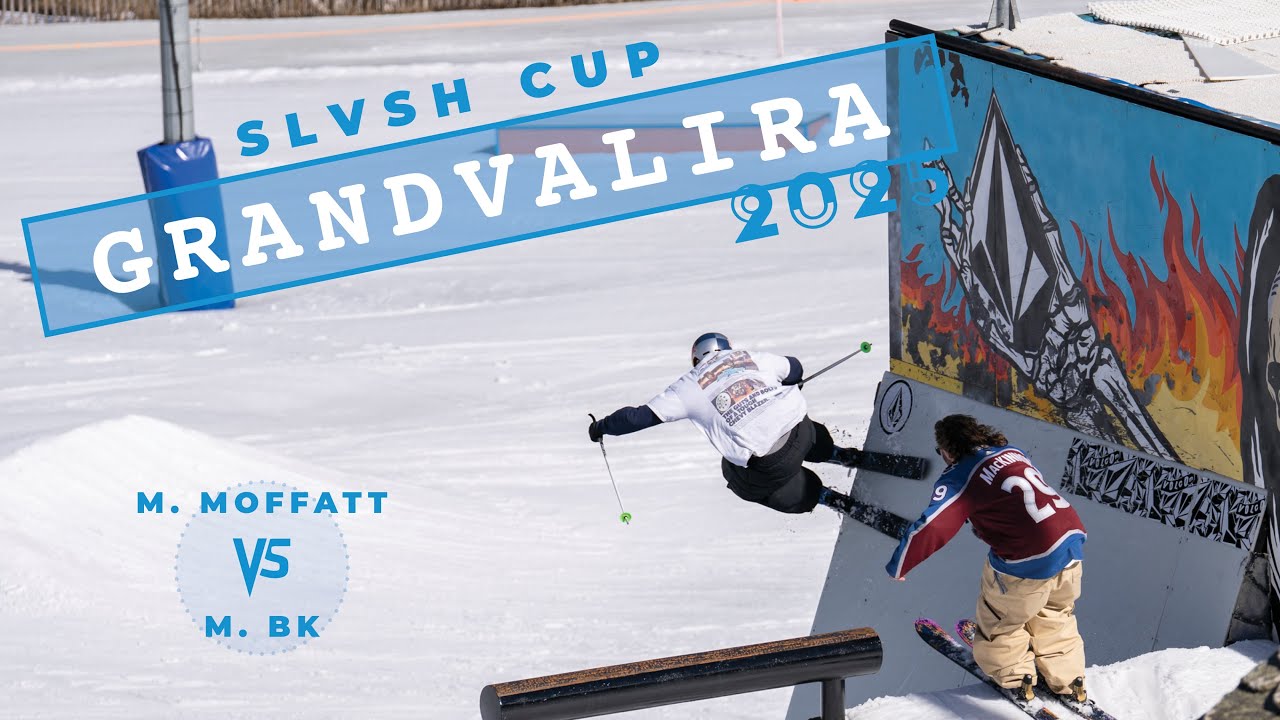
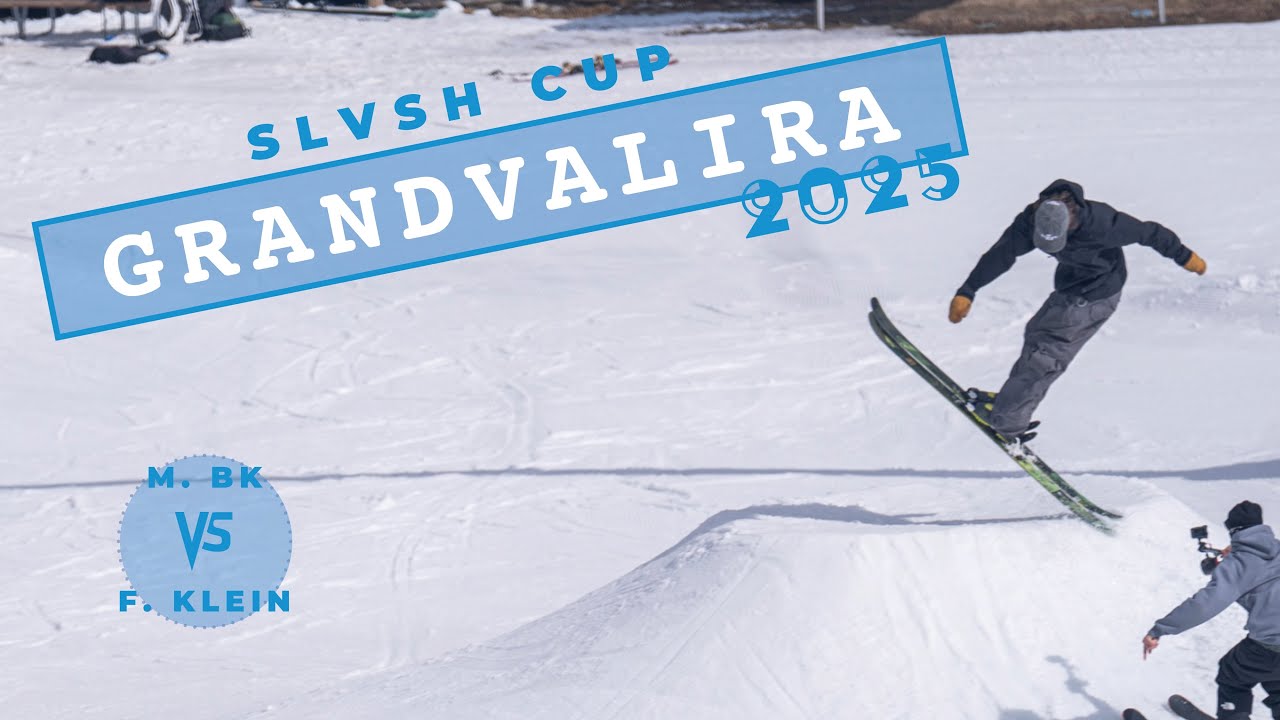
The rail line at Geiloparken sits low in cold Norwegian light, with hard snow, tight takeoffs, and tubes that punish rushed feet. Mikkel Brusletto Kaupang moves through that terrain like the feature is already slowing down for him.
Known widely as Mikkel BK, Kaupang has built a profile that sits between competition, video, rail culture, and style-based invitational skiing. He has FIS starts in slopestyle and big air, but his clearest identity comes from a different arena: Geilo rails, SuperUnknown, Jib League, X Games Street Style, Knuckle Huck, and clips where trick difficulty is hidden inside calm movement.
Geilo IL And The Norwegian Park Base
FIS lists Kaupang as a Norwegian freestyle skier connected to Geilo IL, with a 1999 birth year and starts across slopestyle and big air. That club marker matters because Geilo is not just a hometown label in his story. It is the terrain system that shaped his rail language.
Geilo gives a skier repeated access to park laps, rails, tubes, side hits, and winter conditions stable enough for daily refinement. Kaupang’s later video work at Geiloparken does not feel like a visiting pro collecting clips. It feels like a rider using a local laboratory, where every speed check, transfer, nose press, and exit has been tested through repetition.
From Hafjell Starts To Drammen Big Air
Kaupang’s FIS record begins in 2015 with a Norwegian national championship slopestyle start at Hafjell. Through 2016 and 2017, he appeared in domestic FIS and national events at Drammen, Vassfjellet, Hemsedal, Hovden, Trysil, Oppdal, Geilo, and Wyller.
The first major result in that record came at Drammen in January 2018, where he won a FIS big air contest with a score of 94.00. That result sits early in a career that would later move away from conventional FIS identity, but it shows that Kaupang’s air awareness was already strong before the rail-specialist label became dominant.
Geilo 2019 Beside Bråten And Nummedal
In April 2019, Kaupang placed second in slopestyle at the Norwegian national championships in Geilo. Øystein Bråten won the event, Christian Nummedal placed third, and Birk Ruud finished fifth. That field gives the result real context.
Norway’s freeski depth has been heavy for years, especially in slopestyle and big air. Placing between Bråten, an Olympic champion, and Nummedal, a World Cup-level skier, shows that Kaupang was not only a local rail rider with style. He could ski inside a strong national contest field and still land near the top.
Tignes, Laax, Font Romeu, And The FIS Detour
Kaupang’s FIS path moved into European and World Cup terrain from 2018 through 2023. His record includes World Cup starts or qualification appearances at Stubai, Seiser Alm, Font Romeu, Destne, Silvaplana, and Tignes, plus European Cup starts at Crans-Montana, Tignes, La Clusaz, Kremnica, and Laax.
The cleanest results from that phase include fourth in European Cup slopestyle at Tignes in January 2020 and eighth in European Cup slopestyle at Laax in March 2022. His FIS status is currently listed as not active, which matches the public shift in his career: less about World Cup scoring, more about formats where style, creativity, and rail control decide the value of a run.
Mammoth Unbound And The SuperUnknown Title
SuperUnknown 20 changed the scale of Kaupang’s public profile. Level 1 reported that he and Caoimhe Heavey won the 2023 SuperUnknown title after a week of spring skiing at Mammoth Unbound South Park. The event brought together 16 finalists and more than 40 pros.
SuperUnknown has a different weight from a standard contest. It rewards video presence, trick choice, creativity, and the ability to stand out when the park is full of skiers with deep bags of tricks. For Kaupang, the title confirmed that his skiing translated outside Norway and beyond a domestic results sheet.
Geiloparken 1.5 And The Rail Technician Label
In October 2024, Downdays featured “Geiloparken 1.5,” a Kaupang edit from Geilo tagged with park skiing and Völkl Skis. The write-up framed him as one of the most refined rail technicians in skiing, pointing directly to the control shown in the clip.
That edit is central because it presents Kaupang in his strongest visual language. The skiing is not built around huge jump amplitude. It is built around tube control, press strength, surface movement, transfer timing, soft landings, and exits that keep flowing after the trick should have ended. The result is technical without looking mechanical.
CopenHill And The Dryslope Problem
The Scandinavian Team Battle 2024 placed Kaupang on a very different surface. Downdays reported that he joined Johan Berg for Norway at CopenHill in Copenhagen, an artificial slope built on the roof of a waste-to-energy plant.
Dryslope skiing changes the feedback under the ski. Edges do not behave like they do on snow, landings sound different, and speed can feel less forgiving through plastic brush. Kaupang’s presence there matters because his skiing is based on touch. Taking that style onto a roof in Denmark adds another proof point: his control is not locked to one perfect winter surface.
Copper Mountain Opened The X Games Door
Late in 2024, the X Games Street Style Pro qualifier at Copper Mountain put Kaupang into a larger contest frame. Forbes reported that Colby Stevenson won the men’s event, Alex Hall placed second, and Kaupang placed third, qualifying through the Next X pathway into X Games Aspen.
Street Style matched Kaupang better than traditional slopestyle. The format is compact, rail-heavy, and based on overall impression rather than a long course of mandatory jumps. It rewards footwork, creativity, repeated laps, and a skier’s ability to use small features in different ways. That is exactly where Kaupang’s style has the most evidence.
Buttermilk Under X Games Lights
At X Games Aspen 2025, Kaupang entered both the wider Street Style conversation and the Men’s Ski Knuckle Huck field. Freeskier listed him in the Knuckle Huck roster with Tormod Frostad, Alex Hall, Matej Svancer, Jesper Tjäder, Juho Saastamoinen, Colby Stevenson, and Daniel Bacher.
Aspen Public Radio’s results placed him seventh in Men’s Ski Knuckle Huck, with Alex Hall winning, Matej Svancer second, and Juho Saastamoinen third. The placing was not a medal, but the invitation itself mattered. X Games Knuckle Huck is built around originality, variation, execution, and style, not only the largest rotation. That makes it a natural stage for a skier whose best clips live in the grey area between trick and movement.
Jib League And The Style-First Circuit
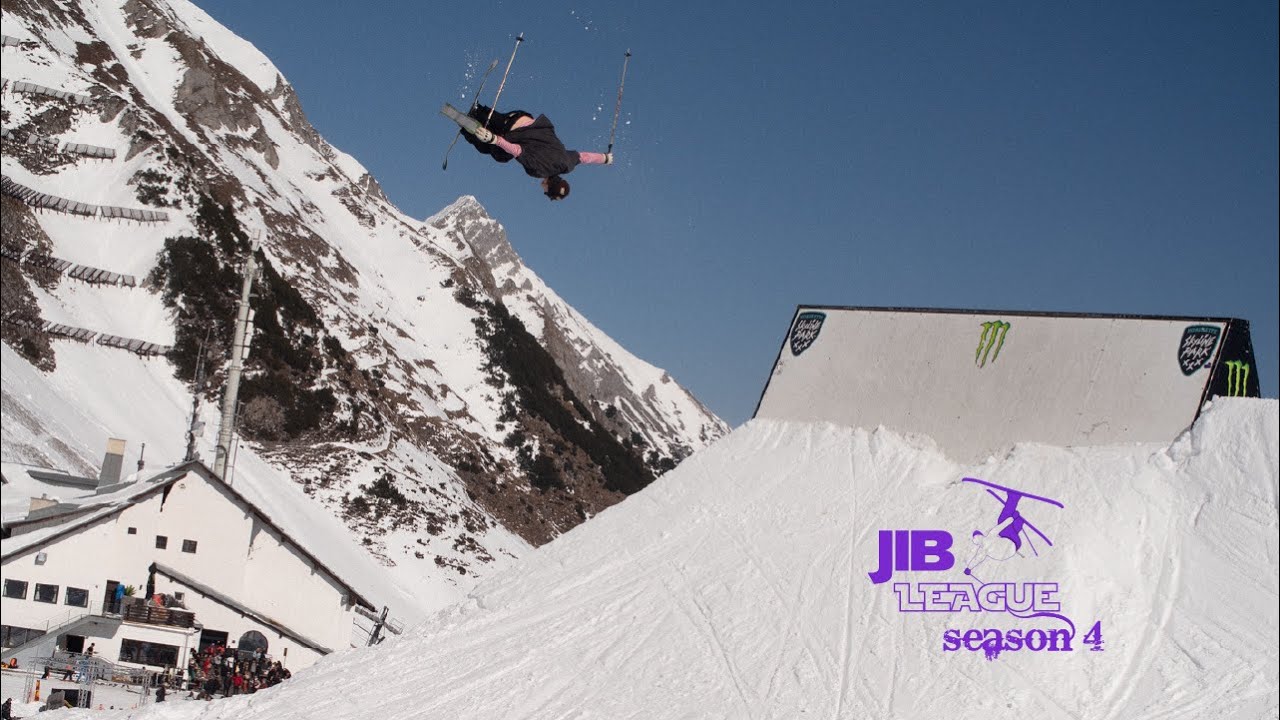
Jib League gives Kaupang another fitting arena. Prime Skiing listed him second overall at the 2024 Nordkette stop and credited him with a Bonkerz Session best trick. In 2025, Downdays covered Jib League Season 3 at Muttereralm and pictured him inside the event’s creative chaos.
Two Planker Network later billed a Muttereralm episode with Kaupang and Olivia Asselin as winners of Jib League S3E1. The format suits him because it strips skiing back toward style, peer response, transfers, rail ideas, and small decisions that judges in a standard slopestyle event might not reward fully.
How Mikkel BK Makes Difficulty Look Quiet
Kaupang’s skiing is defined by quiet upper-body control. His tricks often use presses, nose pressure, switch entries, rail transfers, nollie movement, butter takeoffs, hand-drag shapes, and soft exits. The difficulty is often delayed. The viewer notices the trick after the landing, when the body never looked rushed.
That calm is the reason his clips replay well. A rail skier can force a trick with arms, speed, and impact. Kaupang usually appears to do the opposite. He removes visible effort, then lets the ski flex, slide, and redirect under him. In a freeski landscape often pulled toward bigger numbers, his work argues for timing.
The Current Shape Of Kaupang
Kaupang’s public record now has several layers: Geilo IL and FIS starts, a 2018 Drammen FIS big air win, second at the 2019 Norwegian slopestyle championships, SuperUnknown 20, Geiloparken 1.5, Scandinavian Team Battle, X Games Street Style, X Games Knuckle Huck, and Jib League.
The clearest reading is a Norwegian rail and park skier who stepped away from a points-table identity and became more visible through creative formats. His next public markers will likely come from clips, Jib League sessions, rail contests, and style-based events rather than a return to a conventional World Cup schedule.