SkiStar
Sweden
Scandinavian mountain-resort operator | Founded in 1975 in Sälen | Known for: six Swedish and Norwegian ski destinations, lift passes, lodging, ski schools, rentals and year-round activities | Focus: making Nordic mountain travel easier to access through one integrated resort network shaped by fifty years of alpine tourism
From 37 cabins in Sälen to the SkiStar name in 2001
SkiStar began in Sälen on 20 August 1975, when brothers Mats and Erik Paulsson acquired a small holiday village with 37 cabins and a ski slope at Lindvallen. The company did not start as a ski manufacturer, a clothing brand or a media crew. It was built around a practical Nordic question: how can a mountain destination make skiing, accommodation and travel feel simple enough for families and repeat visitors to return year after year?
The answer gradually became a larger resort network. The company acquired Tandådalen and Hundfjället in 1997, expanded to Åre and Vemdalen in 1999, added Hemsedal in 2000, adopted the SkiStar name in 2001 and took over Trysil in 2005. Stockholm Hammarbybacken later joined the group as an urban mountain operation. That progression explains the company’s importance. SkiStar did not create one iconic ski area; it developed a connected Scandinavian model for operating resort infrastructure, accommodation, activities and guest services at scale.
Six destinations across Sweden and Norway under one pass system
SkiStar currently operates six alpine destinations: Sälen, Åre, Vemdalen and Hammarbybacken in Sweden, plus Hemsedal and Trysilfjellet in Norway. Each has a different role. Sälen is the group’s original family-oriented heartland, Åre is Sweden’s major mountain reference, Vemdalen provides a calmer multi-area destination, Hammarbybacken brings skiing into Stockholm, Hemsedal adds Norwegian alpine terrain and Trysil carries the largest-scale resort feeling in Norway.
The shared SkiPass model is one of the company’s clearest advantages for travellers. SkiStar is not merely selling lift access; it connects ticketing, lodging, ski rental, lessons, shops and on-mountain services into a single holiday structure. That is particularly useful in Scandinavia, where ski trips are often planned around families, road travel, cabins and repeat seasonal visits rather than only a single high-altitude alpine week.
Lift access lodging schools and rentals inside the same holiday structure
SkiStar’s influence comes from how many parts of a ski trip it operates. Lift systems remain the foundation, but the company also works through hotels, cabins, apartments, ski schools, equipment rental, sports retail, restaurants and property services. For first-time visitors, this reduces the friction of organising a ski holiday. For regular guests, it creates a familiar system from destination to destination, even when the terrain and local atmosphere change.
This integrated approach also shapes the guest experience. A family can book accommodation close to lifts, reserve rental equipment, arrange lessons for children and build a day around accessible pistes. A stronger skier can use the same destination for faster groomer laps, terrain parks or steeper marked runs. SkiStar’s model is not built for one narrow category of skier. It is designed to keep mixed-ability groups moving without making every part of the trip a separate logistical problem.
Trysil Snow Park and the practical Nordic freestyle connection
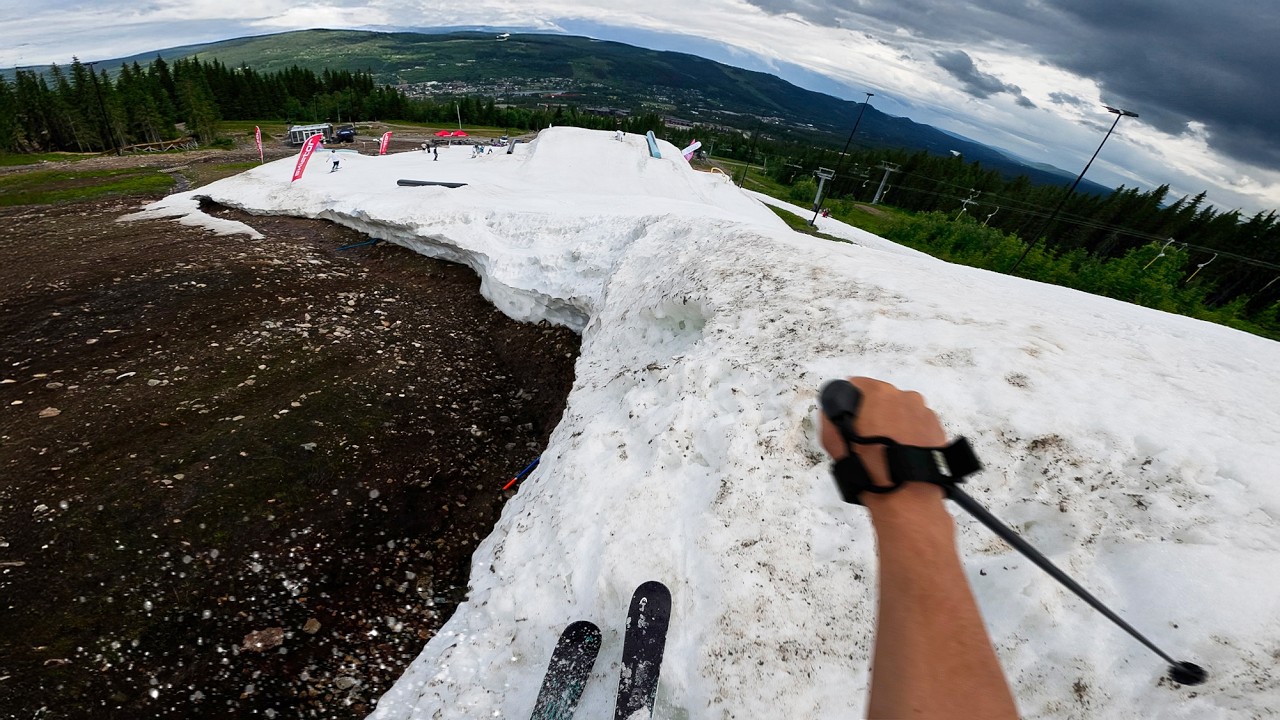
SkiStar matters to modern freeskiing because several of its destinations invest in park infrastructure alongside traditional pistes. At Trysil, SkiStar Snow Park provides a dedicated freestyle environment with jump lines, rails, boxes, floodlights and a separate lift system designed for repeated laps. That matters more than a generic resort claim about having a few features beside a piste. Park skiing develops through repetition: checking speed, adjusting take-off timing, learning how a rail feels and returning quickly enough to try again.
The broader SkiStar network does not operate as a single contest-focused freeski brand, and it should not be described as one. Its contribution is infrastructure. Park riders, junior teams, visiting crews and recreational skiers can use shaped terrain without separating entirely from the rest of their group. The result is a practical Nordic progression environment: technical enough for regular sessions, but connected to lodges, lifts, ski schools and family terrain that keep the destination functional for more than one type of skier.
Sälen scale and the nearby Kläppen comparison
Sälen remains SkiStar’s historic centre and one of the clearest examples of its destination logic. The area combines several mountain sectors, lodging zones and services into a large Swedish winter-holiday base. It is built for volume, access and varied ability levels rather than one specialised freeski identity. That distinction is useful for riders planning a trip. SkiStar Sälen works well when a group needs broad terrain, accommodation options and a reliable resort structure around its skiing.
For a more concentrated park mission in the same wider region, Kläppen Snowpark has a different role. Kläppen is an independent nearby resort with a stronger dedicated freestyle identity, including national-level park infrastructure and competition use. The comparison is not a weakness for SkiStar. It clarifies the choice. SkiStar’s strength is the complete destination system, while Kläppen is the more focused option for a trip built almost entirely around park laps, shaped lines and Swedish freeski training.
Turning winter destinations into all year mountain travel
Like most resort operators facing shorter and less predictable snow windows, SkiStar has expanded beyond winter-only business. Its destinations now include summer and autumn activity concepts such as cycling, climbing parks, mountain coasters, tubing and other outdoor attractions depending on the location. This year-round direction is commercial, but it also changes how the resorts function. Hotels, rental fleets, staff infrastructure and local businesses are less dependent on a single winter peak.
For skiers, the winter operation remains the core reason to know SkiStar. Yet the summer strategy matters because it supports long-term destination investment. A resort that stays active through more of the calendar can justify maintaining accommodation, transport links, retail systems and mountain services that are also essential once snow returns. SkiStar’s model is therefore bigger than a lift company. It is a mountain-tourism operator trying to keep its destinations relevant across changing seasons.
Choosing between SkiStar destinations by the trip objective
The right SkiStar destination depends on the group rather than on one universal ranking. Åre is the strongest choice for skiers seeking Sweden’s best-known mountain scale, varied terrain and a deeper international atmosphere. Sälen works for broad family trips and straightforward logistics. Vemdalen suits visitors looking for a quieter Swedish mountain holiday with several connected areas. Hemsedal offers a more alpine Norwegian feel, while Trysil is especially useful for mixed groups that want groomer mileage, accessible accommodation and structured park progression.
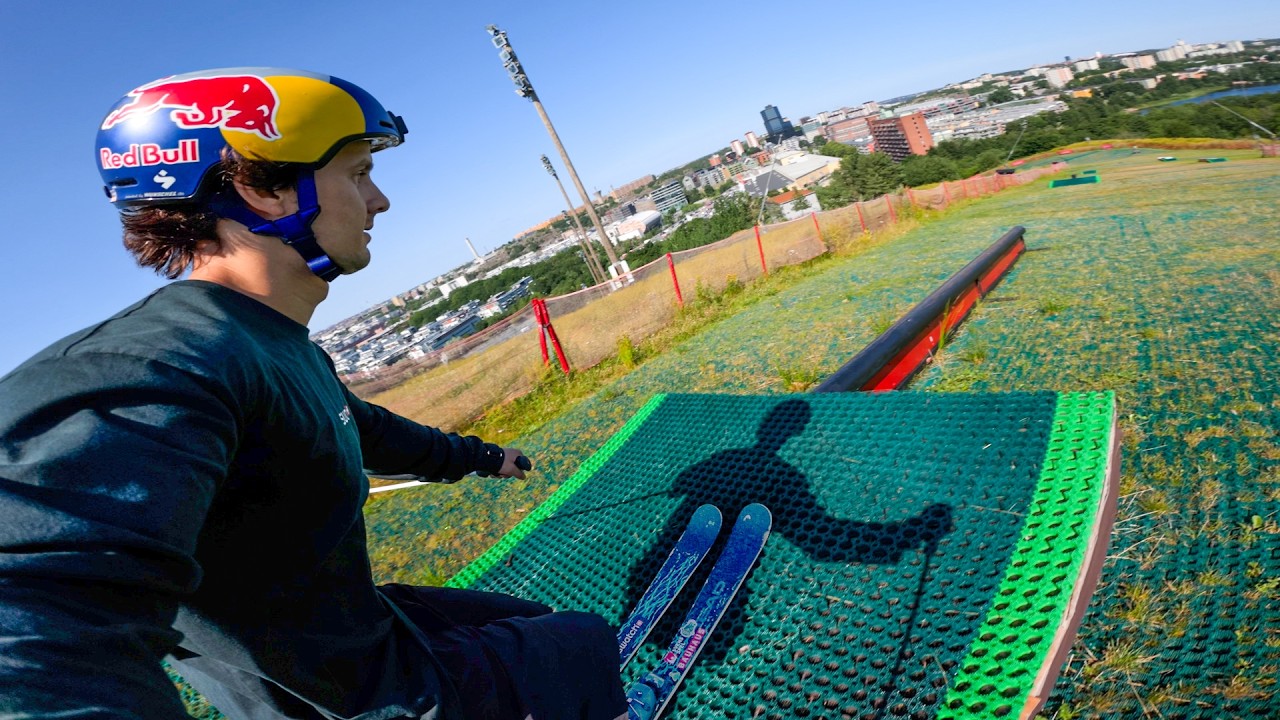
Hammarbybacken should be understood differently. It is a compact city slope rather than a full destination resort, useful for lessons, short sessions and urban winter access. In Norway, a city-based rider looking for after-work park laps may also compare it with Skimore Oslo, which serves a more local Oslo freestyle rhythm. SkiStar’s larger destinations are better suited to full holidays, while urban hills work when the goal is simply to keep skiing between mountain trips.
Why SkiStar shapes the Scandinavian resort map
SkiStar earns a 5/5 importance score because it has helped define how alpine holidays work in Scandinavia for five decades. Its influence does not come from a signature ski model, a famous film catalogue or one athlete team. It comes from owning and operating destinations that introduce generations of people to skiing, support repeat family travel and provide enough infrastructure for beginners, holiday skiers, park riders and serious piste skiers to share the same mountains.
That position also gives SkiStar a wider responsibility. Decisions about lifts, snowmaking, accommodation, parks, training areas and summer activities affect local economies and the shape of Nordic ski culture. Skiers looking for more remote late-season terrain may choose an independent destination such as Riksgränsen, but SkiStar represents something equally important: accessible, organised and repeatable mountain time. Across Sweden and Norway, it remains one of the central companies turning a ski trip from an idea into a usable week on snow.