Simon Storgaard
Tønder, Denmark | Active: 2010s-present public record | Known for: Danish Big Air title, double cork 1260, BC Bois, Danish film projects | Current: Danish freeski scene rider
Avoriaz And The Double That Changed The Podium
The Avoriaz jump was soft under spring light when Simon Storgaard dropped for his second Big Air final run in 2019. He had already landed a cork 900. Then he pulled a double cork 1260 out of the final, landed clean, and turned the Danish men’s ski podium around.
That run is the strongest single fact in Storgaard’s public ski record. One Open Sky’s DM result lists him first in Ski Men Big Air with 98 points, ahead of Nicolai Dencker and Rune Bach. Riders.dk described the same final as a historic moment for the Danish scene, built around Storgaard’s clean double cork 1260 and the unusually high level of doubles landed that week.
From Tønder To BC Bois
Riders.dk’s 2018 profile places Storgaard as a rider from BC Bois and later identifies him as a 24-year-old from Tønder. That geography matters because Danish freestyle skiing does not grow from daily alpine access. Riders build their skiing through travel, dryslope or indoor sessions, camp culture, club coaching, short park trips, and weeks in the Alps when money and time allow it.
In the same interview, Storgaard said he had moved to Odense to study sport science at the University of Southern Denmark and was skiing less than before. He also mentioned teaching park sessions through Din Camp and Hareskoven Skiklub. That gives his profile a community layer: not only a rider chasing clips, but someone passing park knowledge to younger Danish skiers.
Big Air Fits The Way He Skis
After the 2019 title, Storgaard told Riders.dk that competition had never really been his main focus and that the Avoriaz DM was only his second Danish Championship appearance. Big Air suited him because he loved large jumps. That detail explains why his record is compact but memorable: he was not building a long contest calendar, but he had the trick depth to win when the format matched him.
The technical frame should stay simple and factual. Storgaard’s verified trick references include a cork 900, a double cork 1260, and earlier mention of learning a double back. Those are not small details in a Danish freestyle context. They point to a skier comfortable with inverted rotation, takeoff commitment, air awareness and the pressure of sending a high-value trick when the run mattered.
Ferda And The Danish Film Year
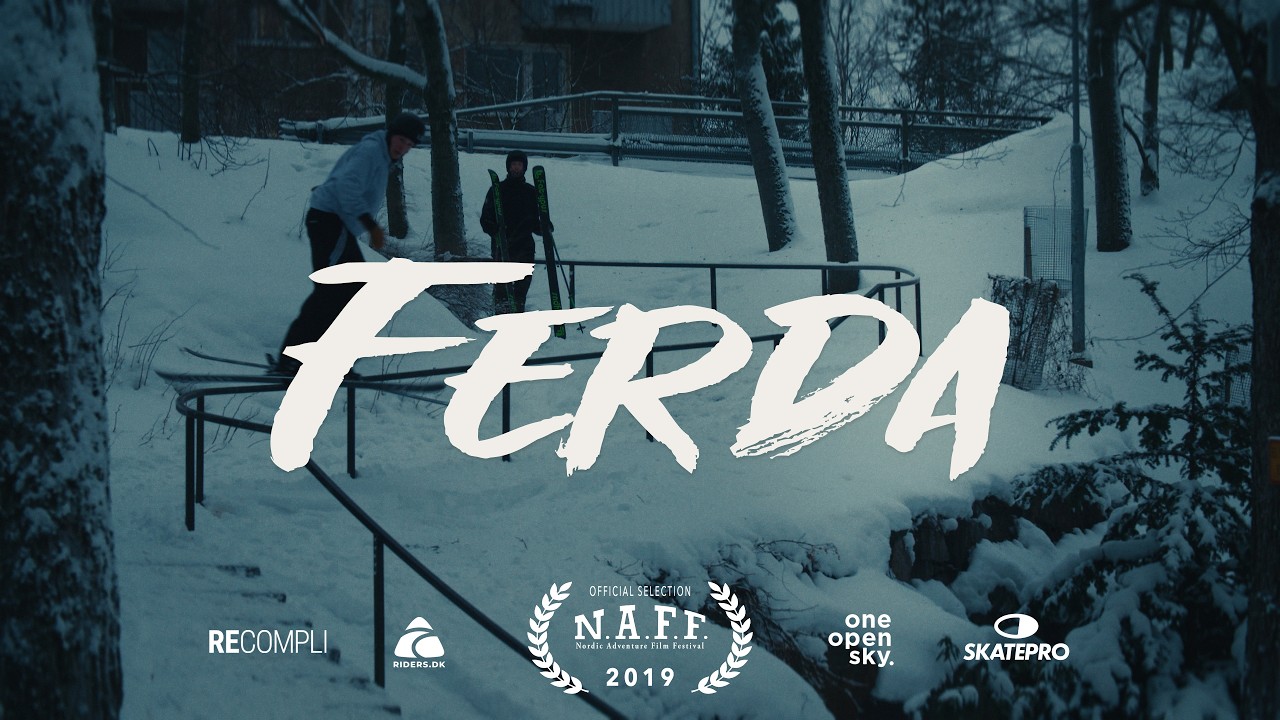
Storgaard’s profile is not only a contest page. Riders.dk listed him among the riders in “Ferda,” the 2019 Danish ski and snowboard film made by Jakob Ebskamp and Mikkel Hjort-Pedersen. The film ran about 40 minutes and was shot across Switzerland, France, Finland, Norway and Chile, with Danish skiers and snowboarders carrying the project.
That project gives Storgaard a stronger creative context. Denmark’s ski scene has always needed travel to make mountain footage possible, and “Ferda” was built around that reality. The crew was not only collecting resort laps. They were building a national scene document: park, powder, street energy, road-trip logistics, friends filming friends, and riders trying to show that Danish freeskiing had more depth than occasional championship results.
Laax, Norway And The Crew Travel Map
The “Ferda” build-up placed Storgaard on multiple shoots. Riders.dk reported that he joined the Laax part of the project, where the crew found strong weather and added riders after an earlier week with Andreas Secher, Jakob Ebskamp and Mikkel Hjort-Pedersen. Another report placed him in Norway with Rune Bach, Andreas Secher, Frederik Højgaard and Thomas Trads.
The Norway shoot is especially useful for understanding the skiing. The crew went to Ringkollen Parken, where Christoffer Hove allowed them to customize obstacles. Riders.dk mentioned a large shoot-out rail with spins and flips filmed from two angles. That kind of setup sits between contest skiing and video skiing: the feature is built for the clip, but the execution still demands real jump timing and rail confidence.
Chile And The Search For A Powder Part
Riders.dk later reported that the film’s final stage moved toward Chile for a backcountry part, with Storgaard described as having joined all the trips. That line matters because it shows commitment across the whole production cycle, not a one-stop cameo. He was part of the project from park and rail shoots into the attempt to finish a broader mountain film.
For a Danish rider, Chile is not a casual destination. It means travel cost, timing around the Southern Hemisphere winter, and a different type of snow from European park laps. The verified source does not give a full trick list from that trip, so the article should not invent one. The safe point is that Storgaard was part of the crew pushing the project beyond indoor-style features and Alpine park weeks.
Bungee Break And Danish Street Access
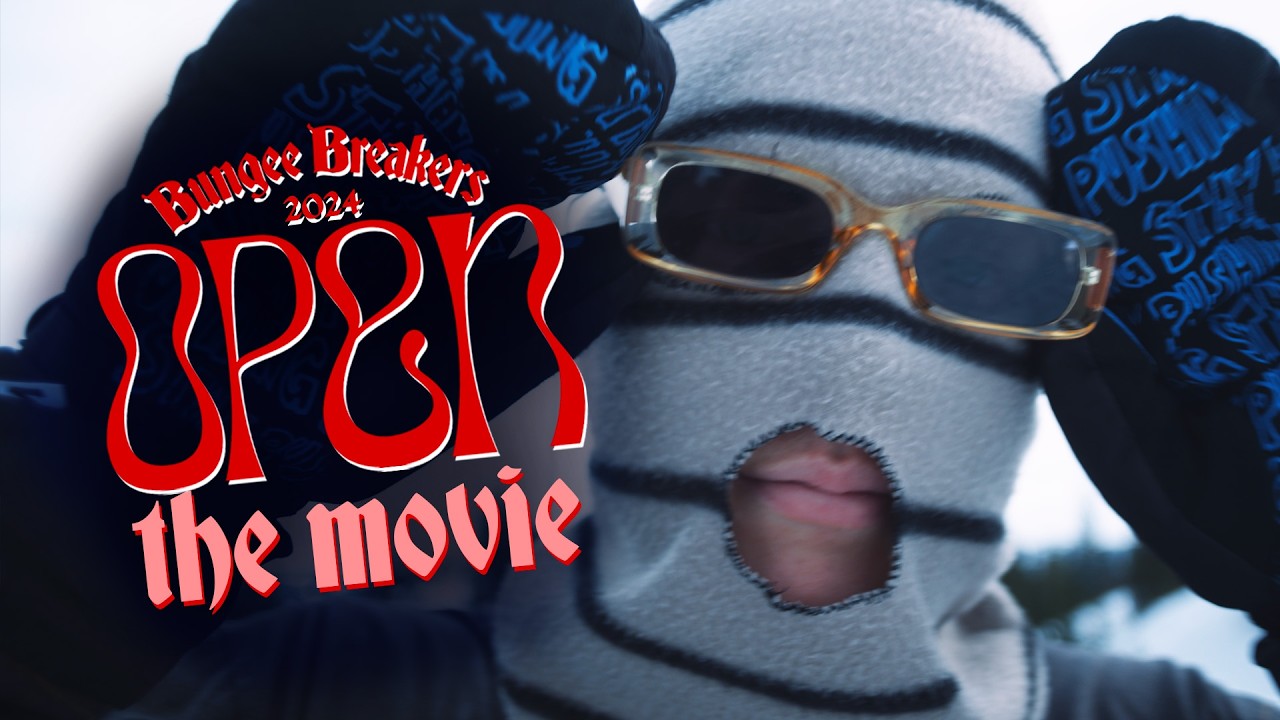
In 2021, Storgaard appeared in “Bungee Break,” described by Riders.dk as the first Danish street ski film in 10 years. The film was made by Mathias Skaarup and Jakob Ebskamp, with Isabella Tvede-Jensen, Joachim Clausen Hansen, Storgaard, Rune Bach, Simeon Sørensen, Jakob Ahlers and Mathias Skaarup among the featured riders.
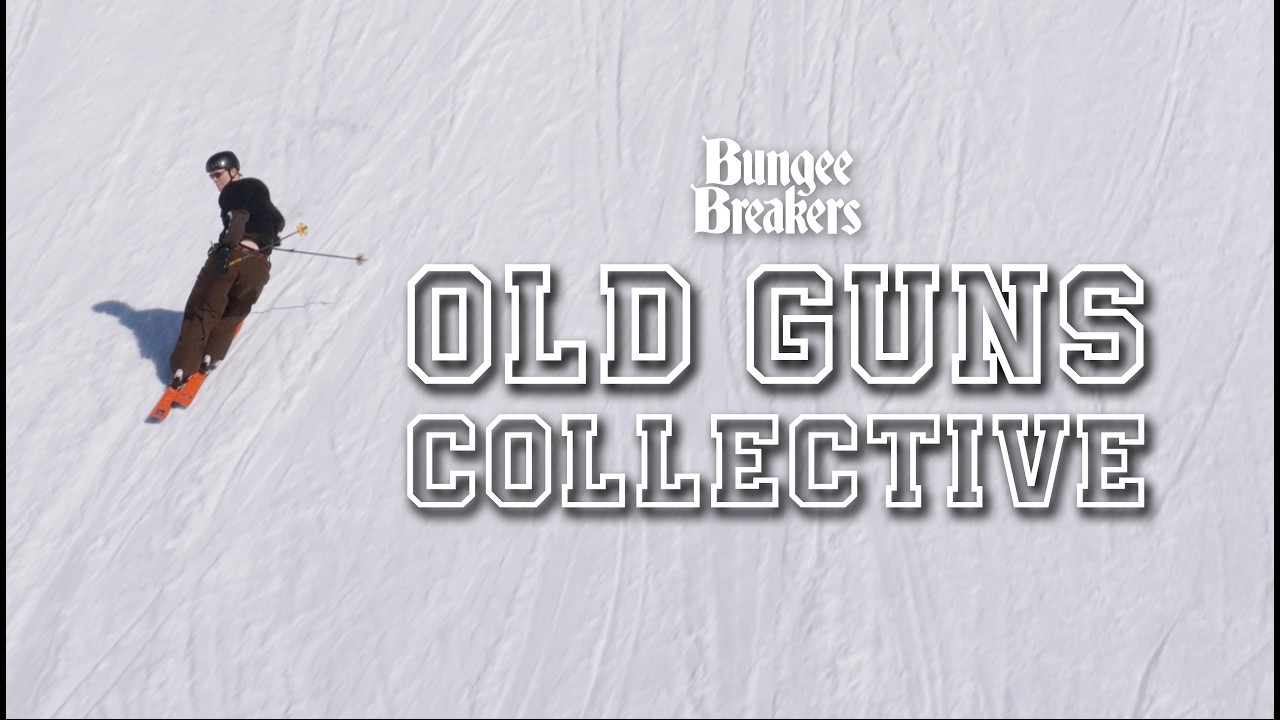
That film connects him to the same street logic now carried by Bungee Breakers. Denmark rarely gives skiers reliable urban snow, so a street film depends on timing, preparation and fast reaction when a storm finally arrives. The crew had been looking at spots before the snow came, then used the rare window to film rails and city features at home.
CopenHill And Year-Round Rail Logic
Riders.dk’s Bungee Break article also pointed to CopenHill as part of Denmark’s street-ski potential, because Danish skiers can work on rail skills year-round. That context fits Storgaard’s profile even when the source is discussing the wider scene rather than only him.
His skiing sits in the same Danish contradiction: limited natural mountains, but a strong appetite for park, rail and film culture. A rider like Storgaard has to make progression portable. Jumps in Avoriaz, rails in Denmark, park features in Laax, custom obstacles in Norway and backcountry attempts in Chile all become pieces of the same identity.
Fat-Ypus Support And The 2018 Snapshot
The clearest sponsor note in Storgaard’s public record is Fat-ypus. In his 2018 Riders.dk interview, he gave a shoutout to Fat-ypus skis and said he was proud to represent the brand. In the 2019 follow-up interview after the DM title, he again thanked Fat-ypus skis for support.
That should be treated as a time-specific support relationship, not a current sponsor roster unless newer official confirmation appears. The same rule applies to any later brand appearances. Storgaard’s article is strongest when it uses the verified 2018-2019 window rather than extending old support into the present without evidence.
The Simon Storgaard Lane
No verified FIS World Cup, X Games, Olympic or senior international podium record was found under Simon Storgaard’s name. That boundary should stay clear. His profile is not a global contest résumé. It is a Danish scene profile built on one major national Big Air title, a high-level double cork 1260, a BC Bois identity, teaching and park culture, and a serious role in Danish ski-film projects.
The most useful future updates would be confirmed current sponsors, recent Bungee Breakers or Danish crew appearances, new rail jam footage, or direct information from Storgaard himself. For now, his skipowd.tv page should frame him as a Danish freeski rider who helped mark the 2019 peak of the national Big Air scene and carried that energy into Ferda, Bungee Break and the wider Danish street-and-park movement.