HOTLAPS
StudioUnited States
Ski-focused follow-cam studio and social media channel | Led by filmmaker Andrew Gayda | Known for: ultra-close park follow cams, long flowing lines, raw snow sound, Cardrona edits, Mammoth clips, Stubai sessions, Mount Hood projects, Kimbo Sessions, SuperUnknown and athlete-led park content | Focus: bringing viewers inside modern freeskiing by skiing with the athlete instead of watching from the fence.
Andrew Gayda and the follow-cam language behind HOTLAPS
HOTLAPS is not a ski manufacturer, outerwear label, resort pass or traditional film studio. It is a ski media identity built around one of the most difficult and recognizable forms of modern freeski filming: the follow cam. Led by filmmaker Andrew Gayda, HOTLAPS became known for skiing close behind elite riders while filming tricks, landings, transitions and full park lines at real speed.
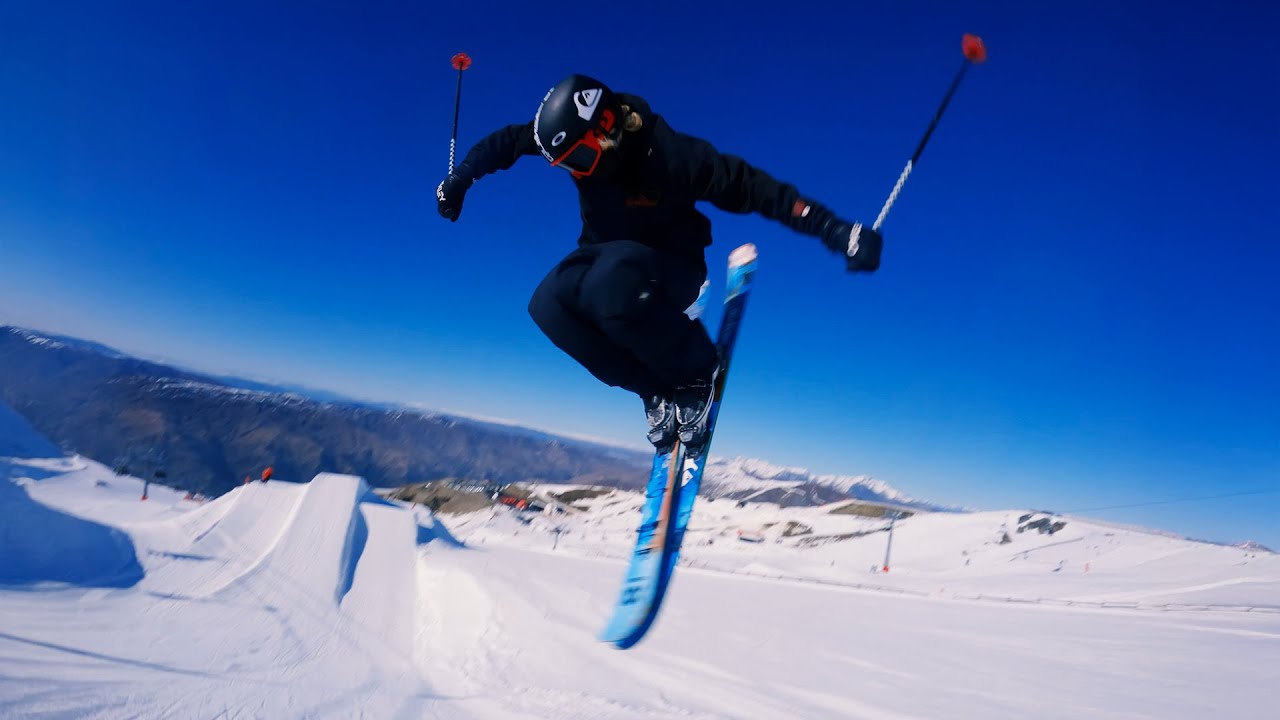
That approach matters because it changes the viewer’s relationship to skiing. A long-lens shot can show scale. A drone can show shape. A tripod can show the full feature. But HOTLAPS makes the viewer feel like they are inside the lap, close enough to hear edge noise, takeoff pressure, landings, rail contact and the small timing changes that make a trick work. The camera is not watching skiing from a safe distance. It is moving with the skier.
This is why HOTLAPS has become a recognizable name in modern park and freestyle skiing. The work is technical, risky and dependent on trust. The filmer must be a strong skier, understand trick timing, stay close without disturbing the athlete, and keep framing clean while hitting the same jumps, transitions and landings. In that sense, HOTLAPS is both media and performance.
Cardrona Mammoth Stubai and the global park circuit
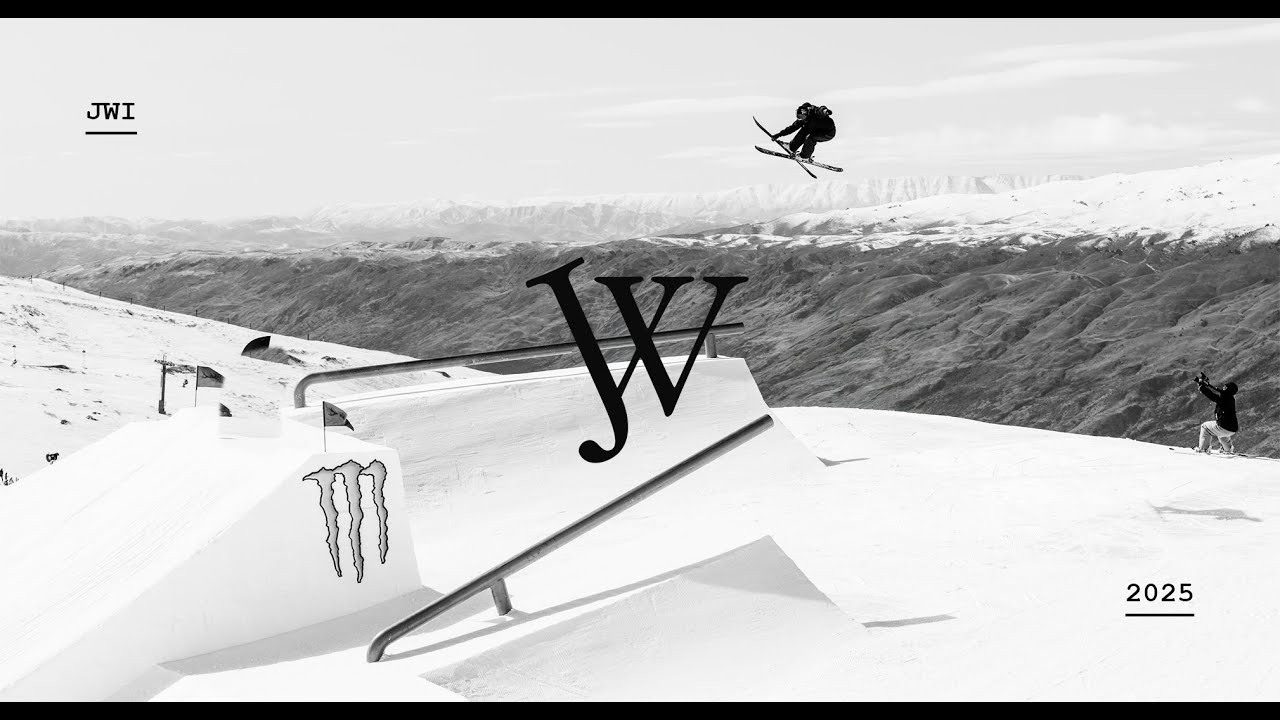
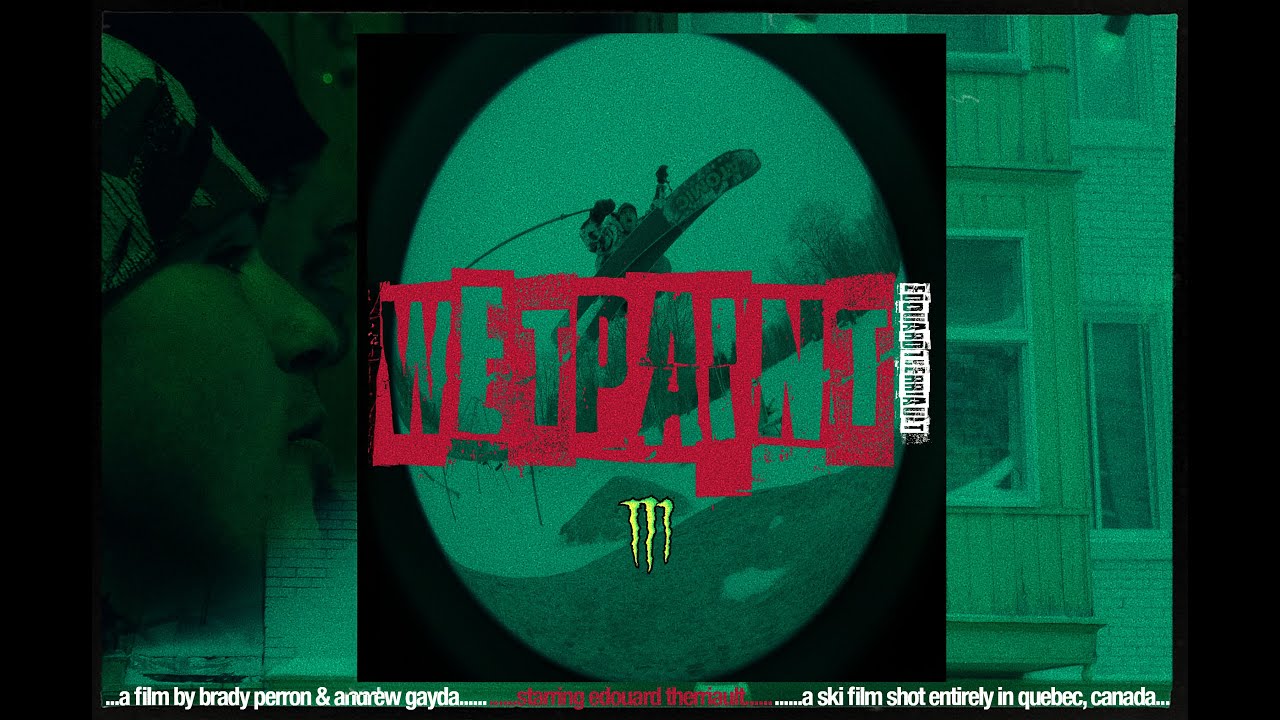
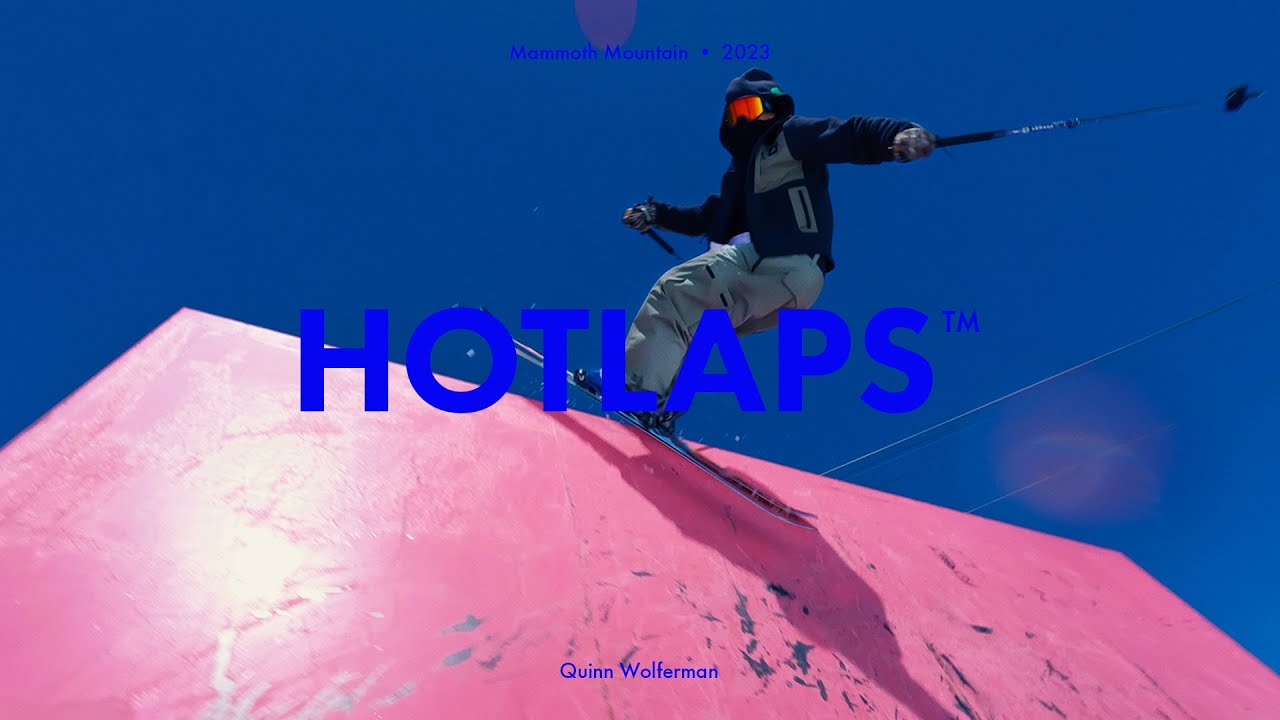
HOTLAPS has built its reputation by following the places where modern freeskiing is progressing. Skipowd.tv lists videos such as HOTLAPS • CARDRONA, HOTLAPS • Quinn Wolferman MAMMOTH, STUBAI filmed by HotLaps, HOTLAPS • WET PAINT with Édouard Therriault and Jossi Wells Invitational 2025. These are not random locations. They are part of the current freeski map.
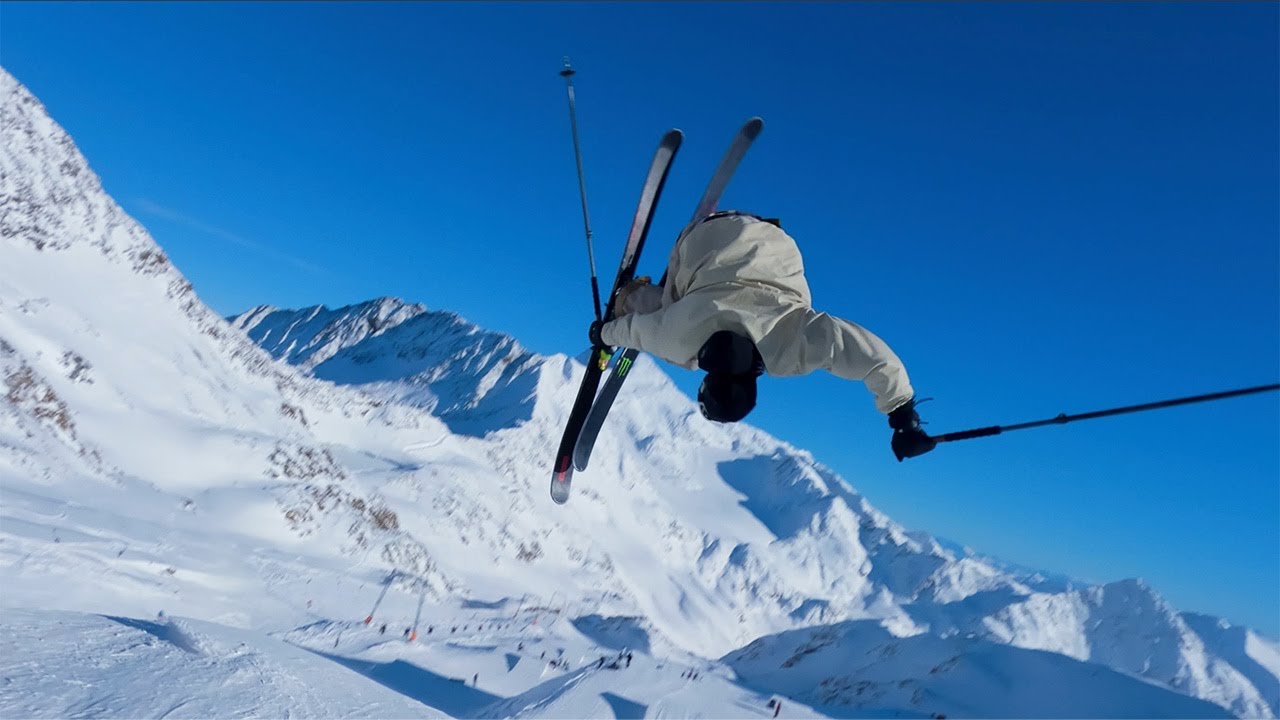
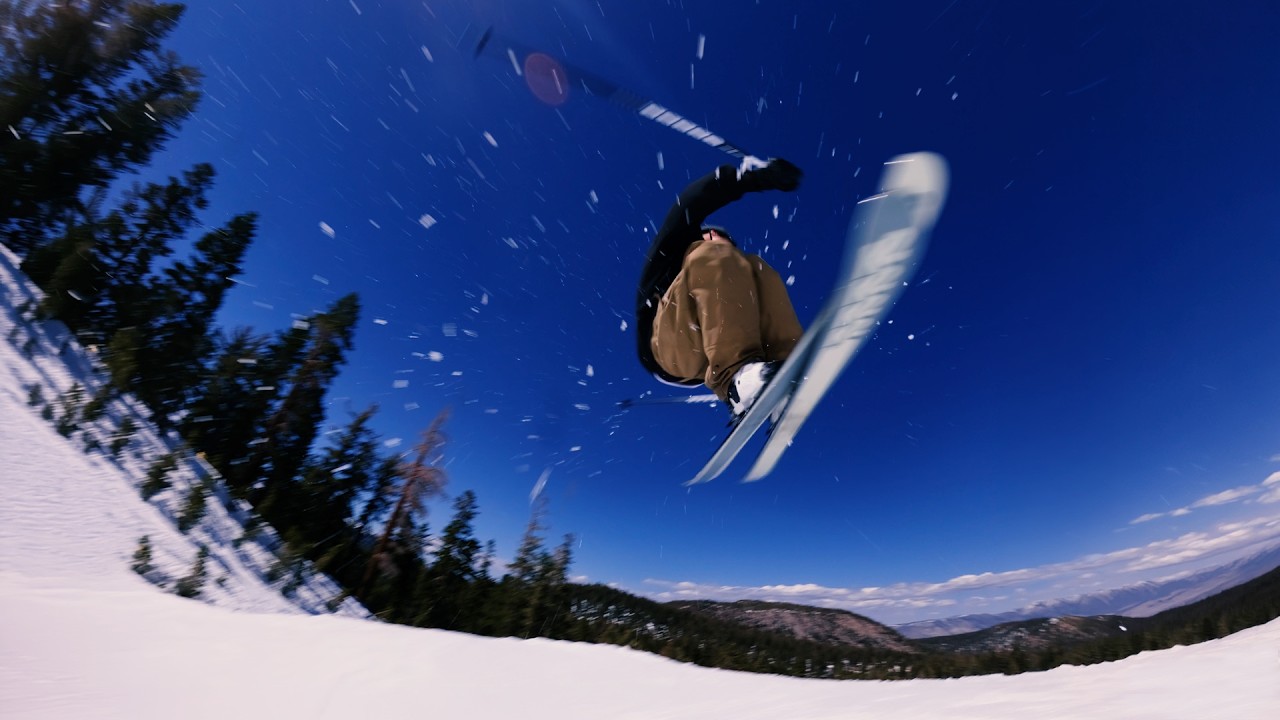
Cardrona gives HOTLAPS a Southern Hemisphere park identity, with New Zealand’s spring and summer training culture, Jossi Wells Invitational energy and a stacked athlete scene. Mammoth connects the channel to SuperUnknown and one of North America’s most important park venues. Stubai Zoo places the lens in Austria’s early-season glacier park ecosystem, where European and international riders build content before winter fully opens.
Mount Hood adds another important chapter. The AIR BRAKE project, filmed at Timberline with Quinn Wolferman, Sammy Carlson and Tristan Feinberg, shows HOTLAPS moving beyond clean event recap into a more atmospheric summer skiing edit. That evolution matters because it shows Andrew Gayda’s follow-cam language can carry mood, not only action.
The product is video not hardware
HOTLAPS does not sell skis, boots, bindings or helmets as its core product. Its product is footage: follow-cam edits, event recaps, athlete sessions, social clips and YouTube projects. The signature technique is tight proximity. The camera often stays within a ski length or two of the athlete, following through jumps, rails, pipe transitions, landings and natural terrain changes.
The result is a very specific kind of ski media. The viewer sees exactly how a skier sets an edge before a jump, where the takeoff begins, how the body moves through the air and how the landing is absorbed. In a normal edit, those details can disappear behind cuts, slow motion or distant angles. In HOTLAPS footage, they become the point.
This makes the channel useful as both entertainment and study material. Park skiers can watch line speed, body position and landing control. Coaches can point to timing. Younger riders can understand how elite skiers link features together. Fans can feel closer to the action without needing to understand every technical name of every trick.
Alex Hall Colby Stevenson Quinn Wolferman and the athlete trust factor
HOTLAPS’ credibility comes from the athletes who allow the camera to get that close. The Cardrona edit listed on skipowd.tv features Beau-James Wells, Jackson Wells, Torin Yater-Wallace, Finn Bilous, Alex Hall, Mac Forehand, Colby Stevenson, Ferdinand Dahl and Édouard Therriault. Other public clips and articles connect HOTLAPS with Quinn Wolferman, Sammy Carlson, Tristan Feinberg, Daniel Bacher, Jossi Wells and Jackson Wells.
That athlete list is important because follow-cam filming is not something every skier will accept from every filmer. The athlete needs to trust that the camera operator can ski the same line, stay out of the way, react instantly and not create danger during takeoff or landing. In modern park skiing, that trust is earned through repeated sessions and proven skill.
For HOTLAPS, reputation is therefore built less like a studio brand and more like a skier’s credibility. Andrew Gayda is not only pointing a camera. He is skiing with the best park skiers in the world and keeping pace while producing usable footage. That is the core reason the name has spread so quickly inside freeski media.
Why the HOTLAPS angle feels different from drones and long lenses
Many viewers mistake strong follow-cam skiing for drone footage because the camera feels impossibly smooth and close. But HOTLAPS works because a person is skiing the line, managing speed, absorbing terrain and making framing decisions in real time. That makes the image more physical than a drone shot. The camera has weight, timing and edge pressure behind it.
This matters for park skiing because terrain parks are not only aerial spaces. They are surfaces. A skier pumps transitions, checks speed, lands into pitch, drifts onto rails, adjusts balance and reacts to snow texture. Follow-cam footage makes those details visible. It shows how the trick sits inside the line rather than isolating the trick from the run.
HOTLAPS also often preserves raw sound. The clack of rails, ski edges, stomped landings and wind give the edit texture. This is part of why the clips feel so addictive. They are not over-explaining skiing. They are bringing the viewer close enough to feel the lap.
From SuperUnknown to Kimbo Sessions and modern freeski gatherings
HOTLAPS fits naturally into events where style, progression and rider energy matter more than traditional broadcast format. Level 1 SuperUnknown is one of the best examples. The event exists to expose emerging talent and reward style, creativity and strong video presence. A follow-cam lens is ideal there because it lets viewers understand why a run feels good, not only what trick was landed.
Kimbo Sessions is another perfect fit. The Swedish spring gathering is famous for relaxed progression, creative park builds and a high concentration of elite freeskiers. HOTLAPS coverage helps preserve that atmosphere: golden-hour laps, flowing jump lines, rail hits, friends skiing together and tricks that feel less like a contest run and more like a shared session.
Jossi Wells Invitational and Cardrona content show the same logic in New Zealand. These are places where the line between event, session, training and film project becomes blurry. HOTLAPS thrives in that blur because the channel does not need a traditional competition broadcast structure. It only needs strong skiing, trust and the right line.
Peru Vermont Park City and the creative background
Andrew Gayda’s story gives HOTLAPS more depth than a simple social account. Public interviews describe him as raised in Peru, Vermont, skiing Stratton and Bromley, studying sculpture at the University of Delaware, then moving west after graduation and working around Park City’s terrain park environment. That mix of skiing and visual art helps explain why the footage feels so intentional.
The Park City link also matters. Park City and Woodward Park City are major freestyle hubs, with strong athletes, training infrastructure, rail gardens and jump lines. A filmer based around that environment can build repetition, relationships and technical follow-cam skill quickly. HOTLAPS grew from that kind of daily access.
The result is a media identity that feels both East Coast and West Coast: gritty enough to understand rails and local-hill repetition, polished enough to move through global venues and athlete shoots. That balance helps the channel speak to young skiers, pro riders and ski media audiences at the same time.
Construction means skiing skill camera skill and editing rhythm
For HOTLAPS, construction does not mean materials. It means process. The project is built from skiing ability, camera handling, athlete coordination, timing, editing and sound. A successful HOTLAPS clip requires the filmer to know the line almost as well as the athlete, anticipate trick timing and stay smooth through terrain changes while still making the shot feel alive.
Public interviews note that Gayda often works with a small GoPro and monopod rather than heavy cinema rigs, gimbals or drones. That minimal setup keeps the camera mobile and close to the skier. It also forces the filmmaking to depend on body movement, ski control and timing rather than equipment complexity.
The editing then preserves the line. HOTLAPS clips often avoid excessive cutting because the full follow-through is part of the appeal. Viewers want to see the skier enter, take off, land, continue and connect the next feature. The best clips feel like one breath from top to bottom.
Why HOTLAPS matters to modern freeski media
HOTLAPS matters because it has made follow-cam skiing feel like a recognizable media style of its own. Follow cams existed before, but Andrew Gayda’s work has pushed the format into a more refined and widely shared language: close, fast, raw, technical and athlete-first.
The 4 out of 5 importance rating fits because HOTLAPS is highly relevant, current and influential in modern freeski media, especially around park, slopestyle, big air, spring sessions and athlete social content. It should not be rated like a 5 out of 5 legacy studio such as Level 1 or Matchstick Productions because its public history is shorter and its format is more specialized. But inside contemporary ski video culture, HOTLAPS has become one of the clearest names in follow-cam filming.
On skipowd.tv, HOTLAPS belongs as a ski follow-cam studio and creative media label. Its value is the feeling it gives viewers: skiing close enough to the athlete that the trick, the speed, the sound and the landing all become part of one moving experience.