Montréal
Québec
Canada
Urban freeski city in Quebec | Known for: street rail culture, iF3 film heritage, heavy snow removal, Mount Royal winter trails, and links to the wider Québec freeski scene | Season: December to March for urban snow windows | Best for: street crews, ski film culture, rail edits, and city-based winter storytelling
Mount Royal Snow Inside A Working Winter City
Montréal is not a ski resort, but winter still gives the city a usable snow map. Parc du Mont-Royal sits in the middle of the island with 16 kilometers of cross-country ski trails, winter walking routes, snowshoe trails, sledding lanes, and the Beaver Lake winter hub. That official city infrastructure matters because it proves the basic point: skiing exists inside Montréal’s urban fabric, even before street crews start looking at rails, ledges, stairs, banks, plazas, and storm-built takeoffs. For skipowd.tv, Montréal should be classified as an urban freeski zone rather than a downhill mountain. Its value comes from architecture, snow management, film culture, and the wider Québec street-ski lineage that connects city spots with nearby parks and riders.
Plateau Rails Mile End Walls And Downtown Snowbanks
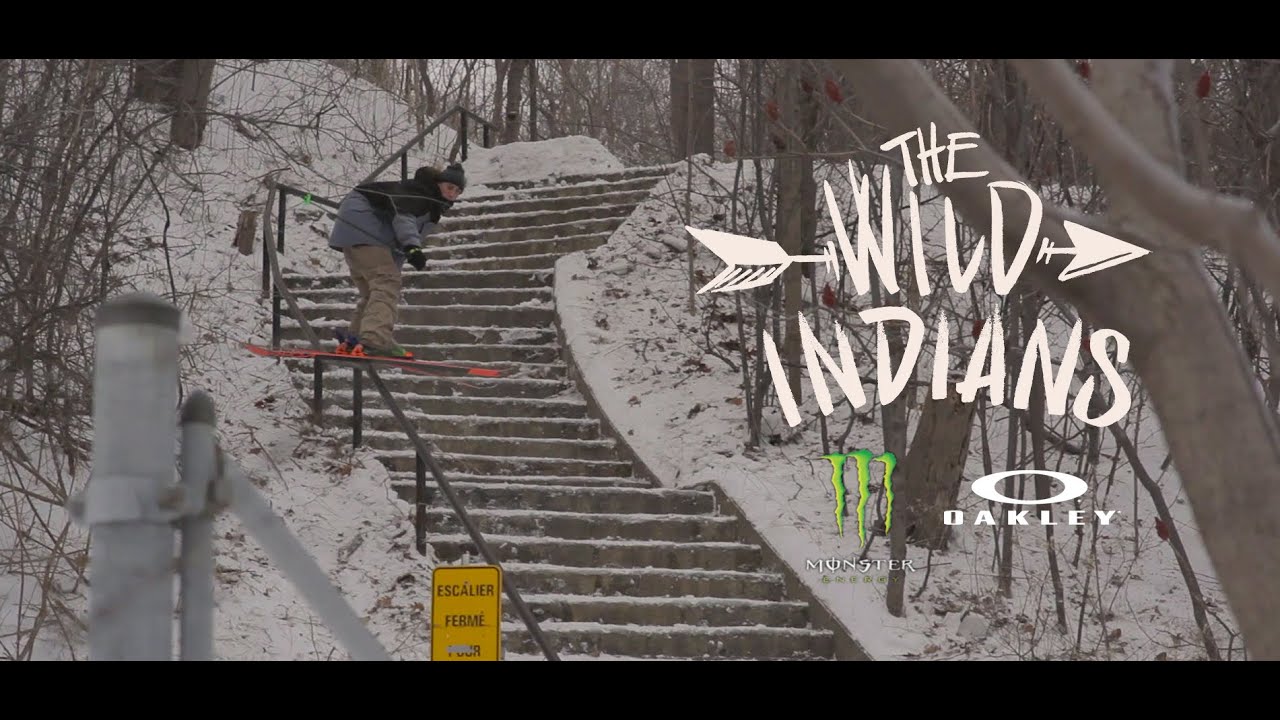
The city’s street-ski language comes from density. Plateau-Mont-Royal, Mile End, downtown Montréal, university zones, schoolyards, concrete plazas, overpasses, church steps, metro-adjacent spaces, and neighborhood handrails all create different kinds of winter features when snow stays long enough to build run-ins and landings. Montréal does not offer the old-stone drama of Québec City, but it has a larger metropolitan grid and a stronger media, shop, and event network. The best street features are temporary. A rail can appear after a storm, become rideable after shoveling, then disappear when municipal crews clear the sidewalk. That short window is part of the city’s difficulty. Montréal street skiing is never just trick choice. It is timing, crew discipline, snowbank reading, and knowing when a spot is no longer usable.
One Hundred Ninety Centimeters And The Snow Removal Machine
The Ville de Montréal says the city receives around 190 centimeters of snow on average each winter and normally needs about five snow loading operations. Another city snow-removal article notes that after each snowfall, more than 10000 kilometers of streets and sidewalks may need clearing. Those numbers explain both the opportunity and the problem for street skiing. Heavy snow can build landings, soften gaps, and create banks along curbs or rails. The same operation can also remove a spot before anyone films it. Snow clearing starts with plowing, then loading, signage, parking bans, trucks, and disposal sites. For skiers, that means a storm is not enough. The real window sits between snowfall, sidewalk clearing, traffic patterns, resident tolerance, and the moment the city changes the spot.
iF3 And The Film Culture Anchor
Montréal’s strongest freeski credential is cultural. The International Freeski Film Festival, now iF3, was created in 2007 by Félix Rioux, Doug Bishop, and JF Durocher to gather ski movies, producers, athletes, photographers, brands, music, art, and parties in one place. Tourisme Montréal describes iF3 as the biggest gathering of independent movie producers in skiing, drawing producers, athletes, and attendees from more than 20 countries. That makes Montréal more than a filming background. It is one of the cities where freeski media became an event format, where premieres, edits, riders, brands, and crews could meet off snow. In a sport built through video parts as much as contests, that festival history gives the city real weight.
D-Structure And The Shop Side Of Québec Freeskiing
D-Structure gives Montréal another important connection. The internal skipowd.tv sponsor profile identifies the shop’s roots on Rue St-Denis in 2000, tied to twin-tip skis, urban rails, streetwear, skate influence, local riders, and early Québec freeski culture. Shops like that matter in a street-ski city because crews need more than snow. They need durable skis, boot advice, outerwear that survives concrete, people who know which parks are building, and community spaces where younger riders hear about projects. Montréal’s ski identity is not a single mountain. It is a network: stores, film premieres, city spots, nearby resorts, video crews, and riders moving between park laps and urban sessions.
B-Dog ABM And The Wider Québec Lineage
Montréal should not claim every Québec skier as a local, but the city sits inside the same creative ecosystem. Philip Casabon - B-Dog grew out of Shawinigan and Vallée du Parc rather than Montréal, yet his street style, Real Ski golds, Armada projects, B&E language, Nuance, Pass The Bone, and Off The Leash culture all connect to the province’s urban freeski vocabulary. Alex Beaulieu-Marchand represents the contest side of that same Québec technical base, with rail-first slopestyle habits that travelled from local parks to Olympic and X Games podiums. Montréal’s role is not to replace those home hills. It gives the province a media city, a street canvas, and a gathering point where those influences can circulate.
Stoneham Park Laps Before City Spots
Street crews still need controlled terrain, and Montréal riders often look beyond the island when they need repetition before filming. Stoneham Mountain Resort is not next door, but it belongs in the same Québec freestyle map because of its parks, night skiing, Olympic halfpipe, Air Nation activity, and training infrastructure. A skier can test rail pressure, takeoff speed, spins, and landings in a resort park before applying the same movement to an urban feature. Closer hills in the Laurentians and Montérégie also serve that purpose for day-to-day riding. Montréal’s city spots become more realistic when the crew has already solved speed, balance, and trick selection somewhere safer than a sidewalk.
Permits Pedestrians And The Living City Rule
Urban skiing in Montréal has to be written with responsibility. Rails, stairs, plazas, schools, sidewalks, and banks are not terrain parks. They are public or private spaces used by residents, students, workers, drivers, cyclists, and pedestrians. Crews should avoid damaging property, blocking access, creating hazards, or leaving snow piles where people can slip. Professional shoots should seek permission where required, and even small crews need spotters, shovels, padding where appropriate, quick cleanup, and a clear plan for traffic and pedestrians. The best Montréal street edits look creative because the crew solved logistics quietly. The city gives architecture and snow, but it does not remove the obligation to act carefully.
The Concrete Value For Freeskiers
Montréal earns a 3 level profile because it has a real place in ski culture without being a downhill resort. The city has official winter trail infrastructure on Mount Royal, heavy annual snow management, dense urban architecture, iF3 film history, D-Structure shop roots, and direct links to the broader Québec freeski scene. It should not be described as a powder destination, a park resort, or a lift-served mountain. Its value is more specific: Montréal is a winter city where street crews can read snowbanks, film rails, attend premieres, connect with shops, and place local edits inside an international freeski media culture. The strongest tag is not vertical drop. It is urban freeski culture built from snow, concrete, timing, and people who know how to make a city rideable.