Mediappiness
StudioFrance
French freeski film collective from Les Deux Alpes | Known for: park edits, a DIY visual language and the backcountry film Smash | Focus: building rider-led projects that connect French freestyle sessions with Nordic travel and an emerging local event format
From Les Deux Alpes sessions to a French film collective
Mediappiness is a French freeski crew and film collective rooted in Les Deux Alpes. It should be understood first as a rider-led production group rather than a ski manufacturer or a conventional media company. Its public work is built around the people who ski, film, edit and travel together, with Hugo Monmont repeatedly credited as the central filmmaker and editor. The crew’s identity comes from park laps, shared trips, hip-hop-informed edits and a relaxed local tone that leaves room for crashes, friendships and the reality of session skiing. Mediappiness does not rely on a deep corporate catalogue or a large contest platform. Its relevance comes from turning small-group skiing into complete projects that travel beyond the French Alps.
S W A and Bon Diez established a park-first archive
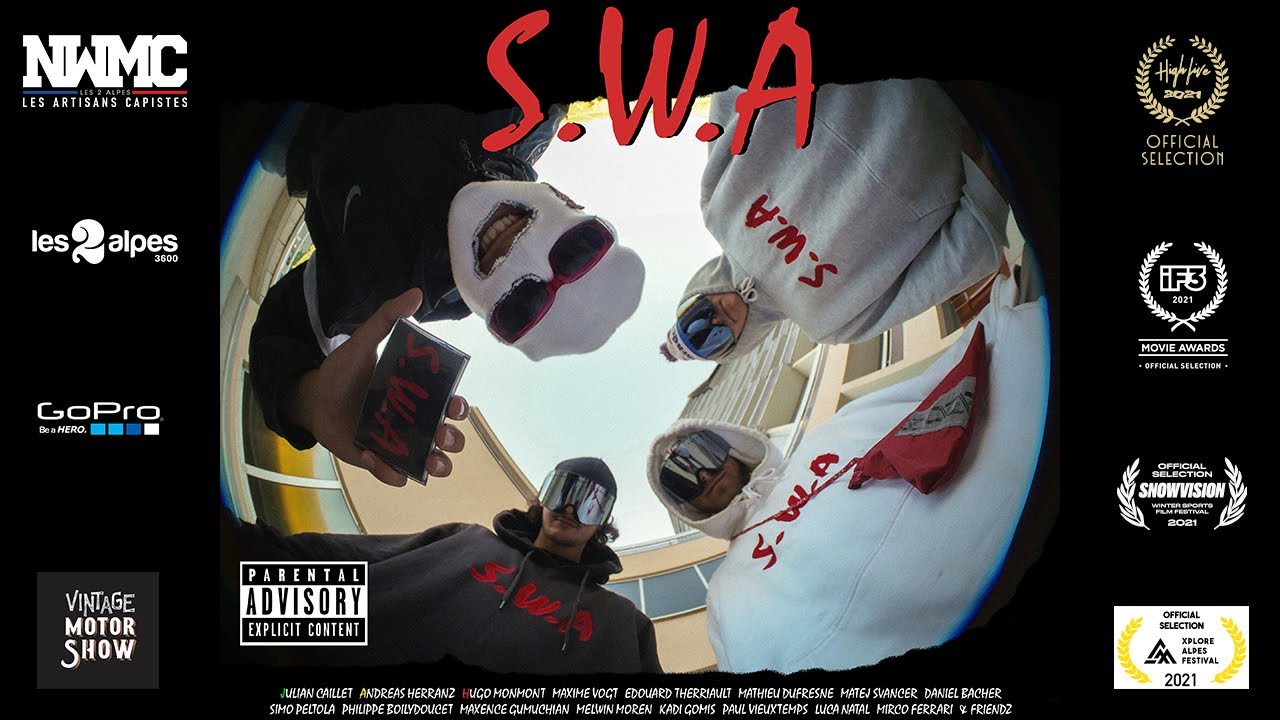
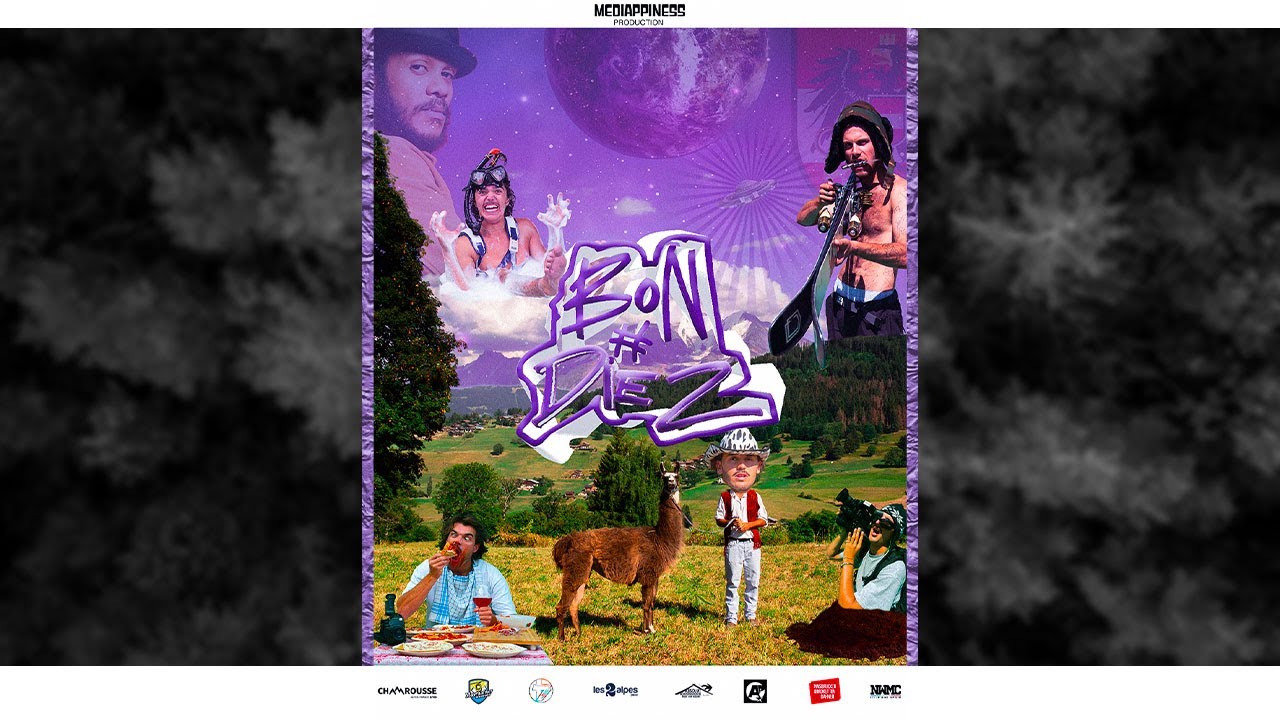
The earliest widely documented Mediappiness projects place the collective firmly inside modern European park skiing. S.W.A, short for Ski With Attitude, appeared in 2021 and framed skiing through a reference to hip-hop culture rather than through a conventional competition narrative. Bon Diez followed in 2022 as a longer park-focused movie with a broad rider cast including Julian Caillet, Andreas Herranz, Hugo Monmont and other European freeskiers. These films established the practical Mediappiness method: gather riders around a terrain that can be lapped repeatedly, let different styles coexist, and build a full edit from sessions rather than forcing a single athlete portrait. That approach gives the crew a recognisable place in French freeski culture, where a filmed season can matter as much as an official result.
Smash moved the crew from park laps to Lyngen backcountry
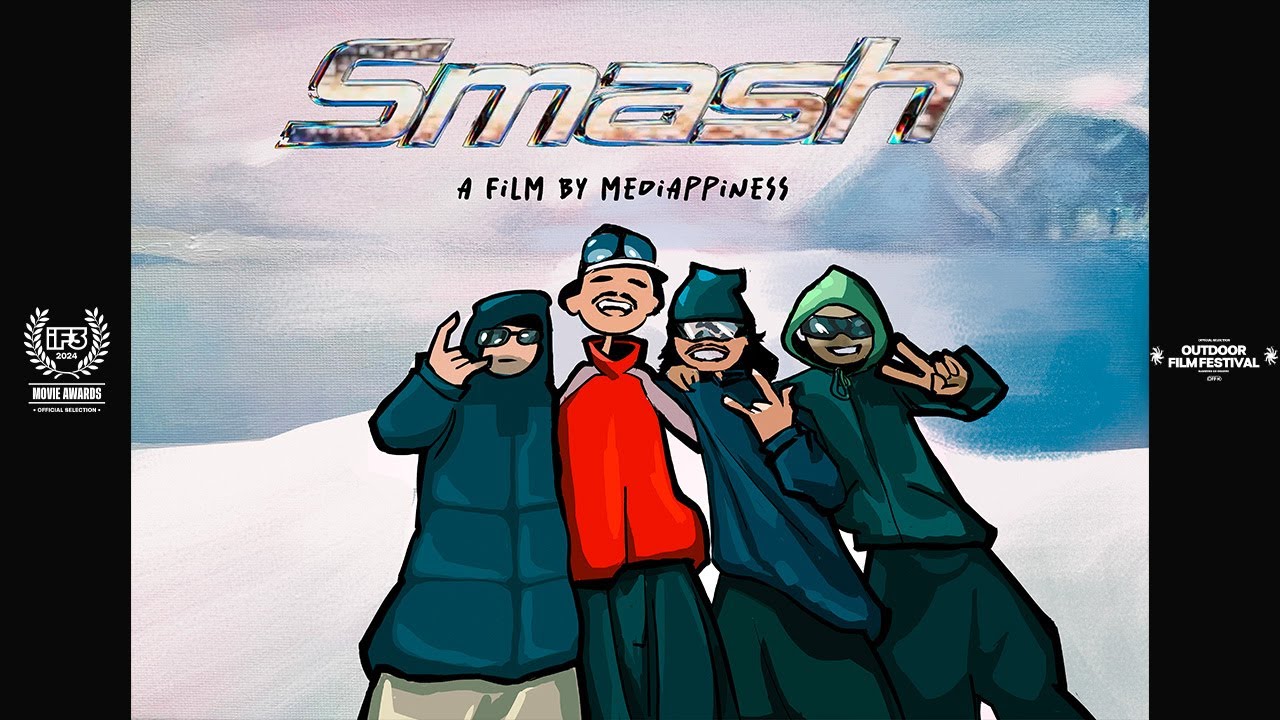
The 2024 film Smash marked a more ambitious change of terrain. Shot in Norway’s Lyngen Alps, the project was presented as Mediappiness’s first fully backcountry-focused production. Instead of relying on lift-accessed snowparks, the crew hiked with snowshoes, carried equipment and built features in remote mountain terrain. The film brought together Andreas Herranz, Julian Caillet, Léo Fourcade and Hugo Monmont, combining natural jumps, improvised construction and fjord-side landscapes. That shift matters because it widened the collective’s range without abandoning its original personality. Smash remains a freestyle film, not a high-alpine expedition documentary: the emphasis is on shaped takeoffs, trick ideas and group energy, simply transferred from groomed park snow to a self-built backcountry setting.
Hugo Monmont and a revolving French rider circle
Hugo Monmont is the clearest recurring creative figure in Mediappiness. He is credited across the crew’s films as director, filmer and editor, while also appearing as a skier in projects such as Smash. The roster around him is flexible rather than fixed, which is typical of a functioning crew instead of a formal team. Julian Caillet and Andreas Herranz are among the most visible recurring names, while Bon Diez and later edits brought in riders from France and elsewhere in Europe. This rotation is important to the collective’s character. A Mediappiness release can feel like a familiar local session while still drawing on different skiing backgrounds: contest-trained jump skiers, park regulars, filmmakers and guests who add another rhythm to the project. The result is not a standard sponsor showcase but a group film shaped by who was available, motivated and present for the trip.
Kläppen nights and Northern European park travel
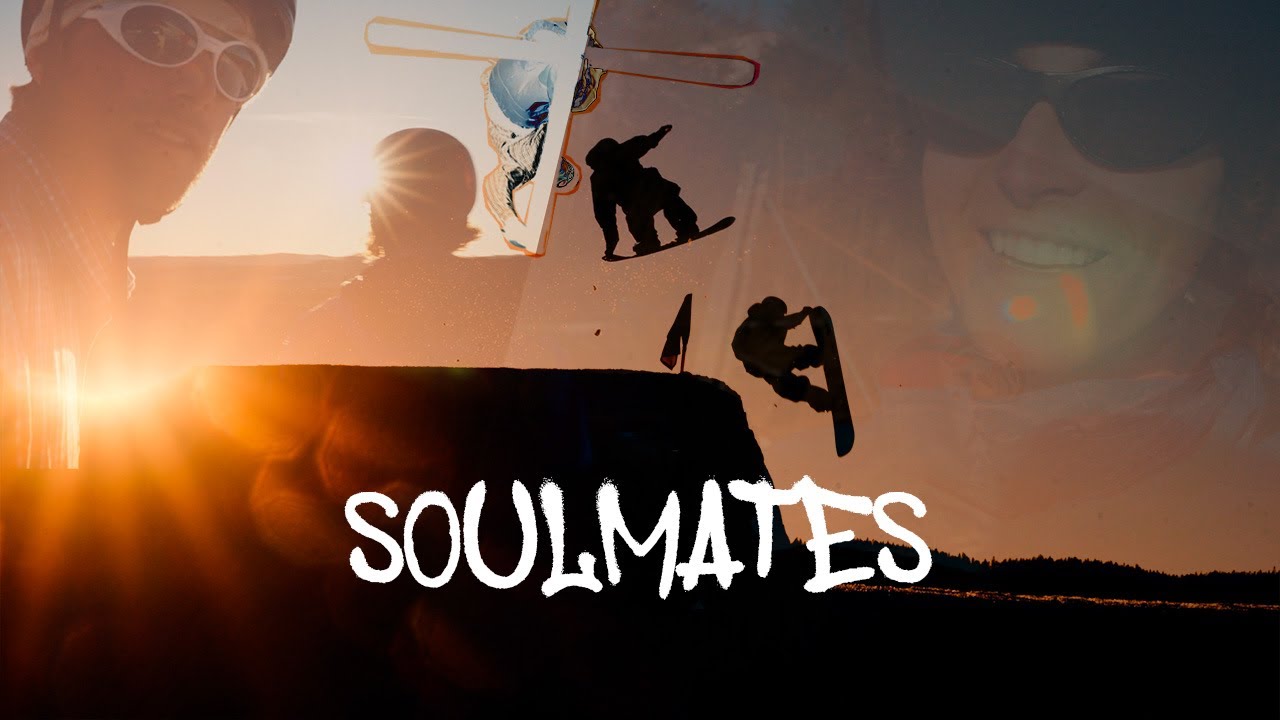
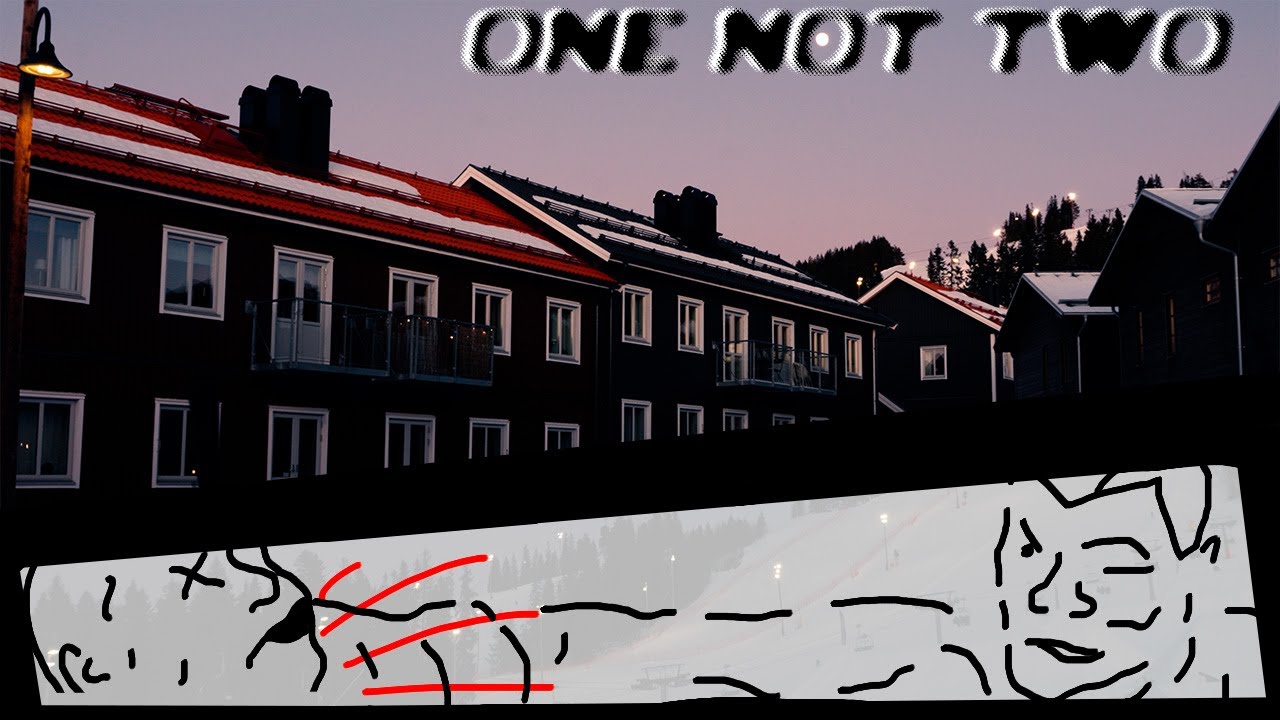
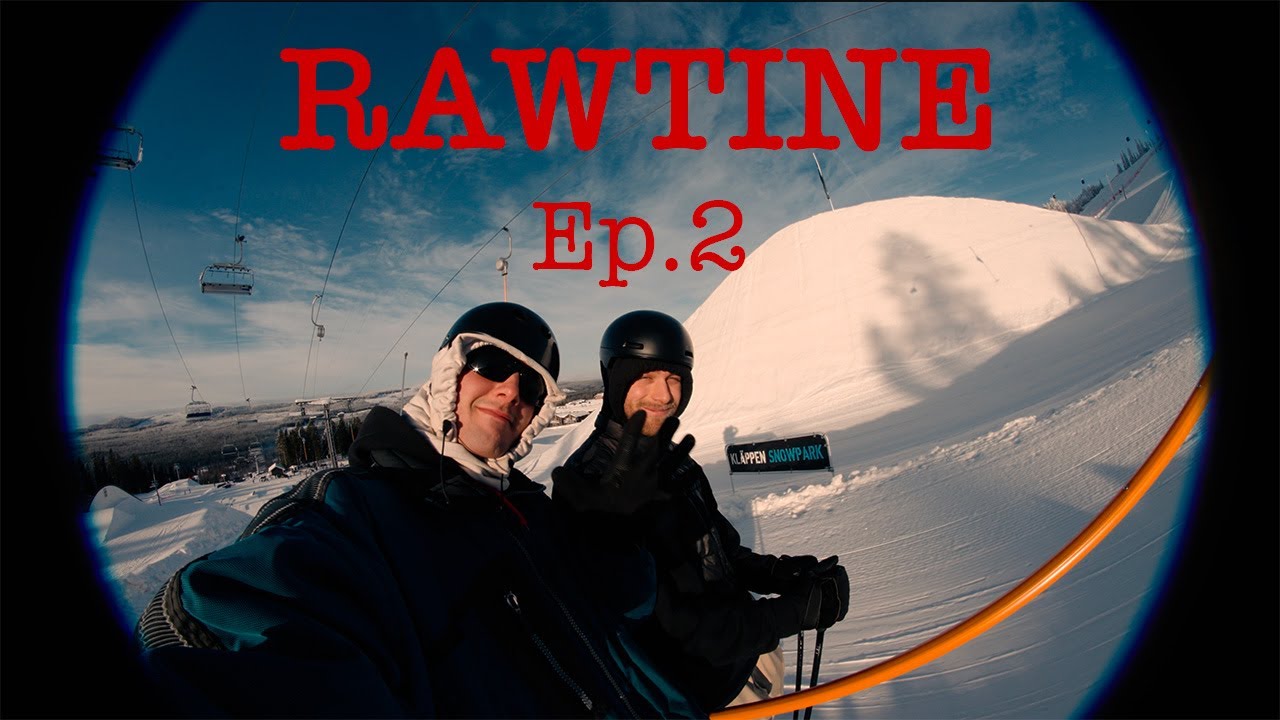
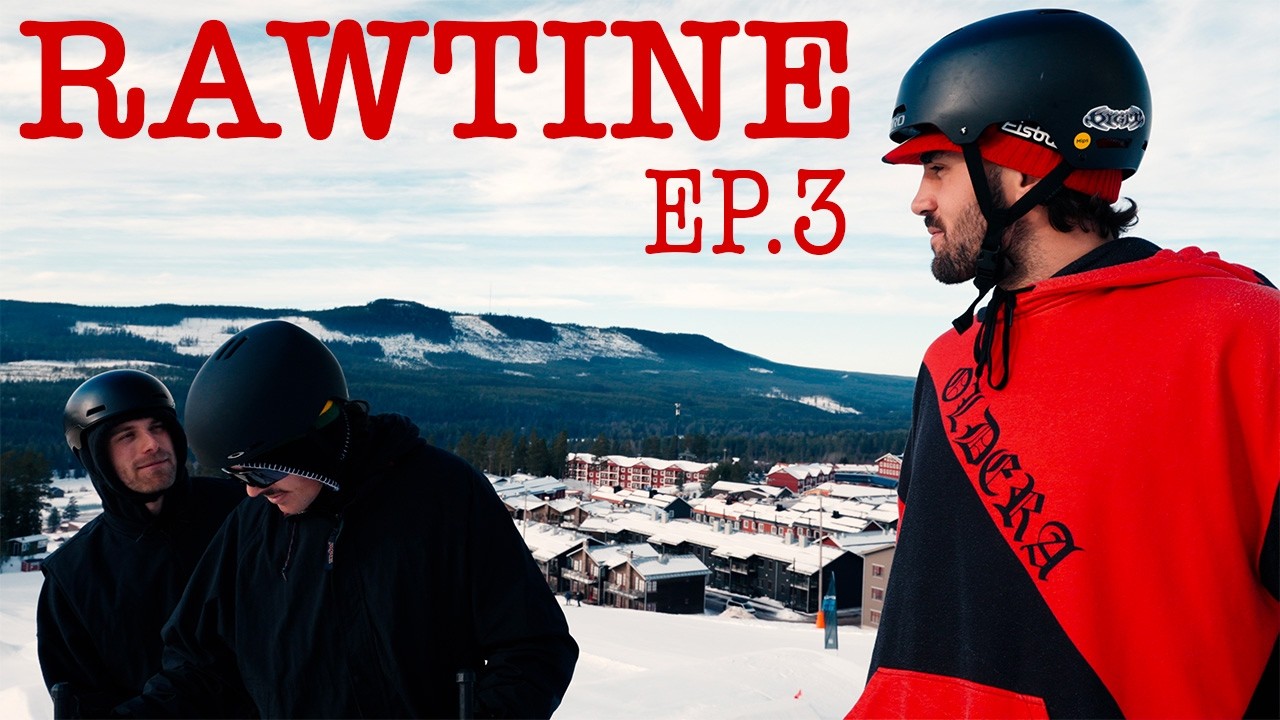
Mediappiness has also built a visible connection with Nordic park terrain. One Not Two, released in 2025, documented a French group session at Kläppen Snowpark in Sweden, with Andreas Herranz, Julian Caillet, Matéo Socquet, Kadi Gomis, Rémy Bouleux, Melwin Moren and Hugo Monmont among the credited riders. The project used Kläppen’s maintained features and long spring-light sessions as a setting for direct park skiing rather than a polished brand campaign. SOULMATES, another 2025 Mediappiness edit, continued that Swedish thread through a project built around the shared space between skiers and snowboarders. Those releases show how the crew uses travel: not as a reason to detach from its original identity, but as a way to find a different park layout, snow texture and session atmosphere.
A visual language built around sessions instead of spectacle
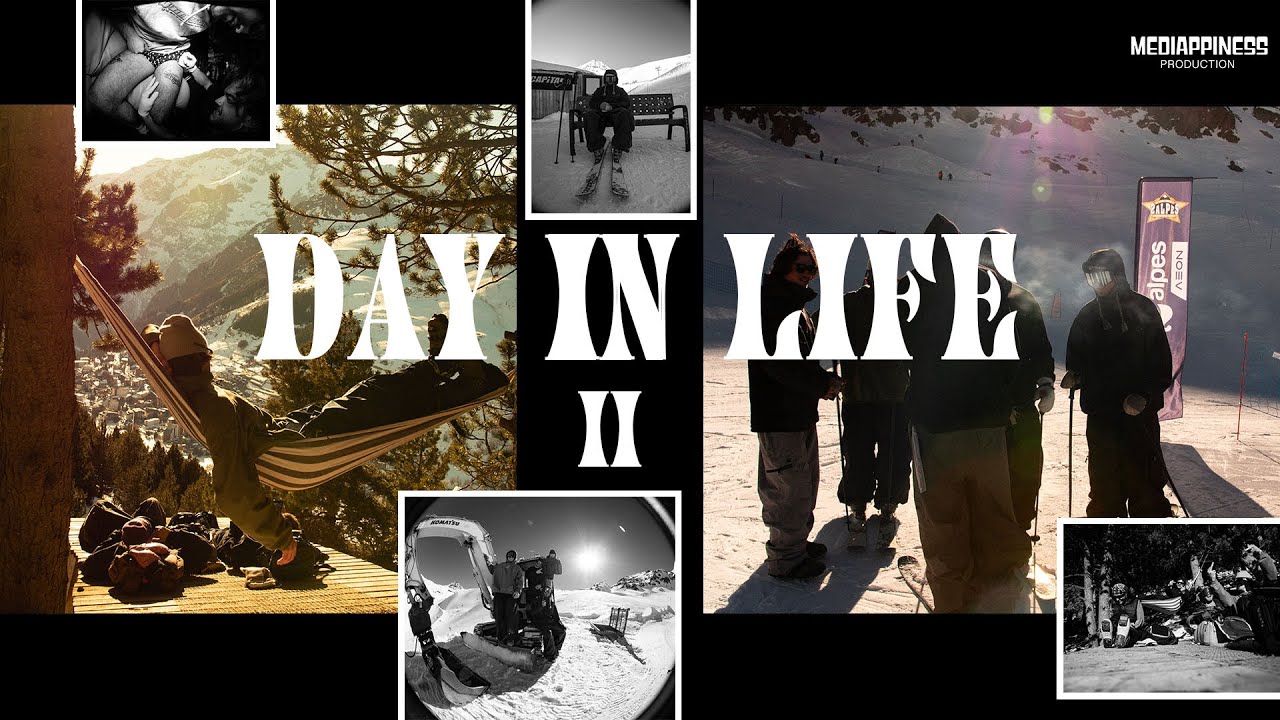
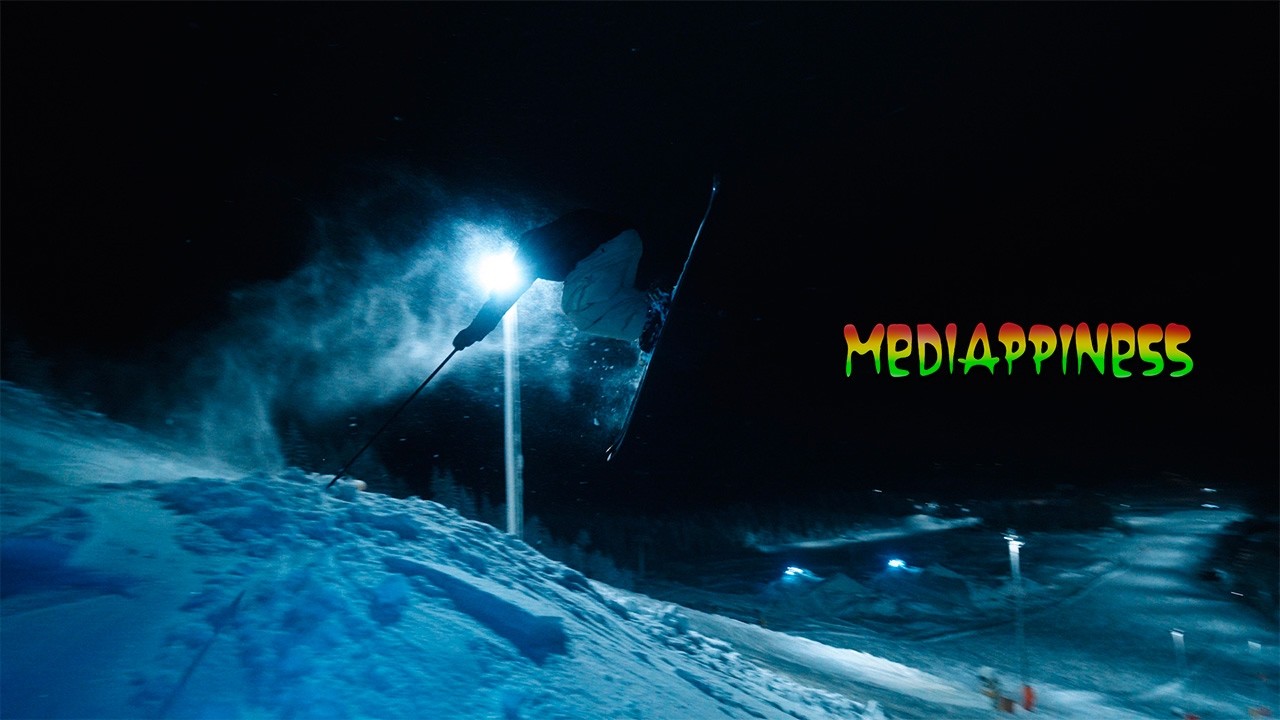
The public Mediappiness archive suggests a production approach based on proximity. Cameras stay close to riders, the edits leave room for personality, and the skiing is presented as a social process rather than a sequence of isolated hero shots. Park laps, rail hits, jump trains and small reactions between attempts are part of the frame. That makes the films accessible to viewers who recognise the practical side of freestyle skiing: waiting for a feature, fixing speed, repeating an idea and sharing the landing with friends. The crew can still present technical skiing, especially when riders such as Herranz and Caillet bring contest-level jump experience, but technicality is not treated as the only value. Mediappiness gives equal weight to timing, music, location and the mood around a session.
The 2026 Mediappiness Invitational expanded the project locally
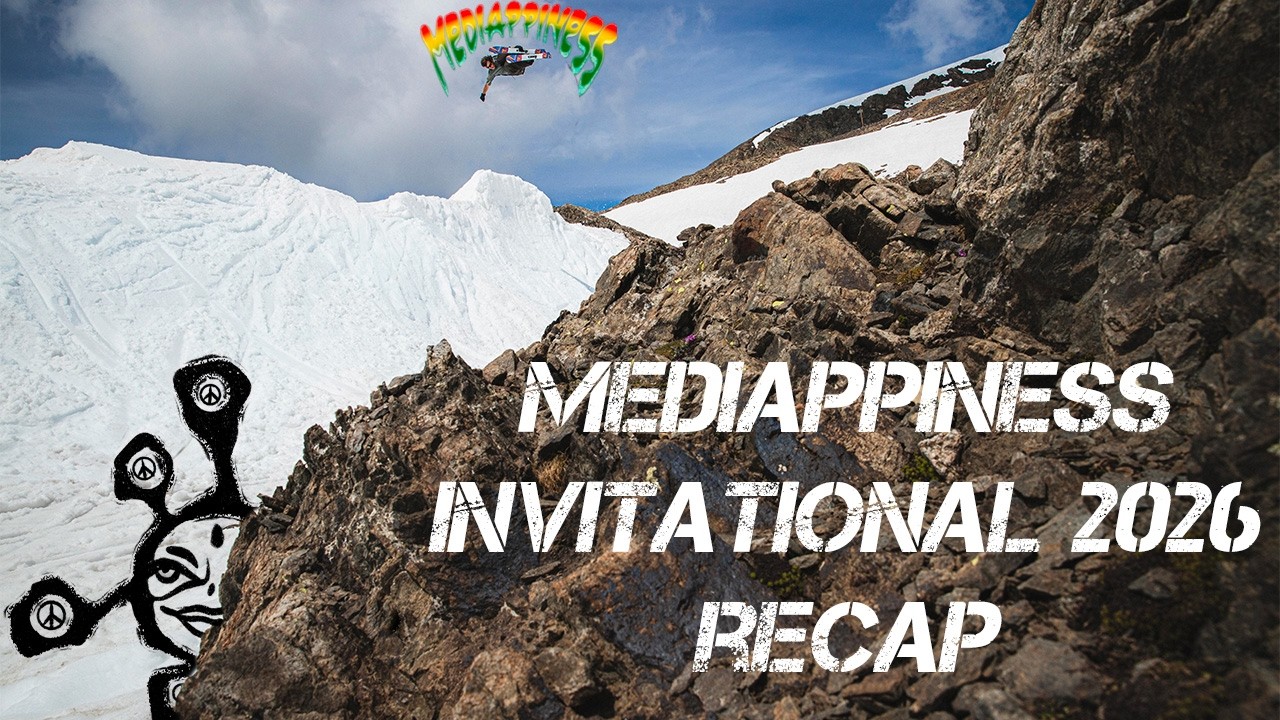
In June 2026, Mediappiness extended beyond film releases through the Mediappiness Invitational at Snowpark 3200 in Les Deux Alpes. The event combined a filmed jam session, cash-for-tricks format, amateur access, professional riders, skateboarding, music and a village atmosphere. This matters because it turns the crew’s film culture into a physical gathering. The event format matches what the videos already communicate: freestyle skiing is not limited to a timed run or a formal podium. It can include filming, local spectators, a shared park build and creative interpretation of the same features. The Invitational also gives Mediappiness a stronger connection to its home resort, placing the collective in a role that is part production crew, part cultural organiser and part local freeski platform.
Why Mediappiness matters to the current French freeski scene
Mediappiness is not yet a legacy studio with decades of film history, but it has become a credible current voice in French freeski. Its importance comes from consistency and direction: park films from the early 2020s, a wider European rider network, the Lyngen backcountry step in Smash, Swedish park edits and an event format in Les Deux Alpes. The collective shows that a small crew can grow without losing its connection to sessions and friends. For skiers following contemporary French freestyle, Mediappiness is useful as a record of where the scene is moving: away from a strict divide between contest skiing, park culture, video parts and local events, and toward projects where all of those elements can sit in the same frame.