Bosnia Herzegovina
Balkans
Bosnia-Herzegovina
Balkan ski region in the Dinaric Alps | Known for: Sarajevo 1984 Olympic mountains, Jahorina night skiing, Bjelašnica summit terrain, Igman Nordic legacy, Ravna Planina access and compact winter travel from Sarajevo | Season: December to March depending on snow and snowmaking | Best for: regional freeriders, park crews, budget ski trips, night laps and film crews seeking Olympic history with Balkan mountain texture
Sarajevo Mountains And The 1984 Olympic Spine
Bosnia and Herzegovina’s ski identity is concentrated around Sarajevo, where Bjelašnica, Jahorina, Igman and Trebević formed the mountain stage for the 1984 Winter Olympic Games. The IOC describes Bjelašnica and Jahorina as two alpine skiing resorts built for those Games, and that Olympic layer still defines the region’s winter image. The mountains are close enough to the capital to make ski days feel immediate rather than remote, with airport access, city lodging, old Olympic infrastructure and modern resort investments sitting inside the same winter map.
The country should be treated as a region rather than a single resort profile. Jahorina gives the strongest lift-served and night-skiing identity. Bjelašnica gives Sarajevo its sharper alpine mountain, rising to 2067 meters. Igman carries Nordic and Olympic memory through Veliko Polje and Malo Polje. Ravna Planina adds a smaller modern training hill near Pale. Vlašić, Kupres and Blidinje extend the broader Bosnian ski circuit with local hills, family terrain and lower-pressure repetition. For freeskiers, the value is compact variety, not giant vertical.
Jahorina Night Laps And Ogorjelica Flow
Jahorina Olympic Center is the country’s most developed ski name. The resort’s official site states 54 kilometers of alpine ski slopes, 18 vertical-transport installations, 10 homologated ski slopes and terrain prepared to FIS standards. The mountain reaches the Ogorjelica area around 1916 meters, with wide rolling pistes, forest-framed sections, night-skiing corridors and a resort base that has been modernized far beyond the old Olympic image.
For freeskiers, Jahorina’s strongest use is repetition. The terrain does not have the exposed scale of the Alps or the deep storm reputation of Japan, but it offers fast laps, evening skiing and enough gradient to build speed control. Night sessions are especially useful for park and rail-minded riders because they extend the day when temperatures stay cold. A crew can film groomer side hits, low-consequence jumps, piste transfers and small natural features without needing long drives between zones.
Bjelašnica Summit Panels Above Babin Do
OC Bjelašnica Igman gives the region its sharper alpine profile. The official winter page describes Babin Do on Bjelašnica, Veliko Polje and Malo Polje on Igman, with eight ski tracks and five children’s tracks at Babin Do, three gondolas, five ski lifts and lift access toward the 2067 meter summit of Bjelašnica. It lists 14000 meters of alpine skiing slopes on Bjelašnica and 2000 meters on Igman.
Bjelašnica matters because it feels more exposed than Jahorina. The upper mountain can be windy, firm and technical, with summit weather changing quickly. On cold days, that gives skiers chalk, speed and edge-pressure training. On warm days, it can expose the region’s vulnerability to freeze-thaw cycles and thin natural cover. The mountain rewards early starts, realistic snow assessment and respect for weather. It is best used as a clear-day alpine objective rather than a guaranteed daily park playground.
Igman Nordic Memory And Ravna Planina Utility
Igman carries a different Olympic role. Veliko Polje and Malo Polje were tied to Nordic disciplines and winter-sport infrastructure rather than alpine resort skiing alone. That gives the Sarajevo mountain system a wider story than piste mileage. A skier moving through the region is not only visiting lift areas; they are crossing a landscape where Olympic ambition, war damage, reconstruction and modern tourism all overlap.
Ravna Planina, near Pale, adds a practical training and family-skiing layer. Its official site presents a year-round ski center with ski slopes, gondola, ski kindergarten, ski rental, service, sledding and summer attractions. For freeskiers, Ravna Planina is useful as a smaller repetition hill. It can fit a mixed itinerary when Jahorina is crowded, when a crew wants controlled laps, or when weather makes larger objectives less appealing. Its role is not to replace the Olympic mountains. It fills gaps between them.
Park Culture Built From Practical Features
Bosnia and Herzegovina does not have a permanent freestyle venue with the international weight of Kläppen, Mammoth or Laax. Park infrastructure is more seasonal, practical and resort-dependent. That means freeskiers should travel with flexible expectations. Small jumps, boxes, rails, piste-side side hits, night-skiing features and natural transitions are the realistic vocabulary.
That limitation can still produce good footage. Compact hills help riders repeat attempts, control speed and refine rail technique. Jahorina’s evening sessions can create a clean visual mood under lights, while Bjelašnica gives a steeper alpine background when conditions line up. Bosnia’s freestyle value is strongest for crews that can build around what exists on the day rather than arriving with a fixed contest-course mindset. The best clips will come from adaptation, not from waiting for a perfect park build.
ITS THAT And The Skipowd Archive Link
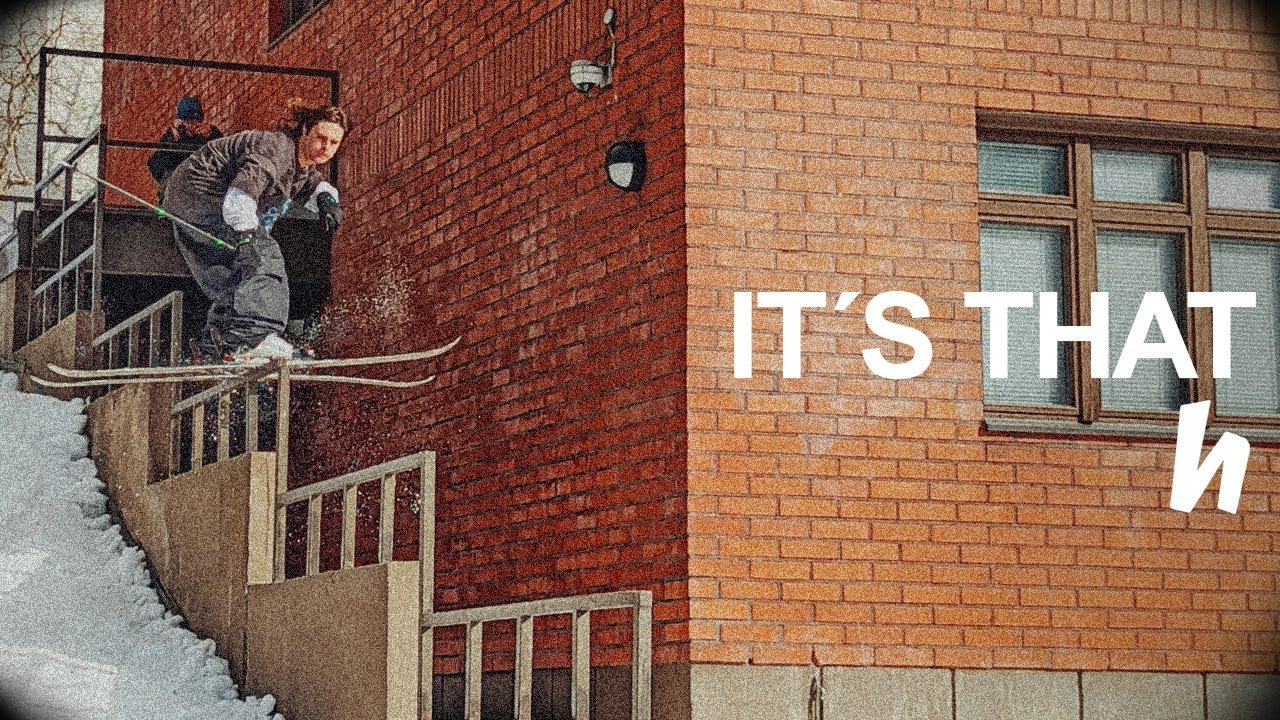
The verified skipowd.tv Bosnia Herzegovina page currently carries one video, “ITS THAT - TRAILER”, published in November 2022. That internal listing connects the location with riders including Bella Bacon and Henrik Harlaut, plus Harlaut Apparel Co. This does not make Bosnia a Harlaut home base or a primary athlete development hub. It gives the page a precise archive thread: street and park-oriented ski media moving through the Balkans as part of a wider European filming map.
The same video also places Bosnia Herzegovina beside Austria and Finland, which is useful context. Bosnia’s role in that set is not the biggest mountain or the most famous park. It is texture: Balkan city edges, Olympic mountain backdrops, affordable travel, and a winter landscape that looks different from the polished Alpine resort loop. For skipowd.tv, that makes the country valuable as a video location even with a small archive count.
Sarajevo Airport And Short Mountain Transfers
Logistics are one of the region’s strengths. Sarajevo International Airport sits close enough to the Olympic mountains that a ski trip can be based in the city, on Jahorina, at Bjelašnica Babin Do or around Pale. That gives crews several working models. A city base makes sense when combining skiing with filming, food, history and flexible weather calls. A mountain base works better for first-chair plans, night skiing or a short family trip.
Travel flow should stay simple. Use Sarajevo for arrival, then choose the mountain by condition. Jahorina is the better daily anchor for lift volume and night laps. Bjelašnica is the sharper call for clear, cold alpine mornings. Ravna Planina fits lighter sessions and local repetition. Vlašić, Kupres and Blidinje can extend a road trip, but they should be added only if conditions justify the drive. Bosnia works best when the itinerary stays compact and responsive.
Snow Reliability And The Climate Reality
The main planning issue is snow reliability. The Sarajevo Olympic mountains are mid-elevation by modern destination standards, with Bjelašnica at 2067 meters and Jahorina below that. Recent winters have shown how vulnerable these resorts can be to warm spells, especially when February temperatures rise quickly. Reuters reported muddy pistes and cancelled European Cup activity on Bjelašnica during a warm February 2024 period, while AP later described Bosnian mountain resorts expanding summer tourism as snow reliability becomes more difficult.
That does not make the region irrelevant for skiing. It makes timing more important. Mid-January through late February remains the best window for cold surfaces and natural snow. Early season often depends on snowmaking and staged terrain openings. March can work when cold cycles continue, but it can also flip into spring quickly. For park and film crews, the safest plan is to monitor resort updates closely and avoid building a trip around one specific feature or one specific week.
Mine Awareness And Off Piste Discipline
Safety in Bosnia and Herzegovina includes one issue that many ski destinations do not carry at the same level: suspected mine and unexploded ordnance areas away from managed terrain. Official mine-action documents have continued to list significant suspected hazardous areas in the country. That does not mean marked ski pistes are minefields. It means backcountry travel, abandoned infrastructure exploration and off-route filming should never be improvised without local knowledge.
For normal resort skiing, follow patrol instructions, respect closures and stay inside managed areas unless traveling with qualified local guides. For freeride or touring, use avalanche equipment, check local information, avoid unverified terrain and do not wander into abandoned Olympic structures or remote forest zones for footage. Bosnia has real mountain character, but it requires more respect than a simple budget-ski label suggests. Good skiing here starts with knowing where not to go.
The Bosnia Herzegovina Reason For Freeskiers
Bosnia and Herzegovina matters because it gives the Balkans a compact ski story with Olympic memory, city access and a still-developing freeski archive. Jahorina supplies the most consistent resort flow. Bjelašnica supplies summit terrain and Sarajevo 1984 weight. Igman preserves Nordic and Olympic context. Ravna Planina gives a modern smaller-hill option near Pale. The country’s value comes from movement between these places rather than from one dominant global resort.
For skipowd.tv, Bosnia Herzegovina deserves a 3/5 regional profile. It has verified video presence, credible Olympic heritage, several ski areas, night-ski potential and a distinctive Balkan visual identity. It does not yet have the global freeski infrastructure, snow reliability or park depth of a 4/5 region. The strongest editorial angle is precise: Bosnia and Herzegovina is a Sarajevo-centered Balkan ski region where Olympic mountains, affordable travel, night laps, climate volatility and careful safety awareness all shape the skiing.