Niklas Eriksson
Åre, Sweden | Active: 2009-present public ski record | Focus: slopestyle, street skiing, park edits, coaching | Current: former Swedish national freeski head coach and active Åre park skier
Åre Bräcke When The Snow Looked Too Cold To Slide
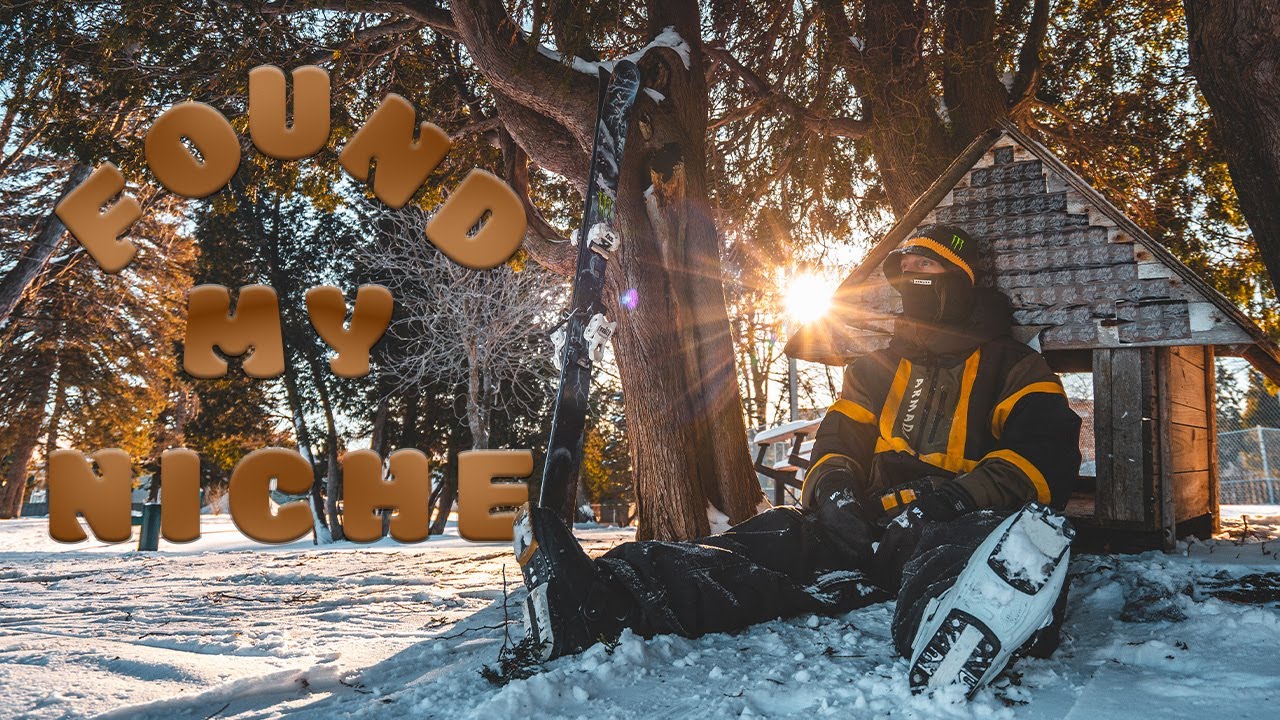
The Bräcke line in Åre sat under pale Swedish light, rails biting sharp and takeoffs scraped by park laps before lunch. Niklas Eriksson came through without the stiffness of a coach proving a point. He skied like someone returning to a language he never lost: butter into metal, corked rotation, quiet shoulders, and enough patience to let a simple feature breathe. BRÄCKED, released in 2025, works because it is not a comeback claim. It is a reminder. Eriksson had already been a street skier for Level 1 and Good Company, a Swedish national-team leader, and a background figure in one of Sweden’s strongest freeski eras. The Åre edit simply put skis back under the story.
Åre SLK Before The Film Credits
FIS lists Niklas Eriksson as a Swedish freestyle skier from Åre SLK, born in 1990, with FIS Code 2530846 and competition status marked not active. That official record gives the base, but it does not explain why his name kept moving through freeski culture after the contest sheet stopped mattering. Eriksson came from a Swedish scene that valued style as much as results. Åre gave him park laps, rail days, winter light, and a local culture where skiers could move between contests, edits, coaching, and crew sessions without treating those roles as separate careers.
SuperUnknown VI And The Yellow Tall Tee Era
The wider audience arrived through Level 1’s SuperUnknown. Newschoolers identified Eriksson as the 2009 SuperUnknown VI winner and remembered the visual clearly: a young Swedish skier in a yellow tall tee sending a double cork 1260 blunt off a large Sun Valley jump. That moment belongs to a specific freeski period. Style was loose, clothes were loud, edits moved fast, and skiers were testing whether slopestyle progression could still look relaxed. Winning SuperUnknown did not make Eriksson a mainstream contest star, but it placed him inside one of freeskiing’s most respected talent-search pipelines.
Level 1, Refresh, And The Street-Skier Label
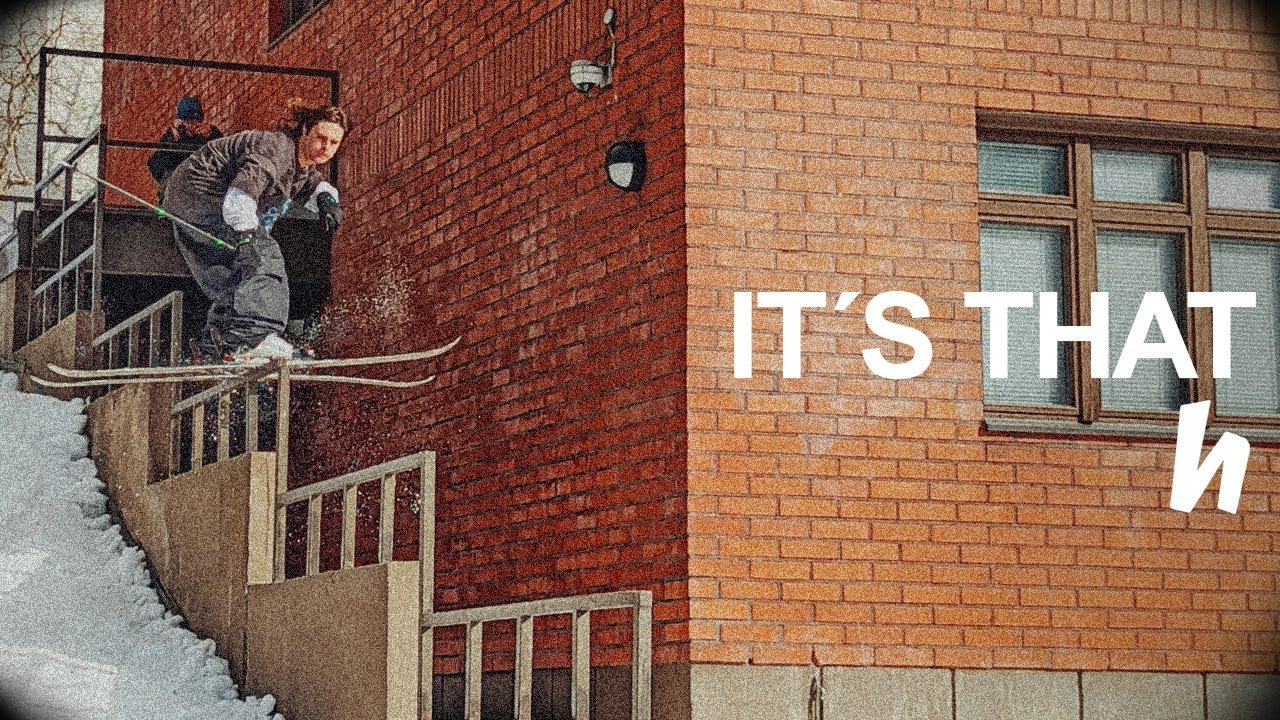
Eriksson’s film identity grew through Level 1. Newschoolers wrote that he had filmed with Level 1 multiple times, while later Two Planker notes named Refresh and One among his film credits. That matters because Level 1’s world was never only about the hardest trick. It rewarded spot selection, movement, rail use, music timing, and a skier’s ability to make a segment feel personal. Eriksson’s skiing fit that environment through butters, switch takeoffs, double cork control, rail comfort, and a relaxed Scandinavian posture that made technical tricks look less rehearsed than they were.
Line Skis, Nike, And The International Window
The 2012 Newschoolers profile also placed Eriksson on Line Skis’ international team and mentioned Nike support. That detail gives a useful snapshot of where he stood at the time. He was not only a Swedish local with a few edits. He had reached the brand layer that surrounded early-2010s park skiing, when Line, Level 1, Nike, tall tees, soft park skis, and web videos helped define the look of freeskiing for a generation of younger riders. His value was style-based rather than medal-based, but it was recognized by companies and media that understood the difference.
Baltic Ski With Good Company
Good Company later gave Eriksson another clear film setting through Baltic Ski. Downdays documented the project as Tom Wallisch and the Good Company crew exploring Finland and Sweden with public transportation, creativity, and city features instead of big mountain access. The cast included Tom Wallisch, Mike Hornbeck, Khai Krepela, Niklas Eriksson and Kevin Salonius. That crew context matters. Wallisch brought contest precision and film polish; Hornbeck brought technical style; Eriksson brought Scandinavian street fluency and local terrain sense. The film’s idea was simple but central to street skiing: with enough snow and imagination, a city can become a ski area.
Blue Parks And The Coaching Turn
In 2015, Freeride.se announced Eriksson as the new freeski coach for Blue Parks, describing him as a 25-year-old talent from Åre and a “style king.” He was set to act as the face and head freeski coach for Blue Parks ActionSports camps and Eurocamp at Dachstein. That role helps explain the later national-team transition. Eriksson did not jump from filming straight into an office. He moved through hands-on coaching: glacier camps, park progression, young riders, and the practical work of explaining speed, takeoff, rail pressure, and trick choice to skiers still building their own style.
Six Years With The Swedish Freeski Team
The Swedish Ski Association gives the strongest coaching record. Eriksson began working as a coach for the Swedish freeski team in the 2016-17 season, then became head coach after the 2018 Olympics. In 2024, the federation announced that he was leaving the role after six years as head coach. The results during that period were heavy: one World Championship gold, two Olympic bronze medals, 12 World Cup podiums, and several X Games medals. Those medals belong to the athletes, not to Eriksson personally, but they define his second career. He helped guide a Swedish men’s team that included Henrik Harlaut, Jesper Tjäder, Oliwer Magnusson, Hugo Burvall, Emil Granbom, and younger names coming through Europe Cup and World Cup systems.
Beijing, Calculators, And Swedish Big Air
Beijing 2022 gave Eriksson’s coaching role its most visible public moment. Swedish federation coverage described him as the head coach during a historic men’s big air qualification, where three Swedish skiers reached the Olympic final. In one report, Oliwer Magnusson secured his final spot with Eriksson and a calculator helping work through the scoring situation. That detail is small but revealing. Modern freeski coaching is not only motivational shouting from the finish. It means understanding scoring math, judging panels, trick strategy, rotation variety, athlete nerves, and when a safe enough jump can matter more than a bigger, riskier one.
Kläppen Still Has The Golden-Era Shape
Eriksson never stopped releasing skiing. Downdays described his 2024 Pop Yer Bottlez edit at Snowpark Kläppen as proof that the Swedish head coach could still ride with a “golden era” style. Kläppen is the right setting for that kind of skiing: soft spring snow, creative park features, rail lines, and a Swedish freeski culture shaped by Kimbo Sessions, Harlaut edits, and riders who treat style as a serious skill. The edit matters because it connects coach Eriksson back to rider Eriksson. His authority does not come only from team meetings. It also comes from still knowing how a park feature should feel underfoot.
BRÄCKED And The Thirty-Something Park Skier
BRÄCKED, released from Åre in 2025, sharpened that current image. Downdays framed him as a skier who had been a street slayer for Level 1 and Good Company, coach of the Swedish national team, and now a thirty-something park skier still showing younger riders something useful. That description works because it avoids nostalgia. Eriksson is not presented as a retired legend replaying old tricks. He is shown in a local park, moving with enough looseness to keep the old style alive while using the control that comes from years of watching elite skiers train, fail, adjust, and compete.
Why Niklas Eriksson Rates As A Culture Profile
Eriksson earns a 3/5 importance rating because his career has three verified layers: SuperUnknown VI winner and Level 1 / Good Company film skier, Swedish national-team coach during a medal-heavy era, and active park skier still releasing edits from Åre and Kläppen. A higher rating would overstate his athlete résumé because he does not have an Olympic start, X Games medal, World Cup podium, or major individual contest title. His value is more specific. He sits between riding, filming, coaching, and Swedish freeski continuity: the skier who helped shape style on camera, then helped another generation turn that style into medals.