Tom Wallisch
Pittsburgh, Pennsylvania, USA | Active: FIS record listed as not active | Discipline: freeski slopestyle, urban, park filming | Verified: X Games Slopestyle gold, 2013 World Champion, Dew Tour titles, Guinness rail-grind record | Current: LINE pro-model skier, Good Company creator, commentator and event builder
Aspen Under Lights Before The Scoreboard Caught Up
Buttermilk was hard under the January lights, the slopestyle landings polished by repeated runs and Colorado cold. Tom Wallisch dropped for his final attempt, skis flat through the rails, then carried the run into the last jump without visible panic.
The score came back as 96.00 at X Games Aspen 2012, the highest men’s ski slopestyle number recorded at the event at that time. Nick Goepper had pushed the final, Andreas Håtveit was still in the medal fight, and the field was stacked with skiers who would define the Olympic transition. Wallisch’s run did more than win gold. It made clean execution, rail precision, and composure look as valuable as raw spin count.
Superunknown Before The Industry Knew His Name
Wallisch’s career did not begin with federation selection or a resort-town mythology. He came from Pittsburgh, Pennsylvania, and used online footage to force his way into freeskiing’s attention. In 2007, his Level 1 Superunknown edit became the kind of video skiers passed around because the tricks felt both technical and calm.
That origin matters because it shifted the old ladder. A skier could be seen through a web edit before a podium, before a formal sponsor contract, before a magazine feature. Wallisch’s early street and park footage showed 270s, pretzels, switch-ups, rail control, and landings so composed that viewers studied posture as much as trick names. The city kid became proof that skiing’s gate was opening wider.
Northstar, Breckenridge, And The Dew Tour Climb
The contest results arrived after the edits had already built pressure. Wallisch’s pre-2012 run moved through Northstar, Breckenridge, Killington, Snowbasin, Dew Tour finals, AFP rankings, and the first large slopestyle audiences before the sport’s Olympic debut. He was not only a video skier learning contests late.
By the early 2010s, his runs were built with a clear structure: technical rail entries at the top, switch direction through the middle of the course, then doubles and 1080s or 1260s through the jump line. Dew Tour courses demanded speed control on firm man-made snow, especially at Breckenridge and Killington, where cold air and early-season surfaces could make takeoffs sharp. Wallisch turned those controlled environments into a scoring language that looked almost effortless.
Tignes, Aspen, And The 2012 Season Spike
The 2012 season became the cleanest competitive block of Wallisch’s career. He won X Games Aspen slopestyle, took silver at X Games Europe in Tignes, won Dew Tour stops, collected the overall Dew Cup, and finished at the top of the AFP slopestyle rankings. Freeskier later framed that season around seven podiums and two X Games medals.
Tignes gave the year a different texture from Aspen. The French Alps course sat high above the valley, with European X Games crowds pressed against the slope and changing mountain light altering speed reads through the day. Bobby Brown won the 2012 Tignes final, but Wallisch’s silver kept him at the center of the season. He was not winning only on American snow or only under one judging style.
Voss When The Weather Turned
The 2013 FIS World Championships in Voss/Myrkdalen gave Wallisch his official world title. The final was hit by clouds and wind as riders dropped, and several skiers struggled to finish clean runs. Wallisch put down a technical, composed line and moved ahead of James Woods and Nick Goepper.
That title matters because it sits outside X Games branding. FIS World Championships results are recorded in a different system, with national-team context and official federation weight. Wallisch had already won the core action-sports stage at Aspen. Voss gave him the championship version, on Norwegian snow, against riders who were preparing for a slopestyle world about to move into the Olympic frame.
The Pretzel Man And The Still Landing
Wallisch’s skiing became recognizable because the tricks looked settled before they were over. His technical vocabulary included pretzel 270s, switch 270s, disaster rails, lipslides, back swaps, switch-ups, unnatural spins, double corks, 1080s, 1260s, safety grabs, mute grabs, Japan grabs, and a landing posture that became part of his image.
The “afterbang” language around Wallisch came from that stillness. He could land a hard rail trick or jump rotation and freeze the body into a low, composed shape, as if the trick had never threatened to pull him off balance. Compared with Bobby Brown, he was less defined by one-jump progression. Compared with Henrik Harlaut, he was less theatrical at the takeoff. Compared with Nick Goepper, he looked less rigidly contest-built. Wallisch made technical skiing feel casual without making it simple.
Sochi From The Outside
The Sochi 2014 Olympic story did not give Wallisch the ending that his 2012 and 2013 results suggested. He tore his ACL during the qualification period and missed the U.S. Olympic team. The first Olympic men’s slopestyle final went on without him, with Joss Christensen, Gus Kenworthy, and Nick Goepper sweeping the podium for the United States.
That absence shaped how his career is remembered. Wallisch helped define Olympic-era slopestyle before the Olympic camera arrived, then watched the debut from outside the start gate. The injury did not erase the competitive record, but it changed the timeline. He had already won X Games, Dew Tour, AFP titles, and the world championship. The one blank line is the Olympic start that never became his stage.
The Wallisch Project And The Solo Edit Model
The Wallisch Project, produced with cinematographer Kyle Decker, showed how Wallisch understood media before many athletes treated self-directed content as essential. The short film focused a full season into a compact digital part rather than leaving his footage scattered through a large team movie.
The project mattered because Wallisch was not only performing for a camera. He was helping decide how footage was packaged, distributed, and remembered. The film linked street skiing, park jumps, backcountry shots, and clean trick selection in a way that suited the internet better than a traditional DVD cycle. It also kept his video identity alive during the same period when contest skiing was being pulled toward Olympic qualification.
Good Company From Urban Rails To Powder Landings
Good Company became the long-form home for Wallisch’s post-peak skiing. Vice Versa, released in 2016, brought together urban, park, and backcountry footage with Tim McChesney, Niklas Eriksson, John Ware, Magnus Granér, Thayne Rich, and other skiers around the crew. The tone was friend-led rather than federation-clean.
Cruise Control, released in 2019, followed Wallisch after his 2018 knee injury as he pushed toward powder and backcountry skiing with Tim McChesney and filmer AJ Dakoulas. That shift did not turn him into a pure big-mountain skier. It showed a park technician testing softer landings, natural takeoffs, and looser travel rhythm after years of rails, contests, and hard impacts.
Good Company’s value sits in that continuity. Wallisch kept the same visual priorities: clean tricks, friends, humor, speed, and a refusal to make skiing feel distant from the people watching it online.
Seven Springs And The Rail That Would Not End
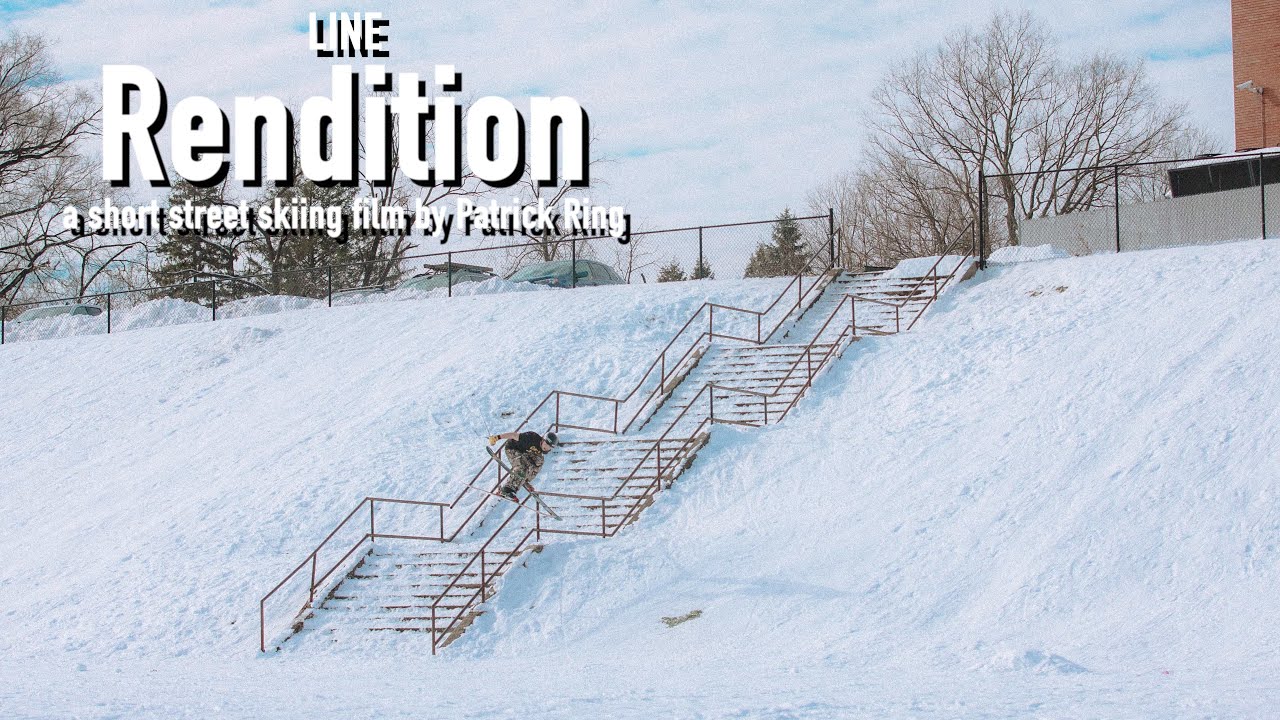
In 2016, Wallisch returned to Pennsylvania for a rail record that matched his origin story. At Seven Springs Mountain Resort, he slid 128.656 metres, or 422 feet 1.1 inches, to set the Guinness World Records mark for longest rail grind on skis.
The setup was not a normal street rail found behind a school or factory. Snow Park Technologies built a custom steel feature weighing more than 10,000 pounds, and Wallisch spent days working through attempts before completing the slide. The record linked the Pittsburgh skier back to rail culture in a literal way. After X Games gold, world titles, and film projects, his most measurable record came from staying balanced on steel longer than any skier before him.
LINE Skis And The Pro Model That Stayed Current
Wallisch’s relationship with LINE gives his legacy a product shape. The Tom Wallisch Pro ski remains in LINE’s 2026 range, developed with him and built as a high-performance park ski with a 90 mm waist, symmetric flex, Capwall construction, thick-cut sidewalls, and reinforced park durability.
That matters because many pro models disappear once an athlete leaves the main contest circuit. The TW Pro stayed relevant because Wallisch’s style remained a reference for park skiers: rails, urban impact, switch landings, controlled spins, and tricks that need low swing weight without losing strength. The ski became more than a signature graphic. It became a tool for skiers trying to copy the same calm technical language that made his edits replayable.
Commentary, Steel City, And The Giveback Years
Wallisch’s later role moved into commentary, event building, mentoring, and keeping athlete voice inside the sport. He has worked as an X Games ski analyst and Olympic commentator, translating slopestyle, big air, knuckle huck, and halfpipe for audiences who may not understand why one 270 matters more than another.
Steel City Showdown brought that same logic back to rail skiing. Instead of treating rails as the old chapter of his career, Wallisch used Seven Springs and the Pittsburgh-area identity to give younger skiers a visible jam format. The event fits the biography: a skier made by online clips and steel features returning to build a stage where style, peer respect, and technical rail work can still carry weight.
The Skiers Who Learned From The Footage
Wallisch’s influence is clearest in the generation that learned by replaying edits. His impact runs through rail-first slopestyle, online self-promotion, short films, Good Company-style crews, pro-model park skis, and the idea that a skier from outside a mountain town could still build a world-class career through footage.
Alex Hall’s rail imagination, Colby Stevenson’s smooth transitions, Henrik Harlaut’s style-first argument, Phil Casabon’s street vocabulary, Ferdinand Dahl’s playful course skiing, and the LINE Traveling Circus universe all live in a sport Wallisch helped make more open. He did not invent technical rail skiing, urban skiing, or online edits. He made them feel central enough that the next generation had to pay attention.
The Footage Path Now
For skipowd.tv, the Tom Wallisch watch path should start with the 2007 Superunknown edit, then move into Level 1 and 4bi9 segments for the early online rise. The contest chapter runs through X Games Europe 2010, X Games Aspen 2012, Tignes 2012, and Voss 2013.
The later viewing path is just as important: The Wallisch Project, Good Company One, Vice Versa, Cruise Control, Imagination, the Seven Springs rail record, Steel City Showdown, and current LINE Tom Wallisch Pro material. FIS lists him as not active, but the influence is still visible every time a skier treats a rail, a web edit, or a local hill as enough to build a career from.