Dick Barrymore
Los Angeles, California / Ketchum, Idaho | Active film record: 1960s-1980s | Known for: The Last of the Ski Bums, The Performers, hot dog skiing, U.S. National Ski Hall of Fame | Role: ski filmmaker, narrator, freestyle culture pioneer
Aspen Bumps Before Freestyle Had A Name
The mogul line in Aspen looked raw, steep and uneven, long before manicured slopestyle courses or Olympic halfpipes existed. Dick Barrymore pointed his camera at skiers throwing aerials, twisting off bumps, dropping knees, laughing through crashes and skiing like rules were something to be edited out later.
That is the correct doorway into Barrymore’s legacy. He was not a freestyle competitor in the modern sense, and he should not be filed as an X Games or World Cup athlete. His influence came from filming the moment when skiing loosened its collar. Through his ski movies, narration and road-show screenings, he helped show American audiences that skiing could be funny, reckless, stylish, acrobatic and culturally alive.
Los Angeles Fireman To Ski Film Roadman
The U.S. National Ski Hall of Fame lists Barrymore as born in California in 1933, with Los Angeles as his hometown. Before he became one of the names attached to the golden age of ski films, he worked far from the polished image of alpine resorts. His film career grew from the travel-show tradition: shoot in winter, edit, then tour the country with reels and stories.
That model mattered. Ski films in Barrymore’s era were not released through streaming platforms. They were shown in ski clubs, school auditoriums, movie houses and community halls, often with the filmmaker personally narrating the action. Barrymore’s wit and timing became part of the product. The audience was not only watching skiing; it was spending an evening with the person who had chased it across continents.
Squaw Valley And The First Camera Winter
Ski Racing Media’s obituary states that Barrymore began his ski-film career at the 1960 Winter Olympics in Squaw Valley, California. That starting point placed him near the formal, competitive version of the sport before his work drifted into freer, louder territory.
The contrast is useful. Olympic skiing in 1960 still revolved around racing, national teams and clean alpine form. Barrymore’s later films kept some of that race-world speed, but he was drawn toward skiers who treated the mountain less like a course and more like a playground. Powder, moguls, travel, parties, tricks and road life became subjects worth filming, not distractions from the sport.
Ski West Young Man And The Club-Film Circuit
The Hall of Fame credits Barrymore with nine 90-minute features, including Ski West Young Man and The Last of the Ski Bums, plus roughly thirty shorter films such as A Bit of Madness, The Derby, The Portillo Story and Canadian Mt. Holiday. Those titles show the range of the work: resorts, events, travel, characters and the growing mythology of winter freedom.
His movies helped publicize skiing at a time when images from distant mountains still felt rare. A viewer in a Midwestern auditorium could see Portillo, powder, European resorts, mogul contests and ski-bum travel without leaving town. That exposure helped turn skiing into a dream of movement: cars, lodges, chairlifts, nightclubs, friends, tricks, bad jokes and long winters lived on purpose.
The Last Of The Ski Bums Across Four Continents
The Last of the Ski Bums, released in 1969, remains Barrymore’s most recognizable cultural marker. Public film listings describe it as following Ron Funk, Mike Zuetell and Ed Ricks, with Barrymore and a 16mm Bolex camera tracking part of their nomadic ski-bum life across several continents.
The film matters because it documented an attitude, not just terrain. Ski bumming was presented as a full life choice: moving between resorts, finding snow, surviving cheaply, skiing hard and accepting instability as the cost of freedom. The style now feels familiar across surf films, skate videos and modern ski edits, but Barrymore was already building that language in the analog era.
The Performers And The Hot Dog Spotlight
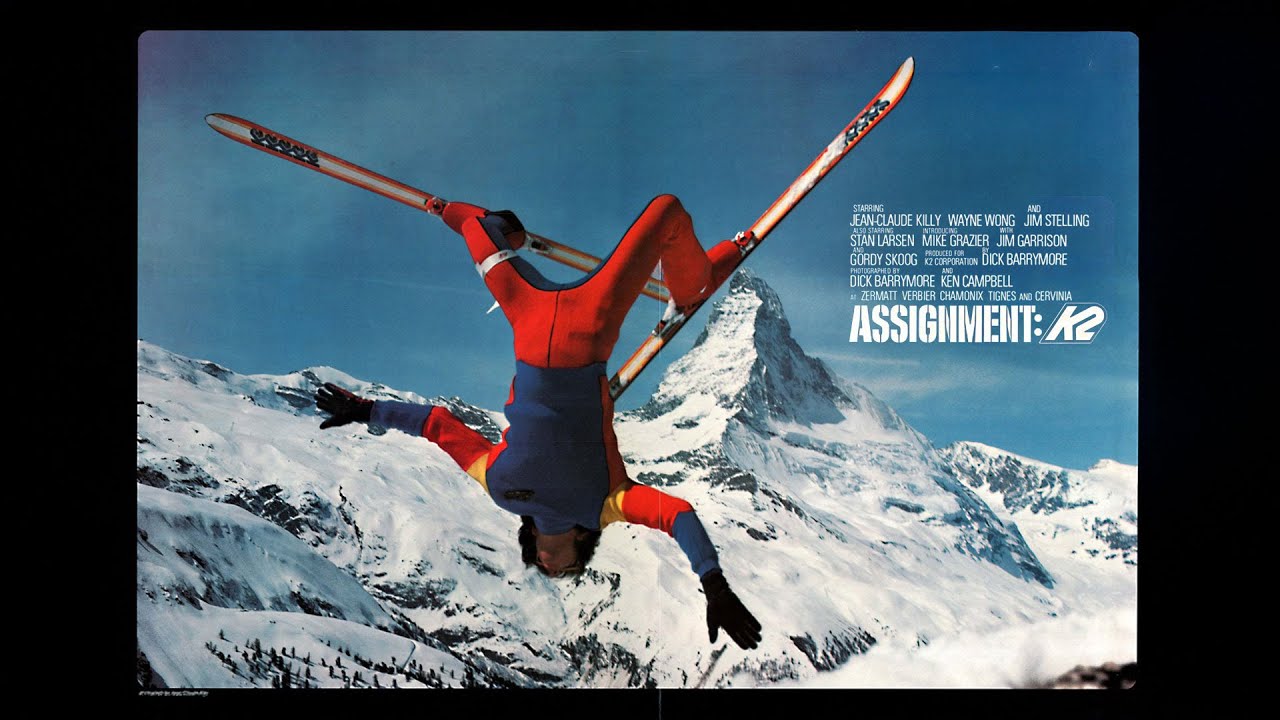
The Performers is the film that most directly connects Barrymore to freestyle skiing. Sun Valley Magazine describes it as a 1971 film starring the K2 demonstration team, putting the early hot dog movement into a bright spotlight with aerials, moguls and acrobatic skiing set against blue skies and music.
That film helped audiences understand a new ski culture before “freestyle” had settled into formal disciplines. Hot dog skiing was not only tricks. It was swagger, bump rhythm, crowd noise, improvisation and a willingness to make skiing theatrical. The Hall of Fame specifically notes that two films for K2 and The Performers were early depictions of freestyle skiing, placing Barrymore near the sport’s visual foundation.
How Barrymore Filmed Skiing Differently
Barrymore’s strength was not technical perfection alone. It was timing, character and the sense that the camera had joined the trip. His films mixed powder turns, mogul lines, crashes, travel scenes, narration and humor. He understood that skiing on screen needed rhythm: a turn sequence, a cutaway, a joke, then a new face or mountain to keep the room awake.
That approach separated him from pure instructional film. He made skiing feel socially contagious. A clean turn mattered, but so did the skier’s expression, the place, the sound, the road story and the feeling that winter could be chased. Modern ski edits still use that formula, even when the camera is digital and the tricks are far beyond what early hot doggers could imagine.
Powder, Moguls And The Hot Dog Archive
Skiing History describes Barrymore as documenting powder skiing and mogul skiing while celebrating hot dogs who performed daring feats on skis. That mix is central to his value for skipowd.tv. He filmed the bridge between classic alpine skiing and the more expressive forms that later produced freestyle, freeride, park skiing and the video-part economy.
His camera did not isolate one lane. It captured powder freedom, mogul aggression, acrobatics, travel and comic personality. That broad archive makes him relevant to more than one category. A freestyle skier can see early roots. A film skier can see genre structure. A resort skier can see the old dream of loading a car and finding snow.
Breaking Even And The Life Behind The Reels
Barrymore later wrote Breaking Even, published in 1997, which the Hall of Fame describes as the story of one man’s passion for the outdoors. Skiing History also cites the book and includes one of his clearest reflections on the ski-film craft: with a normal movie, the story comes first; with a ski film, the story is built from what the filmmaker managed to shoot.
That sentence explains the risk of the work. Weather could fail. Snow could disappear. A skier could crash. A camera could miss the line. In Barrymore’s era, film stock was expensive and feedback was slow. The editor did not review every shot instantly in a lodge. The movie emerged later, from whatever winter had allowed him to capture.
Hall Of Fame Beside Jay And Miller
Barrymore was elected to the U.S. National Ski Hall of Fame in 2000. The Hall’s biography places him beside John Jay and Warren Miller as part of the group of ski filmmakers whose road shows delighted audiences and encouraged new people to try the sport.
That comparison is important, but Barrymore’s lane is specific. Miller became the household name of annual ski-film entertainment. Jay helped build the earlier lecture-film tradition. Barrymore’s strongest identity sits closer to the rebel edge: ski bums, K2 hot doggers, powder characters, freestyle energy and the idea that skiing could be less polished and more alive.
After The Camera: Mexico And Ketchum
Skiing History notes that Barrymore developed Pulmo Beach Resort in Cabo Pulmo, Mexico, and died at his Ketchum, Idaho home on August 1, 2008, at age 74. Ski Racing Media also reported his death in Idaho and described him as an innovative ski-film pioneer and Hall of Fame member.
Those later details fit the larger pattern. Barrymore’s life did not read like a narrow sports résumé. It moved through mountains, film, travel, business, storytelling and outdoor obsession. His archive is therefore not only a set of ski clips. It is a record of how skiing sold freedom to people sitting far away from snow.
What His Films Changed For The Next Generation
The clearest legacy is visual permission. Barrymore helped make room for skiers who were not simply racers, instructors or polished resort models. His films showed ski bums, hot doggers, mogul performers and powder wanderers as worthy subjects. That mattered for every later skier whose career depended on a camera more than a timing sheet.
The line from The Performers to modern freestyle is not mechanical, but it is visible. Hot dog skiing moved into organized freestyle, then into moguls, aerials, ballet, halfpipe, slopestyle, big air, street edits and park films. Barrymore did not create all of that alone. He filmed enough of the early attitude for later generations to recognize where part of their culture came from.
Where The Barrymore Archive Belongs
The strongest skipowd.tv tags for Dick Barrymore are The Last of the Ski Bums, The Performers, Ski West Young Man, Wild Skis, K2 demonstration team, hot dog skiing, freestyle origins, ski film, U.S. National Ski Hall of Fame, Breaking Even, Aspen, Squaw Valley, Sun Valley, Ketchum and ski-bum culture.
The current endpoint is historical rather than current: Barrymore died in 2008, but his films remain part of the foundation beneath ski movies, freestyle storytelling and the culture of skiers living for winter. Future updates should add restored clips, official film releases, archive interviews or museum material that helps preserve the humor, motion and hot dog energy he put on screen.