Verbier
Alps
Switzerland
Swiss freeride resort in Valais and gateway to the 4 Vallées | Known for: Bec des Rosses, Xtreme Verbier, Mont Fort at 3330 meters, 410 km of slopes, marked freeride itineraries, La Chaux snowpark, Faction roots, and a deep film and competition culture | Season: November to April | Best for: advanced freeriders, FWT followers, alpine film crews, park riders, and skiers who want serious terrain with a high-energy resort base
Bec Des Rosses And The Verbier Freeride Standard
The Bec des Rosses rises above Verbier to 3223 meters, with the Freeride World Tour describing its competition face as a 607 meter vertical drop with 43 degree slopes. Those numbers explain why the mountain carries more weight than a normal resort landmark. The face is not famous because it looks dramatic from town. It is famous because riders must link exposed ridges, tight couloirs, cliffs, snow texture, and full-line control under the heaviest pressure in freeride.
Verbier 4Vallées gives that freeride culture a huge lift-linked base. The official ski area lists 410 km of slopes, a highest point at Mont Fort at 3330 meters, and a season that typically runs from November to the end of April. Verbier is not only a final-stop competition venue. It is a full alpine system where resort laps, freeride routes, park sessions, touring exits, and brand culture all sit close together.
Mont Fort Height And The 4 Vallées Web
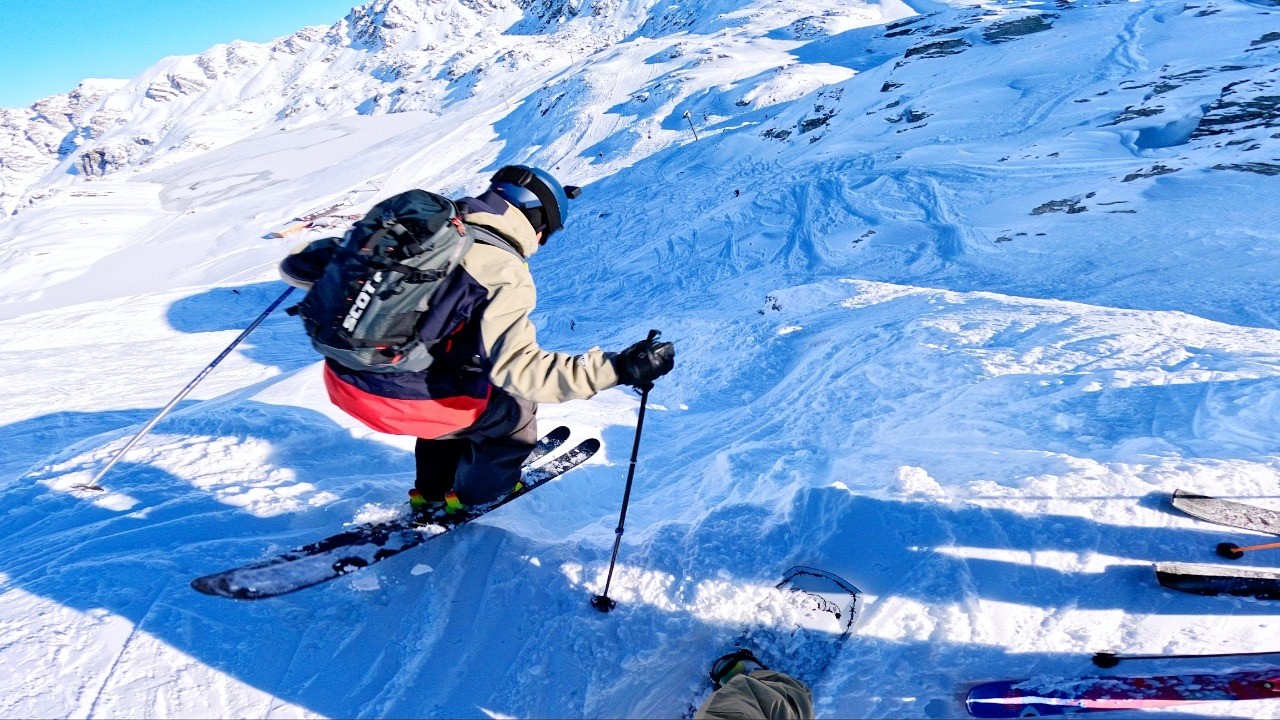
The 4 Vallées connects Verbier with Nendaz, Veysonnaz, Thyon, La Tzoumaz, Bruson, and surrounding sectors, creating Switzerland’s largest lift-linked ski domain. That scale matters because Verbier days can change character quickly. One morning can start with high-speed piste laps toward Attelas, move into La Chaux park, swing toward Mont Fort for alpine snow, then finish through marked freeride routes when patrol and conditions align.
The terrain is not uniform. Mont Fort brings the high-alpine postcard, with hard snow, wind, views toward the Grand Combin and Mont Blanc massifs, and long exposure to weather. Lac des Vaux, Chassoure, Tortin, Savoleyres, and Bruson each carry different snow and crowd patterns. The smartest Verbier skiers do not chase only the highest lift. They read where snow has stayed cold, which routes are open, how wind has loaded ridges, and whether the day is better for freeride, park, or fast groomed mileage.
Vallon D Arbi And The Marked Freeride System
Verbier’s official freeride identity includes seven secured, marked but ungroomed itineraries. The named routes include Mont-Gelé, Col des Mines, Vallon d’Arbi and Mur de Chassoure, each giving skiers a more serious snow experience without pretending that every descent is a controlled piste. The distinction is important. These routes are marked and secured by the resort, but they remain ungroomed, variable, and intended for good skiers who can manage changing snow and terrain.
Vallon d’Arbi gives a concrete example. Verbier 4Vallées lists the itinerary from Lac des Vaux to near the lower La Tzoumaz-Savoleyres gondola, with 5500 meters of length, 900 meters of vertical drop, and an altitude range from 2550 meters to 1720 meters. That is not a quick side hit. It is a proper descent with route-finding, snow management, and an exit plan. Verbier’s strength is that this kind of skiing sits inside the public resort language rather than hidden away as an unofficial secret.
La Chaux Park Below The Freeride Skyline
The Verbier Snowpark sits at La Chaux around 2250 meters, with the official resort describing kickers, rails, boxes, daily maintenance, secured features, and suitability for different skill levels. That location gives the park an unusual backdrop. Riders can session rails and jumps under a skyline associated with the Bec des Rosses and Mont Fort, which makes the freestyle experience feel tied to the same alpine culture as the freeride lines.
The park is not the main reason Verbier ranks internationally. It does not have the same pure freestyle weight as Laax, Cardrona, or Stubai Zoo. Its value is more integrated. A skier can build timing on small and medium features, stay playful when snow stability limits steeper terrain, or add structured freestyle reps between freeride days. For mixed crews, La Chaux keeps the trip balanced: one rider can chase off-piste windows while another keeps progressing rails, spins, and jump confidence.
Xtreme Verbier And The 2026 Bec Des Rosses Finals
The YETI Xtreme Verbier remains the mountain’s defining international event. The 2026 edition placed the Freeride World Tour final back on the Bec des Rosses, with ski wins by Ben Richards and Lou Barin. The result mattered because both riders also carried overall title momentum, turning the face into a season-ending proving ground rather than a symbolic finale.
Verbier’s competition power comes from visibility and consequence. Judges, film crews, spectators, and athletes can all read the face in one broad visual field, but the line choices are far from simple. Riders have to balance control, exposure, fluidity, airs, tricks, and snow condition. A backflip, 360, or high-speed straight line only works if the whole descent stays coherent. That is why the Bec des Rosses still defines freeride progression: it punishes isolated tricks and rewards complete mountain reading.
Faction Roots And The Verbier Design Lab
Faction gives Verbier a direct brand-culture anchor. The skipowd.tv sponsor page identifies Faction as a Swiss freeski manufacturer founded in Verbier in 2006 by a collective of international skiers, with a focus that spans Studio, Dancer, Agent, Prodigy, La Machine, park, street, freeride, touring, powder, and all-mountain skiing. That origin is not incidental. Verbier is exactly the kind of test environment a modern freeski brand needs.
The mountain throws different problems at skis: steep chalk, chopped resort snow, spring corn, traverse exits, freeride landings, groomer speed, touring access, and playful terrain around the lift system. Faction’s Verbier identity connects the resort to a broader visual culture of ski films, athlete projects, and product testing. The relationship is strongest when Verbier is not described only as luxury or après-ski. It is also a workshop where freeride equipment, mountain style, and media language have been refined for nearly two decades.
Max Palm Ross Tester And The New Freeride Trick Line
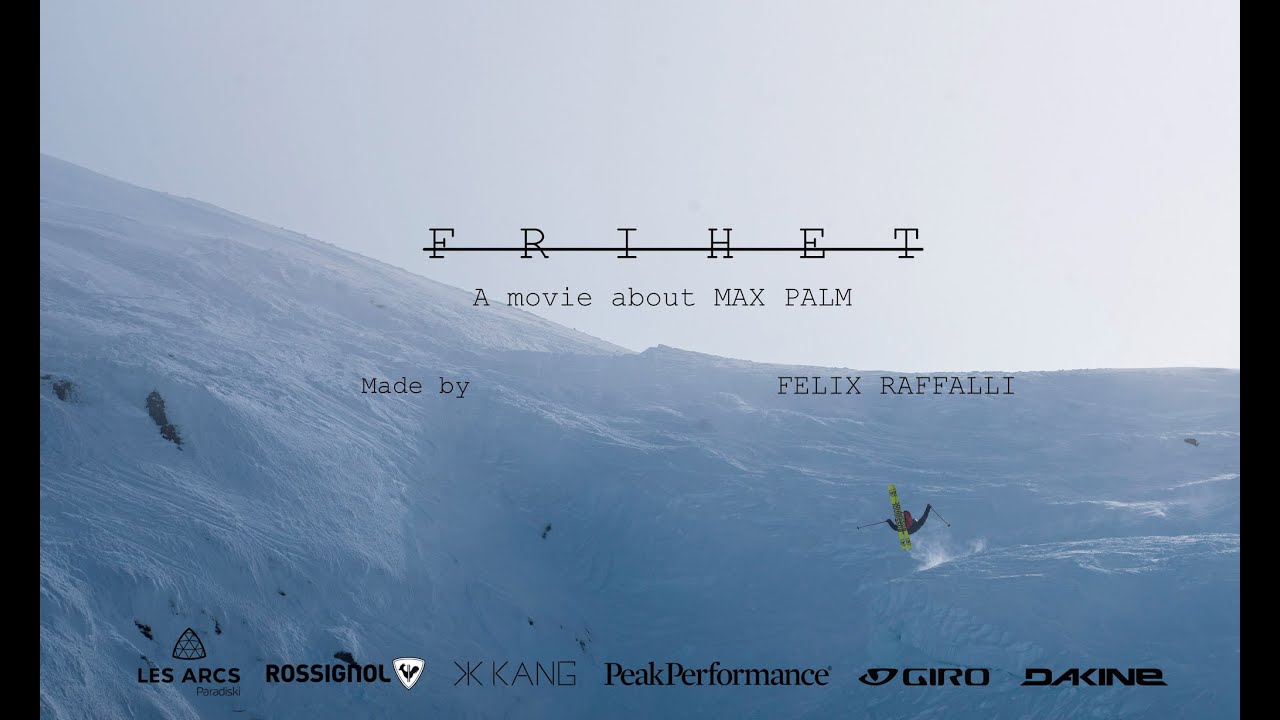
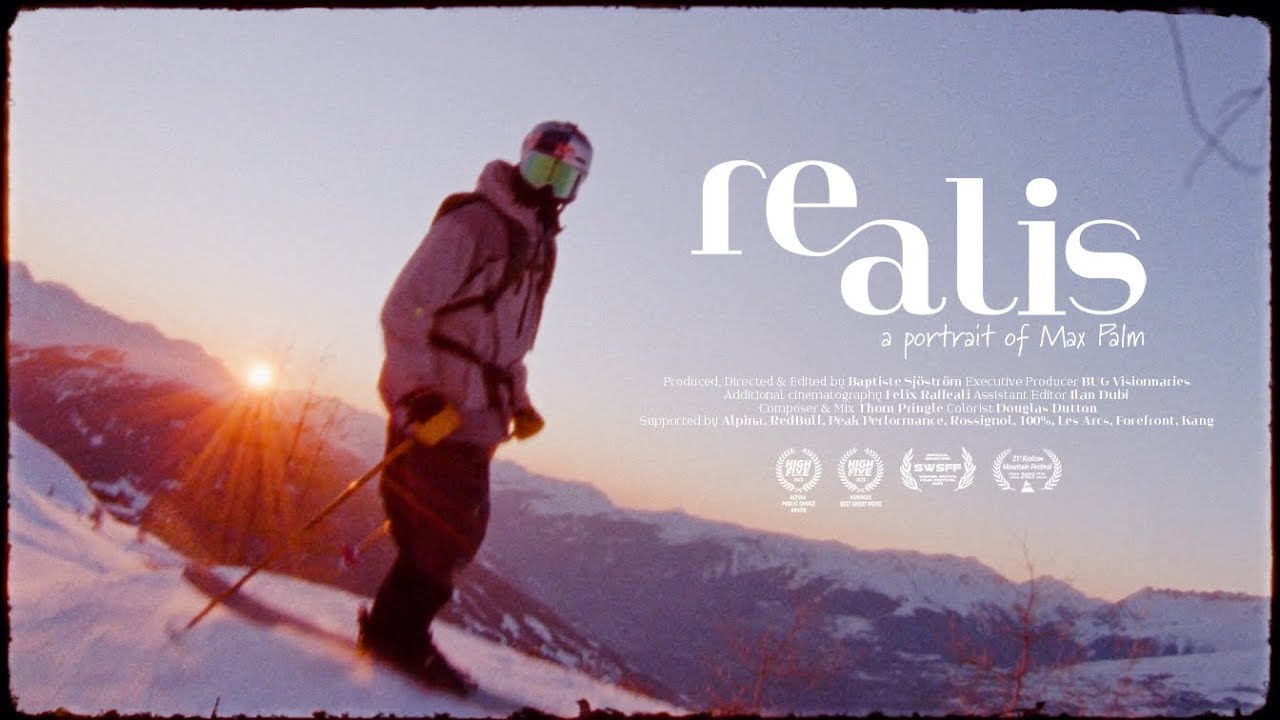
Max Palm belongs in the Verbier conversation because modern freeride no longer separates tricks from line choice. His Baqueira double backflip breakthrough and later film work show the direction that Verbier’s Bec des Rosses final now has to absorb: riders arrive with freestyle literacy and expect natural terrain to carry rotations, flips, grabs, and playful takeoffs without losing big-mountain seriousness.
Ross Tester adds the North American freeride angle. His skipowd.tv profile connects him to FWT podiums, Baqueira, Verbier, Haines, Here 4 Now, Comeback, Völkl, Flylow and BCA. Tester’s career makes sense in a Verbier profile because the resort is where a freerider’s full toolkit gets exposed. A skier can look stylish in shorter edits, but the Bec des Rosses asks whether that style still works when the line is long, public, technical, and unforgiving.
Manon Loschi Finn Bilous And The Cross Discipline Verbier File
Manon Loschi gives Verbier a current European progression thread. Her skipowd.tv profile ties her delayed FWT debut to the 2024 Verbier Pro on Petit Bec, where she finished second in the ski women’s field with a run built on speed, air choice and control. That result matters because it shows how Verbier can shape a career even when the competition venue is not the full Bec des Rosses final face.
Finn Bilous adds another useful lens. His skiing blends park timing, natural terrain, freeride flow, and subtle takeoff adjustments, which is exactly the kind of hybrid language Verbier rewards. Elsa Sjöstedt connects the resort to Swiss freestyle through her Verbier base, Swiss-Ski context, slopestyle development, SuperUnknown visibility, and Cute Café street direction. Together, those names show that Verbier is not one-dimensional. It can hold FWT finals, Swiss freestyle training, creative film projects, and athlete pathways that move between disciplines.
Le Châble Access And The Geneva To Valais Route
Verbier is easier to reach than its high-mountain image suggests. The rail route from Geneva toward Martigny and Le Châble connects directly to the gondola system, while drivers usually approach through the Rhône Valley before climbing toward the resort. That access pattern gives Verbier a practical advantage for international crews: airport, train, valley services, and high alpine terrain can all be connected without the remote logistics of many freeride venues.
The village itself changes the rhythm of a ski trip. Verbier has a polished international scene, expensive lodging, strong nightlife, ski shops, guide offices, and a dense social culture around serious skiing. That mix can help or distract. The best freeski trips use the village as a base, not the objective. Check lift status early, move before crowds lock into obvious routes, keep the guide option open for complex freeride days, and save energy for long exits when the itinerary drops below the main lift grid.
Bec Des Rosses Consequence And Avalanche Discipline
Verbier’s freeride reputation creates a risk: strong skiers can underestimate how quickly resort access becomes serious mountain terrain. The marked itineraries are secured but ungroomed, and anything beyond them requires avalanche equipment, local knowledge, partner discipline, weather reading, and a clear exit plan. The Swiss avalanche bulletin from SLF and White Risk should be checked before any off-piste objective, especially after wind, snowfall, or rapid warming.
The same discipline applies inside the park at a smaller scale. La Chaux may be secured and maintained, but riders still need to inspect features, call drops, clear landings, and avoid crossing active lines. Verbier attracts a wide ability range, from vacation skiers to FWT athletes. Good etiquette is the only way those worlds share space. In freeride terrain, that means respecting closures and skiing one at a time on exposed panels. In the park, it means predictable movement and feature awareness.
The Verbier Use Case For Freeskiers
Verbier matters because it connects resort scale, freeride consequence, park access, brand culture, and competition history in one Valais destination. The core facts are powerful: 410 km of 4 Vallées slopes, Mont Fort at 3330 meters, seven marked freeride itineraries, Vallon d’Arbi’s 900 meter vertical route, La Chaux snowpark at 2250 meters, Faction’s Verbier roots, and the Bec des Rosses as the Freeride World Tour’s defining final face.
January and February are the cleanest months for cold freeride snow, while March and early April bring the strongest Xtreme Verbier atmosphere, longer light, and spring stability windows when conditions cooperate. A smart trip keeps several plans open: La Chaux park when visibility is poor, secured freeride routes when patrol status allows, guided off-piste when the objective is complex, and Mont Fort or surrounding sectors when weather opens high alpine terrain. Verbier’s concrete value is simple: it gives freeskiers a Swiss resort where the same day can include park laps, long freeride itineraries, brand history, FWT-level terrain, and a village that has turned skiing into both culture and pressure.