Maggie Voisin
Whitefish, Montana, USA | Active: FIS record listed as not active | Discipline: freeski slopestyle, big air, backcountry filming | Verified: seven X Games medals, three U.S. Olympic teams, PyeongChang 2018 fourth, Beijing 2022 fifth, six World Cup podiums | Current: backcountry film focus with TGR, K2, Monster Energy and Norrøna profile
Genting Snow Park With The Medal Line Moving Away
Genting Snow Park was brittle under the Zhangjiakou sun, the rails throwing hard shadows across blue-tinted Olympic snow. Maggie Voisin dropped into run two, locked the rail section, then sent the jumps with the medal line still within reach.
Beijing 2022 gave her the last Olympic final of her competition chapter. Mathilde Gremaud won gold, Eileen Gu took silver, Kelly Sildaru earned bronze, and Voisin finished fifth with 74.28. The result carried a strange weight. It was not the fourth-place heartbreak of PyeongChang, and not the broken-fibula silence of Sochi. It was a veteran run from a skier who had lived almost every version of Olympic freeskiing: selected too young, injured before the start, nearly on the podium, then still in the final eight years after the first heartbreak.
Whitefish Before The World Learned Her Name
Voisin grew up in Whitefish, Montana, where Big Mountain and the Flathead Valley shaped her early skiing. The place matters because it gave her a mountain-town base without the scale of Park City, Whistler, Laax or Mammoth. Whitefish produced its own kind of skier: tough in bad light, comfortable in cold weather, used to travel, and tied closely to family and local community.
She was skiing young, competing early, and moving through the American freeski pipeline before most teenagers understand how the travel schedule works. By fourteen, she was already visible enough to draw national attention. By fifteen, she was on the U.S. Olympic team headed for Sochi. That pace became part of the Maggie Voisin story: the results arrived before adulthood, but the body and the mind had to absorb the cost later.
Sochi With A Broken Fibula
Sochi 2014 should have been the first Olympic start. Voisin was the youngest member of the U.S. Olympic team and had already made X Games history that winter. Then, during training in Russia, she fractured her right fibula above the ankle and withdrew before the women’s slopestyle event.
That injury became the first defining absence of her career. Olympic biographies often build around medals, but Voisin’s first Games were built around a start gate she never reached. She stayed in Sochi, watched the event, and had to carry the disappointment home while still being introduced publicly as a future face of American freeskiing. For a fifteen-year-old, that is a brutal kind of exposure: visible to the whole country, but unable to ski the run that had brought her there.
Aspen Silver At Fifteen
Before the Sochi injury, X Games Aspen 2014 had already changed her standing. Voisin won women’s ski slopestyle silver as a fifteen-year-old rookie, becoming one of the youngest skiers to medal at X Games. The Buttermilk course placed her against established women at the center of freeski culture, not inside a junior event.
That medal gave the broken Olympic trip a sharper contrast. She had not been selected to Sochi because of a hopeful youth narrative. She had just proved she could score at the highest action-sports stage in the sport. Aspen demanded rails, jump control, grabs, switch comfort, and the ability to land when television timing and crowd noise made every mistake larger. Voisin had already crossed that threshold before Olympic viewers knew what she had lost.
The Gold Run Before PyeongChang
X Games Aspen 2018 gave Voisin the strongest contest win of her career. She scored 92.33 on her first run in women’s ski slopestyle and became the first American woman to win X Games gold in that event. The timing made the result heavier: it came two weeks after she qualified for the U.S. Olympic freeskiing slopestyle team and four years after the Sochi injury.
That run was not only a personal comeback. It placed an American woman at the top of a slopestyle contest long shaped by international leaders such as Kaya Turski, Dara Howell, Sarah Höfflin, Mathilde Gremaud, Kelly Sildaru and Tess Ledeux. Voisin’s style was clean rather than theatrical: strong rail work, controlled spins, readable grabs, and enough jump amplitude to make the run feel complete rather than defensive.
Phoenix Snow Park And Fourth Place
PyeongChang 2018 finally gave Voisin the Olympic start that Sochi had taken away. At Phoenix Snow Park, she reached the women’s freeski slopestyle final and finished fourth with 81.20. Sarah Höfflin won gold, Mathilde Gremaud took silver, and Isabel Atkin moved into bronze with 84.60.
The fourth place hurt because it was close. Voisin had fallen on her first two runs, then found enough composure on the final attempt to move into medal contention. Atkin’s score pushed her back off the podium. The final still changed the way her Olympic story read. She was no longer only the injured fifteen-year-old from Sochi. She had returned four years later and skied a medal-level final, even if the official hardware stayed out of reach.
Norway, Aspen, And Seven X Games Medals
Voisin’s full X Games record is the foundation of her 5/5 rating. X Games lists two golds, two silvers and three bronzes across slopestyle and big air. The total includes Aspen slopestyle silver as a teenager, Norway slopestyle bronze in 2017, Aspen slopestyle gold in 2018, Aspen slopestyle bronze in 2019, Aspen slopestyle bronze in 2020, Norway big air silver in 2020, and Norway big air gold in 2020.
The spread matters because it shows more than one peak. Voisin stayed relevant through several versions of women’s freeskiing: the early Olympic slopestyle era, the rise of double-cork big air, the Sildaru-Gremaud-Ledeux generation, and the more technical jump standards that followed. Seven X Games medals do not happen through one lucky season. They require repeated invitations, finals, injury recoveries, and enough trick progression to keep scoring while younger skiers arrive.
How Voisin Built Runs From The Top Down
Voisin’s skiing was built around full-course control. Her technical vocabulary included switch takeoffs, 270s, continuing rail rotations, blind-side rail exits, 720s, 900s, rodeo 900s, double cork attempts, tail grabs, safety grabs, Japan grabs, mute grabs and big-air landing control. She rarely looked like a skier trying to win through one oversized trick alone.
Compared with Tess Ledeux, Voisin carried less pure big-air power. Compared with Kelly Sildaru, she had less junior-era dominance but more visible comeback history. Compared with Mathilde Gremaud, she looked less Swiss-polished and more American park-built. Compared with Megan Oldham, she relied less on maximum jump weight and more on complete slopestyle structure. Her best runs used rails to start the score, then protected the line through clean takeoffs and controlled landings.
The Injuries Between The Medals
Voisin’s career cannot be read only through podiums. The Sochi fibula injury was the first public one, but later seasons included knee issues, surgeries, missed starts and returns that forced her to rebuild confidence again. That pattern explains why her later career felt less like a straight climb and more like a series of re-entries.
Women’s freeskiing changed fast during that same period. Double corks entered big air. Rail sections became more technical. Slopestyle courses demanded more left-right balance and stronger switch direction. A rider returning from injury was never returning to the same sport. Voisin had to rejoin fields where Gu, Gremaud, Ledeux, Sildaru, Oldham, Killi and Asselin were all pushing different edges of progression. Staying relevant through that change became part of her legacy.
K2, Monster, Norrøna, And The Backcountry Door
By 2024, Voisin had stepped away from competitive freestyle skiing and shifted toward backcountry filming. K2 framed the move as a decision to focus on the backcountry after more than a decade in elite contests. Her public sponsor profile has included K2, Monster Energy, Giro, Norrøna, Ski-Doo and BlackStrap, with K2’s Mindbender 116C W tied to the new mountain direction.
The equipment shift matters. A contest skier needs pop, rail durability, swing weight and stable landings on shaped jumps. A backcountry skier needs float, edge confidence, variable-snow control, and enough platform to land tricks where the landing is found rather than built. Voisin’s move toward larger terrain did not erase the slopestyle skier. It asked that skier to learn snowpack, aspect, takeoff shape, sled access, filming windows and avalanche terrain.
Pressure Drop And The TGR Chapter
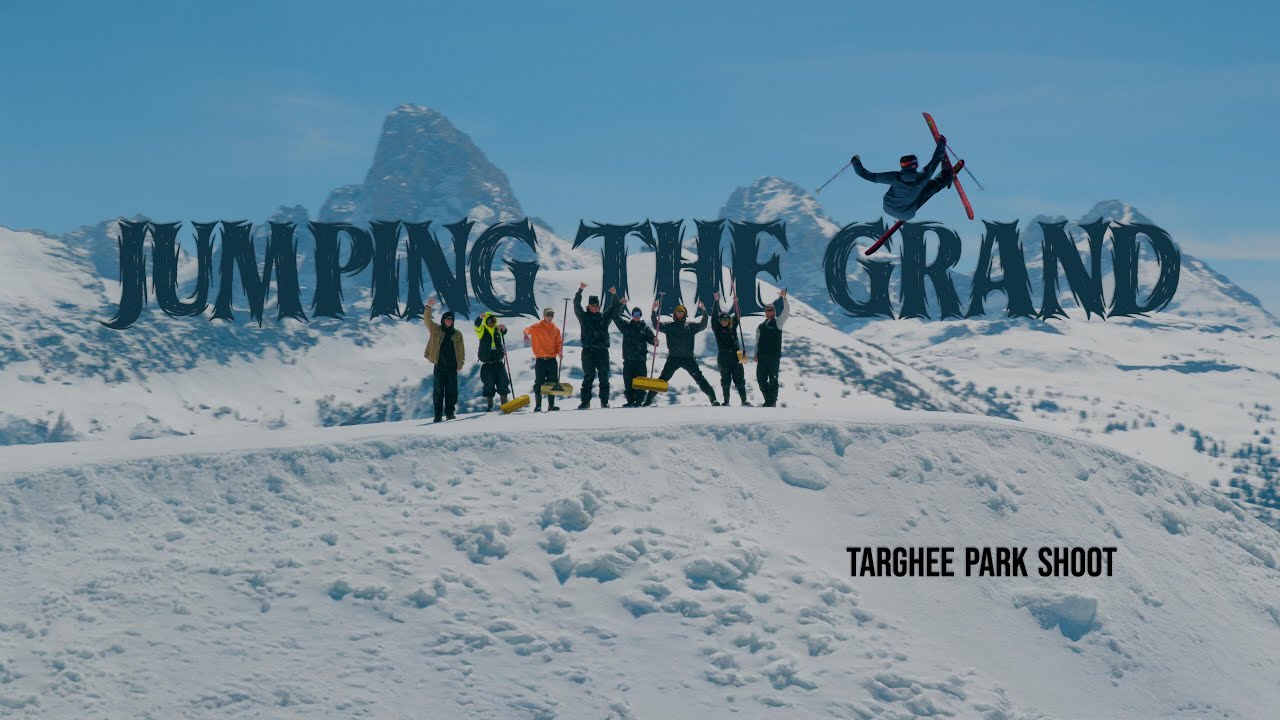
Teton Gravity Research gave the transition a larger film frame. Powder described Pressure Drop as Voisin’s third annual film with TGR, noting her movement from Alaskan spines to park-style tricks around the Tetons. That matters because the film work is not a casual post-retirement edit. It is a real second chapter with one of skiing’s long-running big-mountain production companies.
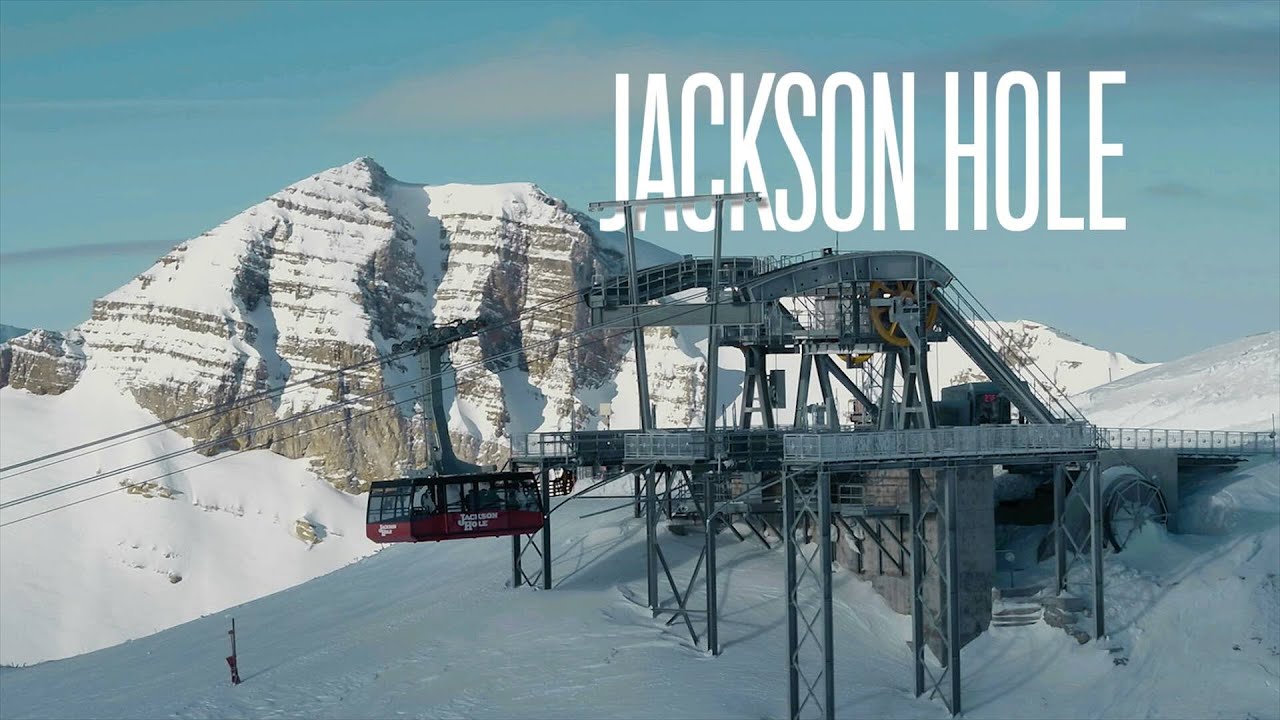
Alaska asks a different question from Aspen. The takeoff is not rebuilt between runs. Wind, slough, exposure, guide communication, heli timing and landing shape decide whether a trick belongs on the face. Jackson Hole and the Tetons bring another texture: booters, powder landings, cold smoke, tree shadows and a homegrown American big-mountain history. Voisin’s current footage shows a skier trying to carry contest mechanics into terrain that does not care about a scorecard.
Whitefish, Grief, And The Human Record
Voisin’s public story has also included grief, faith, family and the emotional cost of being visible so young. She has spoken in interviews about losing her brother Tucker, about using skiing as a place to process pain, and about needing community beyond results. That part of the biography should not be flattened into inspiration copy.
The human record matters because it explains why the backcountry shift reads as more than a career pivot. After years of medals, injuries, Olympic pressure and personal loss, the move toward filming looks like a search for a different relationship with skiing. The goal is no longer only to beat a field. It is to choose the right day, the right crew, the right line, and the right reason to drop in.
The Skier Younger Americans Grew Up Watching
Voisin’s influence sits inside American women’s freeskiing. Marin Hamill, Grace Henderson, Rell Harwood, Avery Krumme and the current U.S. slopestyle group entered a sport where Voisin had already carried the flag through X Games medals, Sochi injury, PyeongChang near-podium and Beijing final pressure.
Her legacy is not the same as Sarah Burke’s foundational advocacy or Eileen Gu’s crossover fame. It is more specific: a Montana skier who became famous too young, stayed in the contest world for a decade, collected seven X Games medals, and left before the sport could reduce her to old rankings. She gave younger American women a model of persistence, not perfection.
The Footage Path Now
For skipowd.tv, the watch path starts with X Games Aspen 2014 for the teenage silver, then moves to Sochi 2014 for the injury context. Aspen 2018 is essential for the first American women’s X Games slopestyle gold, while PyeongChang 2018 gives the fourth-place Olympic run.
The second half of the path moves through X Games Norway 2020, Beijing 2022, K2’s backcountry transition material, and TGR’s Pressure Drop. FIS lists Voisin as not active, and that status should be respected. The current Maggie Voisin page is not about chasing another Olympic start. It is about what happens after a contest career deep enough to include seven X Games medals, three Olympic teams, repeated injuries, and a new mountain chapter where the next score is replaced by snow, film and judgment.