Overview and significance
Jackson Hole in Wyoming centers on Jackson Hole Mountain Resort, a benchmark North American venue defined by the “Big Red” Aerial Tram, the legendary Corbet’s Couloir, and a deep culture of big-mountain skiing. With a continuous 4,139 feet of vertical and a layout that funnels skiers from alpine faces to long, gladed fall lines, it is one of the most consequential in-bounds experiences in the United States. The resort’s modernized lift network and capacity-managed ticketing aim to keep lines moving on storm and bluebird days alike, while recurring headline moments—most notably the athlete-driven Kings & Queens of Corbet’s—reinforce Jackson Hole’s status in global freeskiing.
Beyond the famous couloir, the resort has matured into a complete destination for park riders, freeriders, and strong all-mountain skiers. Purposeful flow from the base areas, clear progression in its parks, and well-communicated safety practices around backcountry gates make it a high-output mountain for crews who want meaningful laps and filmable terrain without guesswork.
Terrain, snow, and seasons
The official mountain stats list 2,500 acres in-bounds, 13 lifts, and a vertical drop of 4,139 feet from base to summit, with terrain split roughly 10% beginner, 40% intermediate, and 50% expert. Those numbers capture the feel on snow: a fast climb from Teton Village to high alpine zones and long descents across bowls, ribs, and treed benches. The Aerial Tram climbs to the top of Rendezvous Mountain in about nine minutes and carries 100 passengers per cabin, unlocking the upper faces when patrol gives the green light.
Snow quality trends cold and dry through midwinter, with wind shaping many alpine features into chalky panels and drifted pockets. Storm days favor treeline benches and mid-mountain gullies; on clears, the alpine turns on and speed checks become straightforward. Season dates vary year to year, but prime coverage typically runs from January into March. In all conditions, respect in-bounds closures and treat any exit through the backcountry gates as true avalanche terrain.
Park infrastructure and events
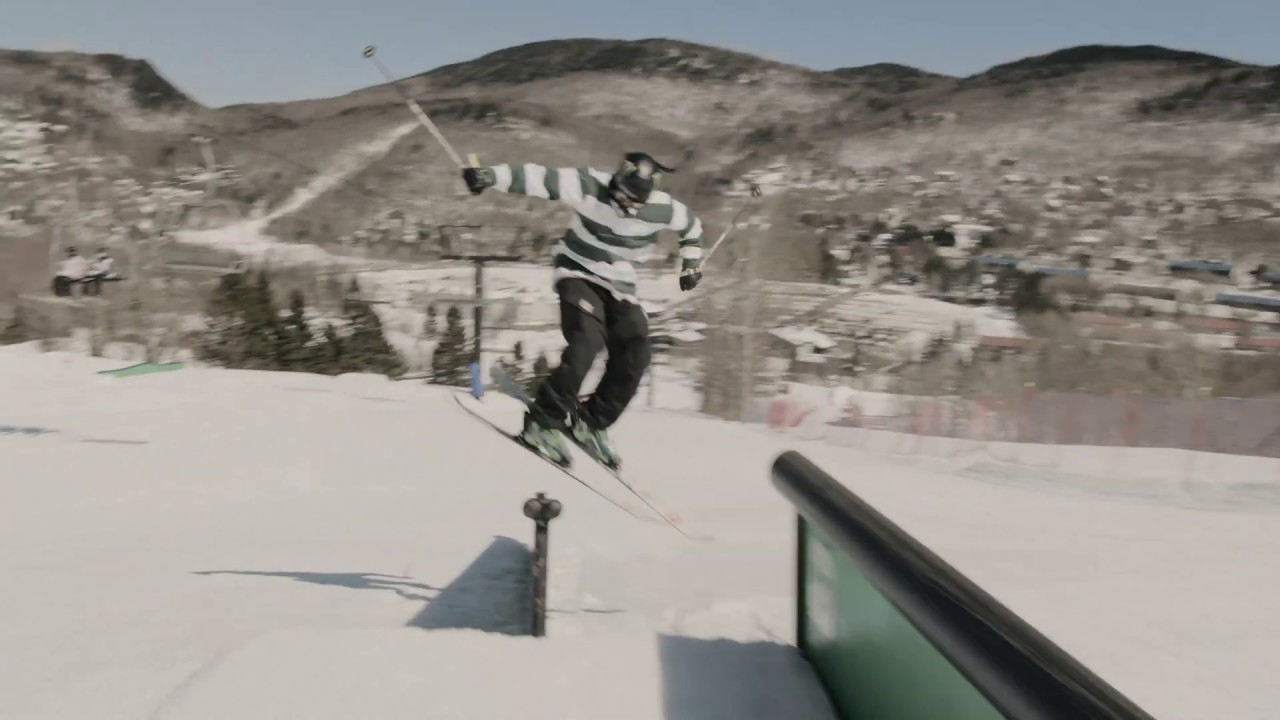
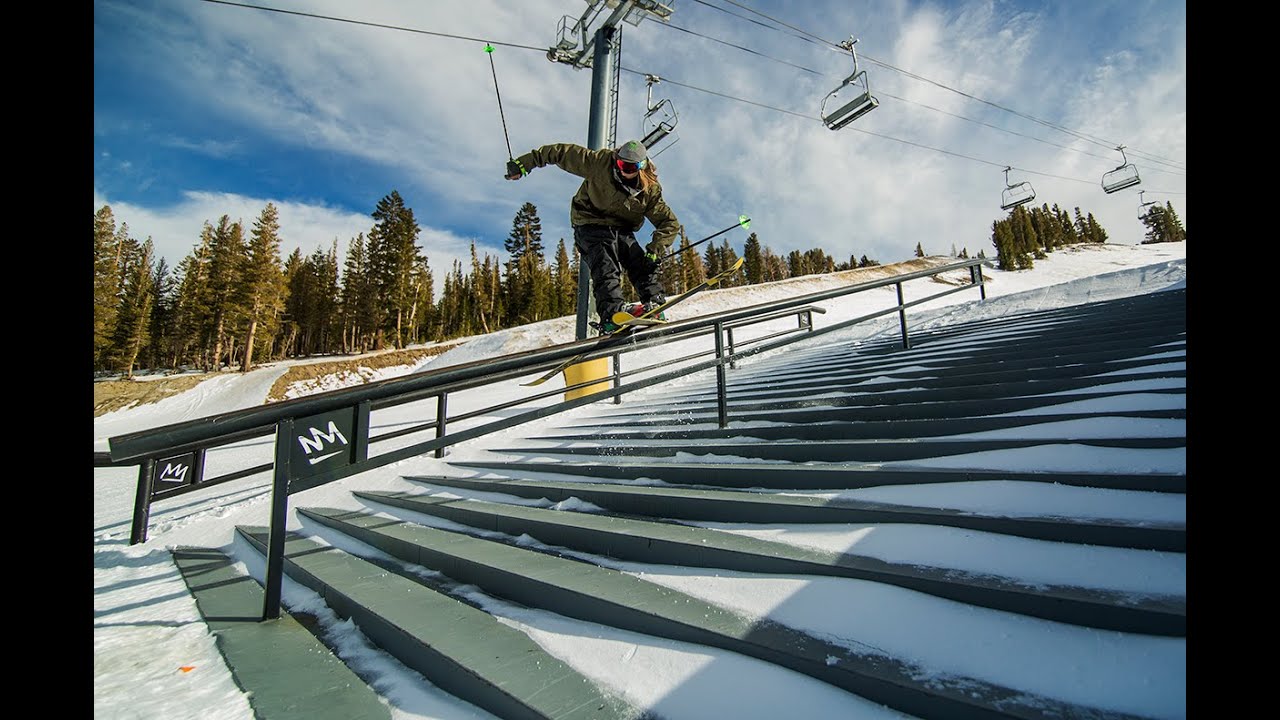
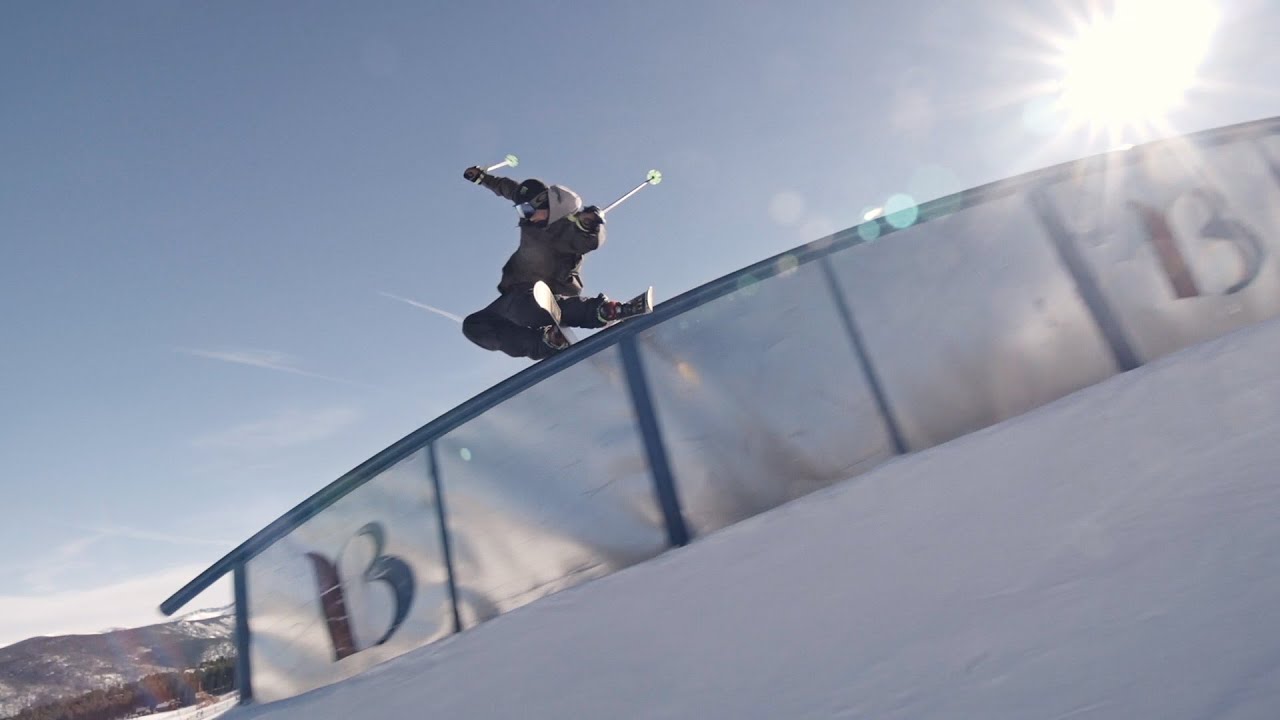
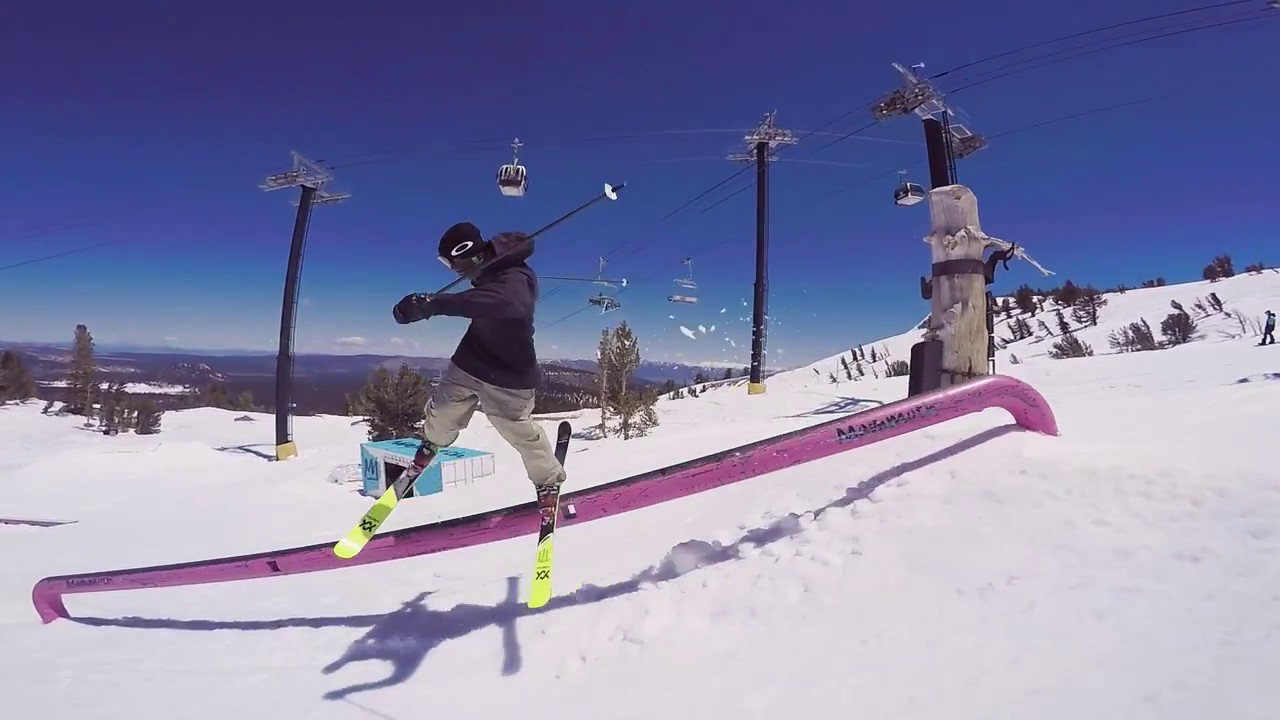
Jackson Hole runs a two-park progression complemented by four Burton-branded “Stash” zones built from local wood and natural topography. The resort’s parks page highlights Antelope Flats as the entry-level zone for small jumps and rails, and Bronco Park near Teewinot as the headliner with roughly two dozen intermediate features that rotate through the season. The Stash network—Little Stash, Deer Flat Stash, Campground Stash, and “Stashley” Ridge—scatters lines across pods served by Sweetwater, Teewinot, Casper, Teton, and Apres Vous, so you can mix natural-feature laps with classic park hits in a single run.
Event-wise, Jackson Hole is home to Kings & Queens of Corbet’s, where invited skiers and riders take creative, judged lines into the couloir. The show elevates course prep across the venue, and the resort’s shapers carry those best practices into everyday maintenance. The area’s storytelling roots also run deep thanks to Jackson-based filmmakers; see our partner page for Teton Gravity Research, a long-time chronicler of Teton freeride culture.
Access, logistics, and on-mountain flow
Fly into Jackson Hole Airport (JAC), uniquely located inside Grand Teton National Park, then transfer 30–40 minutes to Teton Village. If you’re staying in the Town of Jackson, the START Bus runs frequent service to and from the base, with additional local shuttles from the Stilson Transit Center park-and-ride. The resort continues to manage daily capacity and limits day-ticket sales; buying lift access well in advance is strongly advised via the official lift tickets page. The full Ikon Pass includes access here; Base and Session tiers do not, and reservations may be required.
On snow, efficient laps start with a clear plan. For park days, lap Teewinot for Bronco Park and use Sweetwater/Antelope Flats to warm up. To blend park and natural features, route from Bridger Gondola toward Casper and Teton lifts for Campground Stash and “Stashley” Ridge, then drift to Apres Vous for Deer Flat Stash. For big-mountain objectives, follow patrol advisories for alpine openings and tram status, then step up as wind and visibility allow. The resort’s live conditions and safety pages are updated throughout the day; build your circuit around those signals rather than fixed habits.
Local culture, safety, and etiquette
Jackson Hole’s safety framework is explicit. Review the resort’s winter safety guidance and start each day with the regional bulletin from the Bridger-Teton Avalanche Center if you plan to travel near or beyond boundary gates. Inside the rope, give patrol and shapers full right-of-way and respect staged openings; ducking closures jeopardizes snow safety work and feature integrity. In the parks, follow Park SMART, call your drop, and clear landings immediately so the lane stays predictable.
Jackson’s culture blends serious terrain with a grounded, patrol-aware mindset. You’ll see that in the way locals ski consequential lines one at a time with clear regroup points, and in the shop-to-lift rhythm that keeps pre-lap tuning and wax part of the day. It’s a place where progression and respect for hazard go hand in hand.
Best time to go and how to plan
Mid-January through late February stacks the odds for cold snow, stable park speed, and frequent resets. March adds daylight and corn cycles on solar aspects while the alpine often stays wintry on shaded faces. Secure lift access early, especially around holidays and event windows, and consider lodging in Teton Village if maximizing lap count is a priority. If you’re town-based, budget time for the START Bus and plan morning arrivals ahead of peak queues.
Build each day by aspect and elevation. On storm days, mine mid-mountain trees and gullies while the alpine is assessed; when it clears, step to tram laps, mind wind-effected entries, and prioritize one-at-a-time skiing in steep panels. For skills work, start with Antelope Flats and progress to Bronco Park, then fold Stash features into top-to-bottom laps as you calibrate speed.
Why freeskiers care
Jackson Hole balances consequence, craft, and continuity. Consequence comes from tram-accessed terrain and the possibility space inside Corbet’s and its neighbors. Craft shows up in the shaping discipline of Bronco Park and the creative Stash network, plus the event heritage that keeps line choice and feature design evolving. Continuity is what turns trips into progress: capacity-managed lift access, clear safety communication, reliable public transit, and a mountain that rewards patient, one-more-lap habits. Put it together and you get a destination that still tests the world’s best while staying productive for everyday freeskiers who want to come home better than they arrived.